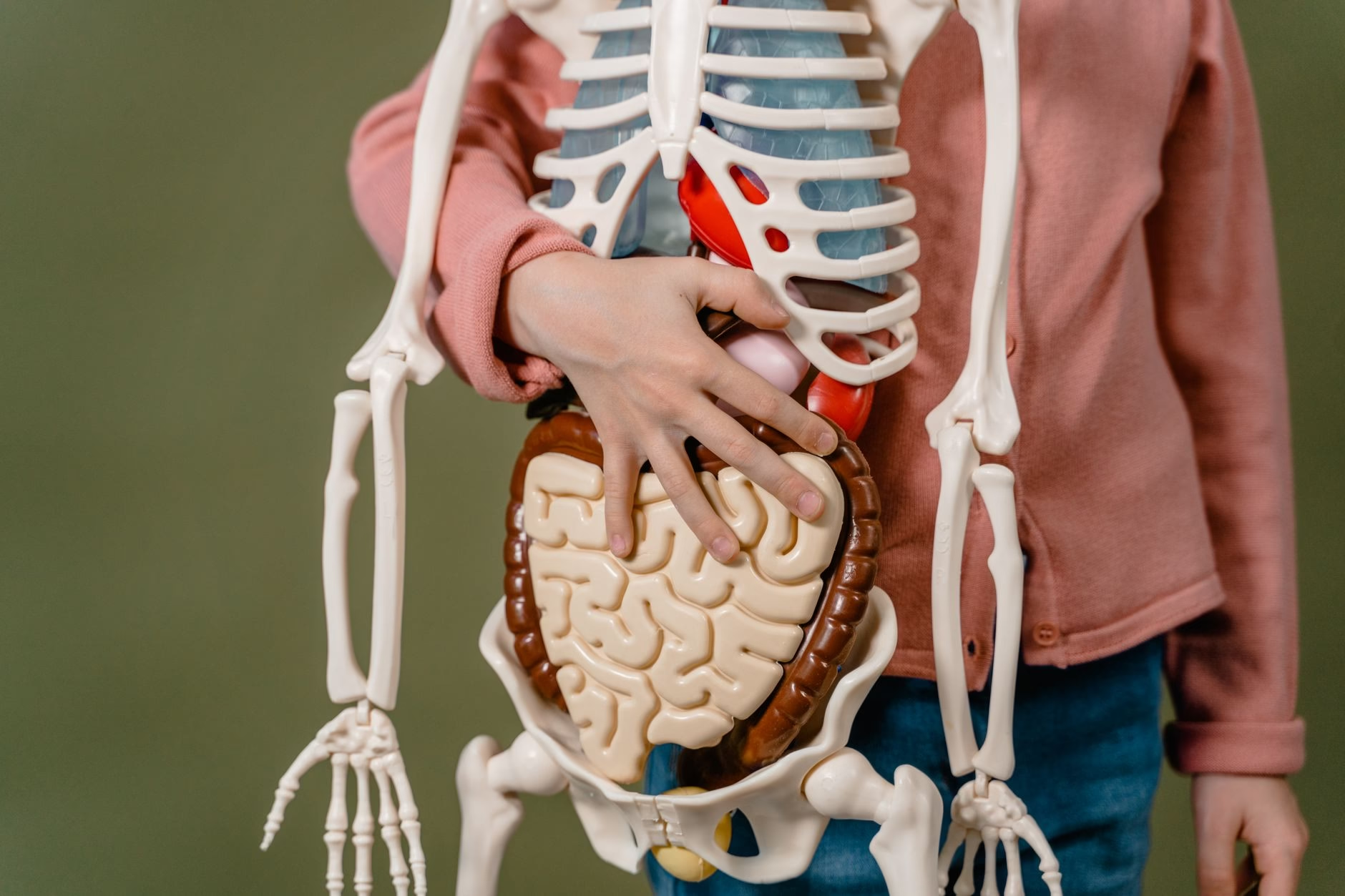
parts of the human body are built from many systems. Each part has a special job. You use your bones, muscles, nerves, blood, and more. All work as one team. This guide shows how your organs work to keep you safe, help you move, let you feel, and let you grow. You have about 206 bones in your body. They form a frame. Muscles attach to bones and make parts move.
Your brain and nerves tell your muscles what to do. Your heart pumps blood to all parts. Your lungs bring in air and send out waste gas. Your stomach and intestines break food down into parts your body can use. Your skin covers you and keeps germs out. Other parts make and use hormones. You have cells that fight germs. You have eyes, ears, and more that help you feel and learn. In this article, we will look at each system.
We will write in simple words. We will list easy steps to keep you safe. We will show when you need to see a doctor. We will use safe tips from trusted groups. This is just a start for more learning. Enjoy clear and firm care tips today.
Key Takeaways
| Key Takeaway | Why It Matters |
|---|---|
| The parts of the human body form organ systems. | They work as a team to keep you alive. |
| Watch your parts of the human body for warning signs. | Early care can help stop big problems. |
| Know when to seek care. | Fast action can save lives. |
Major parts of the human body
We will share parts of the human body in simple groups. Each group is a system. A system has parts that do a job. You will learn how bones, muscles, nerves, and other parts help you.
The Skeletal System
The skeletal system has bones and joints. It forms a strong frame. It gives shape and support. It protects your heart, lungs, and brain. The adult body has about 206 bones. Bones store minerals like calcium. Joints let you bend and move. Cartilage is soft and covers ends of bones. It keeps bones from rubbing. The spine is made of small bones called vertebrae. It holds up your head and back.
The skull holds your brain. Ribs protect your heart and lungs. The pelvis holds organs in your belly. Bones have marrow inside. Marrow makes blood cells. A break or crack in a bone is a fracture. If you fall, see a doctor if you have pain or swelling. Keep your bones strong with foods that have calcium and vitamin D.
The Muscular System
The muscular system has muscles and tendons. Muscles pull on bones to make you move. There are three kinds of muscle. Skeletal muscle moves bones. It is under your control. Smooth muscle works in your organs. It moves food in your gut and blood in vessels. Cardiac muscle is in your heart. It pumps blood without you thinking. Muscles need oxygen and fuel from blood.
They make heat when they work. To keep muscles healthy, eat proteins and stay active. Warm up before exercise. Cool down after exercise. See a doctor if you have long pain or swelling in a muscle.
The Nervous System
This system links parts of the human body with signals. It has the brain, spinal cord, and nerves. The brain is the control center. It sends messages to muscles and organs. Nerves carry these messages. They also bring back sensory data from skin and eyes. Your spinal cord is a long bundle of nerves inside your back. It protects wiring between brain and body. If you touch something hot, nerves send a fast pain signal. This lets you pull away quickly. Wear a helmet to protect your brain. Seek help if you have sudden weakness, trouble speaking, or severe headache.
The Circulatory System
The heart and blood vessels make the circulatory system. It moves blood to parts of the human body far from the heart. Blood delivers oxygen and nutrients to cells. It carries waste products away. The heart is a strong muscle. It pumps blood through two loops. One loop goes to your lungs. The other goes to the rest of your body. Arteries carry blood away from the heart. Veins bring blood back. Capillaries are tiny and reach every cell. Healthy habits help this system. Exercise, a balanced diet, and low salt keep your heart strong. Visit the CDC for heart health guidelines. See a doctor if you have chest pain or short breath.
The Respiratory System
The respiratory system brings air in and out. It has the nose, throat, windpipe, and lungs. Air enters the nose or mouth. It goes down the windpipe into small tubes called bronchi. Each bronchus goes to a lung. Inside the lung, air moves to tiny sacs called alveoli. Oxygen in the air passes into blood. Carbon dioxide moves out of blood. This gas is air you breathe out. A cough or sneeze cleans the tubes. Clean air helps lungs work well. Do not smoke. Avoid dust and strong fumes. If you have long cough or trouble breathing, see a doctor.
The Digestive System
Food travels through a long tube in your body. It starts with your mouth. Your teeth and saliva break food into bits. Swallow, and food moves down the esophagus to your stomach. The stomach is a pouch that mixes food with juice. This juice has acid and enzymes. They break food into small parts. Food moves into the small intestine next. Nutrients pass into blood there.
The large intestine takes water out and forms stool. The stool leaves your body through the rectum. Food parts pass along parts of the human body to feed cells. Drink water and eat fiber to keep things moving. The Mayo Clinic offers diet tips. See a doctor if you have belly pain, blood in stool, or weight loss. For images of healing, see stomach pictures after hysterectomy.
The Urinary System
The urinary system makes and stores urine. It has two kidneys, two ureters, a bladder, and a urethra. Kidneys filter blood to remove waste and extra water. The waste and water form urine. Ureters carry urine to the bladder. The bladder holds urine until you go to the toilet. Then urine goes out through the urethra. This system also keeps your fluids and salts in balance. Drink enough water every day. See a doctor if you have pain when you pee or blood in urine. A kidney stone can cause sharp pain in your side or back.
The Reproductive System
The reproductive system makes new life. Male and female systems differ. In males, testes make sperm. They sit in a pouch called the scrotum. Sperm travel through tubes and mix with fluid to form semen. In females, ovaries make eggs.
Eggs move through the fallopian tubes to the uterus. The uterus is where a baby grows. The vagina is the birth canal. Sex hormones control this system. They start in childhood and work at puberty. They affect growth, mood, and body changes. Keep clean and see a doctor for regular checkups. If you have pain in your belly or irregular periods, seek care.
The Endocrine System
The endocrine system uses glands that make hormones. Hormones are messenger chemicals. They go into the blood and travel to organs. Glands include the pituitary, thyroid, pancreas, and adrenal glands. Hormones control growth, metabolism, sleep, and stress. For example, insulin from the pancreas helps control blood sugar. Thyroid hormones control how fast your body uses energy.
Too much or too little hormone can cause problems. Signs include tiredness, weight change, or mood swings. A blood test can help find hormone issues. See a doctor if you have ongoing symptoms.
The Immune System
The immune system protects against infection and germs. It has white blood cells, the spleen, lymph nodes, and thymus. Skin and mucous membranes act as the first line of defense. If germs get in, white blood cells fight them. They make antibodies to track and kill germs. The MedlinePlus site has more on your bodies defense. Vaccines help your body learn germs before you get sick. Wash hands and stay home when you are ill. If you have a fever, rash, or stiff neck, get medical care.
The Integumentary System
The integumentary system covers your body. It has skin, hair, and nails. Skin protects you from injury and germs. It helps keep water in. Skin keeps you at the right temperature by sweating and widening blood vessels. Hair and nails grow from skin. Hair keeps you warm and can help you sense touch. For hair types, visit types of hair. To protect skin, use sun block and cool clothes. Clean your skin each day. See a doctor for wounds that do not heal or new spots. Skin infections may need antibiotics.
Other parts of the human body and your senses
Your sense organs let you learn about the world. Eyes let you see. Tears keep eyes wet. You need an eye exam if you have pain or vision change. Ears let you hear and help with balance. Clean them gently. For images, see ear infection pictures. The nose and mouth help you smell and taste. They also help you eat and breathe. Skin senses touch, pressure, heat, and pain. All these parts work with your nervous system.
When to Seek Care
Listen to parts of the human body for alarm signs. If you have sudden chest pain, hard time breathing, or stroke signs, call emergency services. Get help for severe headache, new weakness, or confusion. See a doctor for belly pain that does not stop, blood in stool or urine, or high fever. For skin infection or wound that worsens, get care. For eye or ear pain with fever or discharge, see a provider. Do not wait if you feel very unwell.
Conclusion
Knowing parts of the human body helps you stay well. Each system has parts that have jobs. Bones give support. Muscles move bones. Your heart and lungs feed cells. The gut breaks food into fuel. Kidneys clean blood. Skin guards against germs. Glands send messages.
White blood cells fight infection. Eyes, ears, and skin help you sense. Care for each part with good food, water, and rest. Watch for warning signs. Seek care when you feel pain or see unusual changes. This guide is a start. Learn more and keep your body safe every day.