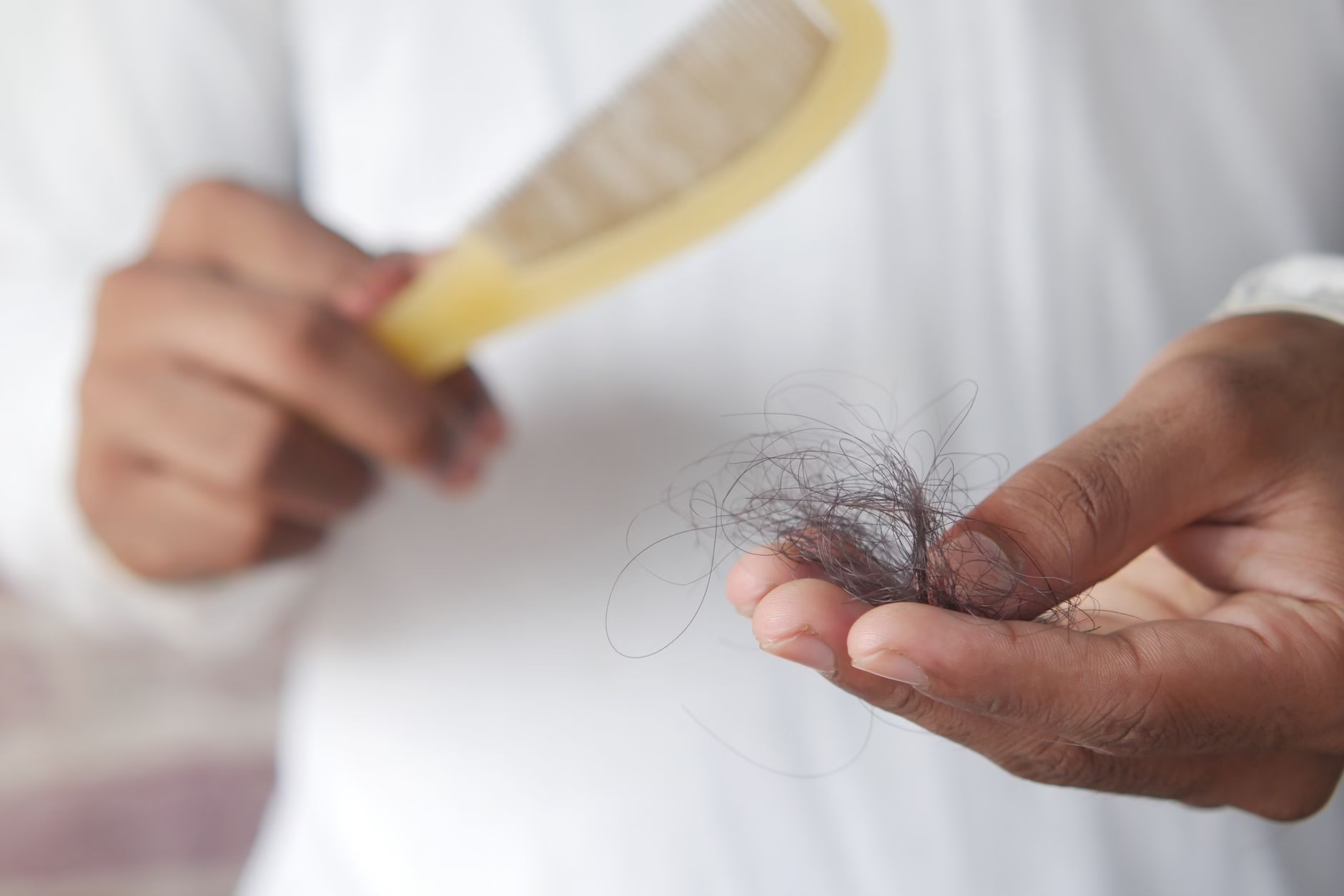
zoloft hair loss concerns are common among people starting sertraline. This article explains what is known about this rare side effect, how it may occur, and how patients can approach hair changes with careful medical guidance and safe, evidence-based options.
SSRI medicines like zoloft influence brain chemistry and body systems. Hair loss is not common but can happen for some users. Experts say many factors, including stress, nutrition, and hormonal changes, shape whether a person notices thinning or shedding patterns.
People usually notice hair changes after weeks to months on a stable dose. Time and body response vary. Some people see normal shedding, while others report small patches or generalized thinning. Understanding this variation helps separate medication effects from causes.
Doctors describe hair loss from zoloft as rare rather than routine. Most people continue treatment without notice. Even when shedding occurs, hair often regrows after dose changes or time, and doctors monitor scalp health, overall well-being, and mood stability, care.
This article helps readers separate facts from myths, explain how doctors evaluate hair changes, and outline practical actions. It covers prevention, treatment options, when to seek care, and how to talk with a clinician about the safest path forward today.
Key Takeaways
| Takeaway | Explanation |
|---|---|
| zoloft hair loss is rare | It is uncommon and not all users experience shedding. |
| zoloft hair loss requires discussion | Discuss any changes with a clinician to weigh options safely. |
Understanding zoloft hair loss and SSRIs
zoloft hair loss is a topic that many patients discuss with their doctors. Sertraline helps regulate mood by affecting serotonin, a brain chemical. This action can influence body systems linked to hair growth, including hormones and immune signaling, in some people.
In general, hair loss from SSRIs is listed as a rare side effect. Clinicians stress that most users will not experience it. When shedding occurs, it often appears gradually. The pattern helps doctors distinguish medication effects from other causes, such as genetics or illness.
Medical guides describe how hair changes may relate to dose and duration. Patients should not assume a direct, universal link. The same drug can affect different people in different ways, and many factors shape how the scalp responds over time.
Within medical practice, reviews focus on how to monitor hair changes and how to interpret skin or scalp findings. They emphasize careful history taking, examination, and, when needed, tests to identify competing explanations for shedding.
Additional context comes from patient experiences and clinician observations. Some people report showers with increased hair loss after starting sertraline, while others do not notice any change. Clinicians note that mood stability remains the primary goal of treatment.
For readers who want more background, sources offer structured information about hair loss, medications, and how doctors weigh risks and benefits. The National Library of Medicine provides accessible health information that can help readers discuss concerns with confidence. MedlinePlus hair loss overview.
Similarly, the FDA drug label for sertraline includes official cautions about side effects. This label helps health professionals and patients understand potential risks and how to monitor them safely during treatment. FDA labeling information is a key reference for decision making.
Exploring these sources together supports informed conversations with clinicians, helps patients anticipate possible changes, and clarifies decision paths when hair changes arise during sertraline therapy. Patients should consider both symptom patterns and overall health status in planning care.
For those who want direct professional guidance, internal resources on our site discuss zoloft side effects in women, withdrawal symptoms, and dosage basics. These internal pages can help readers compare experiences and prepare for doctor visits. https://ourhealthandbody.com/zoloft-side-effects-in-women/
Incidence and presentation of hair changes
Incidence studies show that hair loss from antidepressants is rare. People often report shedding as a minor change rather than a dramatic event. Clinicians differentiate between androgenic thinning and shedding related to medications, which helps guide next steps.
Time to onset varies. Some patients notice differences within weeks, others after several months. Reactions depend on dosage, duration, and individual biology. This variability makes it important to track changes over time and discuss them with a clinician.
Hair regrowth after stopping or reducing the drug occurs in many cases. Adequate nutrition, time, and proper care support regrowth. Some patients may require additional medical treatments for faster recovery, depending on their health history and personal goals.
Understanding the incidence and presentation of hair changes helps patients set realistic expectations. It also supports clearer conversations with doctors about what steps to take next, given each person’s unique treatment plan and health priorities.
Readers can explore related topics by visiting pages on our site about dosage adjustments and withdrawal symptoms, which sometimes relate to hair changes. These resources provide practical steps for safely managing medications. https://ourhealthandbody.com/zoloft-dosage/
Prevention and lifestyle factors
Prevention focuses on overall health. A balanced diet, regular sleep, stress management, and scalp hygiene may reduce shedding risk. People should avoid harsh chemicals, tight hairstyles, or aggressive treatments that stress hair follicles. Be patient with changes and monitor hair.
Practical steps include prioritizing protein-rich foods, iron-rich choices, zinc, and vitamin D as appropriate. These nutrients support hair structure and growth. Consumers should discuss supplements with clinicians to avoid interactions with current treatments and to tailor plans to personal needs.
Good sleep supports body repair and hormonal balance, which may influence hair health. Regular exercise helps manage stress, another factor in hair shedding. Gentle hair care reduces mechanical stress, allowing follicles to recover when medications are adjusted.
Safety supports long-term care. Readers should avoid risky experiments or unproven remedies. Instead, pursue routine checks, maintain open communication with healthcare teams, and adjust lifestyle choices in alignment with medical advice to protect both mood and hair health.
For additional ideas, readers may view nutrition and scalp care guidance on our site, including tips for practical meal planning and safe grooming practices. Internal guidance on lifestyle changes complements medical plans and supports overall well-being. https://ourhealthandbody.com/lexapro-hair-loss/
Treatment considerations
Treatment decisions must balance mental health with hair concerns. Clinicians may adjust dose, switch to another antidepressant, or add therapies that support hair growth. Each option has benefits and risks, and a careful plan helps preserve stability.
Some patients explore non-drug approaches alongside medicines. For example, certain scalp massages or minoxidil products may be considered under medical advice. It is essential to discuss any new treatment with the prescribing clinician before trying it.
Safety comes first. Never stop a prescription suddenly. Stopping suddenly can worsen mood symptoms or trigger withdrawal. If you notice hair changes, talk with your prescriber about timing, alternatives, or dose adjustments to balance safety and hair health.
Many people explore nutrition, sleep, and scalp care as additional factors. Adequate protein, iron, zinc, and vitamin D may help hair health. Gentle styling, reduced heat, and stress reduction strategies contribute to a healthier scalp environment.
Internal resources offer practical steps for managing zoloft side effects while staying on track with mood goals. These pages help readers compare options and plan care with clinicians. https://ourhealthandbody.com/zoloft-withdrawal-symptoms/
When to seek professional help
When symptoms worsen or new signs appear, seek professional care promptly. Hair loss that accelerates, sudden shedding, or patches that enlarge can signal issues beyond routine change. A clinician can assess, diagnose, and adjust treatment promptly.
People should also seek help when they have new skin symptoms, fever, or other medicines cause reactions. A careful medical review helps ensure safety. Early care can prevent problems and support mental health during recovery.
Readers should remember that hair symptoms are often reversible or manageable with professional help. Do not stop a medication suddenly. If you notice changes, discuss them promptly to preserve balance between mental well-being and physical health.
Internal references can guide readers to related content on dosage and overall care. A thoughtful approach combines medical advice, personal observation, and gradual changes to support both hair health and mood. https://ourhealthandbody.com/zoloft-dosage/
Conclusion
Understanding hair changes linked to antidepressants remains evolving. Researchers document rare cases, and clinicians use careful evaluation to support patients. The best steps include talking openly with doctors, tracking changes, and following safe plans that protect mood and hair health.
Readers should remember that hair symptoms are often reversible or manageable with professional help. Do not stop a medication suddenly. If you notice changes, discuss them promptly to preserve balance between mental well-being and physical health.
Frequently Asked Questions
Does zoloft hair loss occur in all users?
Not at all. zoloft hair loss is considered rare and does not affect most people who take sertraline. Many factors influence whether someone notices hair changes, including dose, duration, film-covered scalp conditions, and overall health.
How common is this side effect with Zoloft?
Hair loss with antidepressants is infrequent. The exact rate for Zoloft is not fixed, and estimates vary by study. Most people experience no changes, while a minority report shedding during weeks or after dose changes. zoloft hair loss remains rare.
Can zoloft hair loss be reversed?
Often, yes. When the exposure to the drug reduces or stops, hair regrowth can begin. Some people worry that zoloft hair loss means damage, but most cases improve after dose changes. Always discuss changes with a clinician before changing therapy.
What signs might indicate zoloft hair loss is the cause?
Look for increased shedding when brushing, thinning patches, or diffuse thinning on the crown. These signs alone do not prove zoloft hair loss, but they can suggest a medication link worth discussing with a clinician.
Should I stop taking zoloft if hair changes appear?
No. Do not stop suddenly. Stopping suddenly can worsen mood symptoms or trigger withdrawal. If you notice hair changes, talk with your prescriber about timing, alternatives, or dose adjustments to balance safety and hair health.
Are there alternatives if zoloft causes hair loss?
Alternatives exist. A clinician may switch to another antidepressant with a lower risk for hair changes or add a non-SSRI option. Each choice requires careful monitoring for mood effects and physical well-being.
What other factors could cause hair loss while on Zoloft?
Stress, nutritional gaps, or other medicines can cause hair changes. In rare cases, zoloft hair loss may occur. Illness, hormonal shifts, and poor sleep also play roles. A clinician can help separate these factors through history and tests.
When should I see a doctor about hair loss?
Seek medical advice if shedding is rapid, persistent, or accompanied by other symptoms. zoloft hair loss concerns should be discussed with a doctor when evaluating medication safety. A clinician may examine hair cycles, check labs, and consider alternate therapies.
How can I learn more about this topic?
Exploring authoritative sources helps readers understand patterns and safety. MedlinePlus provides consumer-friendly hair loss information, and the FDA label explains official side effect guidance. Both can support productive conversations with your clinician.
What about related pages on our site?
Internal pages discuss side effects, withdrawal symptoms, and dosing basics. They offer practical guidance for patients and caregivers, with clear explanations and safety tips to support ongoing treatment and hair health decisions. https://ourhealthandbody.com/does-creatine-cause-acne/
What should I do if I have questions after reading this?
If you have questions, write them down and bring them to your next appointment. A clinician can tailor advice to your health history, current medications, and personal goals, ensuring decisions prioritize safety and well-being.
Where can I find reliable, up-to-date information?
Reliable information often comes from medical organizations and government agencies. In addition to our site, consult MedlinePlus, the FDA label, and major dermatology or mental health associations for balanced guidance.
Is there a summary of actions I can take now?
Yes. Track any hair changes, discuss medication timing with your clinician, maintain good nutrition, avoid harsh hair treatments, and seek prompt care if shedding worsens or new symptoms appear. A plan supports both hair and mood health.
Sources below provide foundational references and further reading.
Sources
- U.S. National Library of Medicine – MedlinePlus: Hair Loss
- FDA Drug Label for Zoloft (Sertraline)
- American Academy of Dermatology – Hair Loss
- National Institute of Mental Health – SSRIs and Side Effects
- Cochrane Library – Antidepressants for Depression
Internal references used in the article:
Further reading and related topics are linked here: https://ourhealthandbody.com/zoloft-side-effects-in-women/