Understanding Inflammation: A Natural Response
Inflammation is often portrayed in a negative light, but it is actually a vital part of your body’s immune system. When you get a cut or catch a cold, your body initiates an inflammatory response to protect you and begin the healing process. This is known as acute inflammation, and it is a helpful, temporary mechanism. However, problems arise when inflammation becomes chronic—persisting long after the initial threat has passed. Chronic inflammation can contribute to a variety of long-term health concerns and can leave you feeling fatigued or uncomfortable.
While lifestyle factors like Exercise & Fitness and Stress Management play significant roles in how our bodies regulate inflammation, the food on our plates is perhaps the most immediate tool we have. By focusing on whole, unprocessed foods, we can provide our bodies with the antioxidants and healthy fats necessary to keep our systems in balance. This article explores ten powerhouse foods that are widely recognized for their ability to support a healthy inflammatory response.
1. Fatty Fish
Fatty fish like salmon, mackerel, sardines, and anchovies are legendary in the world of Nutrition & Diet for their high concentration of omega-3 fatty acids. Specifically, these fish contain eicosapentaenoic acid (EPA) and docosahexaenoic acid (DHA). These healthy fats are well-regarded for their ability to help lower the production of substances that drive inflammation in the body. Aiming for two servings of fatty fish per week is a standard recommendation for those looking to boost their intake of these essential nutrients.
2. Berries
Strawberries, blueberries, raspberries, and blackberries are not just delicious; they are packed with fiber and antioxidants called anthocyanins. These plant compounds are responsible for the vibrant colors of berries and are linked to reduced inflammatory markers. Because berries are relatively low in sugar compared to other fruits, they make a perfect snack or addition to morning yogurt. Incorporating these into your routine is an easy way to add a burst of flavor and health-promoting compounds to your day.
3. Extra Virgin Olive Oil
If there is one staple of the Mediterranean diet that stands out, it is extra virgin olive oil. It is an excellent source of monounsaturated fats and contains a powerful antioxidant called oleocanthal. Studies have suggested that the effect of oleocanthal on the body may be comparable to some over-the-counter anti-inflammatory medications, though it works through different pathways. Using high-quality olive oil for salad dressings or light sautéing is a simple swap that can provide significant benefits over time.
4. Cruciferous Vegetables
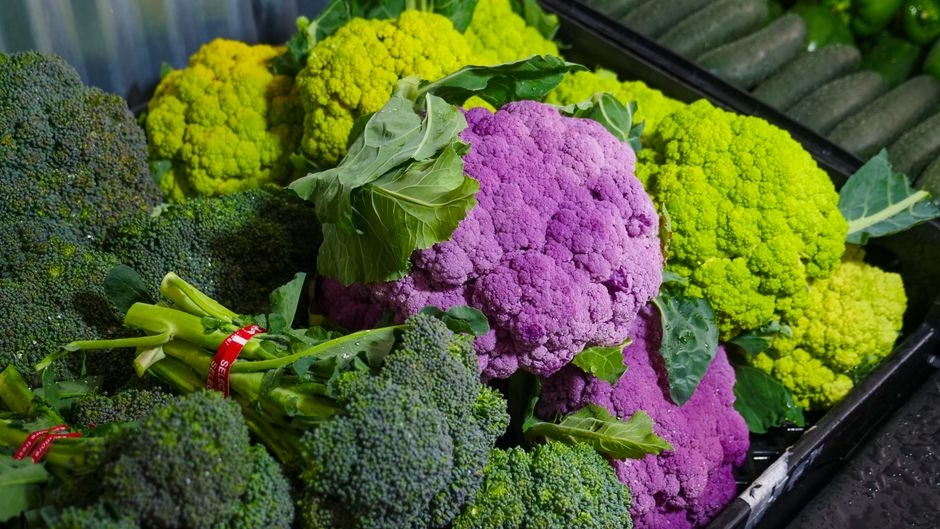
Broccoli, cauliflower, Brussels sprouts, and kale belong to the cruciferous family of vegetables. These plants are rich in sulforaphane, an antioxidant that helps fight inflammation by reducing your levels of cytokines—proteins that can drive inflammatory responses. Beyond their anti-inflammatory properties, these vegetables are loaded with vitamins, minerals, and fiber, making them an essential component of a balanced diet. Whether steamed, roasted, or tossed into a stir-fry, they offer a dense nutritional profile that supports overall wellness.
5. Turmeric
Often used in traditional cooking, turmeric is a bright yellow spice that contains a compound called curcumin. Curcumin is widely studied for its ability to help manage inflammation. While the amount of curcumin in turmeric is relatively small, it is highly effective when consumed regularly. To help your body absorb it more efficiently, try pairing turmeric with a pinch of black pepper, which contains piperine, a substance known to significantly enhance curcumin absorption. You can find many Healthy Recipes that feature this spice, from golden milk lattes to savory curries.
6. Avocados
Avocados are a nutritional powerhouse, packed with heart-healthy monounsaturated fats, fiber, potassium, and magnesium. They also contain carotenoids and tocopherols, which are linked to lower inflammation and a reduced risk of various health issues. Their creamy texture makes them a versatile addition to almost any meal. Because they are nutrient-dense and satisfying, they can also be a helpful tool for those focusing on Weight Management, as the healthy fats help you feel fuller for longer periods.
7. Green Tea
Green tea has been enjoyed for centuries, and its health benefits are well-documented. It contains a substance called epigallocatechin-3-gallate (EGCG). This antioxidant is known for its ability to inhibit inflammation by reducing cytokine production and protecting cells from damage. Switching your afternoon coffee or sugary soda for a cup of green tea is a gentle, effective way to integrate more anti-inflammatory compounds into your daily hydration habits.
8. Peppers
Bell peppers and chili peppers are loaded with vitamin C and antioxidants. Bell peppers, in particular, contain quercetin, an antioxidant that may help reduce markers of inflammation in the body. Chili peppers contain sinapic acid and ferulic acid, which have also been shown to support a healthy inflammatory response. Whether you prefer the mild crunch of a sweet red bell pepper or the fiery kick of a jalapeño, adding these to your meals is an easy way to boost your nutrient intake.
9. Dark Chocolate
Yes, you read that correctly! Dark chocolate is both delicious and nutritious. It is packed with antioxidants called flavanols, which are responsible for its anti-inflammatory effects and may help keep the cells that line your arteries healthy. To get the most benefit, look for chocolate that contains at least 70% cocoa solids. A small square or two of high-quality dark chocolate can be a satisfying way to end a meal while providing a boost of plant-based protective compounds.
10. Tomatoes
Tomatoes are a great source of lycopene, an antioxidant with impressive anti-inflammatory properties. Lycopene is particularly beneficial for heart health and may help protect against certain types of cellular stress. Interestingly, cooking tomatoes in a healthy fat, like olive oil, can help your body absorb more of the lycopene. Whether you enjoy them fresh in a salad or cooked down into a homemade pasta sauce, tomatoes are a versatile and accessible way to support your body’s natural defenses.
A Holistic Approach to Wellness
While food is a powerful pillar of health, it is important to remember that it does not work in a vacuum. Achieving a state of balance requires looking at the bigger picture. For instance, while you focus on adding these nutrient-dense foods, consider how other lifestyle factors contribute to your well-being. Ensuring you get adequate sleep, staying hydrated, and maintaining good Hygiene & Sanitation habits are all fundamental to supporting your immune system.
Furthermore, if you find yourself struggling with persistent pain, unusual fatigue, or other symptoms, it is crucial to speak with a healthcare provider. They can help you determine the root cause of your concerns and provide guidance tailored specifically to your history and health needs. Never rely solely on dietary changes to manage significant or worsening medical symptoms without professional consultation.
By viewing nutrition as one piece of a much larger puzzle, you empower yourself to make sustainable, long-term changes. Start small—perhaps by adding a side of berries to your breakfast or swapping your cooking oil for olive oil—and observe how your body feels. Consistency is far more important than perfection. Over time, these small shifts in your daily habits can contribute to a more vibrant, balanced, and energized version of yourself.
The Power of Fermented Vegetables
Incorporating fermented foods like sauerkraut, kimchi, and kefir into your daily routine provides a potent dose of probiotics. These beneficial bacteria play a crucial role in maintaining a healthy gut microbiome, which is the body’s first line of defense against systemic inflammation. When your gut lining is compromised, inflammatory compounds can leak into the bloodstream; however, the live cultures in fermented vegetables help strengthen this barrier and regulate the immune system’s inflammatory response.
The Role of Cruciferous Vegetables
Cruciferous vegetables such as broccoli, Brussels sprouts, and cauliflower are nutritional powerhouses packed with sulforaphane, an isothiocyanate that blocks enzymes that cause joint destruction and inflammation. Beyond sulforaphane, these vegetables are rich in antioxidants like vitamin C and manganese, which neutralize free radicals that would otherwise trigger oxidative stress. Regularly consuming these earthy staples provides a consistent supply of phytonutrients that help keep chronic inflammation levels low.
The Role of Fermented Foods in Gut Health
Chronic inflammation is frequently linked to an imbalance in the gut microbiome. Fermented foods like kimchi, sauerkraut, kefir, and miso are rich in probiotics, which are beneficial bacteria that help maintain a healthy intestinal lining. By strengthening the gut barrier, these foods prevent the translocation of inflammatory toxins into the bloodstream, effectively lowering systemic inflammation at its source.
The Anti-Inflammatory Power of Cruciferous Vegetables
Broccoli, cauliflower, Brussels sprouts, and kale are nutritional powerhouses that contain high concentrations of sulforaphane. This potent antioxidant compound works by inhibiting enzymes that cause joint destruction and inflammation. Furthermore, these vegetables are packed with fiber, which has been shown in clinical studies to lower C-reactive protein (CRP), a primary marker of inflammation circulating in the blood.
The Role of Fermented Foods in Gut Health
Chronic inflammation often originates in the digestive tract, where an imbalance of gut bacteria can trigger systemic immune responses. Fermented foods like kimchi, sauerkraut, kefir, and kombucha are rich in probiotics, which help diversify your microbiome and strengthen the intestinal barrier. By maintaining a healthy gut lining, these foods prevent the translocation of toxins into the bloodstream, effectively lowering the underlying inflammation that drives many chronic conditions.
Spices and Herbs as Potent Anti-Inflammatory Agents
Beyond whole foods, the strategic use of culinary herbs and spices can significantly dampen inflammatory pathways. Ginger contains gingerols, compounds known to inhibit the production of pro-inflammatory cytokines, while rosemary is rich in carnosic acid, which protects cells from oxidative damage. Incorporating fresh herbs like cilantro and parsley, or dried spices like cloves and cinnamon, into your daily meals provides a concentrated dose of antioxidants that neutralize free radicals before they can cause cellular irritation.
This article is for general educational purposes and is not a substitute for professional medical advice. Always consult a qualified healthcare provider about your individual health needs.