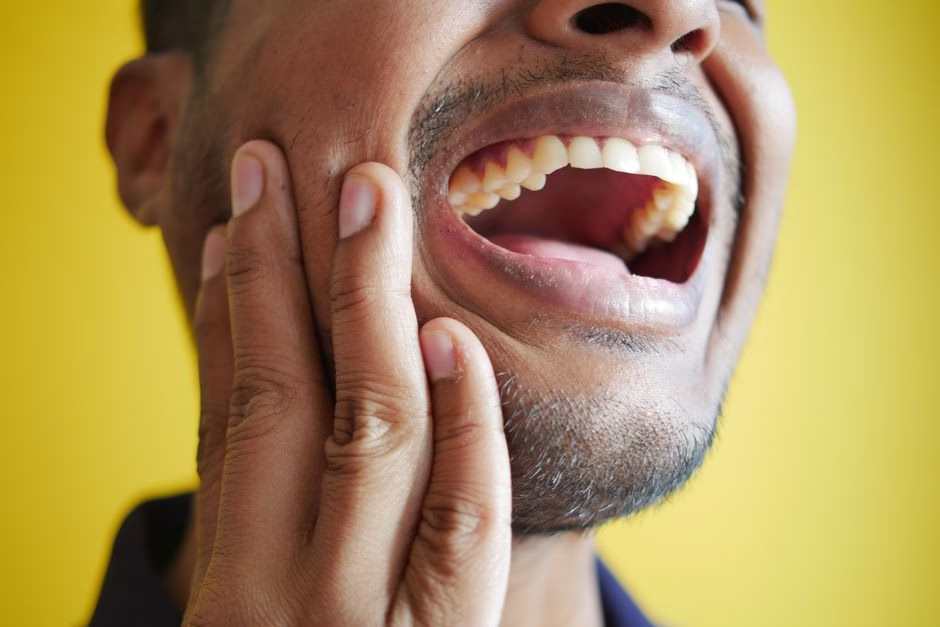
The Surprising Link Between Sinuses and Teeth
Many of us have experienced the discomfort of a sinus infection, also known as sinusitis. You might be familiar with the classic symptoms: a stuffy nose, facial pressure, headaches, and a general feeling of being unwell. However, one symptom that often catches people off guard is tooth pain. It can feel like a genuine dental emergency, leading many people to call their dentist, only to discover that their teeth are perfectly healthy. This connection is not a coincidence; it is rooted in the simple anatomy of your skull.
The maxillary sinuses are located directly behind your cheekbones, just above your upper teeth. In many people, the roots of the upper teeth actually sit very close to, or even protrude slightly into, the floor of these sinus cavities. When your sinuses become inflamed due to an infection, cold, or allergies, the delicate tissues lining these cavities swell. Because there is so little space between the sinuses and the tooth roots, this inflammation can put pressure on the nerves of your teeth. This pressure is often interpreted by your brain as a toothache, even though the source of the problem is happening several millimeters higher in your facial structure.
Identifying the Symptoms of Sinus-Related Tooth Pain
Distinguishing between a dental issue and sinus-related pain can be tricky, but there are often clear signs that point toward a sinus origin. Typically, sinus-related tooth pain is characterized by a dull, throbbing ache that affects multiple upper teeth at once, rather than one specific tooth. If you notice that your tooth pain is accompanied by other common sinus symptoms, it is a strong indicator that your sinuses are involved.
Common symptoms that often accompany this type of tooth pain include nasal congestion or a runny nose, yellow or green nasal discharge, facial tenderness or pressure around the eyes and nose, and a reduced sense of smell or taste. Additionally, you might notice that the pain gets worse when you bend over or lie down, as these positions shift the fluid and pressure within your sinuses. If you have been feeling generally run-down, or if you have had a recent cold that seems to be lingering, these are classic signs that your tooth pain is a byproduct of sinus inflammation rather than a cavity or gum disease.
When to See a Professional
While it is helpful to understand the connection between your sinuses and your teeth, it is important to remember that you should not attempt to self-diagnose your condition. Dental pain can be complex, and ignoring a genuine dental issue—like an abscess or deep decay—can lead to serious complications. If you are experiencing significant pain, it is always best to consult with a qualified healthcare professional, whether that is your primary care physician or your dentist.
A doctor or dentist can perform an examination to determine the root cause of your discomfort. They may use imaging or physical tests to check for sinus inflammation or dental decay. If the pain is persistent, severe, or accompanied by a high fever, you should seek medical attention promptly. Furthermore, if you notice swelling in your face, difficulty breathing, or vision changes, these are signs that you need immediate medical evaluation. Your health is a priority, and getting a professional opinion ensures that you receive the correct treatment for your specific situation.
Managing Sinus Pressure at Home
If a healthcare professional confirms that your tooth pain is indeed caused by a sinus infection, there are several gentle ways to manage your symptoms at home while you recover. The goal is to reduce inflammation and help your sinuses drain more effectively. Many people find relief by using a warm compress on their face, which can help soothe the aching sensation in the cheeks and teeth. Staying well-hydrated is also essential; drinking plenty of water helps thin the mucus in your nasal passages, making it easier to clear.
Maintaining good Hygiene & Sanitation habits, such as washing your hands frequently and avoiding irritants like cigarette smoke, can prevent further irritation to your nasal passages. Some people also find relief by using a saline nasal spray or a neti pot to flush out the sinuses, though it is important to use sterile or distilled water according to the instructions provided by your doctor or pharmacist. Creating a steamy environment, perhaps by taking a warm shower or using a humidifier, can also provide significant relief for congested airways.
The Role of Lifestyle in Respiratory Health
While sinus infections are often caused by viruses, the state of your overall health can influence how your body responds to these challenges. Paying attention to your Nutrition & Diet is a foundational step in supporting your immune system. Consuming a variety of nutrient-dense foods, including fruits, vegetables, and lean proteins, provides your body with the vitamins and minerals it needs to function optimally. While no single food can prevent a sinus infection, a well-rounded diet keeps your defenses strong.
Additionally, incorporating gentle Exercise & Fitness routines into your daily life can help improve circulation and support overall well-being. When you feel up to it, light movement can help you feel better, though it is important to listen to your body and rest when you are actively fighting an infection. Physical activity, when balanced with adequate rest, is a key component of a healthy lifestyle that helps you navigate periods of illness more effectively.
The Importance of Mental Well-being
It is easy to overlook the impact that physical discomfort has on your Mental Health. Chronic pain, even when it is temporary, can lead to frustration, anxiety, and a feeling of being worn out. When you are dealing with a sinus infection that makes it hard to sleep or eat comfortably, it is normal to feel irritable or overwhelmed. Being gentle with yourself during these times is crucial. Recognize that your body is working hard to heal, and give yourself permission to step back from your usual responsibilities.
If your sinus issues become chronic, the ongoing pain can start to affect your mood and daily outlook. In these cases, finding healthy ways to manage your headspace is important. Whether it is through simple breathing exercises, reading a book, or just sitting quietly, protecting your emotional state is just as important as treating the physical symptoms. Remember that most sinus infections are temporary, and with proper care, you will likely start feeling like yourself again soon.
Preventing Future Sinus Issues
While you cannot always prevent a sinus infection, you can take steps to minimize your risk. Allergies are a major trigger for sinus inflammation, so identifying and managing your triggers is a great place to start. If you are prone to seasonal allergies, talk to your doctor about long-term management strategies. Keeping your home environment clean by regularly dusting and washing bedding can also reduce the presence of allergens that might irritate your sinuses.
Another important factor is Stress Management. Chronic stress can impact your immune system, potentially making you more susceptible to the viruses that cause sinus infections. Finding sustainable ways to decompress—whether through mindfulness, hobbies, or social connection—can help keep your stress levels in check. By focusing on these proactive habits, you are not just caring for your sinuses; you are supporting your entire body’s ability to stay resilient in the face of common health challenges.
Summary and Final Thoughts
The sensation of tooth pain during a sinus infection is a classic example of how interconnected our body systems truly are. While it can feel alarming to experience pain in your teeth, knowing that it is likely a result of the pressure in your maxillary sinuses can provide some reassurance. Focus on keeping your sinuses clear, staying hydrated, and supporting your body through healthy habits and rest.
Always remember that persistent or worsening symptoms warrant a visit to a healthcare provider. They can provide an accurate diagnosis, rule out dental concerns, and guide you toward the most effective relief. By taking a comprehensive approach to your health—balancing physical care, nutrition, and mental well-being—you can better navigate these uncomfortable, yet temporary, health hurdles. If you find yourself frequently struggling with these symptoms, do not hesitate to reach out for professional advice to help you find a long-term solution that keeps you breathing easily and smiling comfortably.
The Role of Sinus Pressure in Triggering Tension Headaches
Beyond localized tooth discomfort, the inflammation associated with sinus infections often triggers secondary tension headaches that can mask or intensify dental pain. When your maxillary sinuses become congested, the resulting pressure can radiate upward and outward, tightening the muscles in your jaw and temples. This muscular tension often exacerbates existing dental sensitivity, making it difficult to distinguish between a toothache caused by decay and one caused by referred pain from your sinuses. Recognizing this link is vital, as treating the underlying sinus congestion with steam inhalation or saline irrigation can often alleviate both the dental-like ache and the accompanying tension headache simultaneously.
Diagnostic Clues: How to Differentiate Sinus-Related Pain from Dental Issues
Distinguishing between an odontogenic (tooth-originating) issue and sinus-related referred pain is essential for choosing the right treatment path. A primary indicator of a sinus-related issue is that the pain typically affects multiple upper teeth on one or both sides rather than a single, isolated tooth. Furthermore, sinus-related dental pain often intensifies when you change positions, such as bending over or lying down, due to the shifting of fluid within the sinus cavities. If you notice that your tooth pain is accompanied by other classic sinus symptoms—such as nasal discharge, a diminished sense of smell, or a feeling of fullness in the ears—it is highly probable that your teeth are merely collateral victims of sinus inflammation rather than the source of the problem.
This article is for general educational purposes and is not a substitute for professional medical advice. Always consult a qualified healthcare provider about your individual health needs.