If you’re wondering, “How much fiber do I need for constipation?” you’re not alone. Many people face occasional constipation, which is when it’s tough to have a bowel movement or it happens less often than you’d like. Fiber is a natural substance found in many foods, and it plays a significant role in digestive health. By understanding how much fiber you need, you can find a way to make your digestive system happier and healthier. This article is designed to help you navigate the fiber landscape with practicality and care.
So why might this question pop up in your mind? If you’ve been experiencing discomfort in your stomach or having trouble going to the bathroom, it’s totally normal to seek out answers. Fiber is known to help keep things moving smoothly in your digestive system. If you’re curious about how much fiber is right for you to alleviate constipation or just support your gut health, you’re in the right place!
What Does This Mean?
Fiber is a type of carbohydrate that our bodies can’t digest. While most carbs break down into sugar molecules, fiber passes through our digestive system mostly intact. There are two main types of fiber:
- Soluble Fiber: This type dissolves in water and can help manage cholesterol levels, improve blood sugar, and assist with constipation by forming a gel-like substance in the gut.
- Insoluble Fiber: This type does not dissolve in water and adds bulk to your stool. It can help food move through your digestive tract more quickly.
Fiber plays a key role in your digestive health, especially when it comes to preventing or relieving constipation. In general, adults should aim for a daily fiber intake of about 25 grams for women and 38 grams for men, according to the Institute of Medicine. However, individual needs may vary.
Why Does This Happen?
Constipation can be influenced by many factors, and fiber is a crucial player in the game. One possible reason you may experience constipation could be a low intake of fiber as part of your regular foods. Increasing fiber intake gradually can help the digestive system adjust, as a sudden increase can sometimes lead to bloating or gas.
Another common factor might be inadequate hydration. If you’re eating fiber-rich foods but not drinking enough water, your stools can become hard and difficult to pass. In some cases, lifestyle habits, such as a lack of physical activity or high-stress levels, can also contribute to constipation. Research suggests that engaging in regular exercise can help stimulate digestion and alleviate constipation.
Common Causes
Several conditions and habits might affect your fiber needs and contribute to constipation:
- Poor Diet: A diet low in fruits, vegetables, and whole grains can lead to insufficient fiber intake. Watching your fiber intake is essential in managing constipation, so consider adding more fruits, vegetables, legumes, and whole grains to your meals.
- Dehydration: When you’re not drinking enough fluids, your body pulls water from your bowel to keep you hydrated, which can lead to harder, more difficult stools. Make sure you stay hydrated, especially when increasing fiber in your diet.
- Lack of Physical Activity: Regular movement can help your digestive system work more efficiently. If you have a sedentary lifestyle, small changes like daily walks can make a difference.
- Medications: Some over-the-counter or prescription medications can have constipation as a side effect. If you suspect a medication may be holding you back, consult your healthcare provider.
Signs and Symptoms to Watch For
Common signs of constipation can include:
- Straining during bowel movements
- Hard or lumpy stools
- A feeling of blockage or incomplete evacuation
- Less than three bowel movements per week
Occasional constipation is often not a cause for concern, but if you notice severe discomfort, persistent symptoms lasting more than a week, or accompanying symptoms like abdominal pain or blood in your stool, it’s time to consult a healthcare professional.
What Can Make it Worse?
Several factors can contribute to or worsen constipation:
- Poor Dietary Choices: Consuming process-heavy foods, fried foods, and snacks high in sugar can decrease fiber intake.
- Not Drinking Enough Water: Hydration is crucial when consuming fiber. Aim for about 8 cups (64 ounces) of water per day, or more if you’re physically active or in hot weather.
- Skipping Meals: Regular meals help maintain your digestive rhythm. If you’re skipping meals, this may disrupt your normal bowel function.
- Stress: High-stress levels can impact digestion and contribute to constipation. Incorporating relaxation techniques like mindfulness may help.
Foods and Drinks Related to the Topic
Here’s a rundown of foods that can either boost your fiber intake or keep things from running smoothly:
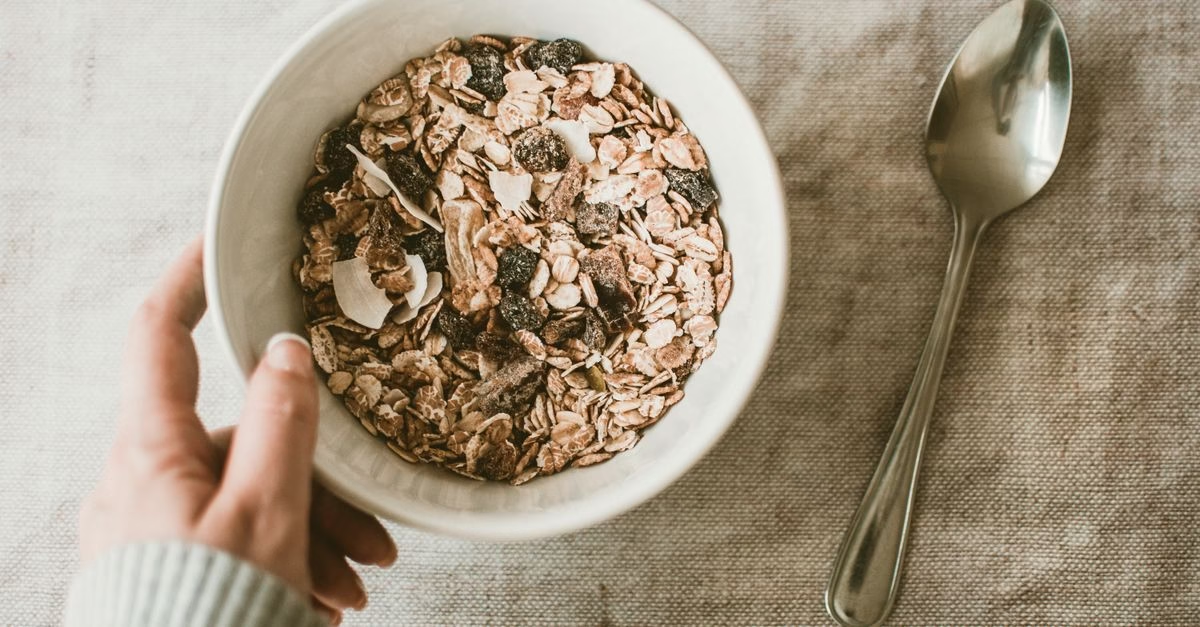
- Fiber-Rich Foods: Foods like fruits (like berries and apples), vegetables (such as broccoli and carrots), whole grains (oats and brown rice), and legumes (beans and lentils) are excellent sources of fiber and can help with regularity.
- Processed Foods: Many junk foods and snacks can hinder fiber intake. It’s good to keep these in moderation.
- Fluids: Drinking enough water and other fluids can help soften your stool, making it easier to pass.
Everyone’s body reacts differently to food, so it’s essential to monitor how certain foods affect you personally.
What Can We Do?
Taking action toward better digestive health is within reach! Here are some practical steps you can consider:
- Increase Fiber Gradually: Start by adding one high-fiber food to your diet every few days. This eases your digestive system into higher fiber consumption.
- Stay Hydrated: Pair your fiber intake with plenty of water. This combination supports healthy digestion.
- Be Active: Incorporate some physical activity into your routine, whether it’s walking, jogging, or stretching. Regular movement can keep digestion on track.
- Create a Routine: Establish regular meal times and try to have bowel movements at the same times each day. Consistency can promote regularity.
When Should You See a Doctor?
If you’re implementing these changes and still struggling with constipation, it might be time to talk to a healthcare professional. Certain warning signs signal when you should seek medical advice:
- Severe or long-lasting abdominal pain
- Blood in your stool
- Unexplained weight loss
- Persistent vomiting
- Changes in bowel habits that last for more than 2 weeks
Frequently Asked Questions
Why am I always constipated?
Chronic constipation may stem from low fiber intake, dehydration, inactivity, or certain medications. If you’re consistently having trouble, it’s best to consult a healthcare professional.
Can food cause constipation?
Yes! Diet plays a significant role in digestive health. A low-fiber diet, along with processed foods, can contribute to constipation.
When should I worry about constipation?
Worry if you experience severe pain, blood in your stool, or persistent symptoms that do not improve with dietary changes. These can be signs of other health issues.
How quickly can fiber help with constipation?
Increasing fiber can help regulate bowel movements, but it might take a few days to see noticeable changes. Be patient as your body adjusts.
Are there risks with high fiber intake?
While fiber is beneficial, too much too quickly can lead to gas, bloating, and discomfort. Aim for a gradual increase and adequate hydration.
Is fiber good for everyone?
Fiber is generally recommended for most people, but some conditions may require dietary adjustments. Consulting a healthcare professional is wise if you have specific health concerns.
Are supplements necessary for fiber intake?
While supplements can help some individuals, getting fiber from whole foods is generally recommended due to added nutrients and health benefits.
Do I need different fibers for different concerns?
Both soluble and insoluble fibers can benefit your digestive health, but they work in different ways. Mixing them in your diet can yield the best results.
What the Research Says About How Much Fiber Do I Need for Constipation?
Research supports the idea that a balanced fiber intake can help alleviate constipation. A study published in the American Journal of Gastroenterology highlights that increasing fiber improves overall bowel habits and decreases constipation incidence.
According to the National Institute of Diabetes and Digestive and Kidney Diseases, meeting daily fiber recommendations can make a significant difference in digestive comfort. However, the type of fiber consumed and individual health status can also play roles in effectiveness.
Simple Daily Habits That May Support Better Health
Building healthy habits can help support your digestive health:
- Try cooking more meals at home to incorporate whole foods.
- Keep a water bottle with you to remind yourself to stay hydrated.
- Add a vegetable or fruit to every meal.
- Aim for small amounts of physical activity each day.
Final Thoughts
Finding the right amount of fiber to help with constipation can make a world of difference. We often overlook the simple changes we can make to improve our digestive health. By gradually increasing fiber intake, staying hydrated, and incorporating regular exercise into our lives, we can support better bowel function and overall well-being. Remember, if you experience persistent issues or serious symptoms, it’s always best to connect with a qualified healthcare professional who can support your individual needs.
Sources and References
National Institutes of Health: Fiber in diet. Updated June 25, 2021.
https://ods.od.nih.gov/factsheets/Fiber-HealthProfessional/
NIDDK: Definition & Facts for Constipation. Updated April 2022.
https://www.niddk.nih.gov/health-information/digestive-diseases/constipation/definition-facts
Cleveland Clinic: Dietary Fiber: A Nutrient to Help With Constipation. Updated January 2023.
https://health.clevelandclinic.org/what-is-fiber/
Mayo Clinic: Constipation: Home remedies. Last updated December 2022.
https://www.mayoclinic.org/diseases-conditions/constipation/in-depth/home-remedies/art-20024044
Medical Disclaimer
This article is for general educational and informational purposes only. It is not intended to provide medical advice, diagnosis, or treatment. Health conditions can affect people differently, and information that is appropriate for one person may not be appropriate for another. If you have persistent, severe, or concerning symptoms, speak with a qualified healthcare professional for personalized advice.
Further Reading
Ivf Shot Schedule: 10 Things You Should Know
Omeprazole and Alcohol: Is It Safe to Mix?
what does a growth spurt in pregnancy feel like
Photo by Lisa Fotios on Pexels.