Key Takeaways
- Understand how tooth roots and sinus cavities are physically linked.
- Learn to differentiate between a standard cold and a dental-related sinus issue.
- Recognize the warning signs that require immediate professional dental attention.
- Discover how dentists and doctors diagnose and treat these common infections.
Understanding the Connection Between Teeth and Sinuses
It is not uncommon for people to feel confused when a toothache coincides with congestion. If you are researching infected tooth dental sinus infection symptoms, you are likely noticing a specific type of pressure that seems to bridge the gap between your upper jaw and your nasal passages. This connection exists because the roots of your upper teeth often sit very close to, or sometimes even poke into, the floor of your maxillary sinuses.
When a tooth becomes infected, usually due to deep decay, a crack, or advanced gum disease, the bacteria can spread beyond the root tip. Because of the proximity of these roots to the sinus cavity, this inflammation can easily trigger a secondary sinus infection. This is medically referred to as odontogenic sinusitis. Understanding this relationship is the first step toward getting the right treatment for your discomfort.
This guide provides general information to help you identify the signs of a dental-related sinus issue. Please remember that this information is not a substitute for professional medical or dental advice. If you are in pain, it is essential to schedule an appointment with a healthcare professional to receive an accurate diagnosis and appropriate care.
Recognizing Infected Tooth Dental Sinus Infection Symptoms
The symptoms of a sinus infection caused by a tooth are often distinct from those caused by a common cold or allergies. While a regular sinus infection usually affects both sides of the nose, a dental-related sinus infection is frequently localized to one side of the face. This is because the infection is typically tethered to a single problematic tooth.
Common signs include a persistent, dull ache in the upper teeth, particularly when you bend over or move your head. You might also notice a foul taste in your mouth or a persistent bad breath that does not improve with brushing or flossing. These indicators suggest that the source of the infection is located in the oral cavity rather than the nasal passages themselves.
Other key symptoms include:
- Tenderness or swelling in the cheek area near the affected tooth.
- Increased sensitivity to hot or cold temperatures in specific upper teeth.
- Pressure or a feeling of fullness in the cheekbone area.
- Nasal discharge that is thick, yellow, or green, often accompanied by a foul odor.

How Dentists Diagnose Dental Sinus Issues
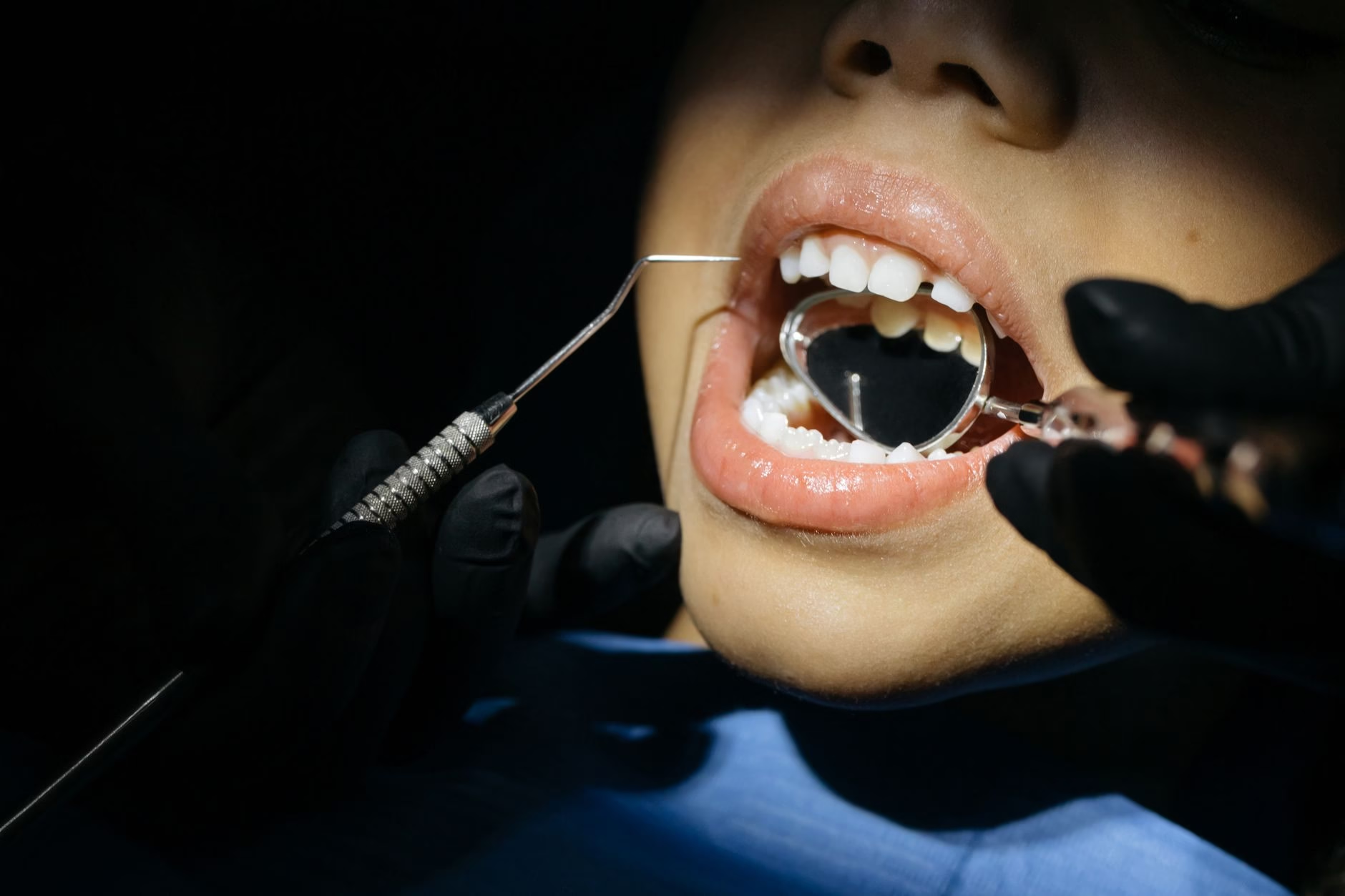
When you visit your dentist with these concerns, they will perform a comprehensive examination to determine if the infection is truly dental in origin. They will likely start by taking a detailed medical history, asking about the duration and intensity of your pain, and checking for any recent dental work or trauma to the area.
Diagnostic imaging is a crucial part of this process. A standard dental X-ray can often reveal an abscess at the tip of a tooth root, which is a common precursor to sinus involvement. In more complex cases, your dentist might recommend a panoramic X-ray or even a CT scan to get a clearer, three-dimensional view of the relationship between your tooth roots and the maxillary sinus floor.
Beyond imaging, the dentist will perform physical tests. They might gently tap on your teeth to see if specific ones react with pain, which helps pinpoint the source. They may also test the vitality of the tooth pulp to determine if the nerve inside the tooth is dying, as a necrotic nerve is a primary driver for bacterial growth that migrates into the sinus cavity.
Comparing Dental and Non-Dental Sinus Infections
Distinguishing between an infection caused by a tooth and one caused by a virus can be tricky. Use the following table to help observe the patterns of your symptoms.
| Feature | Typical Viral Sinusitis | Dental-Related Sinusitis |
|---|---|---|
| Location | Usually bilateral (both sides) | Usually unilateral (one side) |
| Pain Source | General facial pressure | Localized to specific upper teeth |
| Bad Breath | Less common | Very common |
| Trigger | Cold or allergy symptoms | Tooth decay or gum disease |

Treatment Options and Procedures
Treating a dental-related sinus infection requires addressing the underlying tooth issue. If the infection is caused by a tooth abscess, your dentist will likely recommend a root canal treatment. This procedure involves removing the infected tissue from inside the tooth, disinfecting the canals, and sealing them to prevent further bacterial invasion.
In some cases, if the tooth is severely damaged or decayed beyond repair, an extraction may be necessary. Once the source of the infection is removed, the body is generally capable of clearing the remaining inflammation in the sinus cavity. Your dentist may also coordinate with an ear, nose, and throat specialist if the sinus infection is severe or chronic.
Antibiotics are sometimes prescribed to help control the spread of infection, but they are not a cure for the dental problem itself. It is vital to complete the full course of any prescribed medication, even if you start feeling better, to ensure the bacteria are fully eradicated. Always follow the specific guidance provided by your healthcare team.
The Importance of Preventive Oral Care
Preventing dental-related sinus infections begins with excellent daily oral hygiene. Brushing twice a day with fluoride toothpaste and flossing once daily are the foundations of keeping your teeth and gums healthy. These habits prevent the buildup of plaque and tartar, which are the primary causes of tooth decay and gum disease.
Regular dental checkups are equally important. During these visits, your dentist can detect early signs of decay or gum inflammation before they progress into a serious infection. By addressing small cavities early, you significantly reduce the risk of developing an abscess that could eventually impact your sinus health.
Diet also plays a role in your oral health. Limiting sugary snacks and beverages reduces the fuel available for bacteria to create acids that erode tooth enamel. Choosing a balanced diet rich in vitamins and minerals supports your overall immune system, making it easier for your body to fight off minor infections before they become major health concerns.

When to Seek Emergency Care
Certain symptoms indicate that an infection has spread or is becoming dangerous. You should seek emergency medical care if you experience a high fever, difficulty breathing or swallowing, or significant swelling that extends to your eye or neck. These can be signs of a systemic infection that requires immediate intervention.
Do not ignore a toothache that seems to subside temporarily, as this can sometimes indicate that the nerve has died, but the infection remains active and is spreading into surrounding tissues. If you feel a sudden increase in pain or notice a discharge of pus in your mouth, contact your dentist or go to an urgent care clinic immediately.
Being proactive about your oral health is the best way to avoid these complications. If you notice any persistent discomfort, even if it feels minor, schedule a consultation with your dental provider. Early detection is the key to preventing long-term damage and maintaining your comfort and well-being.
Frequently Asked Questions
Can a sinus infection cause a toothache?
Yes, it is possible. When your sinuses are inflamed and filled with fluid, they can put pressure on the roots of your upper teeth, leading to a sensation of a toothache. However, this is usually temporary and resolves as the sinus infection clears.
How do I know if my toothache is from a sinus infection?
If your toothache is accompanied by nasal congestion, facial pressure, and occurs on both sides, it is more likely sinus-related. If the pain is localized to one tooth and you have a bad taste in your mouth, it is more likely a dental infection.
Will a sinus infection go away without antibiotics?
Many viral sinus infections resolve on their own with rest, hydration, and over-the-counter symptom management. However, if the infection is bacterial and originates from a tooth, it will likely require professional dental treatment and potentially antibiotics to resolve.
Can I treat a dental sinus infection with home remedies?
Home remedies like saltwater rinses or steam inhalation can provide temporary comfort for symptoms, but they will not treat the underlying dental infection. You must see a dentist to address the root cause, such as a cavity or abscess.
The Bottom Line
Infected tooth dental sinus infection symptoms are a clear signal that your body needs attention. Because of the anatomical proximity between your upper teeth and your sinus cavities, dental issues can easily manifest as sinus discomfort. Recognizing the signs early, such as localized pain, bad breath, and one-sided facial pressure, can help you seek the right care quickly. Always prioritize professional diagnosis and treatment over home management to ensure the infection is fully resolved and to protect your long-term health.