Key Takeaways
- Hydration is fundamental to maintaining smooth digestion and supporting a healthy gut microbiome.
- Probiotic-rich drinks like kefir and kombucha can introduce beneficial bacteria to your digestive system.
- Herbal teas like ginger and peppermint offer soothing relief for common digestive discomforts like bloating.
- Limit processed sugars and excessive alcohol as they can disrupt the delicate balance of gut bacteria.
Best Drinks for Gut Health
If you’re curious about the best drinks for gut health, you’re in the right place! Gut health is something many people are starting to pay more attention to, and it’s no wonder why. When our gut is healthy, we often feel better overall, which might include improved mood, better digestion, and more energy. Sometimes, however, our gut can feel off, and finding the right drinks might help us feel more balanced. So, let’s dive into what drinks can support your digestive health and maybe help you feel a little more at ease.
It might seem overwhelming to choose the right drink, especially when there are so many options out there. But remember, we all have different bodies, and what works for one person may not work for another. The good news is that numerous beverages can help promote a healthy gut. By understanding what these drinks are and how they work, you can make informed choices that suit your individual needs.
What Does This Mean?
When we talk about the best drinks for gut health, we’re focusing on beverages that can promote the balance of bacteria in your gut, often referred to as the gut microbiome. The gut microbiome is the community of microorganisms living in your digestive tract, which plays a crucial role in digesting food, supporting your immune system, and even affecting your mood. If you’re searching for the best drinks for gut health, you might be looking for ways to support this delicate balance of good bacteria.
Some important terms to know include “prebiotics” and “probiotics.” Prebiotics are non-digestible fibers that feed the good bacteria in your gut. Probiotics, on the other hand, are live bacteria found in certain foods and drinks that can add more friendly bacteria to your gut. Together, they contribute to a healthy digestive system.
Why Does This Happen?
There are a variety of reasons why someone might be interested in drinks that promote gut health. One possible reason could be an upset stomach or discomfort after meals. Another common reason might be wanting to boost overall well-being. Our gut can become imbalanced due to stress, poor diet, or even illness. Research suggests that a healthy gut can lead to improved digestion, reduced bloating, and enhanced immunity.
In some people, certain drinks can trigger digestive issues, while others may find relief in them. Choosing the right beverages can sometimes mean the difference between feeling sluggish and feeling vibrant!
Common Causes
Let’s take a closer look at some common factors that can affect gut health, particularly how certain drinks may play a role:
1. Diet
What we consume daily greatly influences our gut health. Diets high in processed foods, sugars, and unhealthy fats can disrupt the balance of gut bacteria. In contrast, incorporating drinks rich in fiber and probiotics can help nourish your gut.
2. Hydration
Staying hydrated is crucial for digestion. When we drink enough water, it helps food move through our intestines smoothly. Dehydration can lead to constipation, which is uncomfortable and might impact your gut health negatively.
3. Stress
Stress can affect your body’s ability to digest food properly. It can lead to digestive issues like bloating and gas. Drinks like herbal teas can have calming effects, which may help manage stress levels.
4. Alcohol
Excessive alcohol consumption can harm the gut lining and lead to imbalances in gut bacteria. Moderation is key. Choosing gut-friendly drinks over time may contribute to better health.
Signs and Symptoms to Watch For
As we consider the best drinks for gut health, it’s essential to understand some common symptoms that might indicate an issue:
- Occasional bloating or gas after meals
- Irregular bowel movements (constipation or diarrhea)
- Unintended weight changes
- Fatigue or lack of energy
While occasional discomfort can happen to anyone, persistent or severe symptoms may warrant a discussion with a healthcare professional. It’s always a good idea to listen to your body.
What Can Make It Worse?

There are many lifestyle and dietary factors that can impact gut health negatively. Understanding these can help you make better choices:
- Poor Dietary Choices: Consuming lots of processed foods, sugar, or unhealthy fats may contribute to gut issues.
- Unhealthy Eating Habits: Eating too quickly or skipping meals can hinder digestion.
- Lack of Physical Activity: Regular movement can aid digestion and gut function.
- Inadequate Sleep: Sleep is vital for overall health, including gut health. Poor sleep can disrupt gut microbiome balance.
- Smoking: Tobacco can negatively impact gut health and overall wellness.
Foods and Drinks Related to the Topic
Now that we’ve discussed what can affect gut health, let’s dive into some specific drinks that may help:
1. Water
Plain old water is essential for digestion. It helps break down food and allows nutrients to be absorbed. Aim for around 8 glasses a day, but listen to your body and adjust that amount as needed.
2. Herbal Teas
Herbal teas, such as ginger or peppermint, are known for their soothing properties. Ginger tea can help alleviate nausea, while peppermint may ease bloating and cramping.
3. Kefir
Kefir is a fermented drink made from milk or plant-based alternatives packed with probiotics. It may help support gut health and improve digestion.
4. Kombucha
This effervescent drink is made from fermented tea and contains both probiotics and organic acids. Some people enjoy it for its refreshing taste and digestive benefits.
5. Bone Broth
Bone broth is rich in nutrients and collagen, which may help support gut lining health. It’s often enjoyed as a warm drink, making it comforting and nourishing.
6. Vegetable Juices
Fresh vegetable juices, especially those made from leafy greens and beets, can be a great source of vitamins and minerals that may support gut health.
Remember, everyone’s body responds differently to certain foods and drinks, so it’s important to pay attention to how you feel after consuming them.
What Can We Do?
Here are some practical steps to consider when looking to improve your gut health through drinks:
- Start your day with water: Begin your mornings with a glass of water to kickstart digestion.
- Experiment with herbal teas: Try a new herbal tea daily to find ones that soothe your stomach.
- Choose probiotic-rich drinks: Introduce kefir or kombucha to your diet a few times a week.
- Stay mindful of hydration: Track your water intake to ensure you’re drinking enough daily.
- Limit sugary beverages: Opt for water or herbal teas over sugary sodas or energy drinks.
These small, consistent changes may help support your gut health over time, but remember that everyone’s journey is different.
When Should You See a Doctor?
If you’re experiencing any of the following symptoms, consider reaching out to a healthcare professional:
- Severe or persistent abdominal pain
- Blood in stool
- Unexplained weight loss
- Persistent vomiting
- Difficulty swallowing
- Fever or severe weakness
These symptoms can be signs of more serious conditions that require medical attention. Listening to your body is key!
Frequently Asked Questions
Why are drinks important for gut health?
Drinks play a critical role in hydration, nutrient absorption, and can introduce beneficial probiotics into your gut.
Can I improve gut health just by drinking certain beverages?
While specific drinks may support gut health, a well-rounded diet and healthy lifestyle are equally important.
Do all fermented drinks help gut health?
Not all fermented drinks are created equal. Choose products with live cultures for potential benefits.
Is it safe to drink kombucha every day?
For most people, moderate consumption of kombucha is safe. However, it’s wise to listen to your body and consult a healthcare provider for personalized advice.
How can I tell if a drink is good for gut health?
Look for beverages with probiotics, prebiotics, fiber, and minimal added sugars.
Are smoothies beneficial for gut health?
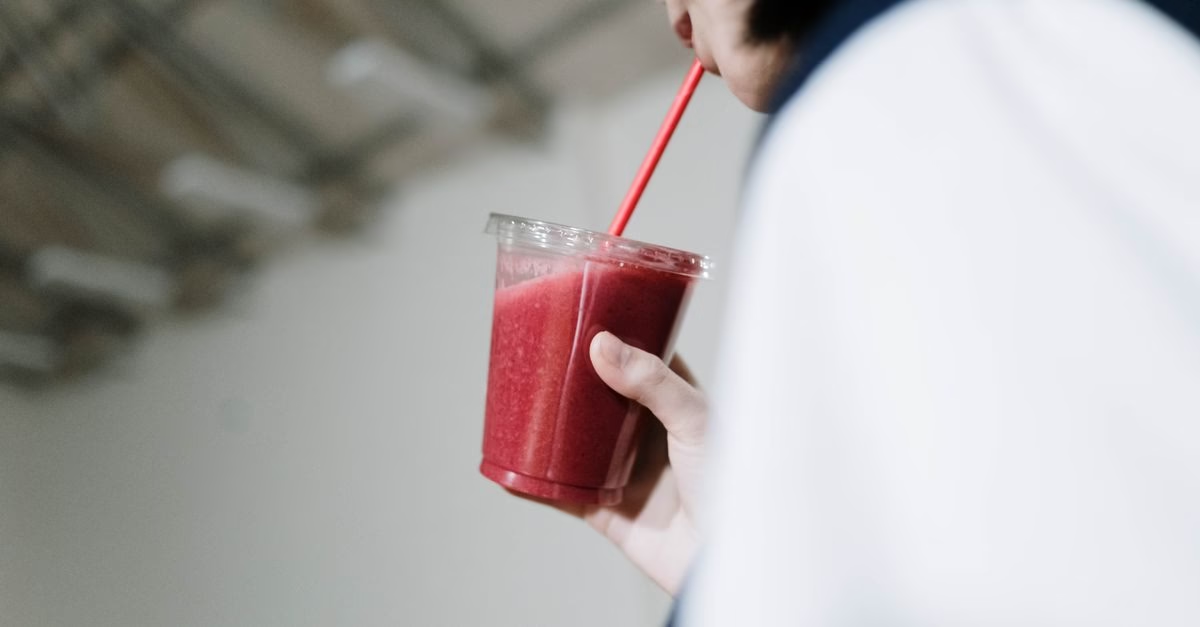
Yes, smoothies made with gut-friendly ingredients can provide essential nutrients and promote digestive health!
Can dehydration affect gut health?
Absolutely! Dehydration can lead to constipation and other digestive issues.
Should I avoid caffeine?
Moderation is key. Some people tolerate caffeine well, while others may find it bothersome to their gut. Pay attention to your body.
What the Research Says About Best Drinks for Gut Health
Recent research highlights the importance of hydration and the intake of prebiotics and probiotics in maintaining gut health. For instance, a systematic review published by the Harvard T.H. Chan School of Public Health suggests that fermented foods rich in probiotics can positively influence gut bacteria and overall health.
Moreover, a study in the American Journal of Gastroenterology indicates that dietary fiber, commonly found in certain drinks and foods, helps stimulate the growth of beneficial gut bacteria. It’s essential to understand that while research supports these findings, individual responses can vary.
Simple Daily Habits That May Support Better Health
Here are some simple habits to integrate into your daily life for better gut health:
- Drink a glass of water first thing in the morning.
- Experiment with different types of herbal teas.
- Consider making your own smoothies or juices at home.
- Limit sugary drinks and opt for water or herbal infusions.
Small changes can lead to substantial improvements when it comes to supporting a healthy gut!
Final Thoughts
Your journey toward better gut health can be enjoyable and rewarding! By understanding the best drinks for gut health and making informed choices, we pave the way toward feeling our best. Staying hydrated, trying new beverages, and being mindful of how different drinks affect our bodies are all great steps to take.
It’s essential to remember that everyone’s digestive journey is unique. Some people might flourish with certain drinks while others may not experience the same benefits. Listening to our bodies and recognizing when something doesn’t feel right is key. If you notice persistent or severe symptoms, it’s always best to consult with a healthcare professional.

Let’s embrace the opportunity to explore the world of gut-friendly drinks together. By discovering what works best for our own health, we can support our bodies and enjoy life to its fullest!
Sources and References
Harvard T.H. Chan School of Public Health: The Nutrition Source: Probiotics. Updated March 2022. https://www.hsph.harvard.edu/nutritionsource/probiotics/
Cleveland Clinic: Probiotics: What You Should Know. Updated September 2023. https://my.clevelandclinic.org/health/articles/19432-probiotics
Mayo Clinic: Gut health: What you need to know. Updated June 2023. https://www.mayoclinic.org/healthy-lifestyle/nutrition-and-healthy-eating/in-depth/gut-health/art-20045319
American Gastroenterological Association: Dietary Fiber: A Key to Gut Health. 2023. https://www.gi.org/topics/dietary-fiber
National Institutes of Health: Gut Microbiome. 2023. https://www.ncbi.nlm.nih.gov/books/NBK453295/

Medical Disclaimer
This article is for general educational and informational purposes only. It is not intended to provide medical advice, diagnosis, or treatment. Health conditions can affect people differently, and information that is appropriate for one person may not be appropriate for another. If you have persistent, severe, or concerning symptoms, speak with a qualified healthcare professional for personalized advice.
Further Reading
Ivf Shot Schedule: 10 Things You Should Know
Omeprazole and Alcohol: Is It Safe to Mix?
what does a growth spurt in pregnancy feel like
Photo by cottonbro studio on Pexels.
Frequently Asked Questions
Can carbonated water help with gut health?
Plain sparkling water is a good way to stay hydrated without added sugar. However, some people find that carbonation can cause gas or bloating, so observe how your own body responds.
Is drinking apple cider vinegar good for the gut?
Some people believe apple cider vinegar supports digestion, but scientific evidence is limited. If you try it, always dilute it in water to protect your tooth enamel and throat lining.
How long does it take for probiotic drinks to work?
Consistency is key when introducing probiotics to your diet. It may take several weeks of regular consumption to notice improvements in your digestive comfort and regularity.
Does temperature matter for gut-friendly drinks?
Warm liquids can sometimes be more soothing for the digestive tract, especially if you are experiencing cramping. Ultimately, the ingredients and hydration benefit are more important than the temperature.
The Bottom Line
Improving your gut health is a gentle, personal journey that begins with mindful hydration. By choosing drinks that nourish your microbiome and paying attention to your body's unique signals, you can support better digestion every day. Remember that small, consistent choices are the most effective way to foster long-term digestive wellness.