Key Takeaways
- High fiber breakfasts support digestion, heart health, and stable blood sugar levels throughout your morning.
- Choose whole grains, fruits, nuts, and seeds to naturally increase your daily fiber intake.
- Increase fiber gradually and drink plenty of water to prevent digestive discomfort during the transition.
- Aim for whole foods over supplements to gain additional essential nutrients alongside your fiber.
When you search for the “Best high fiber breakfast,” you’re likely looking for a tasty and wholesome way to kickstart your day. A high fiber breakfast can help you feel full longer, support healthy digestion, and is essential for your overall well-being. Fiber is a type of carbohydrate that our bodies can’t digest, but it plays a crucial role in keeping our digestive system running smoothly. If you’re hoping to boost your fiber intake first thing in the morning, you’re not alone! Many people are becoming more aware of the benefits of fiber and want to incorporate it more into their diets.
In this article, we’ll explore what the best high fiber breakfast options are, why they matter, and how to easily include more fiber in your daily routine. Whether you’re scrambling to find a quick option or you’re interested in trying some new, delicious recipes, we’ve got you covered. With practical tips and tasty ideas, we’ll show you just how enjoyable a fiber-rich breakfast can be!
What is a High Fiber Breakfast?
A high fiber breakfast is one that includes foods rich in dietary fiber. Fiber is mainly found in plant-based foods like fruits, vegetables, whole grains, nuts, and seeds. Eating a breakfast high in fiber can offer numerous benefits, including improved digestion, better blood sugar control, and a lower risk of heart disease. It can also help you manage your weight by keeping you satisfied and reducing the urge to snack between meals.
When we talk about fiber, there are two main types to keep in mind: soluble fiber and insoluble fiber. Soluble fiber dissolves in water and can help lower cholesterol levels, while insoluble fiber helps food move through the digestive tract. For a balanced breakfast, it’s great to include both types!
Why Does a High Fiber Breakfast Matter?
The importance of fiber in our diets cannot be overstated. A high fiber breakfast can slow digestion and promote a steady release of energy, keeping you energized throughout your busy morning. Numerous studies, including those from the Harvard T.H. Chan School of Public Health, show that meals high in fiber can help regulate blood sugar levels, which is particularly beneficial for individuals with diabetes or those looking to maintain stable energy levels.
Moreover, fiber can enhance gut health by acting as a prebiotic, meaning it feeds the beneficial bacteria in our intestines. This can lead to improved health outcomes. So, not only can starting your day with a fiber-rich meal help you feel better physically, but it also carries long-term health benefits!
Common Causes of Low Fiber Breakfasts
Sometimes, even when we know fiber is important, we might still end up with low fiber breakfast options. One possible reason for this is a busy lifestyle that leads to quick, processed meals instead of whole foods. Another common factor is a lack of awareness about fiber-rich foods. Many people simply don’t realize how easy it can be to incorporate more fiber into their breakfast routine!
Foods and Drinks Related to High Fiber Breakfasts
You have a multitude of options when it comes to high fiber breakfast foods. Here are some top choices that can help you fill your plate:
- Whole grain cereals: Look for cereals that contain at least 5 grams of fiber per serving. Examples include oatmeal, bran flakes, and shredded wheat.
- Fruits: Berries, bananas, and apples are excellent sources of fiber. Try them on oatmeal or yogurt for added sweetness!
- Nuts and seeds: Chia seeds, flaxseeds, almonds, and walnuts can add a crunchy texture and are packed with fiber.
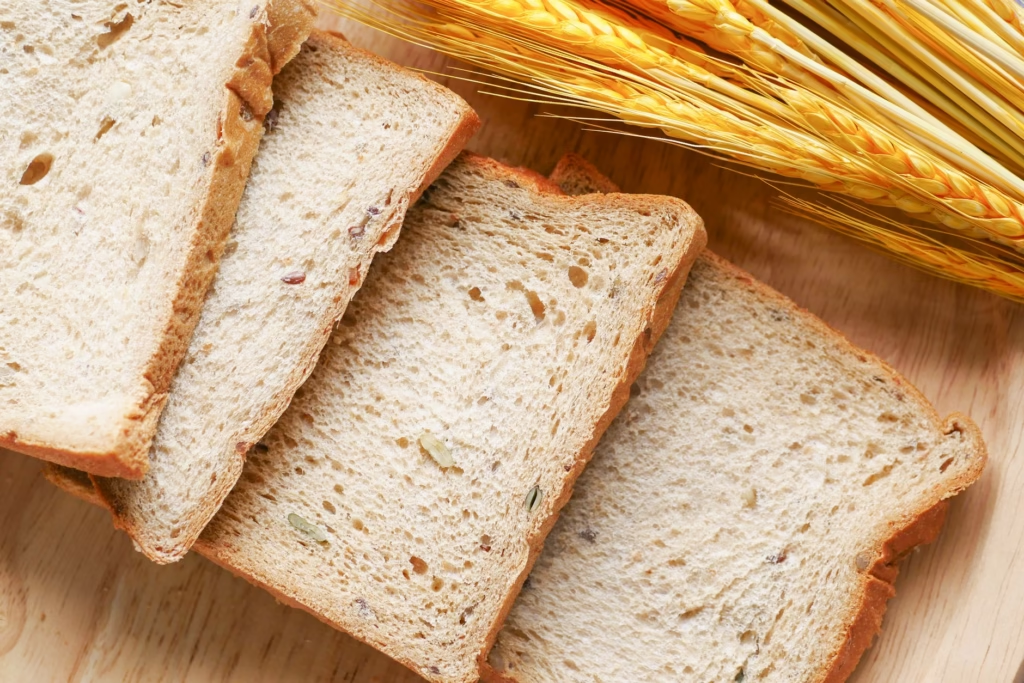
- Whole grain breads: Choose breads made from whole grains, as they are higher in fiber compared to white bread.
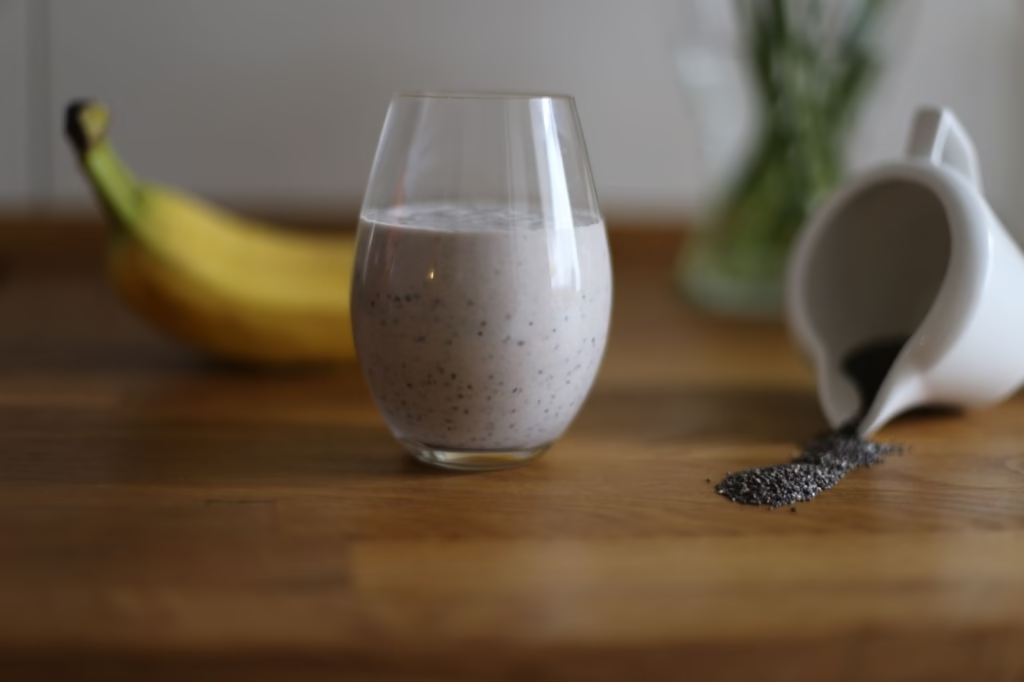
- Smoothies: Blend fruits, leafy greens, and a spoonful of nut butter or seeds for a fiber-rich drink.
What Can We Do to Increase Fiber at Breakfast?
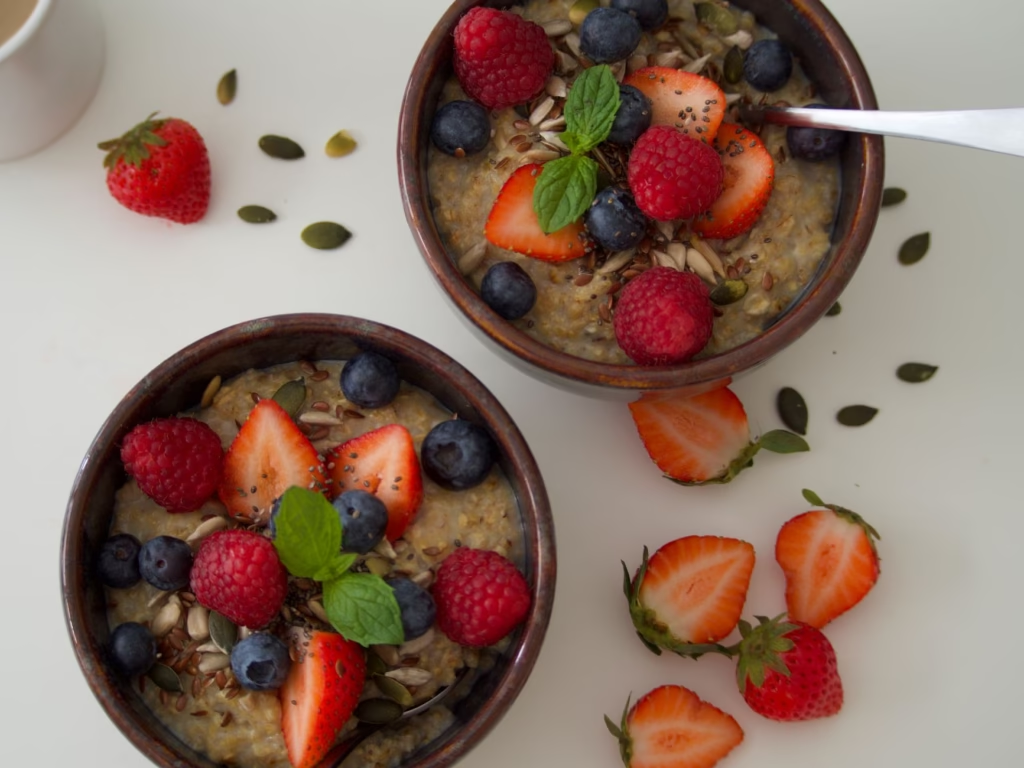
Increasing your fiber intake in the morning can be simple and enjoyable. Here are practical steps to help you incorporate more fiber into your breakfast:
- Start with a base of whole grains: Choose oatmeal, whole grain bread, or whole grain pancakes.
- Add fruits: Top your cereal or yogurt with fruits like berries or banana slices.
- Incorporate nuts and seeds: Sprinkle ground flaxseeds or chia seeds onto your breakfast for an extra fiber boost.
- Try new recipes: Explore recipes like overnight oats or smoothies to mix things up!
Remember to introduce fiber gradually and drink plenty of water, as a sudden increase can cause digestive discomfort.
When Should You See a Doctor?
If you have consistently low fiber intake or experience digestive issues after increasing your fiber, it might be time to speak with a healthcare professional. Warning signs like persistent abdominal pain, excessive bloating, or significant changes in your bowel habits could indicate an underlying issue that needs attention.
Frequently Asked Questions
Why should I eat a high fiber breakfast?
Eating a high fiber breakfast can help you feel full longer, support digestive health, and stabilize blood sugar levels throughout the day.
Can I get enough fiber from my breakfast alone?
While breakfast is an excellent opportunity to increase your fiber intake, it’s essential to include fiber-rich foods throughout the day for optimal health.
What are the best high fiber cereals?
Look for cereals with at least 5 grams of fiber per serving, such as bran flakes, shredded wheat, or oatmeal.
Are fruit juices a good source of fiber?
Fruit juices often lack the fiber found in whole fruits. It’s better to eat the whole fruit to benefit from its fiber content.
How much fiber do I need daily?
The recommended daily intake of fiber is about 25 grams for women and 38 grams for men. However, individual needs may vary.
Can I increase fiber too quickly?
Yes, increasing fiber suddenly can cause digestive discomfort. It’s best to gradually add fiber to your diet and drink plenty of water.
Do high fiber foods taste good?
Absolutely! With the right preparations and combinations, high fiber foods can be delicious and satisfying.
Is it okay to take fiber supplements?
While fiber supplements can be helpful, it’s best to get your fiber from whole foods whenever possible. Whole foods provide additional nutrients that supplements do not.
What the Research Says About High Fiber Breakfasts
Research consistently shows that higher fiber diets are associated with a wide range of health benefits. According to a meta-analysis published in the American Journal of Clinical Nutrition, increasing fiber intake can improve cholesterol levels and support heart health. Studies from the Mayo Clinic and the CDC also highlight that fiber can aid weight management and reduce the risk of developing chronic diseases.
It’s essential to recognize that while every body is different, incorporating high fiber foods into your breakfast can be a step toward better health.
Simple Daily Habits That May Support Better Health
In addition to enjoying a high fiber breakfast, consider these daily habits to support your overall health:
- Stay hydrated: Drinking enough water helps fiber do its job effectively.
- Be mindful of portion sizes: Balance is key; don’t overdo it when trying new high fiber foods.
- Stay active: Regular physical activity can also support good digestion.
Final Thoughts
Incorporating the best high fiber breakfast options into your morning routine can set a positive tone for your day. We often find that starting our day with delicious, fiber-rich foods not only improves our digestion but also keeps our energy levels stable. By choosing whole grains, fruits, vegetables, and healthy fats, we can enjoy meals that are both tasty and nutritious.
It’s important for us to remember that everyone’s body is different, and what works for one person may not work for another. If we experience persistent digestive symptoms or have concerns about our fiber intake, seeking guidance from a healthcare professional can be beneficial.
So, as you plan your breakfast, let’s get creative and explore the wonderful world of high fiber foods. With a little effort, you can make breakfast the most nutritious meal of the day!
Sources and References
National Institutes of Health: Dietary Fiber. Available at: https://ods.od.nih.gov/factsheets/Fiber-HealthProfessional/
Mayo Clinic: Dietary fiber: Essential for a healthy diet. Available at: https://www.mayoclinic.org/healthy-lifestyle/nutrition-and-healthy-eating/expert-answers/dietary-fiber/faq-20058625
Harvard T.H. Chan School of Public Health: The Nutrition Source: Fiber. Available at: https://www.hsph.harvard.edu/nutritionsource/fiber/
American Journal of Clinical Nutrition: The role of dietary fiber in the management of dyslipidemia. Available at: https://academic.oup.com/ajcn/article/109/4/963S/6276250
CDC: Fiber Fact Sheet. Available at: https://www.cdc.gov/nutrition/micronutrient-malnutrition/factsheet-fiber.html
Medical Disclaimer
This article is for general educational and informational purposes only. It is not intended to provide medical advice, diagnosis, or treatment. Health conditions can affect people differently, and information that is appropriate for one person may not be appropriate for another. If you have persistent, severe, or concerning symptoms, speak with a qualified healthcare professional for personalized advice.
Further Reading
Ivf Shot Schedule: 10 Things You Should Know
Omeprazole and Alcohol: Is It Safe to Mix?
what does a growth spurt in pregnancy feel like
Photo by Atlantic Ambience on Pexels.
Frequently Asked Questions
Should I avoid fiber if I have irritable bowel syndrome?
People with sensitive digestive systems often find that soluble fiber is better tolerated than insoluble fiber. It is best to work with a dietitian or doctor to determine which specific sources of fiber work best for your individual needs.
Can children eat a high fiber breakfast?
Yes, children benefit from fiber as part of a healthy diet, but their daily requirements are lower than those of adults. Focus on providing fiber through whole foods like oatmeal and berries rather than high-fiber supplements.
Does cooking vegetables reduce their fiber content?
Cooking generally does not destroy the fiber in vegetables, though it may soften them. Eating a variety of both raw and cooked vegetables is a great way to ensure you are getting enough fiber in your diet.
Is popcorn a good source of fiber for breakfast?
Air-popped popcorn is a whole grain and contains fiber, but it is not typically considered a standard breakfast food. It is better to prioritize nutrient-dense options like oatmeal or whole grain cereals for your morning meal.
The Bottom Line
Starting your day with a high fiber breakfast is a simple yet powerful step toward better long-term health. By choosing wholesome ingredients like whole grains and fresh fruit, you can enjoy sustained energy and improved digestion. Remember to listen to your body and introduce these changes gradually to ensure a comfortable transition.