Key Takeaways
- Fiber is an essential nutrient that improves digestive health, heart health, and supports effective weight management.
- Increase fiber intake gradually to allow your digestive system to adapt and avoid discomfort like gas or bloating.
- Drink plenty of water alongside a high-fiber diet to help move fiber through your system effectively.
- Focus on whole food sources like fruits, vegetables, legumes, whole grains, nuts, and seeds for optimal benefits.
When it comes to healthy eating, many people are curious about the best high fiber foods and how they can benefit their overall health. Fiber is an essential nutrient that plays a critical role in our digestion, helping to keep things running smoothly in our bodies. If you’re striving for a healthier lifestyle or want to improve gut health, you might be on the lookout for ways to increase your fiber intake. But what exactly are the best high fiber foods out there, and how can they help you?
In this article, we’ll explore the best high fiber foods that you can easily incorporate into your diet. We’ll discuss the different types of fiber, the health benefits of including these foods, and how they can support your digestion and overall wellness. Let’s dive into the wonderful world of fiber-rich foods!
What Does This Mean?
By “best high fiber foods,” we refer to those foods that contain a significant amount of dietary fiber. Dietary fiber is the part of plant foods that our bodies can’t digest, and it comes in two forms: soluble and insoluble. Soluble fiber dissolves in water and can help manage blood sugar levels and cholesterol. Insoluble fiber, on the other hand, adds bulk to stool and aids in digestion. Foods rich in fiber can promote regular bowel movements, prevent constipation, and contribute to a feeling of fullness, which can be beneficial if you’re watching your weight.
Common sources of fiber include fruits, vegetables, legumes, whole grains, nuts, and seeds. If you’re curious about how to add more fiber to your meals without feeling overwhelmed, keep reading as we uncover the best high fiber foods!
Why Does this Happen?
One possible reason people seek high fiber foods is to address digestive health issues. Fiber is well-known for its ability to promote regular bowel movements and prevent constipation. Another common factor is the increasing awareness of the benefits of a high-fiber diet, which research suggests may help reduce the risk of chronic diseases, including heart disease and diabetes. However, it’s important to remember that everyone’s body is different; while some may thrive on increased fiber, others may need to approach it with caution.
Common Causes
When it comes to including more fiber in your diet, there are several reasons you might consider doing so:
1. Digestive Issues: Many people experience digestive discomfort, such as bloating or constipation. Increasing fiber intake can help alleviate these issues by promoting regularity. You might notice improvements once you incorporate more high-fiber foods in your meals. However, if symptoms persist, it’s a good idea to consult with a healthcare professional.
2. Weight Management: Fiber-rich foods can help you feel fuller for longer, reducing overall calorie intake. If you’re looking to maintain or lose weight, adding more fiber to your meals can be beneficial. Just be cautious if you’re dramatically increasing your intake, doing it too quickly can lead to gas or digestive discomfort.
3. Heart Health: Research suggests that a diet rich in fiber can support heart health by helping to lower cholesterol levels and improve blood pressure. If you’re concerned about your cardiovascular health, focusing on fiber-rich foods can be a positive step.
Signs and Symptoms to Watch For
Aiming to increase your fiber intake can lead to some noticeable benefits, but it’s also important to be aware of potential symptoms associated with dietary changes:
- Positive Signs: Increased regularity in bowel movements, reduced bloating, and feelings of fullness.
- Negative Signs: If you experience excessive gas, bloating, or changes in bowel habits after increasing fiber, it may indicate you’re consuming too much too quickly. Patience is key; gradually increasing your fiber intake while drinking plenty of water can help ease the transition.
What Can Make it Worse?
Some factors can hinder the benefits of fiber, leading to discomfort or less effective results:
- Insufficient Water Intake: Fiber works best when there’s enough water in your diet. Not drinking adequate fluids may lead to digestive issues.
- Poor Eating Habits: Eating too quickly or not chewing food properly can also negatively affect digestion.
- Lack of Physical Activity: Staying active helps support gut health, and a sedentary lifestyle may contribute to ineffective digestion.
Foods and Drinks Related to the Topic
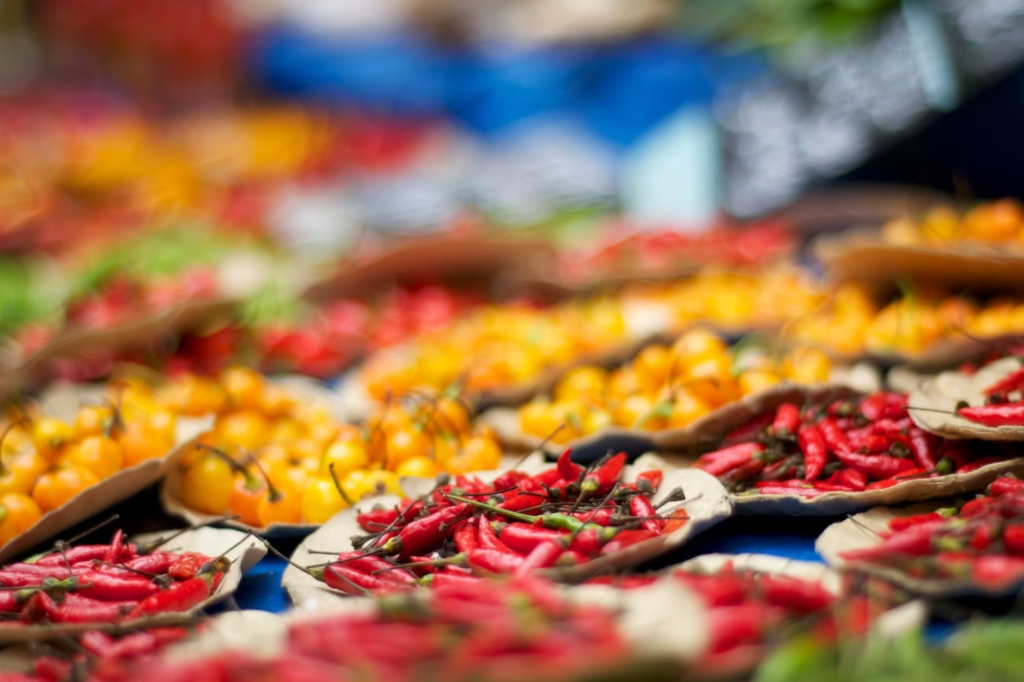
Here’s a look at some of the best high fiber foods to consider including in your meals:
- Fruits: Apples, pears, berries, and bananas are great sources of dietary fiber. They can be eaten whole, added to smoothies, or sprinkled on cereals.
- Vegetables: Broccoli, carrots, and Brussels sprouts are fiber-rich options. Roasting or steaming these veggies can offer delicious ways to boost fiber intake.
- Legumes: Beans, lentils, and chickpeas not only pack a fiber punch but are also excellent sources of protein.
- Whole Grains: Foods such as quinoa, brown rice, and whole wheat bread can significantly increase fiber intake.
- Nuts and Seeds: Almonds, chia seeds, and flaxseeds are not only packed with fiber but also healthy fats.
Everyone’s response to foods can differ, so it’s worth experimenting to find what works best for you.
What Can We Do?
Here are some practical steps to increase your fiber intake:
- Start Slowly: If you’re not used to eating a lot of fiber, try gradually adding it to your diet. This could mean starting with one extra serving of fruit or vegetables each day.
- Stay Hydrated: Remember to drink plenty of water, as it helps fiber do its job effectively.
- Mix It Up: Incorporate a variety of fiber sources in your meals to keep things interesting and nutritious.
- Snack Wisely: Choose high fiber snacks, like raw veggies, nuts, or whole grain crackers, instead of low-fiber options.
When Should You See a Doctor?
If you have any of the following symptoms, it’s advisable to consult a healthcare professional:
- Severe or persistent abdominal pain.
- Unexplained changes in bowel habits that last more than a few days.
- Blood in your stool.
- Unexplained weight loss or appetite changes.
Talking to a healthcare provider can help ensure that you are making safe and effective dietary changes.
Frequently Asked Questions
Why am I always hungry even if I eat fiber-rich foods?
Sometimes, fiber-rich foods still leave you feeling hungry if those foods lack overall caloric content. Combining fiber with protein and healthy fats in meals may help you feel fuller for longer.
Can food cause digestive upset?
In some cases, fiber-rich foods might cause digestive discomfort, especially if introduced too quickly or if the individual has certain food intolerances.
When should I worry about my fiber intake?
If you’re experiencing increased digestive issues, or if your bowel habits change significantly, it might be time to reevaluate your dietary choices or speak to a healthcare professional.
How much fiber should I aim to eat daily?
The general recommendation is about 25 grams of fiber per day for women and 38 grams for men, though individual needs may vary.
Are there any foods high in fiber that I should avoid?
While focusing on high fiber foods is important, some individuals may be sensitive to certain fiber sources, leading to digestive distress. It’s essential to listen to your body and adjust accordingly.
Can I get enough fiber from supplements?
While supplements can help, it’s generally best to get your fiber from whole foods, as they contain additional nutrients beneficial for overall health.
Does cooking affect the fiber content of foods?
Most foods retain their fiber content when cooked, but some methods can alter the structure. Steaming or cooking leafy greens, for example, may make some fiber more digestible.
Can high fiber foods help with weight loss?
Yes! Many people find that incorporating fiber-rich foods into their meals can help them feel full longer, potentially aiding in weight management.
What the Research Says About Best High Fiber Foods
Research consistently highlights the benefits of a fiber-rich diet. For instance, numerous studies have found that high fiber consumption is associated with a lower risk of heart disease, improved digestive health, and better weight management (Harvard T.H. Chan School of Public Health). Systematic reviews show that dietary fiber can help regulate blood sugar levels, making it a key focus for those managing conditions like diabetes (NIH).
However, some areas remain uncertain. While fiber is generally beneficial, the optimal amount and type of fiber can vary widely between individuals. Personal factors such as genetics, existing health conditions, and lifestyle must be taken into consideration when developing dietary habits.
Simple Daily Habits That May Support Better Health
In addition to incorporating high fiber foods into your diet, here are some habits that could support better health:
- Eat Mindfully: Take your time to chew food and enjoy each bite. This practice not only enhances digestion but can also lead to better portion control.
- Stay Active: Regular physical activity can support digestive health and overall well-being.
- Plan Meals: Consider meal prepping to include balanced, fiber-rich meals throughout your week and avoid last-minute unhealthy choices.
- Listen to Your Body: Pay attention to how different foods affect you. Are you more comfortable with certain types of fiber than others? Keep a food diary if that helps!
Final Thoughts
Incorporating the best high fiber foods into your diet can lead to numerous health benefits, from improved digestion to better heart health. We often find that the key to making dietary changes is to take small, consistent steps rather than drastic changes that are hard to maintain. Our bodies thrive on variety, so mixing different fiber sources can help keep us satisfied and energized.
Remember, if you notice any persistent or concerning symptoms, it’s essential to reach out to a healthcare professional. They can provide personalized guidance and support for your unique health journey. With a thoughtful approach to fiber, we can enjoy the benefits while contributing positively to our overall well-being!
Sources and References
National Institutes of Health: Fiber. Last updated Oct 12, 2023. https://ods.od.nih.gov/factsheets/Fiber-HealthProfessional/
Harvard T.H. Chan School of Public Health: The Nutrition Source: Fiber. Last updated 2023. https://www.hsph.harvard.edu/nutritionsource/factsheets/fiber/
Cleveland Clinic: Fiber: The Friendly Carbohydrate. Last updated March 2023. https://my.clevelandclinic.org/health/diseases/17079-fiber
Mayo Clinic: Dietary Fiber: Essential for a Healthy Diet. Last updated 2023. https://www.mayoclinic.org/healthy-lifestyle/nutrition-and-healthy-eating/in-depth/fiber/art-20049480
American Gastroenterological Association: Dietary Fiber and Gut Health. Last updated 2023. https://www.gastro.org/newsroom/news/dietary-fiber-improves-gut-health

Medical Disclaimer
This article is for general educational and informational purposes only. It is not intended to provide medical advice, diagnosis, or treatment. Health conditions can affect people differently, and information that is appropriate for one person may not be appropriate for another. If you have persistent, severe, or concerning symptoms, speak with a qualified healthcare professional for personalized advice.
Further Reading
Ivf Shot Schedule: 10 Things You Should Know
Omeprazole and Alcohol: Is It Safe to Mix?
what does a growth spurt in pregnancy feel like
Frequently Asked Questions
Should I take fiber supplements if I struggle to eat enough whole foods?
While supplements can provide extra fiber, they lack the vitamins, minerals, and antioxidants found in whole food sources. It is best to prioritize a balanced diet and use supplements only under the guidance of a healthcare professional.
Does fiber intake affect how medications are absorbed?
Yes, high fiber intake can potentially interfere with the absorption of certain medications. If you take prescription drugs regularly, consult your doctor or pharmacist about the best timing for your fiber-rich meals.
Can children benefit from a high-fiber diet?
Children also need fiber for healthy digestion, but their specific requirements differ based on age and weight. It is best to introduce fiber-rich foods gradually and consult a pediatrician to ensure they are meeting their nutritional needs.
Is there a specific time of day that is best for eating fiber?
There is no specific time that is superior, but spreading your fiber intake across multiple meals can help prevent digestive discomfort. Consistent, balanced intake throughout the day is generally more effective for maintaining gut health.
The Bottom Line
Prioritizing the best high fiber foods is a simple yet powerful way to support your long-term health and wellness. By making small, consistent dietary adjustments and staying hydrated, you can improve your digestion and heart health. Always listen to your body and feel free to reach out to a professional if you have concerns about your specific needs.