
Key Takeaways
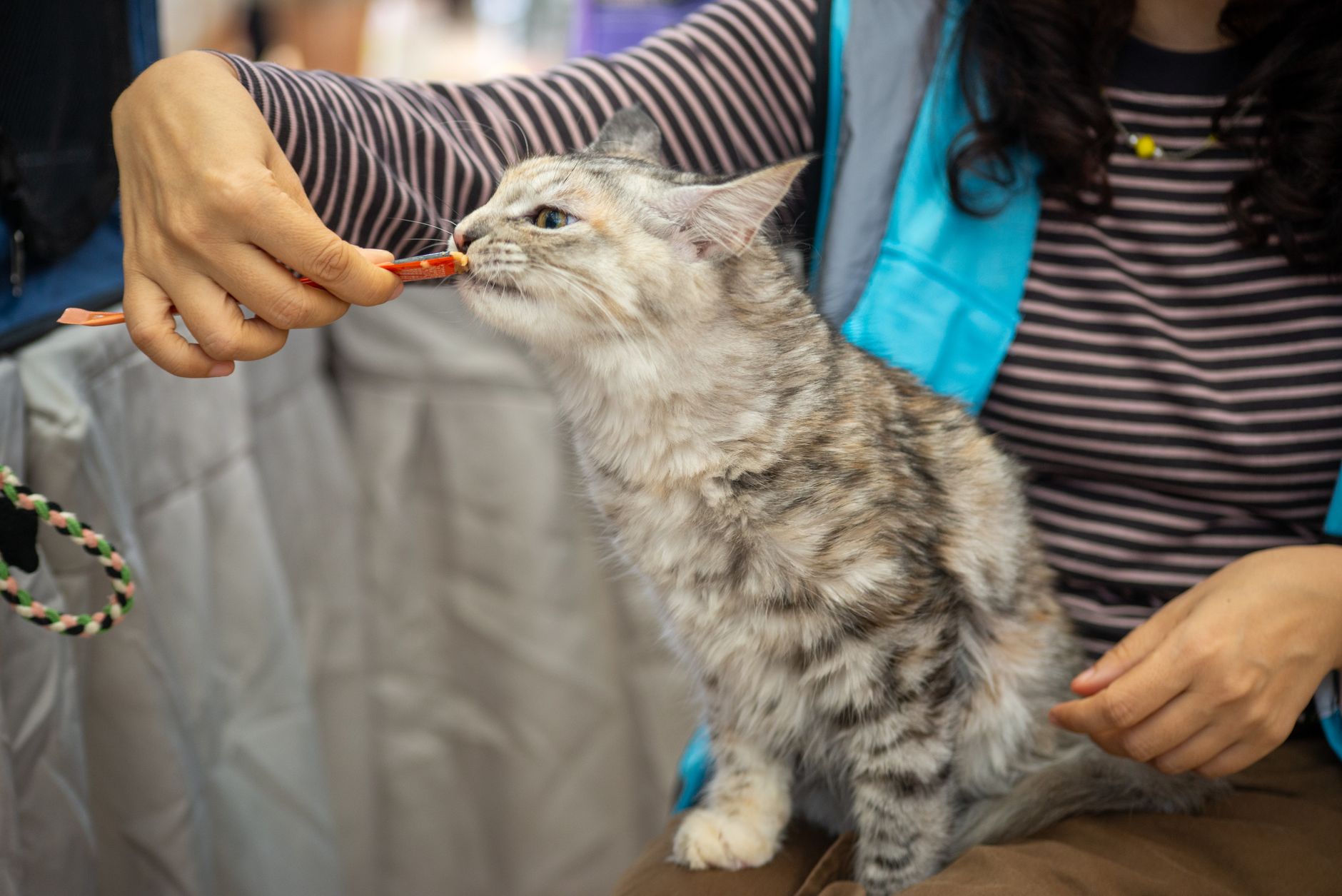
- Turkey can be a safe treat for cats in moderation.
- Avoid seasoning and bones when serving turkey to cats.
- Always consult a vet before introducing new foods.
- Watch for any allergic reactions or digestive issues.
Many cat owners often wonder, can cats have turkey? This question arises especially during festive seasons when turkey becomes a popular dish at family gatherings. Understanding the dietary needs of your feline friend is crucial for their health and well-being. While turkey is a common meat, it is essential to consider its safety and nutritional value for cats.
Cats are obligate carnivores, which means their diet primarily consists of meat. This article will explore the benefits and risks of feeding turkey to cats, including guidelines on how to do so safely. By the end, you will have a comprehensive understanding of whether turkey can be a part of your cat’s diet.
Can Cats Eat Turkey?
Yes, cats can eat turkey! Turkey is a source of high-quality protein and provides essential nutrients that are beneficial for your cat’s health. When prepared correctly, turkey can be a tasty treat that many cats enjoy. However, there are some important considerations to keep in mind to ensure that it is safe for your pet.
Firstly, always serve turkey that is cooked and free from any seasoning, sauces, or additives. Many seasonings can be harmful to cats, including garlic and onion, which can cause digestive upset or more severe health issues. Secondly, it is crucial to avoid giving your cat turkey bones, as they can splinter and pose a choking hazard or cause internal injuries.
In moderation, turkey can be a part of your cat’s diet, but it should not replace their primary cat food. Cats require a balanced diet that includes a variety of nutrients, and turkey should only be an occasional treat.
Benefits of Feeding Turkey to Cats
Feeding turkey to your cat comes with several benefits:
- High Protein Content: Turkey is an excellent source of protein, which is essential for muscle development, energy, and overall health.
- Rich in Nutrients: Turkey contains essential vitamins and minerals such as B vitamins (like niacin and B6), phosphorus, and selenium, which aid in various bodily functions.
- Low in Fat: Skinless turkey breast is relatively low in fat compared to other meats, making it a healthier option for overweight cats.
These benefits make turkey an appealing option for cat owners looking to treat their pets to something special without compromising their diet.
How to Prepare Turkey for Your Cat
Preparing turkey for your cat requires attention to detail to ensure it is safe and healthy:
- Choose the Right Cut: Opt for skinless, boneless turkey breast. This cut is lower in fat and free from harmful bones.
- Cook Thoroughly: Always cook the turkey fully to eliminate any harmful bacteria. Avoid frying or adding oils.
- Cut into Small Pieces: Once cooked, cut the turkey into small, manageable pieces to prevent choking and make it easier for your cat to eat.
- Serve Plain: Do not add any seasoning, sauces, or marinades, as these can be harmful to cats.
- Moderation is Key: Treat turkey as an occasional snack rather than a regular part of their diet.
By following these preparation steps, you can safely introduce turkey into your cat’s diet.
Potential Risks of Feeding Turkey to Cats
While turkey can be a healthy treat, there are risks involved:
- Allergic Reactions: Some cats may be allergic to turkey, resulting in symptoms like itching, swelling, or digestive upset. Monitor your cat for any adverse reactions.
- Weight Gain: Overfeeding turkey can contribute to obesity, especially in sedentary cats. Always keep portions small.
- Digestive Issues: Introducing turkey too quickly into your cat’s diet may lead to gastrointestinal upset, including vomiting or diarrhea.
It is essential to be aware of these risks and consult your veterinarian if you have any concerns about feeding turkey to your cat.
Signs of Allergies or Intolerance in Cats
If you decide to introduce turkey into your cat’s diet, watch for signs of allergies or food intolerance:
- Itching or Scratching: Excessive scratching or biting at the skin can indicate an allergic reaction.
- Digestive Upset: Symptoms such as vomiting, diarrhea, or bloating may suggest that your cat is intolerant to turkey.
- Swelling or Redness: Look for any swelling around the face or paws and redness in the skin.
If you observe any of these symptoms, discontinue feeding turkey and consult your veterinarian for advice.
Alternative Protein Sources for Cats
If turkey isn’t suitable for your cat, there are other protein sources you can consider:
- Chicken: Like turkey, chicken is a lean meat that can be safely fed to cats when cooked without seasoning.
- Fish: Many cats enjoy fish, such as salmon or tuna, but should only be given in moderation due to potential mercury exposure.
- Beef: Cooked and minced beef can also be a protein-rich treat for cats, but again, ensure it’s free from seasoning.
- Lamb: This is another meat option that some cats may enjoy, though it should be introduced carefully.
Always ensure that any meat you offer your cat is cooked thoroughly and free of harmful additives.
Feeding Guidelines for Cats
When incorporating turkey or any new food into your cat’s diet, consider these feeding guidelines:
- Start Small: Introduce turkey in small amounts to see how your cat reacts.
- Monitor Behavior: After feeding, observe your cat for any signs of discomfort or allergies.
- Consult Your Vet: Before making significant changes to your cat’s diet, it’s wise to consult with a veterinarian.
- Maintain Balance: Ensure that treats like turkey do not exceed 10% of your cat’s daily caloric intake.
By following these guidelines, you can help ensure a healthy and balanced diet for your feline friend.
Nutritional Considerations for Feeding Turkey to Cats
Essential Nutrients in Turkey
Turkey is a rich source of several essential nutrients that can contribute positively to a cat’s diet. It is particularly high in protein, which is crucial for muscle development and overall health in felines. Moreover, turkey contains the amino acids taurine and tryptophan, both of which play significant roles in a cat’s well-being. Taurine, for instance, is vital for heart health, vision, and reproductive functions.
Additionally, turkey provides vitamins such as B6 and B12, which support metabolic functions and the creation of red blood cells. It also contains minerals like phosphorus and selenium, both of which are important for bone health and antioxidant functions. Here is a list of key nutrients found in turkey:
- High-quality protein
- Taurine
- Tryptophan
- Vitamin B6
- Vitamin B12
- Phosphorus
- Selenium
Turkey and Weight Management in Cats
Feeding turkey to cats can be a beneficial strategy for managing their weight, especially when it is lean and prepared without excessive fats or added ingredients. Lean turkey meat is lower in calories compared to some other protein sources, making it a good option for maintaining a healthy weight.
When incorporating turkey into a cat’s diet, it is essential to monitor portion sizes carefully. Overfeeding any food, even healthy options like turkey, can lead to obesity. Here are some tips for using turkey as part of a weight management plan:
- Use turkey as a protein source in homemade cat food recipes.
- Incorporate small amounts of turkey into regular meals rather than serving it as the main component.
- Always consult with a veterinarian to create a balanced diet tailored to your cat’s specific needs.
Impact of Turkey on Cat Hydration
It is crucial to consider the hydration status of cats when introducing new foods like turkey into their diet. Cats are not naturally inclined to drink a lot of water, and their hydration often comes from their food. While turkey is a protein-rich food, it may not provide enough moisture on its own.
To ensure that cats remain hydrated, consider the following strategies:
- Mix turkey with wet cat food to increase moisture intake.
- Always provide fresh, clean water alongside turkey meals.
- Monitor your cat’s water intake and adjust their diet as necessary.
How Turkey Can Affect Cat Behavior
Turkey as a Treat for Positive Reinforcement
Using turkey as a treat can be an effective method for positive reinforcement in training cats. The high protein content of turkey makes it an appealing option for many felines, which can be used to encourage good behavior or to reward them during training sessions.
When using turkey as a training treat, it is important to keep the following in mind:
- Use small, bite-sized pieces to avoid overfeeding.
- Incorporate turkey into playtime by tossing pieces for your cat to chase.
- Be consistent with rewards to establish a clear connection between the behavior and the treat.
Potential Behavioral Changes from Turkey Consumption
While turkey can enhance a cat’s diet, it is essential to observe any changes in behavior after introducing it. Some cats may exhibit increased energy levels due to the protein boost, while others may become more relaxed, especially if they are sensitive to tryptophan, which is known for its calming effects.
It is crucial to monitor your cat’s overall demeanor and behavior after incorporating turkey into their diet. Here are some signs to look for:
- Increased playfulness or energy.
- Changes in appetite or feeding habits.
- Altered social interactions with humans or other pets.
Turkey and Feline Socialization
Sharing food, including turkey, can play a role in feline socialization. Cats are often social creatures, and communal feeding can foster bonding experiences between cats and their owners or even among multiple cats in a household.
When using turkey for socialization, consider the following tips:
- Encourage shared mealtime experiences by serving turkey as a group meal.
- Observe each cat’s eating habits to ensure that all are getting their fair share.
- Use turkey as a way to introduce new cats to each other, promoting a positive association.
Ethical and Sustainability Considerations for Feeding Turkey
Source and Quality of Turkey
The source and quality of the turkey you feed your cat are essential factors in ensuring a healthy diet. Opting for organic or free-range turkey can minimize exposure to harmful chemicals and antibiotics that might be present in conventionally raised poultry. Organic turkey is often raised without the use of synthetic pesticides or fertilizers, making it a more environmentally friendly option.
When selecting turkey for your cat, consider the following points:
- Look for labels indicating organic or free-range practices.
- Choose turkey from local sources when possible to reduce carbon footprint.
- Avoid processed turkey products that contain additives or preservatives.
Environmental Impact of Turkey Production
While turkey can be a healthy addition to a cat’s diet, it is essential to consider the environmental impact of turkey production. Factory farming practices often contribute to significant environmental issues, including deforestation, water pollution, and greenhouse gas emissions.
To mitigate these effects, pet owners can:
- Choose turkey sourced from sustainable farms.
- Limit meat consumption and consider plant-based protein alternatives.
- Support brands with ethical practices and transparency in sourcing.
Balancing Turkey with Other Food Sources
Incorporating turkey into a cat’s diet should be done thoughtfully, ensuring it complements other food sources rather than replacing them entirely. A varied diet is essential for providing all necessary nutrients while also promoting sustainability. Balancing turkey with fish, chicken, and plant-based proteins can offer a more comprehensive nutritional profile for your cat.
When planning a balanced diet, consider the following strategies:
- Rotate protein sources to prevent dietary monotony.
- Include a variety of fresh vegetables that are safe for cats.
- Consult with a veterinarian to ensure nutritional adequacy and balance.
Frequently Asked Questions
Can cats eat raw turkey?
No, raw turkey can carry harmful bacteria like Salmonella or E. coli, which can make your cat sick. Always cook turkey thoroughly before serving it to your cat.
Is turkey good for cats with allergies?
Turkey may be a good option for some cats with allergies to chicken or beef, but it is essential to monitor for any allergic reactions. Always consult your vet before making dietary changes.
How often can I feed my cat turkey?
Turkey should only be offered as an occasional treat, not a regular part of your cat’s diet. A small amount once a week is generally safe for most cats.
What should I do if my cat refuses to eat turkey?
If your cat refuses to eat turkey, do not force it. Cats can be picky eaters, and it may be best to offer other protein sources they prefer. Consult your veterinarian for alternatives.
The Bottom Line
In summary, can cats have turkey? Yes, turkey can be a safe and nutritious treat for cats when prepared correctly. Ensure it is cooked, unseasoned, and given in moderation. Always be vigilant for any adverse reactions and consult your veterinarian if you have concerns about your cat’s diet. With proper care, turkey can add variety to your cat’s meals and be a special treat they enjoy.
Note: This article is for general information only and is not medical advice. See a qualified health professional about your own situation.
