Key Takeaways
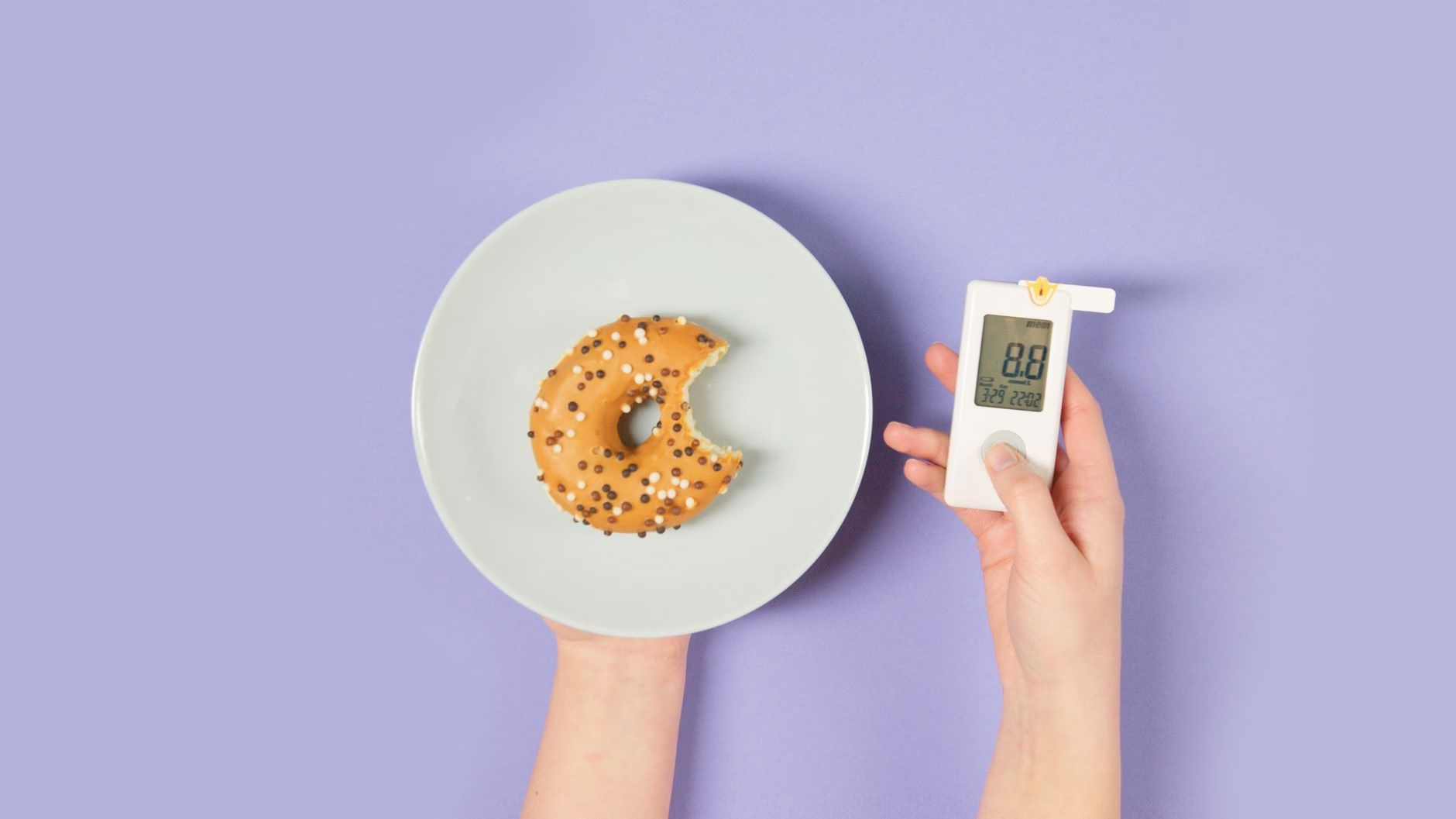
- Spironolactone can lead to weight changes in some individuals.
- Fluid retention is a primary reason for potential weight gain.
- Consult a healthcare provider for personalized advice.
- Monitoring diet and lifestyle can help manage weight.
Understanding Spironolactone
Spironolactone is a medication commonly used as a diuretic, primarily to treat high blood pressure, heart failure, and certain types of edema. It works by blocking the actions of a hormone called aldosterone, which helps the body retain sodium and water. As a result, spironolactone promotes the excretion of sodium and water, leading to a decrease in blood pressure and fluid retention. However, many people wonder, can spironolactone cause weight gain? This concern is valid and deserves a closer look.
Weight gain can be a distressing side effect of many medications. Understanding the mechanisms behind how spironolactone works can help clarify whether it might contribute to weight changes. This article will explore the potential link between spironolactone and weight gain, delve into the factors that may influence this effect, and provide tips on how to manage any weight changes while on this medication.
Before making any decisions or assumptions regarding your health, it is crucial to consult with a healthcare professional. They can provide personalized advice based on your specific health needs and medication regimen.
How Spironolactone Works
Spironolactone is classified as an aldosterone antagonist. It inhibits the effects of aldosterone, a hormone that plays a key role in regulating blood pressure and fluid balance. When aldosterone levels are high, the body retains sodium, which can lead to increased water retention and elevated blood pressure. By blocking this hormone, spironolactone facilitates the excretion of sodium and water, reducing overall fluid volume in the body.
Despite its diuretic properties, some patients report weight gain while taking spironolactone. This phenomenon may seem counterintuitive, as diuretics are typically associated with weight loss through fluid reduction. However, several factors can contribute to weight changes in patients on this medication.
Understanding these mechanisms helps clarify how spironolactone may lead to weight gain. Here are some reasons:
- Fluid Retention: While spironolactone encourages fluid excretion, it may take time for the body to adjust, leading to temporary weight gain due to fluid shifts.
- Hormonal Effects: Spironolactone can influence other hormones in the body, potentially affecting metabolism and fat storage.
- Diet and Lifestyle Changes: Some individuals might alter their dietary habits or lifestyle while on medication, which can also impact weight.

Weight Gain Mechanisms Related to Spironolactone
When considering the question of whether spironolactone can cause weight gain, it is essential to explore the underlying mechanisms that may contribute to this phenomenon. Here are some detailed factors to consider:
Fluid Retention in the Initial Stages
When starting treatment with spironolactone, some individuals may initially experience weight gain due to fluid retention. This can occur as the body adjusts to the medication, resulting in temporary increases in weight.
Here’s how this occurs:
- Initial Adjustment: The body may retain fluids as it adjusts to the medication, leading to initial weight gain.
- Electrolyte Changes: Changes in electrolyte balance can affect fluid distribution in the body, leading to temporary weight fluctuations.
- Duration of Use: Long-term use may stabilize weight as the body adapts to the medication.
Hormonal Influences
Spironolactone can affect various hormonal pathways in the body, particularly those related to stress and metabolism. Here are some key points:
- Aldosterone Blockade: While blocking aldosterone can reduce fluid retention, it may also alter how the body manages fat storage and energy.
- Impact on Cortisol: Spironolactone may influence cortisol levels, a hormone known to affect appetite and fat distribution.
- Insulin Sensitivity: There is some evidence that spironolactone can affect insulin sensitivity, potentially leading to changes in weight and fat metabolism.
Lifestyle Factors
Weight gain while on spironolactone may not solely be attributed to the medication itself. Lifestyle changes can also play a significant role:
- Dietary Changes: Some patients may change their eating habits due to the side effects of spironolactone or its perceived effects.
- Physical Activity: If a medication causes fatigue or other symptoms, an individual may become less active, contributing to weight gain.
- Psychological Factors: The stress of dealing with health conditions may lead to emotional eating, which can impact weight.
Managing Weight While on Spironolactone
If you are concerned about potential weight gain while taking spironolactone, there are several strategies you can implement to help manage your weight effectively:
Monitoring Your Diet
Maintaining a balanced and healthy diet is crucial for managing weight. Here are some tips:
- Focus on Whole Foods: Incorporate more fruits, vegetables, whole grains, and lean proteins into your meals.
- Watch Your Portions: Be mindful of portion sizes to avoid overeating.
- Limit Salt Intake: Excess sodium can lead to fluid retention, so it’s wise to monitor your salt intake.
Staying Active
Regular physical activity is essential for overall health and can help counteract potential weight gain. Consider the following:
- Find Activities You Enjoy: Whether it’s walking, swimming, or dancing, engaging in enjoyable activities can make it easier to stay active.
- Set Realistic Goals: Aim for achievable fitness goals that encourage consistency rather than perfection.
- Make it a Habit: Incorporate physical activity into your daily routine to create lasting habits.
Regular Check-Ups with Your Doctor
It is essential to maintain regular communication with your healthcare provider while on spironolactone. Here are some points to consider:
- Discuss Weight Changes: Inform your doctor of any significant weight changes so they can evaluate your health.
- Monitor Health Markers: Regular check-ups can help monitor blood pressure, electrolyte levels, and kidney function.
- Ask for Guidance: Your healthcare provider can offer advice on managing weight while taking spironolactone.

Potential Side Effects of Spironolactone Related to Weight Changes
Spironolactone is a diuretic that is often prescribed for conditions such as hypertension, heart failure, and certain hormonal disorders. While weight gain can be a concern, it is crucial to understand the broader spectrum of potential side effects related to weight changes. These side effects can range from fluid retention to hormonal fluctuations, which may indirectly affect body weight.
Fluid Retention and Weight Fluctuations
One of the primary mechanisms through which spironolactone can impact weight is through fluid retention. Although spironolactone is a diuretic, leading to increased urine production, it can also cause the body to retain fluid in some patients.
- Initial Weight Gain: Some individuals may experience an initial weight gain due to fluid retention, especially if they are using the medication to manage a condition that causes edema.
- Long-term Weight Changes: Over time, as the body adjusts to the medication, some patients may notice a decrease in retained fluid, leading to a potential weight loss.
- Monitoring Fluid Intake: Patients should monitor their fluid intake and output, as excessive fluid retention can counteract the weight loss efforts.
It is essential for patients to discuss any unusual weight changes with their healthcare provider to determine the cause and whether any adjustments to their medication regimen are necessary.
Hormonal Effects of Spironolactone
Spironolactone has anti-androgenic properties, which can influence hormonal balance in the body. These hormonal changes can have various effects, including those related to weight.
- Impact on Appetite: Changes in hormone levels can lead to increased appetite or cravings, particularly for high-calorie foods.
- Metabolic Changes: Hormonal fluctuations may affect metabolism, potentially leading to weight gain or difficulty losing weight.
- PMS-like Symptoms: Some users report experiencing symptoms similar to premenstrual syndrome (PMS), which can include weight gain due to bloating and water retention.
Patients should be aware of these hormonal effects and discuss any significant changes in appetite or weight with their healthcare provider.
Comparative Analysis of Spironolactone with Other Diuretics
Understanding how spironolactone compares to other diuretics may provide insight into its unique side effects, including weight gain. Different diuretics function differently, and their side effects can vary significantly.
Types of Diuretics
Diuretics are generally classified into three main categories: thiazide diuretics, loop diuretics, and potassium-sparing diuretics like spironolactone. Each type has its own mechanism of action and associated side effects.
- Thiazide Diuretics: Commonly used for hypertension, these can lead to electrolyte imbalances and may also result in weight gain due to increased cholesterol levels.
- Loop Diuretics: These are potent diuretics often prescribed for heart failure and can lead to significant fluid loss but may also result in electrolyte disturbances that could impact weight.
- Potassium-Sparing Diuretics: Spironolactone is in this category and helps retain potassium. While it can cause weight gain due to fluid retention, it is less likely to cause the electrolyte imbalances seen with other diuretics.
When considering diuretics for weight management, spironolactone’s unique properties must be taken into account. It may be beneficial for some patients, especially those with certain hormonal imbalances, while others may experience unwanted weight changes.
Patient Experiences and Clinical Observations
Clinical observations and patient experiences can provide valuable insights into the nuanced effects of spironolactone compared to other diuretics. Some patients report weight changes that differ significantly based on their individual health conditions and treatment goals.
- Personalized Responses: Weight gain or loss can vary greatly among individuals taking spironolactone, influenced by factors such as age, sex, and concurrent medications.
- Longitudinal Studies: Some studies indicate that long-term use of spironolactone may stabilize weight over time for certain populations, particularly women with hormonal imbalances.
- Patient Feedback: Many patients report that while they initially gained weight, their body adapted, leading to eventual weight stabilization or loss.
Healthcare providers should consider these varying experiences when evaluating the appropriateness of spironolactone for weight management in their patients.

Dietary Considerations for Patients on Spironolactone
Diet plays a crucial role in managing weight while on spironolactone. Understanding which dietary changes can help mitigate potential weight gain can empower patients to take control of their health.
Recommended Dietary Modifications
Patients taking spironolactone should consider making specific dietary modifications to support their weight management goals. A balanced diet rich in whole foods can help counteract some of the potential weight-related side effects of the medication.
- Increase Fiber Intake: Consuming more fruits, vegetables, and whole grains can help promote satiety and aid digestion.
- Limit Processed Foods: Reducing consumption of high-sugar and high-fat processed foods can help manage weight and prevent cravings.
- Stay Hydrated: Adequate hydration is essential, especially for those experiencing fluid retention. Drinking water can help balance fluid levels in the body.
These dietary changes can help patients manage their weight effectively while on spironolactone.
Monitoring Nutrient Intake
Monitoring specific nutrients is vital for patients on spironolactone, particularly due to its potassium-sparing effects. Balancing potassium intake with other dietary needs can help mitigate unwanted side effects.
- Potassium Levels: Patients should be aware of their potassium intake, as spironolactone can lead to elevated potassium levels. Foods high in potassium include bananas, oranges, and spinach.
- Sodium Intake: Limiting sodium can help manage fluid retention, so individuals should aim to reduce processed salt and sodium-rich foods.
- Consulting a Dietitian: Working with a registered dietitian can be beneficial for personalized dietary advice tailored to individual health needs.
By being proactive about their dietary choices, patients can work towards maintaining a healthy weight while on spironolactone.
Frequently Asked Questions
1. Can all patients taking spironolactone experience weight gain?
No, not all patients will experience weight gain while taking spironolactone. Individual responses to the medication can vary significantly.
2. How can I tell if my weight gain is due to spironolactone?
Consult your healthcare provider for a comprehensive assessment. They can help determine whether your weight changes are related to the medication or other factors.
3. Are there alternatives to spironolactone that may not cause weight gain?
There are various medications for conditions treated by spironolactone. Discussing alternatives with your healthcare provider can help you find a suitable option.
4. What should I do if I gain weight while on spironolactone?
If you notice weight gain, consult your healthcare provider. They can help you understand the cause and suggest strategies to manage your weight effectively.
The Bottom Line
In summary, can spironolactone cause weight gain? While it is possible for some individuals to experience weight changes while taking spironolactone, the reasons can be multifaceted, including fluid retention, hormonal effects, and lifestyle factors. It is essential to monitor your weight and maintain open communication with your healthcare provider to address any concerns. Managing your diet and physical activity can also play a crucial role in maintaining a healthy weight while on this medication.
Note: This article is for general information only and is not medical advice. See a qualified health professional about your own situation.