Key Takeaways
- Cymbalta may cause weight changes in some individuals.
- Weight gain is less common than weight loss with Cymbalta.
- Consult your doctor for personalized advice regarding Cymbalta.
- Lifestyle changes can help manage weight while on this medication.
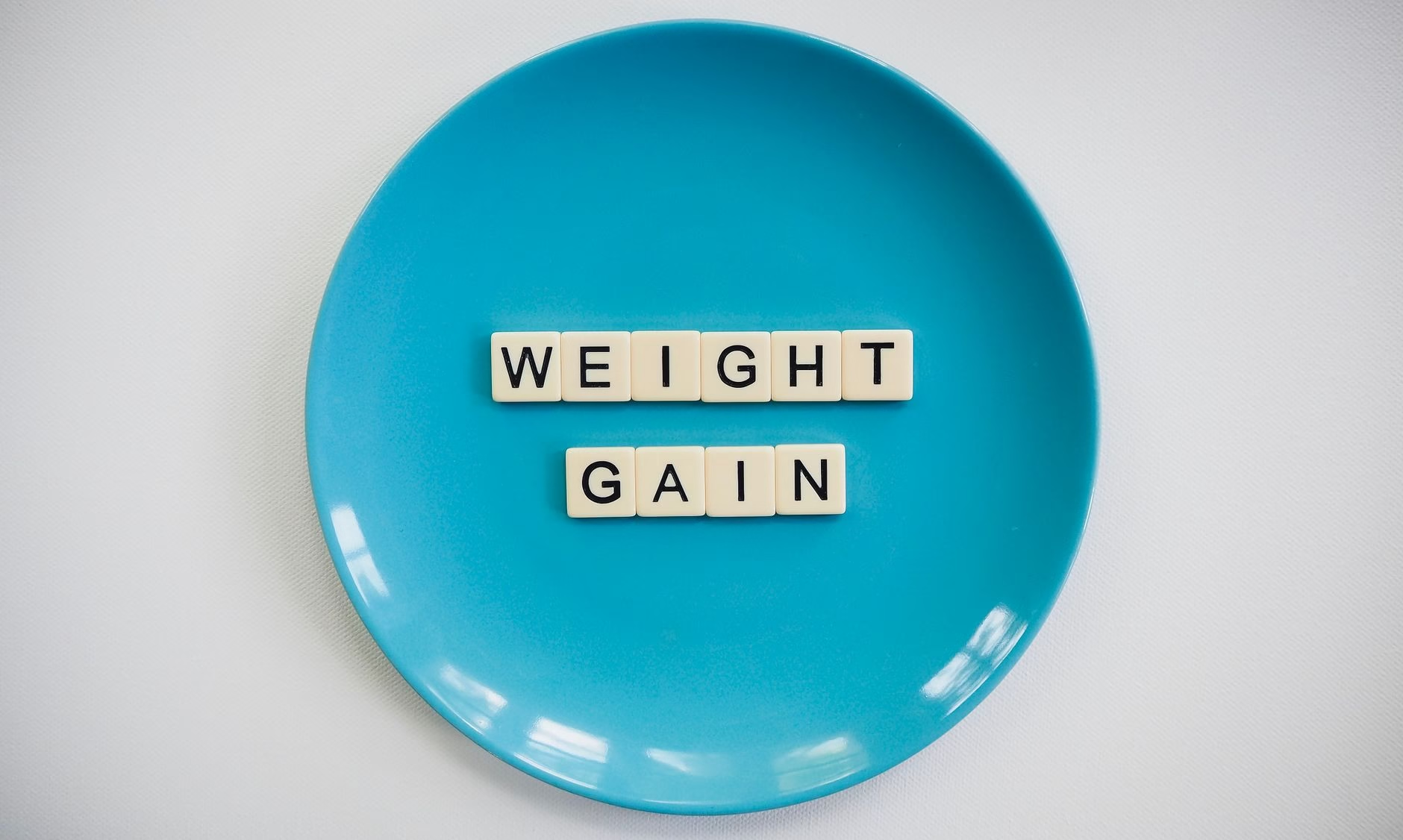
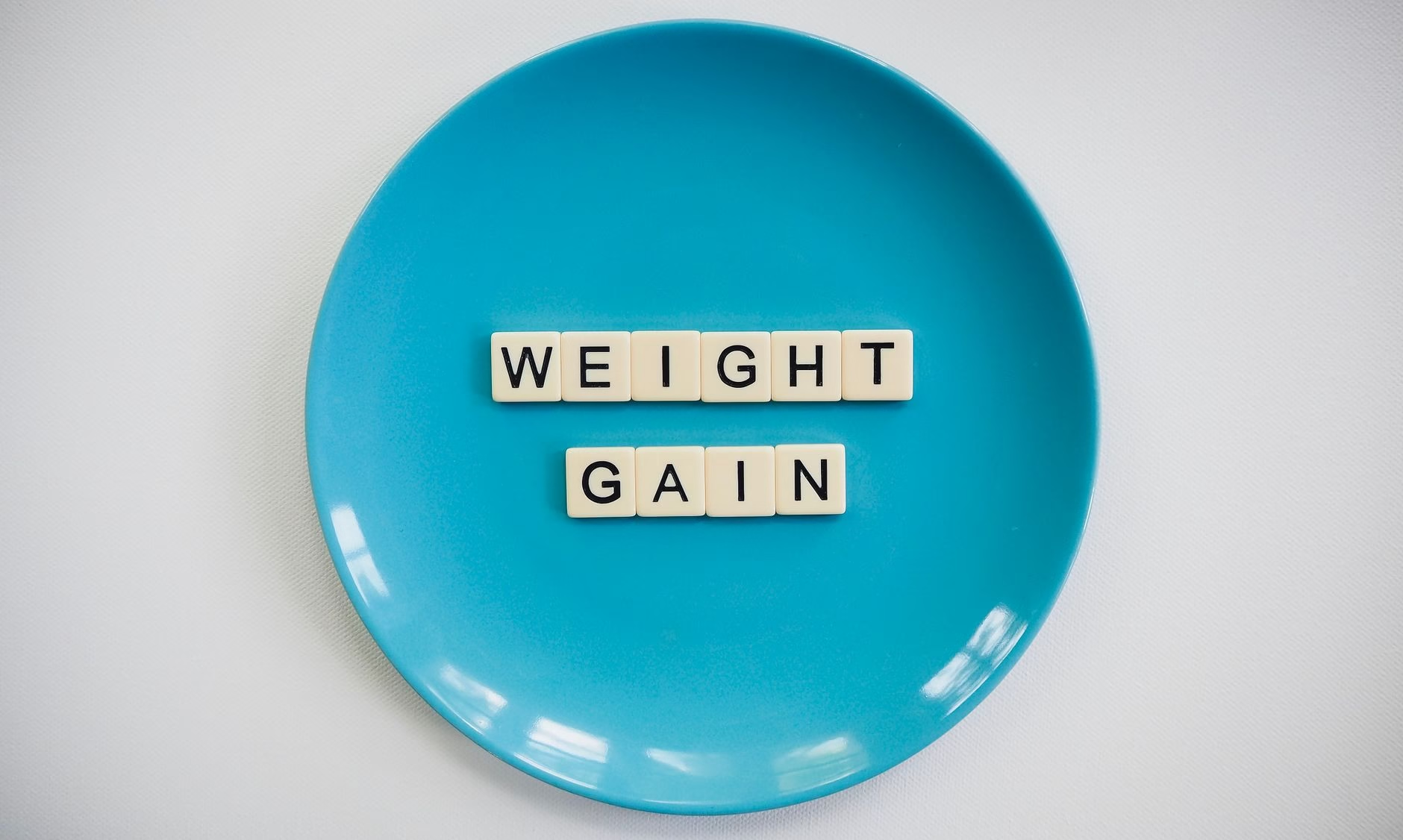
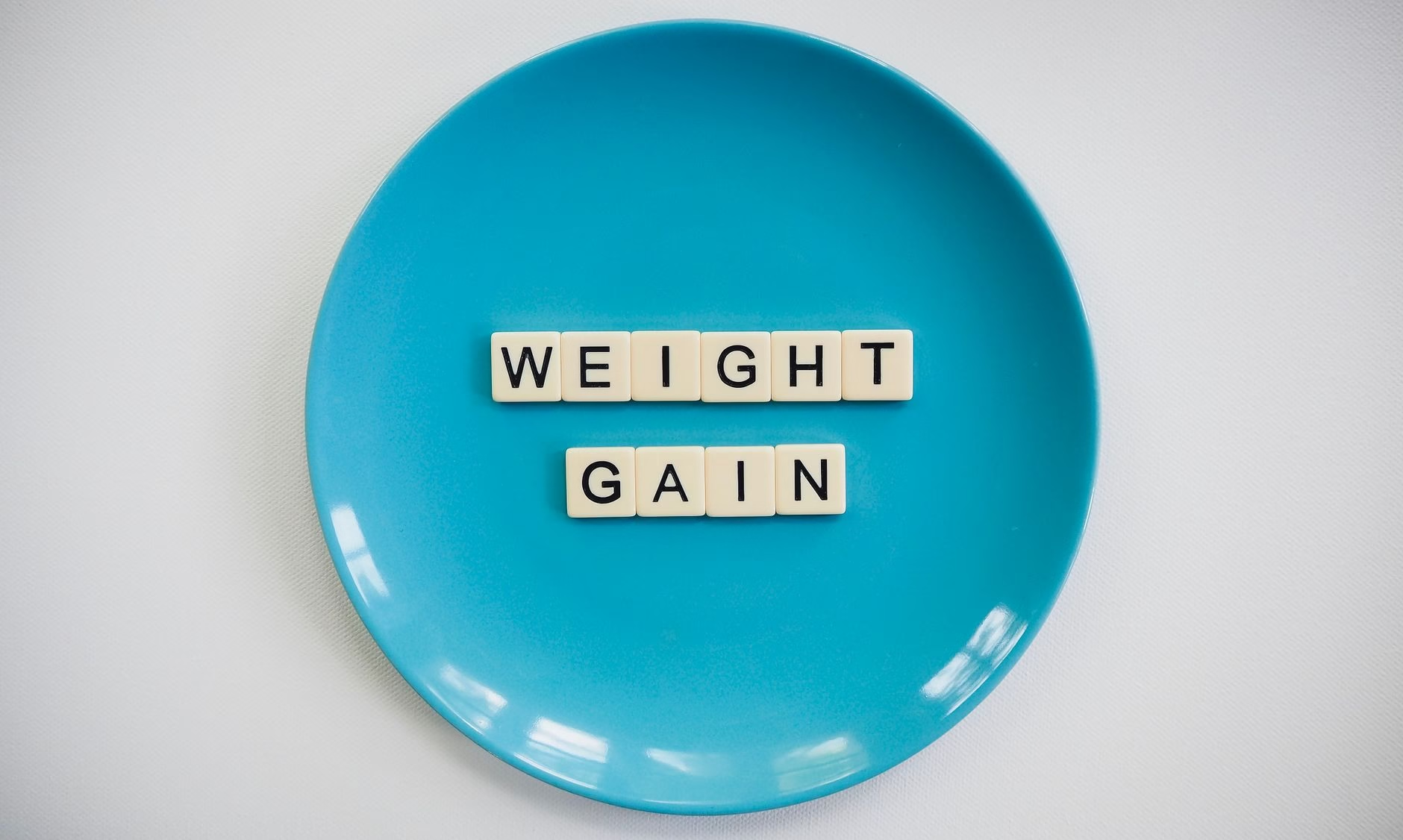
When considering treatment for depression or anxiety, many people wonder, does Cymbalta cause weight gain? Cymbalta, known generically as duloxetine, is a prescription medication that belongs to a class of drugs called serotonin-norepinephrine reuptake inhibitors (SNRIs). It is commonly prescribed to treat major depressive disorder, generalized anxiety disorder, fibromyalgia, and chronic pain conditions.
Understanding the potential side effects of any medication is crucial for informed decision-making. Weight changes, including both gain and loss, can be concerning for individuals taking Cymbalta. This article aims to explore the relationship between Cymbalta and weight gain, addressing common concerns and providing evidence-based information.
While some individuals report weight changes after starting Cymbalta, the experience is not universal. This article will delve into the mechanisms behind these changes, factors that influence weight, and tips on managing weight while on this medication.
Understanding Cymbalta
What is Cymbalta?
Cymbalta is primarily used to treat depression and anxiety, but it also helps manage pain associated with conditions like fibromyalgia and diabetic neuropathy. By balancing neurotransmitters in the brain, it helps improve mood and reduce anxiety.
As an SNRI, Cymbalta works by inhibiting the reuptake of serotonin and norepinephrine, two neurotransmitters that play key roles in mood regulation. This action can lead to significant improvements in emotional well-being for many patients.
Despite its benefits, the medication can come with side effects, which may include nausea, fatigue, dizziness, and changes in appetite or weight.
How Does Cymbalta Affect Weight?
The impact of Cymbalta on weight varies among individuals. Some may experience weight gain, while others may lose weight or see no change at all. The reasons behind these variations can be attributed to several factors:
- Individual Metabolism: Each person’s metabolism is unique, influencing how their body processes medications.
- Changes in Appetite: Cymbalta can affect appetite, leading to increased cravings or reduced food intake.
- Underlying Conditions: The conditions being treated, such as depression, can also influence weight independently of medication.
Understanding these variables is essential for managing weight effectively while on Cymbalta.
Research on Cymbalta and Weight Changes
Studies on the relationship between Cymbalta and weight changes provide mixed results. Some clinical trials suggest that weight gain is a potential side effect, while others indicate that weight loss is more common during initial treatment phases.
A systematic review of multiple studies found that:
- Approximately 2% to 5% of individuals may experience significant weight gain.
- A similar percentage may experience weight loss, particularly during the first few weeks of treatment.
- Many patients report stable weight after the initial adjustment period.
These findings highlight the importance of monitoring weight during treatment and consulting with a healthcare provider if weight changes occur.

Factors Influencing Weight Changes on Cymbalta
Psychological Factors
One significant factor influencing weight changes is the psychological state of the individual. Depression and anxiety can impact eating habits and physical activity, often leading to weight fluctuations independent of medication.
When individuals begin treatment with Cymbalta, improvements in mood may lead to increased appetite or motivation to engage in physical activity, which can subsequently affect weight.
Conversely, if Cymbalta does not adequately address the underlying mental health issue, this could lead to ongoing emotional eating or a lack of motivation to maintain a healthy lifestyle.
Physical Activity and Lifestyle Choices
Physical activity plays a critical role in weight management. When starting Cymbalta, some individuals may find renewed energy and motivation to exercise. This can lead to weight loss or maintenance, regardless of the medication.
On the other hand, if a person feels fatigued or experiences a lack of motivation due to side effects, this can contribute to weight gain. Incorporating regular exercise and healthy eating habits is vital when taking Cymbalta.
Here are some tips for maintaining a healthy lifestyle:
- Engage in regular physical activity, aiming for at least 150 minutes of moderate exercise each week.
- Choose nutrient-dense foods, focusing on fruits, vegetables, whole grains, and lean proteins.
- Stay hydrated and limit sugary beverages, which can contribute to weight gain.
Metabolic Changes
Cymbalta may induce metabolic changes that could lead to weight gain. Some studies suggest that SNRIs can influence metabolism, but the exact mechanisms remain unclear. Factors such as changes in energy expenditure and fat storage may play a role.
Additionally, hormonal changes due to improved mental health can also affect weight. For instance, improved mood may lead to changes in how the body processes food and stores energy.
Understanding these metabolic changes can help individuals anticipate potential weight fluctuations while on Cymbalta.
Managing Weight While on Cymbalta
Monitoring Your Weight
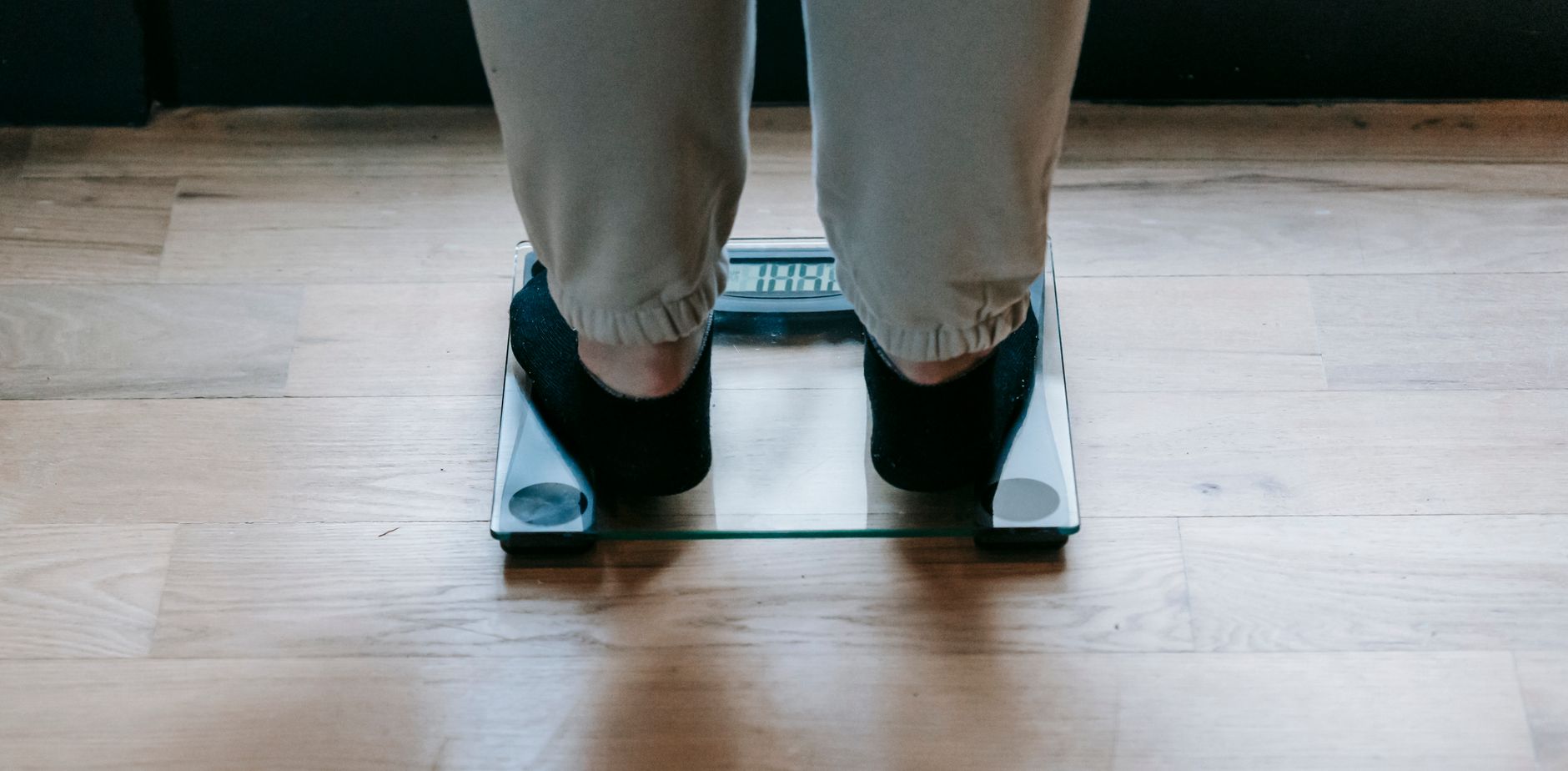
Regularly monitoring your weight can help you identify any significant changes early on. It’s advisable to weigh yourself once a week at the same time of day under similar conditions. Documenting your weight can provide insights into how Cymbalta might be affecting you.
If you notice a trend toward weight gain or loss, it’s essential to discuss this with your healthcare provider. They can help determine whether your weight changes are related to Cymbalta or other factors.
Here are some practical tips for effective monitoring:
- Use a reliable scale and keep it in a consistent location.
- Take note of any changes in clothing fit or body measurements.
- Consider keeping a food and exercise diary to track your habits.
Consulting a Healthcare Provider
Maintaining open communication with your healthcare provider is crucial when taking Cymbalta. If you experience unwanted weight changes, they may recommend adjusting your dosage or exploring alternative treatments.
Healthcare providers can also help you establish a weight management plan that suits your needs. This may include referrals to nutritionists or fitness experts, who can provide tailored guidance.
Remember, personalized care is essential, as each person’s response to medication can vary significantly.
Implementing Healthy Lifestyle Changes
Incorporating healthy habits into your daily routine can help mitigate potential weight gain while on Cymbalta. Here are some lifestyle changes to consider:
- Balanced Diet: Focus on whole foods, including fruits, vegetables, lean proteins, and healthy fats. Avoid processed foods high in sugar and fat.
- Regular Exercise: Aim for a combination of aerobic and strength-training exercises, which can help manage weight and improve overall health.
- Mindfulness Practices: Engage in mindfulness techniques such as meditation or yoga to help manage stress and emotional eating.

Understanding the Mechanism of Cymbalta
Cymbalta’s Role in Serotonin and Norepinephrine Regulation
Cymbalta, or duloxetine, is classified as a serotonin-norepinephrine reuptake inhibitor (SNRI). This means it works by increasing the levels of serotonin and norepinephrine in the brain, which are neurotransmitters that help regulate mood, pain, and various bodily functions. Research has shown that alterations in these neurotransmitters can impact appetite and metabolism. An increase in serotonin levels, for instance, can lead to changes in satiety signals and cravings, potentially contributing to weight gain for some individuals.
Furthermore, norepinephrine is involved in the body’s stress response and energy expenditure. Changes in norepinephrine levels can influence how the body processes energy and fat. Thus, while Cymbalta can alleviate symptoms of depression and anxiety, its effects on these neurotransmitters may also lead to unintended weight changes. Understanding this mechanism can help patients and healthcare providers anticipate and address potential side effects.
Comparative Weight Outcomes with Other Antidepressants
A comparative analysis of weight outcomes among various antidepressants can provide insight into how Cymbalta stacks up against other medications in the same class. For example, selective serotonin reuptake inhibitors (SSRIs) like fluoxetine may have a more favorable weight profile compared to Cymbalta, as studies suggest they are less likely to cause weight gain. On the other hand, some tricyclic antidepressants (TCAs) are known for their weight-gaining potential.
- SNRIs (like Cymbalta): Mixed effects on weight, some patients gain weight, others lose.
- SSRIs: Generally weight-neutral; some may cause weight loss.
- TCAs: Often associated with significant weight gain.
It is critical for patients to discuss their individual risk factors for weight gain when considering antidepressant options. This discussion should include examining personal medical history, family history of weight issues, and lifestyle factors.
Long-Term Studies on Weight Changes with Cymbalta
Long-term studies examining the effects of Cymbalta on weight provide valuable insights into how weight may change over extended periods. Research indicates that while some patients may experience initial weight gain within the first few months of treatment, this may stabilize or even reverse over time. A study from the Journal of Clinical Psychiatry observed that weight change often plateaus after six months of treatment with Cymbalta, suggesting that initial weight gain may not be a permanent effect for everyone.
However, the long-term weight trajectory can vary widely among individuals based on factors like metabolic rate, lifestyle, and concurrent medications. Those who have experienced weight changes may benefit from regular follow-ups with their healthcare provider to monitor their weight and make necessary adjustments to their treatment plan.
Dietary Considerations While on Cymbalta
Foods that May Help Mitigate Weight Gain
When taking Cymbalta, dietary choices can play a crucial role in managing weight. Certain foods can help mitigate weight gain while on the medication. Emphasizing whole, nutrient-dense foods can help maintain a healthy weight. Foods high in fiber, such as fruits, vegetables, and whole grains, can promote satiety and help regulate appetite.
- High-Fiber Foods: Oats, beans, lentils, apples, and berries.
- Protein Sources: Lean meats, fish, eggs, and plant-based proteins like tofu and quinoa.
- Healthy Fats: Avocados, nuts, seeds, and olive oil.
Incorporating these foods can help individuals feel fuller for longer and reduce the likelihood of overeating. Additionally, staying hydrated by drinking plenty of water can also aid in appetite control.
Foods and Habits to Avoid
Conversely, certain foods and eating habits may promote weight gain while on Cymbalta. Processed foods high in sugar and unhealthy fats can lead to increased caloric intake without providing essential nutrients. Additionally, skipping meals or following overly restrictive diets can adversely affect metabolism and lead to unhealthy eating patterns.
- Avoid: Sugary snacks, fast food, and high-calorie beverages.
- Limit: Alcohol consumption, which can contribute to weight gain and interact with Cymbalta.
- Practice: Mindful eating to prevent overeating.
Recognizing which foods to avoid can be just as important as knowing which to include in a diet. This awareness is essential for maintaining a healthy weight during treatment.
The Role of Meal Timing and Frequency
Meal timing and frequency can significantly impact weight management when taking Cymbalta. Research suggests that eating smaller, more frequent meals throughout the day may help stabilize blood sugar levels and control hunger. This approach can prevent large fluctuations in energy levels and appetite, which are critical for individuals who may experience weight changes due to Cymbalta.
Additionally, maintaining a consistent eating schedule can help establish routine and promote healthier choices. For some, having regular meal times can reduce the temptation to snack mindlessly or indulge in unhealthy options. Pairing this approach with physical activity can further enhance weight management efforts.

Psychological Factors and Weight Management
The Impact of Mental Health on Weight
Mental health plays a pivotal role in weight management, particularly for those taking medications like Cymbalta. Depression and anxiety can influence eating habits, leading to emotional eating or loss of appetite. Understanding this connection is crucial for individuals on Cymbalta, as it may contribute to weight gain or loss irrespective of the medication itself.
Moreover, mood fluctuations can impact motivation for physical activity. A decrease in motivation may result in a more sedentary lifestyle, further complicating weight management. Therefore, addressing mental health holistically, through counseling or therapy, can be beneficial in managing weight alongside medication.
Building a Support System
Creating a support system can significantly affect weight management while on Cymbalta. Engaging with family, friends, or support groups provides motivation and accountability. Sharing experiences and challenges with others can alleviate feelings of isolation and encourage healthier habits.
- Consider: Group therapy or support groups focused on weight management.
- Involve: Family members in meal planning and exercise activities.
- Engage: A registered dietitian for personalized nutritional advice.
A supportive environment can foster healthier lifestyle choices and reinforce the importance of mental well-being in conjunction with physical health.
Stress Management Techniques
Managing stress effectively is essential for those on Cymbalta, as stress can lead to unhealthy eating behaviors and poor lifestyle choices. Incorporating stress reduction techniques, such as mindfulness, yoga, or meditation, can enhance overall well-being and support weight management efforts. Studies have shown that mindfulness practices can help individuals develop a more positive relationship with food and body image.
Moreover, engaging in regular physical activity is also a proven method for reducing stress and improving mood. This dual approach not only addresses potential weight gain associated with Cymbalta but also contributes to overall mental health, creating a positive feedback loop that supports both physical and emotional well-being.
Frequently Asked Questions
Can Cymbalta cause weight loss instead of gain?
Yes, some individuals may experience weight loss when starting Cymbalta. This can occur due to reduced appetite or initial side effects. However, weight changes vary greatly among individuals.
How long does it take for Cymbalta to affect weight?
Weight changes can occur within the first few weeks of starting Cymbalta, but it may take several months for more stable patterns to emerge. Regular monitoring is essential to understand your specific response.
What should I do if I gain weight on Cymbalta?
If you notice significant weight gain while taking Cymbalta, consult your healthcare provider. They can help determine the cause and suggest appropriate actions, which may include adjusting your treatment plan.
Is weight gain a common side effect of Cymbalta?
Weight gain can be a side effect of Cymbalta, but it is less common than weight loss. Not everyone will experience this side effect, and individual responses vary.
The Bottom Line
In summary, does Cymbalta cause weight gain? The answer is not straightforward, as weight changes can vary significantly among individuals. While some may experience weight gain, others may lose weight or see no change at all. Factors like individual metabolism, psychological state, and lifestyle choices all play a role in determining how Cymbalta affects weight.
Ultimately, monitoring weight, consulting with healthcare providers, and implementing healthy lifestyle changes can help manage any potential weight fluctuations associated with Cymbalta. Always discuss concerns and treatment options with your healthcare professional for personalized advice.
Note: This article is for general information only and is not medical advice. See a qualified health professional about your own situation.