Key Takeaways
- Water is essential for breaking down food and absorbing nutrients effectively during the digestive process.
- Adequate hydration helps prevent constipation by keeping waste moving smoothly through the intestines.
- Saliva production relies on proper hydration to initiate the breakdown of food in your mouth.
- Pairing fiber-rich foods with plenty of water is necessary for healthy and comfortable digestion.
Does Drinking Water Help Digestion?
Does drinking water help digestion? If you’ve found yourself wondering this while feeling a little bloated or experiencing an upset stomach, you’re not alone! Many people search for simple answers to their common health questions, especially about digestion. Water is often referred to as a fundamental element for our overall health, but how does it really play a role in digestion?
When we talk about digestion, we’re discussing how our bodies break down food and absorb the nutrients we need to stay healthy. Some might think of water simply as a thirst-quencher, but it’s actually more than that. Staying hydrated can influence how efficiently our digestive systems work. In this article, we’ll explore how drinking water may help digestion, what the research says, and share some tips for incorporating better hydration habits into your routine.
What Does This Mean?
Drinking water is crucial for various bodily functions, including digestion. Essentially, your digestive system relies on water to help break down food so that your body can absorb nutrients effectively. When we eat, our bodies produce digestive juices, which often require adequate hydration to function properly.
Some important terms related to digestion include:
- Enzymes: These are substances produced by our body that help break down food into smaller, absorbable components.
- Gastric juices: These are fluids that help digest food in our stomach, and they also need water to be effective.
- Fiber: This is a type of carbohydrate found in fruits, vegetables, and whole grains that contributes to a healthy digestive system. It also requires water to move through the intestines effectively.
By drinking enough water, you maintain the fluid balance that your digestive system needs to work smoothly.
Why Does This Happen?
Understanding why drinking water helps digestion involves looking at how our bodies process food. Water is essential for various aspects of digestion:
One possible reason drinking water aids digestion is that it helps dissolve nutrients and soluble fiber, making it easier for your body to absorb them. If you’re not drinking enough fluids, it could slow down the entire digestive process.
Another common factor is that hydration supports the production of saliva, which contains enzymes that initiate digestion. When you’re properly hydrated, your body can produce enough saliva, which aids in breaking down food originally in your mouth.
In some people, not drinking enough water can lead to constipation, as the intestines absorb more water from the food waste when it’s too dry. This makes it harder for the waste to pass through and can result in discomfort.
Research suggests that staying well-hydrated can help prevent these issues and contribute to better overall digestive health. However, while hydration is essential, the exact amount of water necessary can vary from person to person.
Common Causes
Here are some common factors that may relate to drinking water and digestion:
1. Low fluid intake: If you’re consistently not drinking enough water, you might notice symptoms like constipation or bloating. To help relieve this, aim to drink water throughout the day, especially before meals.
2. Certain foods: Foods like high-fiber vegetables require additional hydration to assist digestion. If you focus on a diet rich in fiber but don’t drink enough water, it may lead to digestive discomfort.
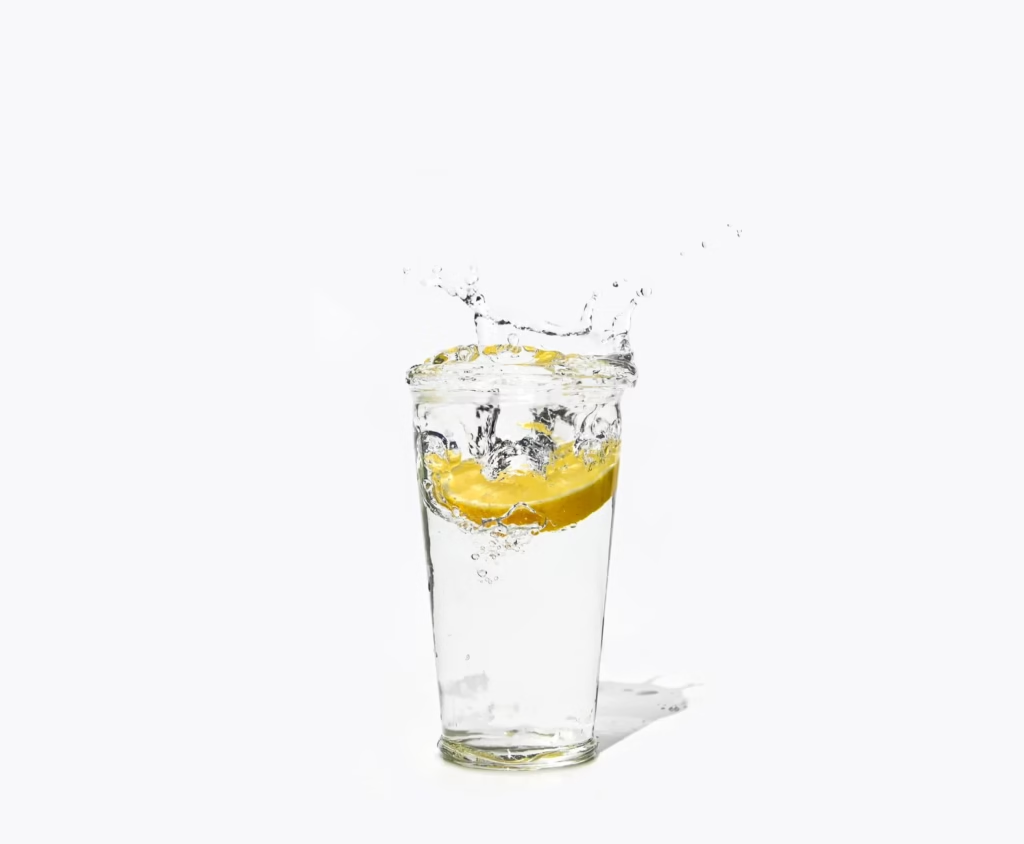
3. Active lifestyle: If you’re physically active or live in a hot climate, your body may require more fluid to support digestion and replace what you lose through sweat. Make sure to drink extra water after exercising to maintain balance.
Signs and Symptoms to Watch For
You may experience several symptoms related to digestion:
Common symptoms include: occasional bloating, gas, and mild constipation. These can often be relieved by increasing your water intake.
Symptoms that may require medical attention include: persistent constipation, severe abdominal pain, or significant changes in bowel habits that don’t improve with increased hydration or dietary adjustments. If you experience these, it’s a good idea to consult with a healthcare professional.
What Can Make It Worse?
There are several factors that may contribute to poor digestion or worsen symptoms:
- Poor hydration: Not drinking enough water, especially when consuming higher amounts of fiber.
- Dietary choices: High intake of processed foods with low water content can lead to digestive difficulty.
- Busy lifestyle: Sometimes, in our fast-paced lives, we may forget to drink enough water, impacting digestion.
- Stress: High-stress levels can slow down your digestive system, and inadequate hydration may exacerbate this.
Foods and Drinks Related to the Topic
While water is key, other foods and drinks can also impact your digestion:
Foods that may help: Hydrating fruits and vegetables like cucumbers, watermelon, oranges, and leafy greens contain high water content, which can contribute to your hydration and aid digestion.
Foods that may worsen digestion: Highly processed foods, excess sugars, and very spicy foods can lead to digestive discomfort in some individuals.
However, remember that everyone’s digestive system is unique! What works for some may not work for others.
What Can We Do?
To support your digestion, here are some practical tips:
- Drink water regularly: Aim to drink a glass of water before each meal. This can help with the breakdown of food in your stomach.
- Monitor your fiber intake: If you’re increasing fiber in your diet, make sure to drink enough water to help it do its job!
- Stay active: Regular physical activity can help keep your digestive system working smoothly and may encourage better hydration habits.
- Listen to your body: If you feel thirsty, drink water. Tuned body signals can be great indicators of your hydration needs.
When Should You See a Doctor?
It’s important to reach out to a healthcare professional in certain situations:
- Severe or persistent abdominal pain that doesn’t go away.
- Constipation that lasts more than a few days, or changes in bowel habits.
- Unexplained weight loss or drastic changes in appetite.
- Blood in your stool or black, tarry stools.
- Severe nausea or vomiting that prevents you from keeping food down.
Always consult a healthcare professional if you are experiencing troubling or persistent symptoms.
Frequently Asked Questions
Why am I always bloated?
Bloating can be caused by various factors, including diet, hydration levels, and even how quickly you eat. Certain foods and insufficient water intake may exacerbate this feeling.
Can food cause digestive issues?
Yes, certain foods can cause digestive distress. Processed foods, high-fat foods, and dairy may contribute to discomfort in some individuals.
When should I worry about bloating?
If bloating is persistent, severe, or accompanied by other concerning symptoms (like pain or changes in bowel habits), it’s wise to check with a doctor.
How much water should I drink for good digestion?
While individual needs vary, a common recommendation is to drink at least 8 eight-ounce glasses of water a day. Adjust this based on your activity level and personal needs.
Does drinking warm water help digestion?
Drinking warm water can sometimes soothe the digestive system and may help with certain digestive issues like bloating.
Can dehydration affect my digestion?
Absolutely! Dehydration can slow down the digestive process, potentially leading to issues like constipation.
Is drinking too much water bad for digestion?
In general, drinking moderate amounts of water is helpful; however, excessive water intake may lead to electrolyte imbalances. Balance is key!
Should I drink water while eating?
Drinking small amounts of water during meals can aid digestion, but some people prefer to drink before or after eating. It’s all about what feels best for you.
What the Research Says About Does Drinking Water Help Digestion?
Research supports the notion that water plays a vital role in various aspects of digestion. Studies suggest that hydration affects the secretion of digestive juices and enzymes, thereby enhancing overall digestive efficiency (NIDDK). Additionally, a larger study found that increased water intake could help alleviate constipation, emphasizing the importance of staying hydrated for regular bowel movements.
However, it’s also important to note that while hydration is beneficial, each individual may respond differently. Research is ongoing, but for most people, drinking water is a simple and effective way to support digestive health.
Simple Daily Habits That May Support Better Health
Incorporating healthy habits into our daily lives can be instrumental for overall wellness, including digestion:
- Stay consistent: Create a routine of drinking water regularly, perhaps starting your day with a glass and carrying a water bottle with you throughout the day.
- Mindful eating: Take your time while eating and drink water slowly, which may help reduce bloating and promote better digestion.
- Stay active: Consistent physical activity not only helps maintain hydration levels but also promotes healthy digestion.
Final Thoughts
So, does drinking water help digestion? The answer is a resounding yes for most people! Staying hydrated supports your digestive system in various ways, including breaking down food, absorbing nutrients, and preventing constipation. But everyone’s body is different, and what works for one person may not work for another.
Incorporating consistent hydration into your daily routine can promote better digestion while also enhancing overall health. If you notice any persistent, concerning symptoms, don’t hesitate to reach out to a healthcare professional for guidance.
Remember, we often fall into the hustle and bustle of daily life, but taking just a moment to prioritize hydration can go a long way in keeping our digestive systems happy!
Sources and References
National Institute of Diabetes and Digestive and Kidney Diseases (NIDDK): Water and Healthier Diets. Published September 2020. https://www.niddk.nih.gov/health-information/nutrition/healthy-eating/water-healthier-diets
Mayo Clinic: Digestive health: When to see a doctor. Updated January 2023. https://www.mayoclinic.org/healthy-lifestyle/digestive-health/in-depth/digestive-health/art-20046476
Cleveland Clinic: Dehydration and digestive health. Updated February 2022. https://my.clevelandclinic.org/health/diseases/9959-dehydration
American Gastroenterological Association: Nutrition and your digestive health. Available at: https://www.gastro.org/nutrition-and-your-digestive-health

Medical Disclaimer
This article is for general educational and informational purposes only. It is not intended to provide medical advice, diagnosis, or treatment. Health conditions can affect people differently, and information that is appropriate for one person may not be appropriate for another. If you have persistent, severe, or concerning symptoms, speak with a qualified healthcare professional for personalized advice.
Further Reading
Ivf Shot Schedule: 10 Things You Should Know
Omeprazole and Alcohol: Is It Safe to Mix?
what does a growth spurt in pregnancy feel like
Photo by Lusynda <3 on Pexels.
Frequently Asked Questions
Can drinking cold water shock my digestive system?
There is no strong medical evidence that cold water causes digestive issues for most people. While some individuals prefer warm water for comfort, your body will naturally bring any water you drink to internal temperature before it affects your digestion.
Should I drink water immediately after eating?
Drinking a moderate amount of water with or after a meal is generally fine and can even help with digestion. Avoid gulping down very large quantities right after eating if it makes you feel uncomfortably full or bloated.
Does sparkling water help with digestion?
Sparkling water can be just as hydrating as still water, though the carbonation might cause gas or bloating in some people. If you find that carbonated drinks make you feel gassy, plain water may be a more comfortable choice.
Can drinking too much water cause diarrhea?
Excessive water intake beyond what your body needs can sometimes lead to loose stools or electrolyte imbalances. It is best to drink enough to stay hydrated and quench your thirst rather than consuming extreme amounts.
The Bottom Line
Water is a fundamental component of a healthy digestive system, helping your body process nutrients and maintain regularity. By staying consistently hydrated, you support your body in avoiding common issues like bloating and constipation. Listen to your body's thirst signals and prioritize water as your primary beverage to keep your digestion on track.