Key Takeaways
- Endometriosis can cause weight changes due to hormonal effects.
- Inflammation and pain can lead to decreased physical activity.
- Dietary changes may help manage symptoms and weight.
- Consult a healthcare provider for personalized management strategies.
Understanding Endometriosis
Endometriosis is a chronic condition affecting millions of women worldwide. It occurs when tissue similar to the lining of the uterus grows outside the uterus, leading to pain, irregular bleeding, and various symptoms that can significantly impact a woman’s quality of life. A common question among those affected is, “Does endometriosis cause weight gain?” This article aims to explore the relationship between endometriosis and weight changes, as well as provide insight into managing the condition.
Women with endometriosis often experience hormonal fluctuations, inflammation, and pain, which can influence their weight. While some may find themselves gaining weight, others may experience weight loss due to pain or dietary restrictions. Understanding how endometriosis affects the body is crucial for managing symptoms and maintaining a healthy weight.
This article delves into the various factors that contribute to weight changes in individuals with endometriosis, including hormonal effects, lifestyle changes, and emotional well-being. By providing a comprehensive overview, we aim to equip readers with the knowledge needed to navigate this complex condition.
The Hormonal Influence of Endometriosis
Endometriosis is heavily influenced by hormones, particularly estrogen. Estrogen promotes the growth of endometrial tissue, and when levels fluctuate, they can impact weight. Here are some key points regarding how hormones affect weight in individuals with endometriosis:
- Estrogen Dominance: Many women with endometriosis experience higher levels of estrogen, which can lead to weight gain, especially in the hips and thighs. This is often referred to as estrogen dominance.
- Menstrual Cycle Changes: The hormonal changes associated with the menstrual cycle can lead to water retention and temporary weight gain during certain phases.
- Insulin Resistance: Research suggests that women with endometriosis may have a higher risk of insulin resistance, which can lead to weight gain and difficulties in losing weight.
Managing Hormonal Influences
To manage weight effectively, it may be helpful to consider the following strategies that address hormonal imbalances:
- Regular Medical Check-ups: Regular consultations with a healthcare provider can help monitor hormone levels and determine if any treatments are necessary.
- Balanced Diet: A diet low in refined sugars and high in whole foods can help regulate insulin and estrogen levels.
- Exercise: Regular physical activity can help maintain hormonal balance, improve mood, and support weight management.
Impact of Inflammation and Pain
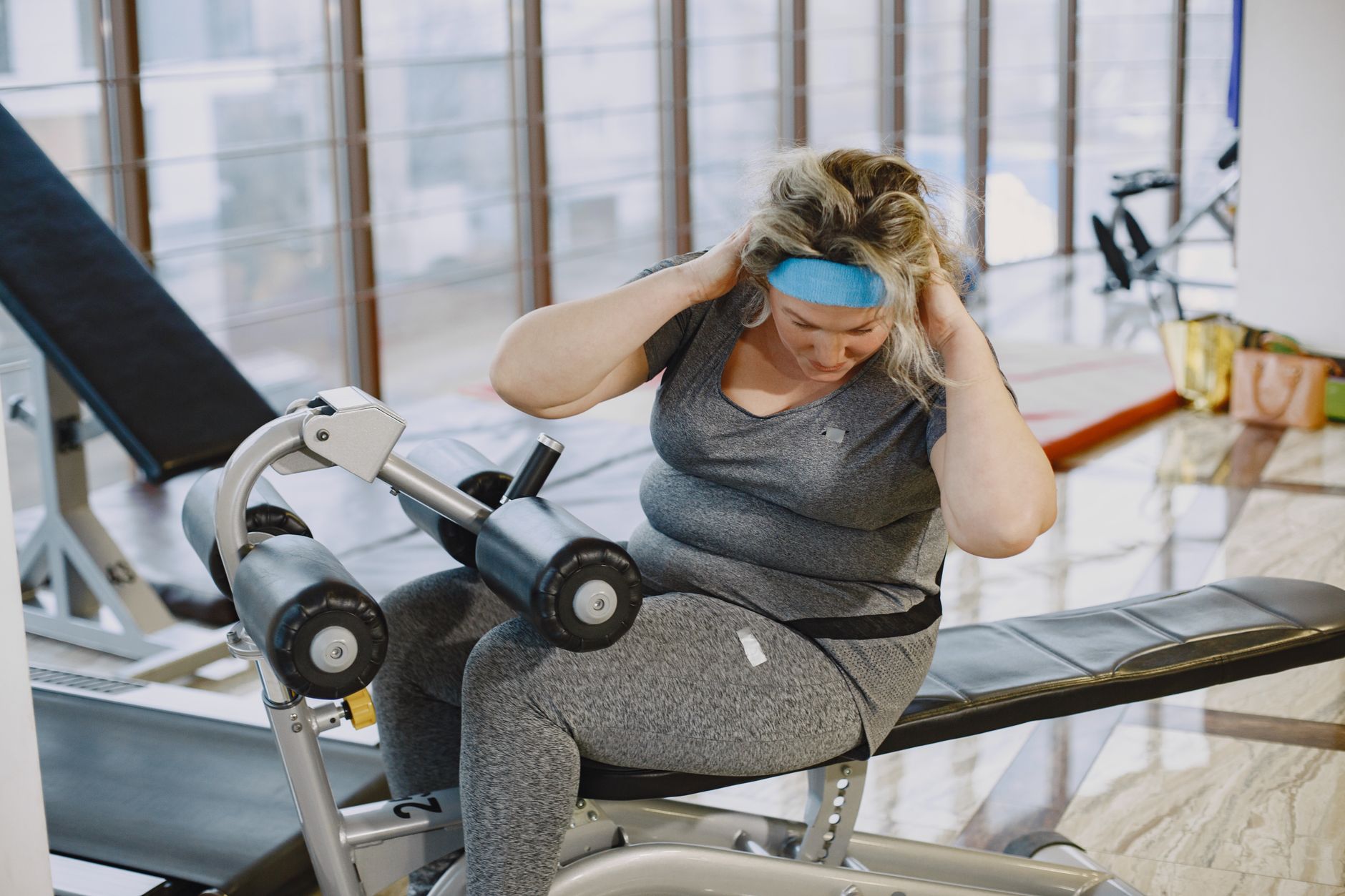
Endometriosis is characterized by chronic inflammation, which can lead to pain and discomfort. This pain can significantly affect a woman’s ability to engage in physical activities, subsequently impacting weight. Here’s how inflammation and pain contribute to weight changes:
- Reduced Activity Levels: Chronic pain can limit physical activity, leading to weight gain due to a decrease in calorie expenditure.
- Emotional Eating: Pain and discomfort can lead to emotional distress, which may result in overeating or unhealthy food choices as a coping mechanism.
- Fatigue: Many women with endometriosis experience fatigue, which can further reduce motivation to exercise and maintain a healthy lifestyle.
Strategies to Manage Pain and Inflammation
Managing pain and inflammation can help improve overall well-being and support weight management. Consider these approaches:
- Physical Therapy: Engaging in physical therapy can help manage pain and improve mobility.
- Mindfulness and Stress Reduction: Techniques such as yoga, meditation, and deep breathing can help reduce stress and improve emotional well-being.
- Anti-inflammatory Diet: Consuming anti-inflammatory foods, such as fatty fish, fruits, and vegetables, can help reduce inflammation and its associated symptoms.
Dietary Considerations for Weight Management
Diet plays a critical role in managing both endometriosis symptoms and weight. Making informed dietary choices can help alleviate some of the discomfort associated with the condition and promote a healthy weight. Here are key dietary considerations:
- Whole Foods: A diet rich in whole foods, such as fruits, vegetables, whole grains, and lean proteins, can provide essential nutrients and help maintain a healthy weight.
- Avoid Processed Foods: Processed foods often contain unhealthy fats, sugars, and additives that can exacerbate inflammation and contribute to weight gain.
- Hydration: Staying hydrated is essential for overall health and can help manage weight.
Sample Anti-inflammatory Foods
| Food Group | Examples |
|---|---|
| Fruits | Berries, cherries, oranges |
| Vegetables | Spinach, kale, broccoli |
| Healthy Fats | Olive oil, avocados, nuts |
| Proteins | Fatty fish, chicken, legumes |
Emotional Well-being and Body Image
Living with endometriosis can take a toll on emotional well-being and body image. This emotional aspect can indirectly influence weight. Many women report feeling self-conscious about their bodies due to weight changes caused by the condition. Here are some factors to consider:
- Body Image Issues: Weight gain or changes in body shape can lead to negative body image, which may affect self-esteem and motivation to engage in healthy behaviors.
- Support Systems: Having a strong support system, whether through friends, family, or support groups, can help improve emotional health and encourage healthy habits.
- Professional Help: Seeking therapy or counseling can be beneficial for managing emotional distress related to endometriosis and body image.
Ways to Enhance Emotional Well-being
Improving emotional well-being can help support weight management and overall health. Consider these strategies:
- Journaling: Keeping a journal can help process emotions and reflect on personal experiences.
- Join Support Groups: Connecting with others who understand the challenges of endometriosis can provide comfort and encouragement.
- Engage in Hobbies: Pursuing hobbies and interests can improve mood and distract from pain or discomfort.
Endometriosis and Metabolic Changes
Understanding Metabolic Syndrome
Individuals with endometriosis may experience a range of metabolic changes that could contribute to weight gain. Metabolic syndrome is a cluster of conditions that include increased blood pressure, high blood sugar, excess body fat around the waist, and abnormal cholesterol levels, which can elevate the risk of heart disease and diabetes. Research has indicated that women with endometriosis may have a higher prevalence of metabolic syndrome due to chronic inflammation and insulin resistance.
Some key factors contributing to metabolic changes in women with endometriosis include:
- Chronic inflammation leading to insulin resistance
- Alterations in hormonal levels affecting metabolism
- Stress and lifestyle factors impacting metabolic health
Women experiencing endometriosis might benefit from regular screenings for metabolic syndrome to better manage their overall health and weight.
Role of Insulin Resistance
Insulin resistance is a condition where the body’s cells become less responsive to insulin, leading to elevated blood sugar levels. Research has shown that women with endometriosis may have issues with insulin sensitivity, which can contribute to weight gain and difficulty losing weight. The hormonal imbalances associated with endometriosis may play a significant role in this process.
Addressing insulin resistance can be crucial for weight management and overall health. Strategies to improve insulin sensitivity include:
- Incorporating physical activity into daily routines
- Following a balanced diet low in refined carbohydrates and sugars
- Managing stress through mindfulness and relaxation techniques
By focusing on these strategies, women with endometriosis can work towards better metabolic health and weight management.

The Psychological Effects of Endometriosis on Weight
Stress and Emotional Eating
Living with endometriosis can lead to significant emotional distress, which may manifest as stress or anxiety. Many individuals may turn to food as a coping mechanism, leading to emotional eating. This pattern can result in unintentional weight gain, exacerbating the feelings of frustration and helplessness that often accompany chronic pain conditions.
Common triggers for emotional eating include:
- Chronic pain and fatigue
- Social isolation due to symptoms
- Frustration with treatment plans or lack of understanding from others
Recognizing these triggers is the first step in managing emotional eating. It can be beneficial to develop healthier coping mechanisms, such as journaling, talking to a therapist, or finding support groups.
Body Image and Self-Perception
Endometriosis can have a profound impact on body image and self-perception. Physical symptoms such as bloating, weight changes, and discomfort can lead to negative self-image and contribute to feelings of inadequacy. Women may feel self-conscious about their bodies, which can further complicate their relationship with food and exercise.
To improve body image and cultivate a more positive self-perception, consider the following strategies:
- Engaging in positive affirmations and self-talk
- Focusing on what the body can do rather than its appearance
- Surrounding oneself with supportive individuals
Addressing body image issues can help women with endometriosis develop a healthier relationship with food and exercise, aiding in weight management.
Exercise Strategies for Women with Endometriosis
Benefits of Regular Physical Activity
Regular exercise can be an effective strategy for managing weight and alleviating some symptoms of endometriosis. Physical activity can help reduce inflammation, improve hormonal balance, and enhance mood through the release of endorphins. Furthermore, exercise can help mitigate the impact of stress on weight gain by providing a healthy outlet for stress relief.
Incorporating the following types of exercise can be beneficial for women with endometriosis:
- Aerobic exercises: Activities such as walking, swimming, or cycling can improve cardiovascular health and aid in weight loss.
- Strength training: Building muscle can increase metabolism, helping with long-term weight management.
- Flexibility and relaxation exercises: Yoga and Pilates can improve flexibility, reduce stress, and alleviate some pain associated with endometriosis.
Finding a balanced exercise routine that fits individual preferences and limitations can lead to better adherence and overall health benefits.
Creating a Sustainable Exercise Plan
Developing a sustainable exercise plan is key for long-term success in managing weight and symptoms associated with endometriosis. It’s crucial to start slowly and gradually increase the intensity and duration of workouts based on individual comfort levels. Consulting with a healthcare provider or a physical therapist can provide personalized recommendations based on specific needs.
Some tips for creating a sustainable exercise plan include:
- Setting realistic goals and milestones
- Incorporating activities that are enjoyable and engaging
- Listening to the body and adapting exercise based on energy levels and pain
Consistency is more important than intensity. Even low-impact activities performed regularly can yield significant health benefits for women with endometriosis.
Impact of Endometriosis on Lifestyle Choices
Dietary Restrictions and Their Consequences
Women with endometriosis often explore various dietary changes to alleviate symptoms, which can inadvertently lead to nutritional deficiencies. For instance, eliminating gluten or dairy may result in decreased calcium and fiber intake. These deficiencies can affect overall health and potentially lead to weight gain if the body is not receiving adequate nutrients to function optimally.
Moreover, the stress of managing endometriosis symptoms can lead to emotional eating. Some women may turn to comfort foods high in sugar and fat as a coping mechanism, which can contribute to weight gain. It is essential for individuals to adopt a balanced approach to their diets while considering their symptoms.
- Monitor food intolerances without complete elimination.
- Include a variety of nutrients to prevent deficiencies.
- Focus on whole foods rather than processed options.
Social Activities and Reduced Physical Engagement
Endometriosis can affect social life due to pain and fatigue, leading to decreased physical activity. When social engagements are limited, individuals may miss out on opportunities for exercise that naturally occur in social settings. This lack of physical engagement can contribute to weight gain over time.
Furthermore, the side effects of treatments, such as hormonal therapies, can also lead to fatigue and a decrease in motivation to participate in physical activities. Finding alternative ways to stay active, like engaging in low-impact exercises, can help maintain a healthy weight while accommodating the symptoms of endometriosis.
- Consider group classes or social sports tailored to low-impact activities.
- Engage in community support groups that encourage physical movement.
- Explore hobbies that promote gentle physical activity, such as yoga or walking.

Understanding the Role of Hormonal Treatments
Impact of Hormonal Therapies on Weight
Hormonal treatments, such as birth control pills and GnRH agonists, are commonly prescribed to manage endometriosis symptoms. While these medications can help alleviate pain, they may also lead to weight fluctuations. For instance, some women report weight gain due to increased appetite or fluid retention associated with hormonal changes.
It is crucial for women undergoing hormonal treatment to monitor their weight and discuss any concerns with their healthcare provider. Adjusting the treatment plan or incorporating lifestyle modifications can help manage weight effectively while still addressing endometriosis symptoms.
- Regularly track weight and any changes in appetite.
- Consult with a healthcare provider about potential side effects.
- Consider alternatives if weight gain becomes significant.
Long-term Effects of Hormonal Treatments
Long-term use of hormonal treatments can lead to significant changes in body composition and weight distribution. Women may experience increased fat storage, particularly in the abdominal area, which can impact self-esteem and body image. Understanding these potential long-term effects can help women prepare for and manage these changes appropriately.
In addition, hormonal treatments may also influence metabolism, which can further complicate weight management. Women should be proactive in adopting healthy lifestyle habits, including regular physical activity and balanced nutrition, to mitigate these effects.
- Stay informed about the long-term implications of hormonal therapies.
- Implement a routine of regular exercise to help counteract weight gain.
- Work with a nutritionist to support metabolic health.
Coping Strategies for Weight Management
Mindfulness and Stress Reduction
Practicing mindfulness can be an effective strategy for managing weight in women with endometriosis. Stress often exacerbates symptoms and can lead to emotional eating, which contributes to weight gain. Techniques such as meditation, deep breathing exercises, and yoga can help cultivate a more mindful eating approach and reduce stress levels.
By becoming more aware of hunger cues and emotional triggers, individuals can develop healthier eating habits and improve their overall relationship with food. Mindful eating encourages individuals to savor their meals, leading to improved satisfaction and potentially decreased caloric intake.
- Incorporate daily mindfulness practices, such as meditation.
- Engage in yoga or gentle stretching to connect mind and body.
- Keep a food diary to identify emotional eating patterns.
Support Networks and Professional Guidance
Having a support network can play a significant role in weight management for those with endometriosis. Connecting with others who understand the challenges can provide emotional support and practical advice. Support groups, either in-person or online, can offer a platform for sharing experiences and strategies for coping with weight management.
Additionally, seeking guidance from healthcare professionals, such as registered dietitians or therapists specializing in chronic illness, can help create personalized plans to address both weight management and endometriosis symptoms effectively. These professionals can provide tailored advice based on individual needs and circumstances.
- Join local or online support groups for women with endometriosis.
- Consult with a registered dietitian for personalized meal planning.
- Consider therapy options for emotional support and coping strategies.
Frequently Asked Questions
Can endometriosis lead to significant weight gain?
Weight gain can occur in some women with endometriosis due to hormonal factors, inflammation, and lifestyle changes. However, it varies from person to person.
How can I manage weight while living with endometriosis?
Managing weight involves adopting a balanced diet, staying active, and addressing emotional well-being. Consulting healthcare professionals can provide tailored strategies.
Is there a specific diet recommended for endometriosis?
While there is no one-size-fits-all diet, an anti-inflammatory diet rich in whole foods may help manage symptoms and support weight management.
What should I do if I notice sudden weight changes?
If you experience sudden weight changes, it’s important to consult with a healthcare provider to determine the underlying causes and appropriate management strategies.
The Bottom Line
Endometriosis can indeed influence weight gain through hormonal changes, inflammation, and lifestyle factors. Understanding these connections is vital for managing the condition and maintaining a healthy weight. By focusing on dietary choices, physical activity, and emotional well-being, individuals with endometriosis can take proactive steps towards managing their health effectively.
Note: This article is for general information only and is not medical advice. See a qualified health professional about your own situation.