Key Takeaways
- Ja Morant currently does not have lung cancer.
- Lung cancer symptoms can be subtle and vary from person to person.
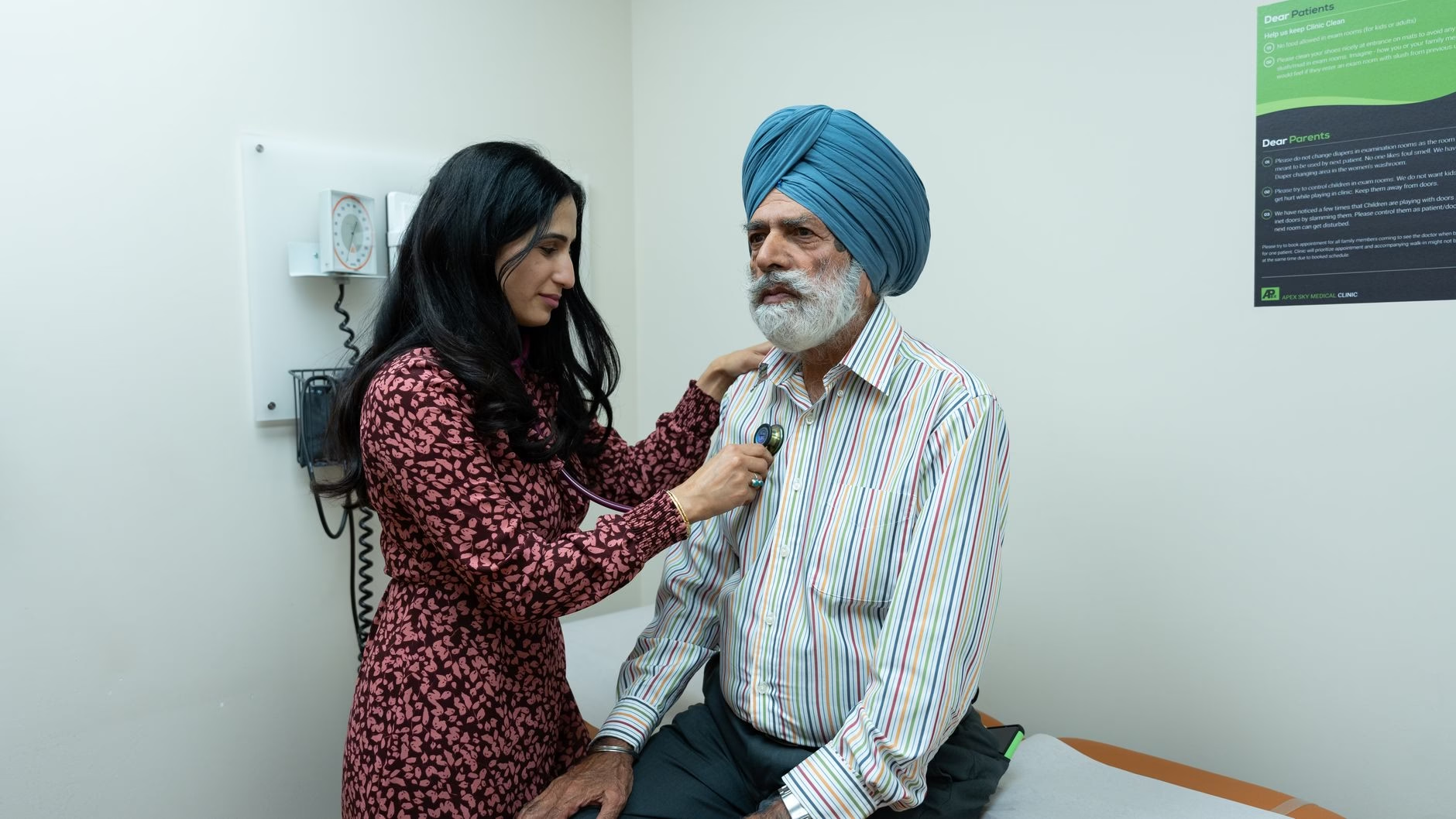
- Regular check-ups and awareness of risk factors are essential.
- Consulting a healthcare professional for any health concerns is critical.
Does ja morant have lung cancer?
As of now, there is no evidence or public reports confirming that Ja Morant, the rising NBA star, has lung cancer. The question “Does ja morant have lung cancer” has surfaced due to increased public interest in his health, particularly following any incidents that might have raised concern. However, it is essential to differentiate between speculation and verified information.
Lung cancer is a serious health condition that affects thousands of individuals each year. It’s crucial for fans and the public to understand the nature of this disease, its symptoms, and risk factors. Misunderstandings about a person’s health can lead to unnecessary worry, especially for someone in the public eye like Morant.
This article aims to provide a comprehensive overview of lung cancer, including its causes, symptoms, treatment options, and how to maintain lung health. Understanding these aspects can help demystify the condition and provide clarity regarding any public figures associated with it.
Understanding Lung Cancer
Lung cancer occurs when abnormal cells in the lungs grow uncontrollably. There are two main types of lung cancer: non-small cell lung cancer (NSCLC) and small cell lung cancer (SCLC). NSCLC is the more common type, accounting for about 85% of all lung cancer cases. SCLC is less common but tends to grow and spread more quickly.
Risk factors for lung cancer include smoking, exposure to secondhand smoke, exposure to certain chemicals (like asbestos), and genetic predispositions. It’s worth noting that non-smokers can also develop lung cancer, highlighting the importance of understanding other potential risk factors.
Symptoms of lung cancer often do not appear until the disease is advanced. Common symptoms include:
- Persistent cough that worsens over time
- Chest pain that may be worse with deep breaths, coughing, or laughing
- Shortness of breath or wheezing
- Unexplained weight loss
- Fatigue
- Coughing up blood
Symptoms of Lung Cancer
Recognizing the symptoms of lung cancer can lead to earlier diagnosis and treatment. Here are some common signs to be aware of:
1. Persistent Cough
A cough that doesn’t go away or worsens over time can be a significant warning sign. If you’ve been dealing with a persistent cough for more than a few weeks, it’s important to consult a healthcare professional.
2. Chest Pain
Many individuals with lung cancer experience chest pain that may feel worse with certain movements such as deep breathing, coughing, or laughing. This discomfort might be mistaken for other less serious conditions, which is why proper evaluation is vital.
3. Shortness of Breath
Shortness of breath can occur even without physical exertion. This symptom can be alarming and should prompt a visit to a healthcare provider, especially if it occurs suddenly or progressively worsens.
Risk Factors for Lung Cancer
Understanding the risk factors associated with lung cancer can help in prevention and early detection. Here are some common risk factors:
- Smoking: Cigarette smoking is the leading cause of lung cancer. The risk increases with the number of cigarettes smoked and the duration of smoking.
- Secondhand Smoke: Non-smokers who live with or are frequently around smokers are at increased risk of lung cancer.
- Occupational Exposure: Jobs that expose you to certain chemicals, such as asbestos or arsenic, can increase lung cancer risk.
- Family History: Genetics can play a role in lung cancer risk. If someone in your family has had lung cancer, your risk may be higher.
- Previous Lung Disease: Individuals with a history of lung diseases, such as chronic obstructive pulmonary disease (COPD) or tuberculosis, are at increased risk.
Diagnosis of Lung Cancer
Diagnosing lung cancer typically involves several steps, which may include:
1. Imaging Tests
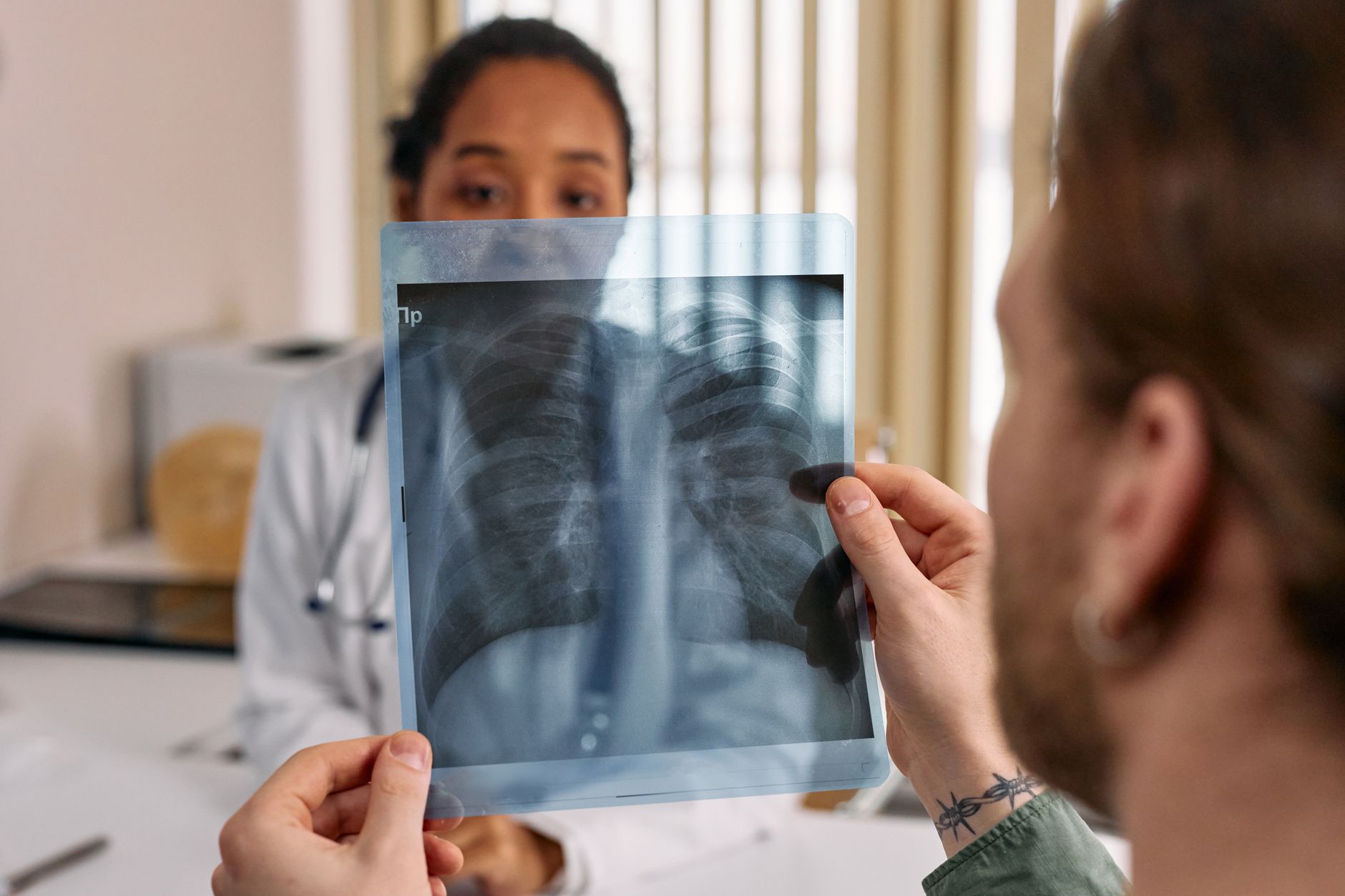
X-rays and CT scans are commonly used to look for abnormalities in the lungs. These imaging tests can help detect tumors and assess their size and location.
2. Biopsy
A biopsy involves taking a small sample of lung tissue for testing. This is the definitive way to diagnose lung cancer and determine its type.
3. Molecular Testing
In some cases, doctors may perform molecular testing on biopsy samples to identify specific genetic mutations that could influence treatment options.

Treatment Options for Lung Cancer
Treatment for lung cancer depends on various factors, including the type and stage of cancer, as well as the patient’s overall health. Common treatment options include:
1. Surgery
Surgery may be an option if lung cancer is detected early and has not spread. The goal is to remove the tumor and surrounding tissue.
2. Radiation Therapy
This treatment uses high-energy rays to kill cancer cells. Radiation may be used alone or in conjunction with surgery and chemotherapy.
3. Chemotherapy
Chemotherapy involves using drugs to kill cancer cells. It is often used when cancer has spread beyond the lungs.
4. Targeted Therapy
Targeted therapies focus on specific genetic changes in cancer cells. These treatments can be less harmful to normal cells and may offer a more personalized approach.
Maintaining Lung Health
While the topic of lung cancer can be daunting, there are several proactive steps individuals can take to maintain lung health:
- Avoid Smoking: The best way to reduce lung cancer risk is to avoid smoking and exposure to secondhand smoke.
- Stay Active: Regular physical activity supports overall lung health and can help mitigate the effects of aging on the lungs.
- Healthy Diet: Eating a balanced diet rich in fruits and vegetables can provide antioxidants that support lung function.
- Regular Check-ups: Annual check-ups with your healthcare provider can help catch potential issues early.
Impact of Lung Cancer on Quality of Life
Physical Limitations and Lifestyle Changes
Lung cancer can significantly affect a person’s physical capabilities, often leading to limitations in everyday activities. Patients may experience fatigue, shortness of breath, and a decrease in overall stamina, which can hinder their ability to participate in regular exercises or even simple tasks like walking or climbing stairs. These changes necessitate a reevaluation of one’s lifestyle, often prompting a shift towards more sedentary activities, which can further impact physical health.
Moreover, as the disease progresses, patients may need to adopt a more structured routine to manage symptoms effectively. This can include scheduled rest periods, dietary adjustments, and possibly physical therapy to preserve mobility. The need for support from family or caregivers also increases, as the patient may find it challenging to manage daily responsibilities independently.
Psychological and Emotional Effects
The diagnosis of lung cancer can lead to significant psychological distress for patients and their families. Anxiety, depression, and feelings of isolation are common as individuals grapple with the reality of their illness. Many patients report experiencing fear of mortality and concerns about the impact of their illness on loved ones. This emotional burden can be exacerbated by physical symptoms, creating a cycle of distress that can be difficult to break.
Support groups and counseling services can provide essential mental health support, allowing patients to share their experiences and connect with others in similar situations. These resources can help foster a sense of community and alleviate feelings of isolation. It is crucial for healthcare providers to address the psychological aspects of lung cancer alongside the physical symptoms to enhance overall patient well-being.
Support Systems and Palliative Care
- Family support
- Professional counseling
- Support groups
- Palliative care services
- Hospice care options
A robust support system is vital for lung cancer patients. Family members often play a crucial role, providing both emotional support and practical assistance. Professional counseling can also help patients navigate their feelings and cope with the challenges of their diagnosis. Additionally, support groups offer a unique opportunity for patients to connect with others facing similar struggles, fostering a sense of belonging and understanding.
Palliative care services are designed to improve the quality of life for patients with serious illnesses, including lung cancer. These services focus on symptom management and emotional support, ensuring that patients can maintain the best possible quality of life throughout their treatment journey. For those in advanced stages of the disease, hospice care provides comprehensive support, emphasizing comfort and dignity at the end of life.

Preventive Measures and Lung Cancer Screening
Importance of Early Detection
Early detection of lung cancer is critical for improving treatment outcomes and survival rates. Screening methods, such as low-dose computed tomography (LDCT), have been shown to reduce mortality in high-risk populations, particularly those with a history of heavy smoking. Regular screenings can help catch the disease in its initial stages when treatment options are often more effective.
Healthcare providers typically recommend screening for individuals aged 50 to 80 who have a significant smoking history or have quit smoking within the past 15 years. It is essential to discuss personal risk factors and family history with a healthcare provider to determine the appropriate screening schedule.
Preventive Lifestyle Choices
Adopting a healthy lifestyle can significantly reduce the risk of developing lung cancer. Key preventive measures include:
- Quitting smoking and avoiding secondhand smoke
- Maintaining a balanced diet rich in fruits and vegetables
- Engaging in regular physical activity
- Limiting exposure to environmental pollutants
- Staying informed about occupational hazards
Quitting smoking is the most effective way to lower lung cancer risk. Resources such as cessation programs and support groups can greatly assist in this endeavor. A diet rich in antioxidants, vitamins, and minerals can bolster overall lung health, while regular physical activity promotes better oxygenation and lung function. Furthermore, minimizing exposure to harmful substances in the environment is crucial, particularly for individuals with occupations that may involve exposure to carcinogens.
Community Awareness and Education
Increasing public awareness and education about lung cancer is vital for promoting preventive measures and encouraging individuals to seek screening. Community health initiatives can play a significant role in disseminating information about risk factors, symptoms, and the importance of early detection. Educational campaigns can target high-risk populations and aim to reduce stigma surrounding lung cancer, particularly in relation to smoking.
Healthcare professionals, community organizations, and advocacy groups can collaborate to create workshops, seminars, and informational materials that educate the public. By fostering an informed community, the chances of early detection and successful treatment can improve, ultimately leading to better health outcomes.
Emerging Research and Future Directions in Lung Cancer Treatment
Advancements in Targeted Therapy
Recent advancements in lung cancer treatment have highlighted the importance of personalized medicine, particularly through targeted therapies. These treatments focus on specific genetic mutations and characteristics of a patient’s tumor, allowing for more effective and less toxic options compared to traditional chemotherapy. For instance, therapies targeting EGFR, ALK, and ROS1 mutations have shown significant promise in improving survival rates for patients with advanced lung cancer.
Ongoing research continues to explore new targeted therapies and their effectiveness in various patient subgroups. Clinical trials are crucial for evaluating these novel treatments, and patients are encouraged to discuss trial opportunities with their healthcare providers. As more genetic mutations are identified, the potential for personalized treatment plans will likely expand, offering hope for improved outcomes.
Immunotherapy Developments
Immunotherapy has emerged as a groundbreaking treatment option for lung cancer, harnessing the body’s immune system to fight cancer cells. Immune checkpoint inhibitors, such as pembrolizumab and nivolumab, have shown effectiveness in treating non-small cell lung cancer, particularly in patients with high levels of PD-L1 expression. These therapies can lead to long-lasting responses and improved survival rates for some patients.
Research into combination therapies, where immunotherapy is used alongside chemotherapy or targeted therapies, is also underway. Such combinations aim to enhance treatment efficacy and overcome resistance mechanisms that tumors may develop. Continued studies will help refine these approaches and identify the most effective treatment regimens for different patient populations.
Future Directions in Research
- Investigation of biomarkers for personalized treatment
- Development of novel drug delivery systems
- Exploration of cancer vaccines
- Enhancements in treatment accessibility
- Long-term survivorship care strategies
The future of lung cancer treatment will likely focus on the identification of biomarkers that can guide personalized therapies, leading to more tailored and effective treatment plans. Additionally, advancements in drug delivery systems may enhance the efficacy of existing treatments while minimizing side effects. Research into cancer vaccines is also promising, potentially enabling the immune system to recognize and attack cancer cells more effectively.
Ensuring that effective treatments are accessible to all patients remains a significant challenge, and ongoing efforts to address disparities in care are essential. Finally, as the number of lung cancer survivors increases, developing comprehensive survivorship care strategies will be crucial in addressing the long-term health needs of these individuals.
Frequently Asked Questions
1. What are the early signs of lung cancer?
Early signs of lung cancer can be subtle. Some common early symptoms include a persistent cough, shortness of breath, and unexplained weight loss.
2. Can lung cancer be cured?
Early-stage lung cancer can often be treated successfully. However, the prognosis depends on the type of cancer and how far it has spread. Treatment options include surgery, chemotherapy, and radiation therapy.
3. Who is at risk for lung cancer?
Individuals at higher risk for lung cancer include smokers, those exposed to secondhand smoke, individuals with a family history of lung cancer, and those who have worked with certain hazardous chemicals.
4. How often should I get screened for lung cancer?
People at high risk for lung cancer may benefit from annual screenings with low-dose CT scans. Consult with a healthcare provider to determine the best screening schedule for your situation.
The Bottom Line
Currently, there is no indication that Ja Morant has lung cancer. Understanding lung cancer, its symptoms, risk factors, and treatment options can empower individuals to take charge of their lung health. If you have any concerns about your health or symptoms, it is crucial to seek guidance from a qualified healthcare professional.
Note: This article is for general information only and is not medical advice. See a qualified health professional about your own situation.