
Key Takeaways
- Lysol can kill norovirus when used correctly.
- Proper application and contact time are crucial for effectiveness.
- Preventive measures are essential to control norovirus spread.
- Understanding norovirus is key to effective cleaning and sanitation.
Understanding Norovirus
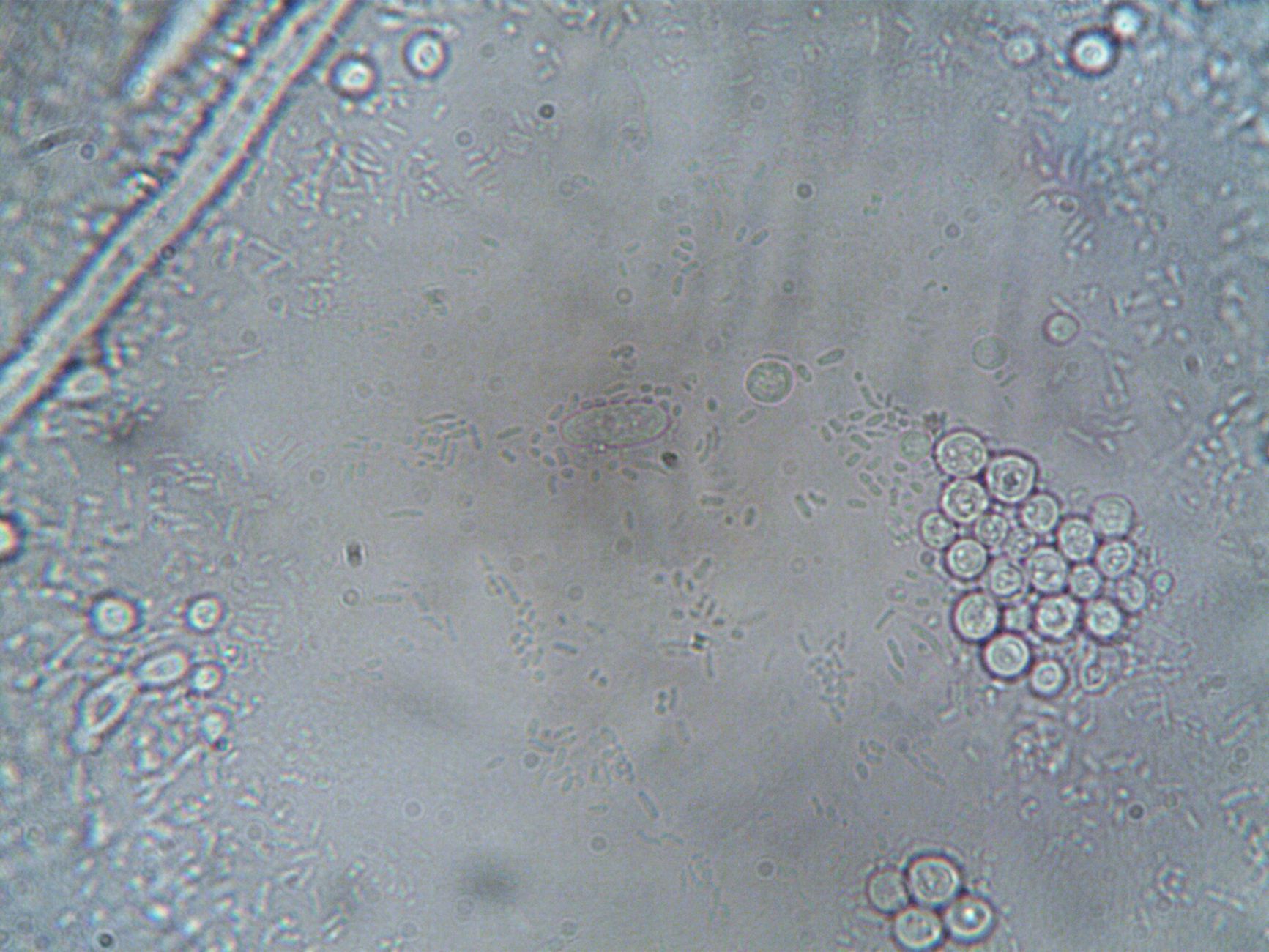
Norovirus is a highly contagious virus that causes gastroenteritis, an inflammation of the stomach and intestines. It is often referred to as the “stomach flu,” although it is not related to the flu. The virus can spread through contaminated food, surfaces, and close contact with infected individuals. In fact, norovirus is responsible for a significant number of foodborne illness outbreaks each year, especially in closed environments like cruise ships and nursing homes.
Understanding the transmission and persistence of norovirus is crucial for effective prevention and control measures. Norovirus can survive on surfaces for days or even weeks, making it essential to use effective disinfectants that can eliminate the virus from contaminated surfaces. This leads us to the pertinent question: Does lysol kill norovirus?
To answer this question, we need to explore the effectiveness of Lysol products against norovirus, how to use these products properly, and other preventive measures that can help mitigate the risk of infection.
Does Lysol Kill Norovirus?
Yes, certain Lysol products are effective against norovirus when used according to the manufacturer’s instructions. Lysol disinfectant sprays and wipes are commonly used for this purpose. However, not all Lysol products are created equal, and it’s important to check the label to ensure that the specific product you are using is approved for use against norovirus.
The Environmental Protection Agency (EPA) maintains a list of disinfectants that are effective against norovirus. You can find Lysol products on this list, which gives you confidence that they can effectively kill the virus on surfaces.
It’s crucial to use Lysol products properly to ensure they effectively kill norovirus. This means applying the product directly to clean, non-porous surfaces and allowing it to remain wet for the required contact time, which is typically around 10 minutes for norovirus. Always follow the instructions on the label for the best results.

How to Use Lysol Products Effectively
Using Lysol products effectively against norovirus involves several steps:
- Read the Label: Always start by reading the label of the Lysol product to confirm it is effective against norovirus.
- Clean the Surface: Before disinfecting, clean the surface with soap and water to remove any dirt or debris.
- Apply the Product: Spray or wipe the surface generously with the Lysol product.
- Allow Contact Time: Let the product sit on the surface for the recommended contact time, usually around 10 minutes.
- Wipe or Air Dry: Depending on the product, either wipe the surface clean or let it air dry.
By following these steps, you can ensure that you are effectively using Lysol products to kill norovirus on surfaces in your home or workplace.
Alternative Disinfectants and Their Effectiveness
While Lysol is a popular choice for disinfecting against norovirus, there are other disinfectants that are also effective. Here are a few alternatives:
- Bleach: A solution of bleach and water (1,000-5,000 ppm) is highly effective against norovirus. Be cautious, as bleach can damage some surfaces and fabrics.
- Hydrogen Peroxide: Hydrogen peroxide can be used as a disinfectant and is effective against norovirus if used in the correct concentration (around 3% for home use).
- Alcohol-Based Disinfectants: Disinfectants containing at least 70% alcohol can also be effective against norovirus, especially when used on hard surfaces.
It’s important to follow the manufacturer’s instructions for any disinfectant, just as you would with Lysol, to ensure effectiveness.
Preventing Norovirus Infection
In addition to using disinfectants like Lysol, there are several preventive measures you can take to reduce the risk of norovirus infection:
- Wash Your Hands: Frequent handwashing with soap and water is one of the best defenses against norovirus. Wash your hands after using the bathroom, before eating, and after handling food.
- Avoid Contaminated Food: Be cautious when consuming raw or undercooked foods, especially shellfish, which can harbor norovirus.
- Stay Home When Sick: If you or someone in your household is infected with norovirus, stay home to prevent spreading it to others.
- Clean and Disinfect: Regularly clean and disinfect surfaces, especially in areas frequented by many people, such as kitchens and bathrooms.
By incorporating these preventive measures into your daily routine, you can significantly reduce your risk of contracting norovirus.
Recognizing Symptoms of Norovirus Infection
Recognizing the symptoms of norovirus infection is essential for early detection and management. Common symptoms include:
- Nausea and Vomiting: These are often the first symptoms to appear.
- Diarrhea: Watery diarrhea is a common symptom and can lead to dehydration.
- Stomach Pain: Cramping and discomfort in the abdominal area may occur.
- Fever: A low-grade fever may accompany other symptoms.
Symptoms typically appear 12 to 48 hours after exposure and can last for one to three days. If you suspect you have norovirus, it is important to stay hydrated and seek medical advice, especially if symptoms are severe.
Cleaning Up After a Norovirus Outbreak
If someone in your household has been infected with norovirus, it’s important to take extra precautions when cleaning up to prevent further spread of the virus.
- Isolate the Infected Person: Keep the infected person away from others as much as possible.
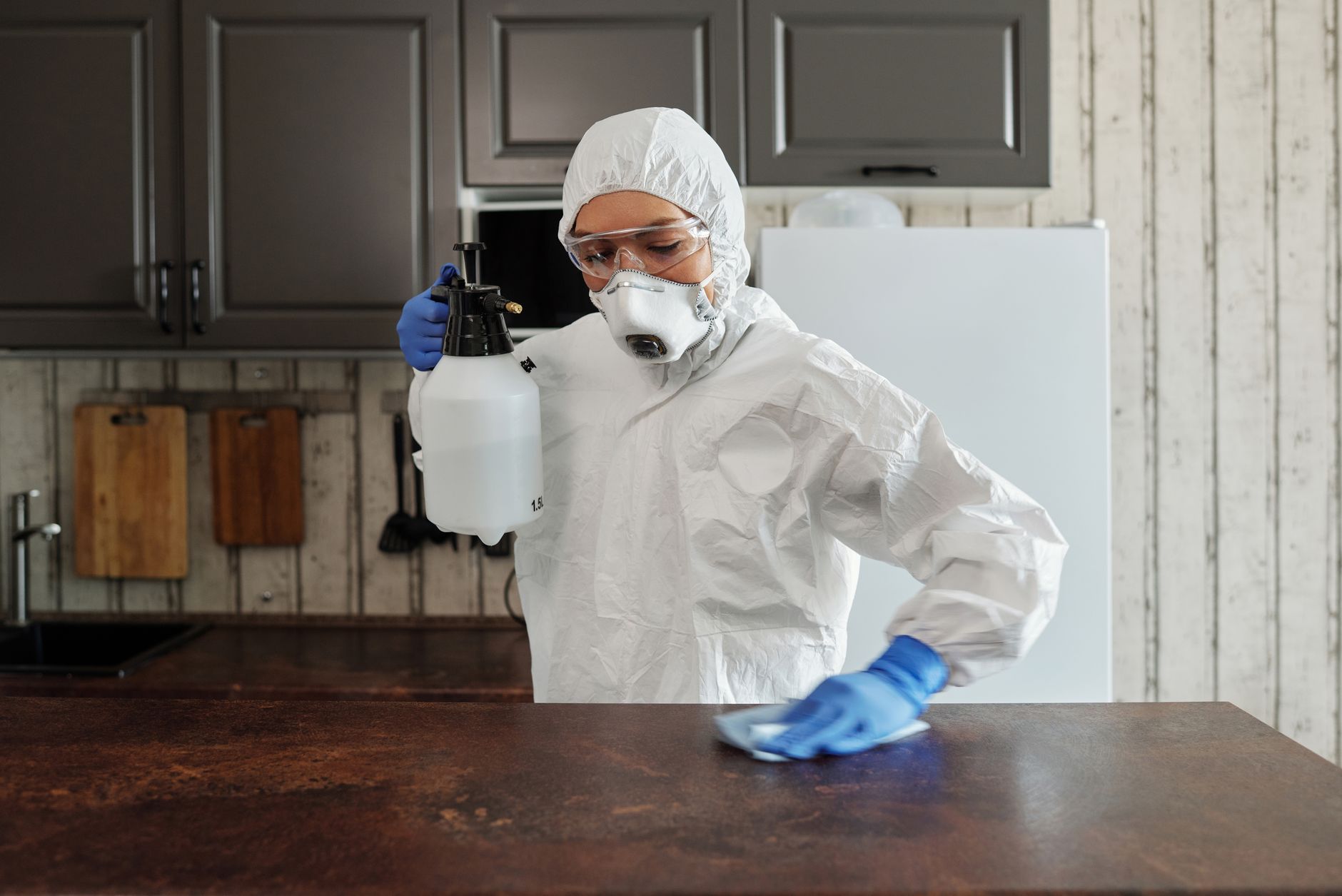
- Wear Protective Gear: Use gloves and masks when cleaning up bodily fluids to protect yourself.
- Disinfect Thoroughly: Use disinfectants effective against norovirus on all surfaces that may have come into contact with the infected person.
- Wash Linens and Clothing: Wash any contaminated linens, clothing, or other items in hot water, and dry them on a high heat setting.
- Notify Others: Inform others who may have been in close contact so they can monitor for symptoms.
By following these steps, you can help to contain the outbreak and protect yourself and others from infection.
Environmental Factors Affecting Norovirus Survival
Temperature and Humidity
The survival of norovirus outside a host is significantly influenced by environmental conditions. Research indicates that norovirus can remain viable on surfaces for extended periods, especially under certain temperature and humidity levels. In general, cooler temperatures and lower humidity enhance the virus’s stability, allowing it to survive longer on surfaces.
For instance, at temperatures around 4°C (39°F), norovirus can persist for weeks or even months. Conversely, higher temperatures can reduce its viability, although the virus may still survive at moderate temperatures. Humidity also plays a critical role, as lower humidity levels can help preserve the virus’s structure and infectivity.
- Optimal temperature range for norovirus survival: 0°C to 20°C
- Humidity levels below 50% can enhance virus stability
- Survival times can vary from days to weeks depending on conditions
Surface Material and Texture
The type of surface material significantly impacts how long norovirus can survive. Non-porous surfaces, such as stainless steel and plastic, tend to harbor the virus for longer periods compared to porous materials like fabric or paper. This is due to the ability of the virus to adhere more effectively to smooth, hard surfaces.
In addition, textured surfaces may provide fewer sites for the virus to latch onto, thereby reducing its longevity. Understanding which materials are more susceptible to norovirus contamination can aid in selecting cleaning methods and materials that effectively remove the virus.
- Non-porous surfaces (e.g., countertops, doorknobs): higher survival rates
- Porous surfaces (e.g., clothing, carpets): lower survival rates
- Common materials and their associated survival times:
- Stainless steel: 7 days
- Plastic: 5 days
- Wood: 2 days
Impact of Cleaning Practices
The effectiveness of cleaning practices also plays a critical role in how long norovirus can survive in an environment. Regular cleaning and disinfecting can significantly reduce the presence of the virus on surfaces. However, not all cleaning agents are equally effective against norovirus. It is essential to use products that specifically state their efficacy against viruses.
Additionally, the method of cleaning can influence the removal of norovirus. For example, the use of cloths that are reused multiple times without proper washing can facilitate the spread of the virus, whereas disposable wipes can help minimize cross-contamination.
- Use of EPA-registered disinfectants is recommended
- Thorough cleaning before disinfection enhances efficacy
- Consider using disposable cleaning materials for high-risk areas
The Role of Hand Hygiene in Controlling Norovirus Spread
Importance of Handwashing
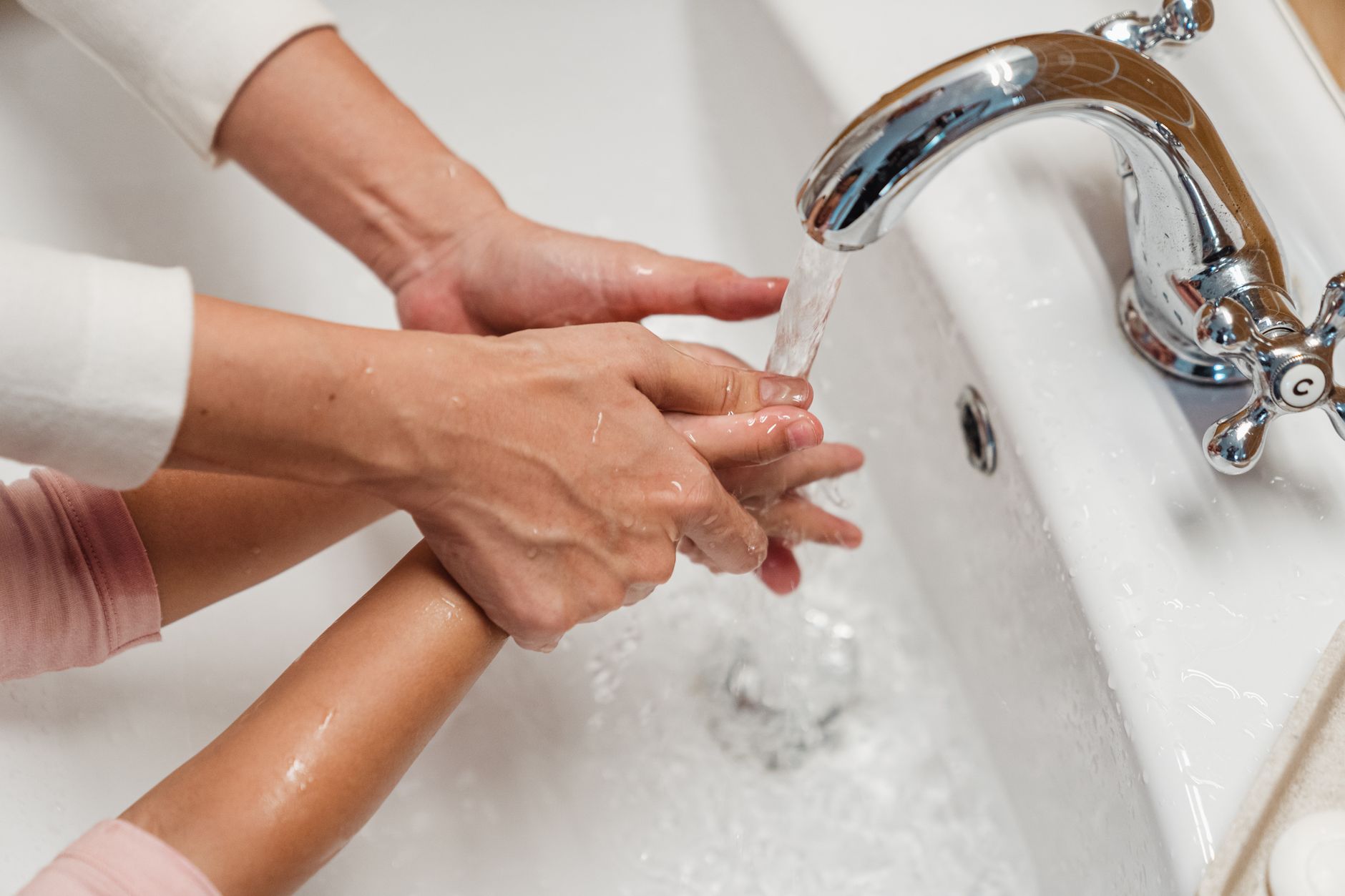
Hand hygiene is a crucial factor in preventing the spread of norovirus, especially in communal settings. The virus can easily spread from person to person or via contaminated surfaces, making proper handwashing essential. Studies have shown that washing hands with soap and water can significantly reduce the transmission of norovirus, as the virus can be physically removed from the skin.
It is vital to wash hands before eating, after using the bathroom, and after handling potentially contaminated surfaces or food. The Centers for Disease Control and Prevention (CDC) recommends washing hands for at least 20 seconds to ensure thorough cleaning.
- Key moments for handwashing:
- Before meals or food preparation
- After using the restroom
- After caring for someone who is ill
Hand Sanitizers: Effectiveness and Limitations
While hand sanitizers can be convenient, they are not always effective against norovirus. Most alcohol-based hand sanitizers do not kill norovirus due to the virus’s structure and resilience. However, they can still be useful in situations where soap and water are not available, as they can reduce the number of germs on the skin.
For optimal protection, it is recommended to use hand sanitizers that contain at least 60% alcohol. Nonetheless, handwashing with soap and water remains the gold standard for norovirus prevention.
- Characteristics of effective hand sanitizers:
- At least 60% alcohol content
- Effective for reducing bacterial load but not reliable for viruses
Proper Handwashing Techniques
To maximize the effectiveness of handwashing, it is essential to follow proper techniques. Wetting hands, applying soap, and scrubbing all surfaces of the hands (including between fingers and under nails) for at least 20 seconds is vital. Rinsing thoroughly under clean, running water helps to remove any remaining virus particles.
After washing, it is advisable to dry hands using a clean towel or air dryer. Using a towel to turn off the faucet can also prevent recontaminating hands post-washing.
- Steps for effective handwashing:
- Wet hands with clean, running water
- Apply soap and lather well
- Scrub for at least 20 seconds
- Rinse thoroughly
- Dry with a clean towel
Understanding Norovirus Outbreaks in Different Settings
High-Risk Environments
Norovirus outbreaks often occur in environments where large groups of people gather, such as cruise ships, schools, and healthcare facilities. These settings are particularly vulnerable due to close contact among individuals and shared surfaces that can become contaminated.
In cruise ships, for instance, the close quarters and shared dining areas facilitate rapid spread. Similarly, schools often see outbreaks during colder months when children are indoors and in close proximity. Preventative measures, including enhanced cleaning protocols and education about hand hygiene, are crucial in these environments.
- Common high-risk environments for norovirus outbreaks:
- Healthcare facilities
- Schools and daycare centers
- Cruise ships and resorts
Preventing Outbreaks in Community Settings
Community settings, such as local events or gatherings, can also experience norovirus outbreaks. To mitigate risks, organizers should promote good hygiene practices, provide handwashing stations, and ensure that food safety guidelines are followed. Regular cleaning of high-touch surfaces is necessary to minimize the risk of transmission.
Educating community members about the importance of staying home when sick is vital in preventing the spread. Those who exhibit symptoms should refrain from preparing food or serving others until they have been symptom-free for at least 48 hours.
- Key prevention strategies in community settings:
- Promote hand hygiene
- Regularly clean high-touch surfaces
- Encourage sick individuals to stay home
Impact of Food Handling on Norovirus Transmission
Food handling is a significant factor in norovirus transmission. The virus can be transmitted through contaminated food, often due to improper handling or preparation by an infected individual. Foods commonly associated with norovirus outbreaks include raw produce, shellfish, and ready-to-eat items.
To reduce the risk of foodborne transmission, it is essential to practice good food hygiene. This includes washing hands before food preparation, ensuring that food is cooked to safe temperatures, and washing fruits and vegetables thoroughly. Additionally, food workers should be trained in recognizing symptoms of norovirus and understanding the importance of reporting illness.
- Food safety practices to prevent norovirus transmission:
- Wash hands frequently
- Cook food to safe temperatures
- Thoroughly wash produce
Frequently Asked Questions
How long can norovirus survive on surfaces?
Norovirus can survive on surfaces for days to weeks, depending on the material. This makes regular cleaning and disinfecting essential.
Can you get norovirus from contaminated water?
Yes, norovirus can be transmitted through contaminated water. This includes drinking water or water used for food preparation.
Is hand sanitizer effective against norovirus?
Hand sanitizers are not as effective against norovirus as washing hands with soap and water. It’s best to wash hands thoroughly, especially after potential exposure.
What should I do if I think I have norovirus?
If you suspect you have norovirus, stay hydrated and rest. Seek medical attention if symptoms are severe or if you cannot keep fluids down.
The Bottom Line
In summary, the answer to the question, “Does lysol kill norovirus?” is yes, but it’s important to use these products correctly to ensure effectiveness. Regular cleaning, proper hand hygiene, and awareness of norovirus symptoms are crucial for preventing infection. By taking proactive steps, you can protect yourself and others from this highly contagious virus.
Note: This article is for general information only and is not medical advice. See a qualified health professional about your own situation.