Key Takeaways
- Bowel movements remove waste but do not significantly impact weight loss.
- Weight loss is primarily driven by diet and exercise.
- Healthy bowel habits contribute to overall wellness.
- Staying hydrated and eating fiber-rich foods support digestive health.
Many people wonder, does pooping help you lose weight? This question arises from a common belief that the act of bowel movements can lead to weight reduction. While it is true that pooping eliminates waste from the body, the relationship between bowel movements and actual weight loss is more complex.
Understanding how digestion works and how it relates to weight management can provide clarity. In this article, we will explore the mechanisms of digestion, the impact of bowel health on overall wellness, and whether or not pooping significantly contributes to weight loss.
By the end of this guide, you will have a better understanding of your body’s processes and how they relate to weight management.
The Digestive Process Explained
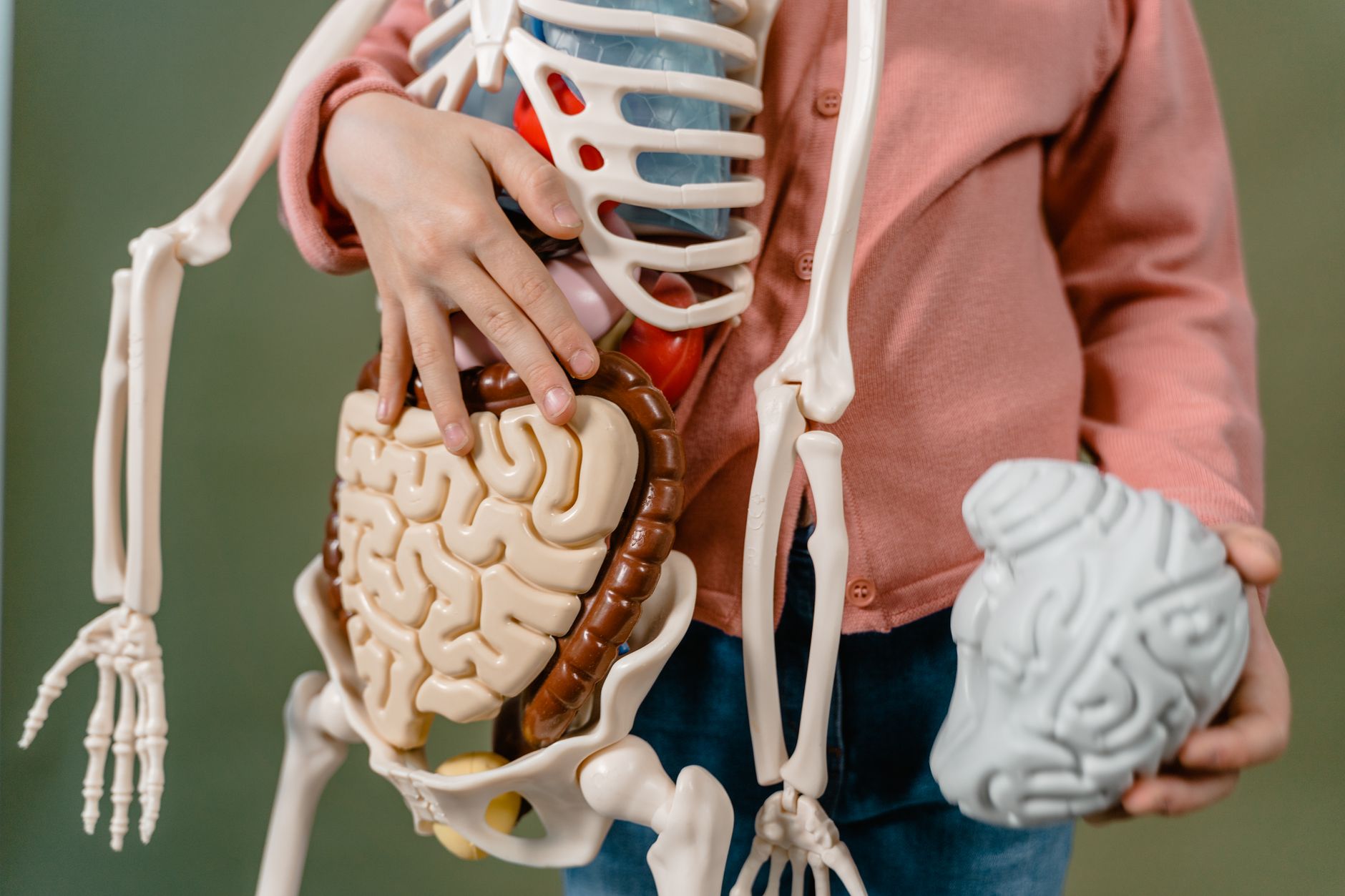
Before we can answer the question of whether pooping helps with weight loss, it’s essential to understand how digestion works. The digestive system processes food, breaking it down into nutrients that the body can use.
The digestive process involves several organs, including the stomach, intestines, and colon. Here is a brief overview of how it works:
- Ingestion: Food enters the mouth, where it is chewed and mixed with saliva.
- Digestion: The food travels to the stomach, where it is mixed with gastric juices. This mixture moves into the small intestine, where nutrients are absorbed into the bloodstream.
- Absorption: The small intestine absorbs most nutrients; what remains moves into the large intestine.
- Excretion: Waste products that cannot be absorbed are formed into stool and are eventually expelled through bowel movements.
Importance of a Healthy Digestive System
A healthy digestive system is crucial for overall well-being. Here are several reasons why maintaining good digestive health is important:
- Nutrient Absorption: A healthy gut ensures that your body receives the essential nutrients it needs from food.
- Weight Management: Proper digestion can help regulate weight by ensuring that calories are processed efficiently.
- Toxin Elimination: Regular bowel movements help remove toxins and waste, reducing the risk of gastrointestinal issues.
Does Pooping Contribute to Weight Loss?
While pooping does remove waste from the body, it is important to clarify that the weight lost during a bowel movement is typically a temporary change. The weight of the stool itself does not equate to fat loss.
Here are some key points to consider:
- Weight Fluctuation: The scale may show a lower number after a bowel movement, but this is not indicative of fat loss. It reflects the weight of waste that has been eliminated.
- Caloric Deficit: True weight loss occurs when you burn more calories than you consume. This is achieved through a balanced diet and regular exercise.
- Hydration Factors: Dehydration can lead to harder stools and irregular bowel movements, which may affect the frequency of pooping but not contribute to actual fat loss.
Understanding Body Weight
Body weight is influenced by a myriad of factors, including metabolism, body composition, and lifestyle choices. Here are some aspects that play a significant role in weight management:
- Diet: Consuming a balanced diet rich in whole foods, such as fruits, vegetables, whole grains, and lean proteins, is essential for maintaining a healthy weight.
- Physical Activity: Regular exercise helps to burn calories and build muscle, which can enhance metabolic rate.
- Sleep and Stress: Both adequate sleep and stress management are crucial for hormonal balance, which can impact weight.

Healthy Bowel Movements: What You Need to Know
Healthy bowel movements are a sign of a well-functioning digestive system. Here are some indicators of good bowel health:
- Frequency: Regular bowel movements typically occur anywhere from three times a week to three times a day.
- Consistency: Stools should be soft and easy to pass. Hard or lumpy stools can indicate dehydration or a lack of fiber.
- Color: Healthy stools are usually brown, which is the result of bile and digestive enzymes breaking down food. Unusual colors can indicate dietary factors or health issues.
Tips for Promoting Healthy Bowel Movements
To support healthy digestion and regular bowel movements, consider the following tips:
- Stay Hydrated: Drinking plenty of water helps soften stool and promotes movement through the intestines.
- Eat Fiber-Rich Foods: Foods high in fiber, such as fruits, vegetables, legumes, and whole grains, aid in digestion and promote regularity.
- Exercise Regularly: Physical activity stimulates the intestinal muscles, helping food move through the digestive tract.
The Role of Diet in Weight Management
While pooping itself does not directly contribute to weight loss, what you eat plays a crucial role in your overall health and weight management. Here’s how diet affects your weight:
- Caloric Content: Foods that are high in calories can lead to weight gain if consumed in excess. Understanding portion sizes is key.
- Macronutrients: Balancing carbohydrates, proteins, and fats can help maintain energy levels and support metabolic functions.
- Micronutrients: Vitamins and minerals are essential for bodily functions, including digestion and metabolism.
Creating a Balanced Meal Plan
A balanced meal plan can help you manage your weight effectively. Below is an example of a daily meal plan that emphasizes nutrient-rich foods:
| Meal | Foods |
|---|---|
| Breakfast | Oatmeal topped with berries and a handful of nuts |
| Lunch | Grilled chicken salad with mixed greens, avocado, and vinaigrette |
| Dinner | Baked salmon with quinoa and steamed broccoli |
| Snacks | Carrot sticks with hummus, Greek yogurt with honey |

Exercise and Its Impact on Weight Loss
Exercise is a crucial component of weight management. Regular physical activity helps burn calories and can support overall health. Here are some benefits of incorporating exercise into your routine:
- Burns Calories: Engaging in physical activity increases energy expenditure, contributing to a caloric deficit.
- Builds Muscle: Resistance training helps build lean muscle mass, which can increase metabolic rate over time.
- Improves Mood: Exercise releases endorphins, which can enhance mood and motivation, helping you stick to your weight loss goals.
Types of Exercise to Consider
There are various types of exercises you can incorporate into your routine. Here’s a breakdown:
- Aerobic Exercise: Activities like running, swimming, and cycling improve cardiovascular health and burn calories.
- Strength Training: Weightlifting and bodyweight exercises build muscle and increase metabolic rate.
- Flexibility and Balance: Yoga and stretching exercises improve overall flexibility and can reduce injury risk.
Understanding the Role of Gut Health in Weight Management
The Microbiome: A Key Player
The gut microbiome consists of trillions of microorganisms living in the digestive tracts of humans and plays a significant role in overall health and weight management. A balanced microbiome can aid in digestion and nutrient absorption, while an imbalanced one can lead to issues such as obesity and metabolic disorders. Research suggests that individuals with a diverse microbiome tend to have healthier body weights.
Some studies have indicated that certain bacteria in the gut can influence how food is digested and how fat is stored. For instance, people with higher levels of Firmicutes bacteria may extract more nutrients from the same amount of food compared to those with more Bacteroidetes bacteria. This differential absorption can contribute to weight gain if not properly managed.
- Firmicutes: Associated with energy extraction and weight gain
- Bacteroidetes: Linked with better weight regulation
- Fusobacteria: May play a role in inflammation and obesity
Dietary Influences on Gut Health
The type of diet consumed significantly affects the gut microbiome. High-fiber diets, rich in fruits, vegetables, and whole grains, promote the growth of beneficial bacteria. In contrast, diets high in sugar and fat can lead to a decrease in microbial diversity, which may contribute to weight gain and other health issues.
Prebiotics and probiotics are also essential in supporting gut health. Prebiotics, found in foods like garlic, onions, and asparagus, are non-digestible fibers that feed beneficial gut bacteria. Probiotics, on the other hand, are live beneficial bacteria found in fermented foods like yogurt and kefir that can help restore balance in the gut microbiome.
- Incorporate high-fiber foods such as beans, lentils, and whole grains.
- Include fermented foods like yogurt, kimchi, and sauerkraut.
- Avoid excessive consumption of processed foods high in sugars and unhealthy fats.
The Link Between Gut Health and Metabolism
A healthy gut microbiome can influence metabolic processes that are crucial for weight management. For instance, the gut is involved in energy homeostasis, which includes regulating hunger and satiety hormones. Disruptions in gut health can lead to the overproduction of ghrelin, the hunger hormone, and a decrease in leptin, the hormone responsible for signaling fullness.
Moreover, the ability of the gut to influence inflammation plays a significant role in metabolism. Chronic inflammation is linked to insulin resistance, a condition that can lead to weight gain and difficulty losing weight. Maintaining a healthy gut through a balanced diet and lifestyle can help mitigate these risks.
- Monitor hunger signals and avoid mindless eating.
- Address any gastrointestinal issues promptly to maintain gut health.
- Consider consulting a healthcare professional for personalized dietary advice.

The Impact of Stress on Weight and Bowel Movements
Understanding Stress-Induced Changes
Stress can have profound effects on both weight management and bowel health. When the body is under stress, it produces hormones such as cortisol, which can lead to increased appetite and cravings for high-calorie foods. This response is rooted in the body’s survival mechanisms, where energy reserves are prioritized during perceived threats.
Additionally, stress can disrupt normal bowel function, leading to issues such as constipation or diarrhea. These changes can affect how the body processes food and eliminate waste, further complicating weight management efforts.
- Cortisol: The stress hormone that can increase appetite
- Adrenaline: Can cause temporary decreases in appetite
- Serotonin: A neurotransmitter that influences mood and gut motility
Managing Stress for Better Health
To mitigate the impact of stress on weight and bowel health, it is essential to adopt effective stress management techniques. Practices such as mindfulness, meditation, and yoga can help reduce stress levels, leading to improved gut health and better weight management outcomes.
Regular physical activity is also a powerful stress reliever. Exercise not only helps regulate weight but can also enhance mood and promote healthy digestion. Engaging in activities that you enjoy can help alleviate stress and its negative effects on your body.
- Practice mindfulness or meditation daily.
- Engage in regular physical activity, such as walking, swimming, or dancing.
- Establish a support network of friends or family to discuss stressors.
The Connection Between Mental Health and Gut Health
Recent studies have shown a bidirectional relationship between mental health and gut health, often referred to as the gut-brain axis. An imbalance in gut bacteria can influence mood and emotional well-being, potentially leading to conditions like anxiety and depression. Conversely, poor mental health can exacerbate gastrointestinal issues, creating a cycle that can hinder weight management.
Addressing mental health through therapy or counseling can have positive effects on gut health. When mental health improves, individuals may experience reduced cravings and better self-regulation, which can support healthier eating patterns and improved bowel function.
- Seek professional help for mental health issues.
- Incorporate relaxation techniques into daily life.
- Focus on a balanced diet to support both mental and gut health.
Hydration and Its Role in Digestion and Weight Loss
The Importance of Water for Digestion
Staying hydrated is crucial for maintaining effective digestion. Water aids in breaking down food, allowing for better nutrient absorption in the intestines. Additionally, adequate hydration is essential for the production of digestive juices and helps prevent constipation by softening stools.
Dehydration can lead to slow bowel movements and discomfort, which can deter individuals from engaging in regular physical activity, further complicating weight management. Ensuring sufficient water intake can support both digestion and overall health.
- Drink at least 8 oz of water before meals to promote fullness.
- Choose water over sugary beverages to reduce calorie intake.
- Monitor urine color as an indicator of hydration status.
Water and Weight Management
Research indicates that drinking water can aid in weight loss efforts. It can increase feelings of fullness, leading to reduced calorie consumption during meals. Some studies suggest that drinking cold water may increase metabolism temporarily, as the body expends energy to warm the water to body temperature.
Incorporating water-rich foods into the diet, such as fruits and vegetables, can also enhance hydration and provide essential nutrients. Foods like cucumbers, watermelon, and oranges not only hydrate but also contribute to overall calorie intake management.
- Include high-water-content foods in your meals.
- Limit consumption of dehydrating beverages like alcohol and caffeine.
- Set reminders to drink water throughout the day.
Signs of Dehydration and Its Consequences
Recognizing the signs of dehydration is essential for maintaining health. Symptoms can include dry mouth, fatigue, dizziness, and reduced urine output. Chronic dehydration can lead to more severe issues, including kidney stones and urinary tract infections, which can also impact weight management due to discomfort and reduced physical activity.
To prevent dehydration, it is vital to drink fluids consistently throughout the day, especially during exercise or in hot weather. Monitoring hydration levels can help individuals stay aware of their body’s needs and support healthy digestion and weight management.
- Be aware of thirst cues and drink when thirsty.
- Track water intake using a journal or app.
- Increase fluid intake during physical activities.
Frequently Asked Questions
1. Is weight loss from pooping permanent?
No, the weight lost from pooping is typically temporary and consists of waste elimination rather than fat loss.
2. How often should I poop?
Normal bowel movement frequency can vary from three times a week to three times a day, depending on individual factors.
3. Can I lose weight by just pooping more?
Simply increasing bowel movements will not lead to weight loss. Weight management requires a balanced diet and regular exercise.
4. What are signs of a healthy digestive system?
Regular bowel movements, stool consistency, and overall comfort during digestion are signs of a healthy digestive system.
The Bottom Line
In summary, while pooping does eliminate waste from your body, it does not significantly contribute to weight loss. True weight management is achieved through a combination of a balanced diet, regular exercise, and maintaining a healthy digestive system. Understanding how your body works and supporting its functions can promote overall health and well-being.
Note: This article is for general information only and is not medical advice. See a qualified health professional about your own situation.