Key Takeaways
- Urine can contain DNA, but in lower quantities than blood.
- DNA in urine originates from cells shed from the urinary tract.
- Urine DNA testing has applications in health and forensic science.
- Proper collection and handling are crucial for accurate DNA analysis.
When exploring the question, Does urine hold dna, many may be surprised to learn that urine can, in fact, contain DNA. This topic delves into the science behind urine composition, the origins of DNA within urine, and its potential applications in health and forensic science. Understanding how urine can be a source of genetic material opens doors to various diagnostic and investigative techniques.
Urine is primarily composed of water, electrolytes, and waste products from the body. However, it also contains cellular material, which may include DNA. The presence of DNA in urine raises questions about its reliability and utility for various purposes, including medical diagnostics and forensic analysis.
This article will thoroughly investigate the nuances of urine containing DNA, how it is collected, its significance in medical contexts, and what the future holds for this intriguing aspect of urinary health.
What Is DNA and Its Role in the Body?
DNA, or deoxyribonucleic acid, is the hereditary material in humans and nearly all other organisms. It carries the genetic instructions used in the growth, development, functioning, and reproduction of all known living things. DNA is found in every cell of the body, with the exception of red blood cells, which do not contain a nucleus.
The structure of DNA is often described as a double helix, resembling a twisted ladder. Each rung of the ladder consists of pairs of nucleotides, which are the basic building blocks of DNA. These nucleotides consist of a sugar, a phosphate group, and a nitrogenous base.
- Types of DNA: There are two main types of DNA: nuclear DNA and mitochondrial DNA. Nuclear DNA is inherited from both parents and is found in the nucleus of the cell, while mitochondrial DNA is inherited only from the mother and is found in the mitochondria, the energy-producing organelles of cells.
- Functions of DNA: DNA serves several crucial functions, including storing genetic information, guiding cellular processes, and facilitating reproduction.
- Importance of DNA Testing: Testing DNA can reveal genetic predispositions to diseases, paternity, and ancestry information, among other uses.
How Does DNA End Up in Urine?
Urine is primarily a byproduct of the body’s filtration system, specifically the kidneys. As the kidneys filter blood to remove waste and excess substances, some cells from the urinary tract may also be shed. This cellular material can contain DNA.
There are several ways that DNA can be found in urine:
- Cellular Shedding: The urinary tract, which includes the kidneys, ureters, bladder, and urethra, can shed cells during normal physiological processes. These cells can be exfoliated into the urine, carrying their DNA with them.
- Infections and Inflammation: Conditions such as urinary tract infections (UTIs) or inflammation can lead to increased cell turnover and shedding, resulting in higher concentrations of DNA in urine.
- Recent Medical Procedures: Procedures involving the urinary tract, such as catheterization or surgery, can also introduce DNA from surrounding tissues into the urine.
Understanding the sources of DNA in urine is crucial for evaluating its potential applications in health diagnostics and forensic science.
Applications of Urine DNA Testing
Urine DNA analysis has gained popularity in various fields, from medical diagnostics to forensic investigations. Here are some key applications:
Medical Diagnostics
In the medical field, urine DNA testing is being explored for several purposes:
- Detection of Cancers: Researchers are investigating the use of urine DNA to detect certain types of cancers, including bladder and prostate cancer. Changes in DNA can indicate the presence of cancerous cells.
- Monitoring Genetic Disorders: Urine tests can help monitor genetic disorders or diseases linked to specific genetic mutations.
- Infection Detection: The presence of DNA from specific pathogens in urine can indicate infections, allowing for quicker diagnosis.
Forensic Applications
In forensic science, urine DNA analysis can also play a significant role:
- Crime Scene Investigations: Urine samples can be collected from crime scenes to analyze DNA, which may help identify suspects or victims.
- Identifying Individuals: DNA found in urine can be used to establish identity, especially in cases where other biological samples are unavailable.
- Environmental Monitoring: Urine DNA can also be used to track animal populations or assess the presence of human activities in certain environments.
Research and Advancements
As research in urine DNA testing progresses, new methods and technologies are being developed to enhance the accuracy and reliability of these tests:
- Improved Sensitivity: Advancements in DNA extraction techniques and analysis methods are making it possible to detect smaller quantities of DNA in urine samples.
- Standardization: Efforts are underway to standardize urine DNA testing protocols to ensure consistency and reliability across different laboratories.
- Clinical Trials: Various clinical trials are assessing the effectiveness of urine DNA testing for various conditions, paving the way for its broader application in clinical practice.
Collection and Handling of Urine Samples
To ensure accurate results in urine DNA testing, proper collection and handling of samples are essential. Here are some key guidelines:
Sample Collection
When collecting urine samples for DNA analysis, follow these steps:
- Use a Sterile Container: Always use a sterile container specifically designed for urine collection to avoid contamination.
- Midstream Collection: For the most accurate results, collect a midstream urine sample. This means starting to urinate, then collecting urine in the container for a few seconds before stopping.
- Avoid Contaminants: Ensure hands are clean, and avoid contact between the container and the genital area during collection.
Sample Storage
After collection, urine samples must be stored properly to preserve DNA integrity:
- Refrigeration: If not tested immediately, urine samples should be refrigerated to slow down bacterial growth and degradation of DNA.
- Avoid Freezing: Freezing urine samples can cause cell lysis, which may release additional DNA and affect test results.
- Timely Testing: Samples should ideally be tested within 24 hours of collection to ensure the best results.
Challenges and Limitations of Urine DNA Testing
Despite its potential, urine DNA testing does face several challenges and limitations that can impact its effectiveness:
Quality and Quantity of DNA
The amount and quality of DNA in urine can vary significantly, leading to potential issues in testing:
- Low DNA Concentration: Urine typically contains lower concentrations of DNA compared to blood, which may make it more challenging to obtain reliable results.
- Degradation: DNA in urine can degrade rapidly due to environmental factors such as temperature and the presence of enzymes, making timely testing crucial.
- Contamination Risk: Contamination from external sources during sample collection can lead to inaccurate results.
Ethical and Legal Considerations
Urine DNA testing raises ethical and legal questions that must be addressed:
- Privacy Concerns: The collection and analysis of DNA raise significant privacy issues, as it may reveal sensitive information about an individual.
- Informed Consent: Patients must be informed about the purposes of urine DNA testing and provide consent before their samples are collected and analyzed.
- Legal Implications: The use of urine DNA in forensic settings can lead to debates about reliability and the interpretation of results in legal contexts.
Understanding the Composition of Urine
Components of Urine
Urine is primarily composed of water, making up about 95% of its total volume. The remaining 5% consists of various solutes, including urea, creatinine, uric acid, electrolytes, and other metabolites. Each of these components can provide valuable insights into the body’s metabolic processes and overall health.
Among the notable solutes are:
- Urea: A product of protein metabolism, urea is a key indicator of kidney function.
- Creatinine: This waste product is generated from muscle metabolism and is used to assess kidney performance.
- Uric Acid: Involved in purine metabolism, elevated levels may indicate potential health issues such as gout.
These components can also affect the concentration of DNA present in urine. As the body metabolizes different substances, the presence of certain solutes can influence the release and stability of DNA in urine samples.
Factors Influencing Urine Composition
The composition of urine can vary significantly based on a range of factors. These include dietary habits, hydration levels, physical activity, and underlying health conditions. For instance, a diet high in protein can lead to increased urea levels, while hydration status directly affects urine concentration.
Other factors that may influence urine composition include:
- Medications: Certain drugs can alter the metabolic processes, leading to changes in urine composition.
- Illness: Conditions such as diabetes can affect the concentration of glucose and ketones in the urine.
- Exercise: Strenuous physical activity can impact the levels of creatinine and other metabolites.
Understanding these factors is crucial when interpreting urine DNA tests, as they may impact the results.
Urine DNA Analysis Techniques
Methods for Extracting DNA from Urine
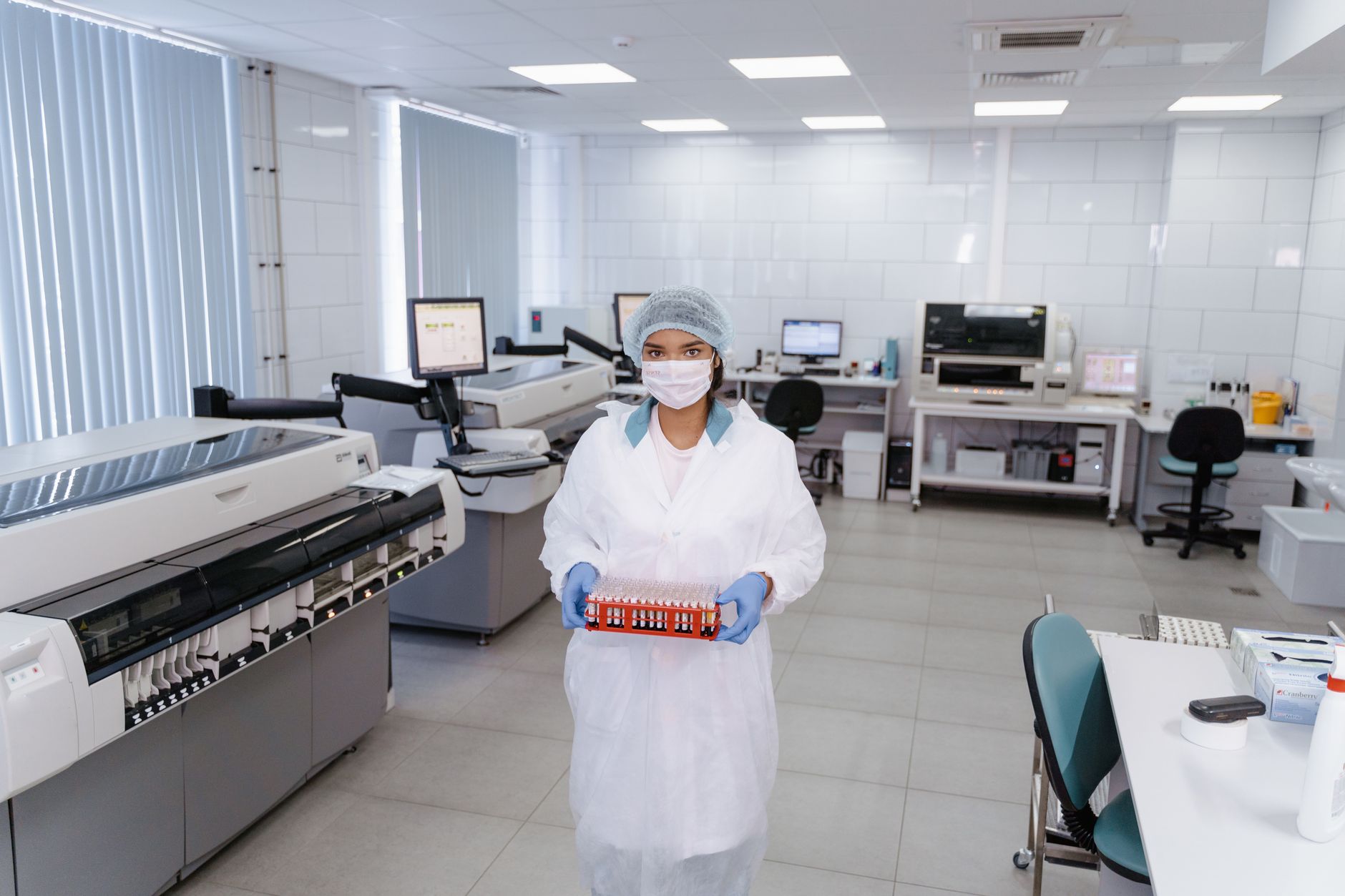
Extracting DNA from urine requires specific techniques tailored to the unique challenges presented by this fluid. Several methods can be employed, each with its advantages and limitations. Common techniques include:
- Filtration: This method involves filtering urine samples to separate cellular material from the liquid, allowing for the concentration of DNA.
- Centrifugation: Centrifugation separates components based on density, effectively isolating DNA from other substances in urine.
- Precipitation: This technique uses chemical agents to precipitate DNA from urine, making it easier to collect and analyze.
Each method can yield varying levels of purity and yield, influencing the reliability of subsequent analyses. Researchers are continuously working to optimize these methods, aiming to enhance the quality of DNA recovered from urine samples.
Advanced Techniques in DNA Analysis
Once DNA is extracted from urine, various advanced techniques can be used for analysis. These include polymerase chain reaction (PCR), next-generation sequencing (NGS), and whole genome sequencing, each providing different insights into genetic material.
The advantages of these advanced techniques are:
- Sensitivity: PCR can amplify trace amounts of DNA, making it possible to detect low concentrations.
- Comprehensive Analysis: NGS allows for the examination of entire genomes, providing a complete picture of genetic variations.
- Speed: Many of these techniques can process samples quickly, making them suitable for clinical applications.
As technology advances, the integration of these methods into clinical practice may provide more robust data for diagnosing and monitoring health conditions.
Clinical Implications and Future Directions
Potential Clinical Uses of Urine DNA Testing
Urine DNA testing holds promise for various clinical applications. Its non-invasive nature makes it an attractive option for patients. Some potential uses include:
- Cancer Detection: Certain cancers shed DNA into the urine, and detecting specific mutations can aid in early diagnosis.
- Monitoring Genetic Disorders: Urine DNA can be used to monitor genetic conditions, offering insights into disease progression.
- Infection Diagnosis: Identifying bacterial or viral DNA in urine can assist in diagnosing infections.
These applications highlight the importance of urine DNA testing in contemporary medicine and the potential for developing personalized treatment plans.
Challenges and Future Research Directions
Despite the promise of urine DNA testing, several challenges remain. One significant issue is the variability of DNA quality and concentration in urine samples. Research is ongoing to address these challenges through improved extraction techniques and standardized protocols.
Future research may focus on:
- Standardizing Collection Protocols: Developing guidelines for urine sample collection to ensure consistency across studies.
- Enhancing Detection Methods: Innovating new technologies to improve the sensitivity and specificity of urine DNA tests.
- Expanding Clinical Applications: Investigating additional uses of urine DNA testing in various medical fields.
With continued research and technological advancements, urine DNA testing may become a staple in diagnostics and personalized medicine.
Frequently Asked Questions
Can urine be used for paternity testing?
Yes, urine can be used for paternity testing, but it is less common than blood or saliva. The DNA found in urine can provide useful genetic information, but the accuracy may be lower due to the lower concentration of DNA.
Is urine DNA testing reliable?
Urine DNA testing can be reliable, but factors such as sample quality, handling, and timing of the test can affect results. As technology advances, the reliability of urine DNA tests is expected to improve.
How long does DNA last in urine?
DNA can degrade quickly in urine, often within hours to days, depending on environmental conditions. Proper collection and storage are vital to preserve DNA integrity for testing.
What other bodily fluids contain DNA?
Besides urine, other bodily fluids that contain DNA include blood, saliva, semen, and sweat. Each of these fluids can be used for various types of genetic testing.
The Bottom Line
In summary, does urine hold dna? Yes, urine does contain DNA, which can be used for various medical and forensic applications. While there are challenges and limitations to urine DNA testing, advances in technology are making it a more viable option for diagnostics and investigations. Understanding urine’s role as a source of genetic material can help in improving health monitoring and forensic science.
Note: This article is for general information only and is not medical advice. See a qualified health professional about your own situation.