Foods that Help Reduce Bloating
If you’ve ever felt like a balloon after a big meal or noticed that your pants fit tighter than usual, you’re not alone! Many people deal with bloating from time to time. Bloating refers to that uncomfortable feeling of fullness or swelling in your stomach, often caused by trapped gas or digestive processes. When searching for foods that help reduce bloating, you’re likely looking for answers to ease that discomfort. It’s such a common issue that many of us are curious about what we can munch on to feel better.
Bloating can happen for various reasons. Sometimes it’s the way we eat—like swallowing air while we munch—while other times it’s the specific foods we choose. While occasional bloating is generally harmless, persistent bloating could hint at digestive issues or food intolerances. In this article, we will explore practical solutions, especially foods that can potentially make bloating less of a bother. Let’s dive in and find out how you can support your digestion while enjoying tasty meals!
What Does This Mean?
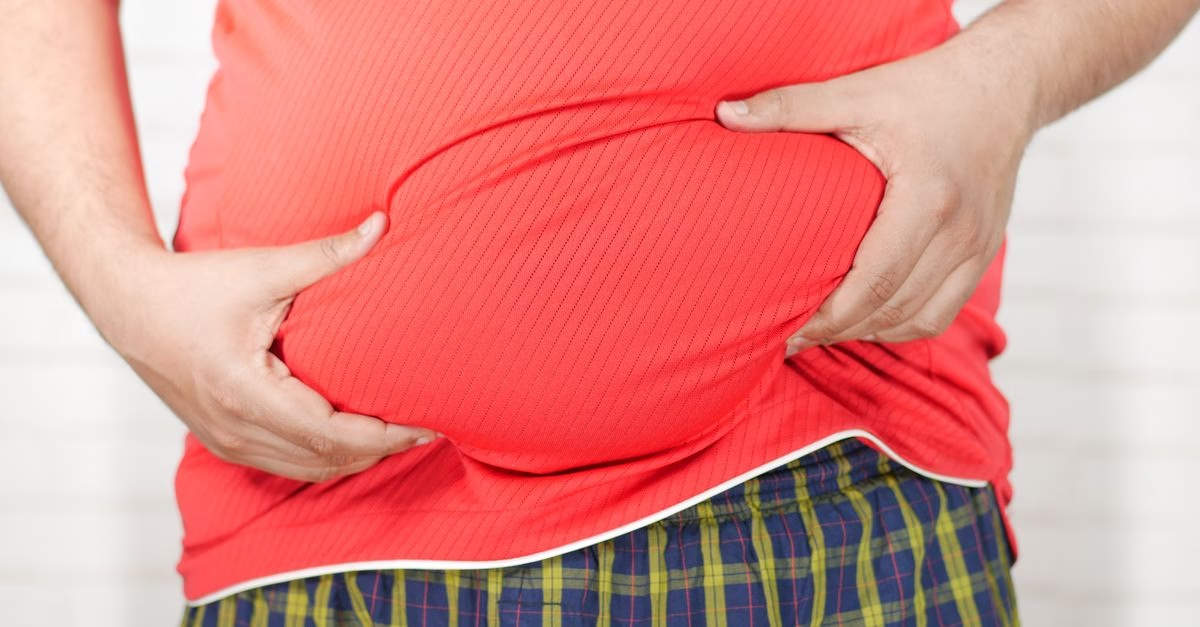
Bloating is when your abdomen feels swollen or distended. This can occur after eating certain foods or even as a result of how you eat—for example, eating too quickly. It’s often accompanied by discomfort or a feeling of fullness. Some folks might describe it as feeling “puffy” in the stomach area, and, of course, that’s less than pleasant. A variety of factors contribute to this sensation, but understanding what you eat and how it affects your body can be a great first step in easing those uncomfortable feelings.
When we mention foods that help reduce bloating, we’re discussing meals and snacks that can soothe your digestive system, making you feel more comfortable after eating. These foods usually contain elements that are gentle on the stomach, such as fiber and certain nutrients, or they may support healthy digestion.
Why Does This Happen?
There can be several reasons why you might experience bloating. One possible reason is that certain foods can create excess gas in your digestive system. For example, some people might struggle with lactose (found in dairy) or gluten (found in wheat), leading to uncomfortable bloating after eating those foods. Another common factor is how quickly we eat; gobbling down our meals can lead to swallowing air, causing that bloated feeling.
In some people, overconsumption of high-fiber foods, particularly if your body isn’t used to it, can also bring about bloating. Research suggests that popular foods like beans and cruciferous vegetables (like broccoli and cauliflower) can lead to some gassy situations. The more we understand our bodies and how they react to foods, the better equipped we are to manage feelings of discomfort.
Common Causes
There are various reasons for experiencing bloating, and it differs from person to person. Here are some common causes:
Swallowing Air
When we chew too quickly or chat while eating, we may swallow air, leading to bloating. It can be helpful to slow down, enjoy your food, and chew thoroughly.
Food Intolerances
One common source of discomfort is food intolerances. Lactose intolerance, for instance, can cause severe bloating after consuming dairy products. Identifying any intolerances might help you manage and even prevent bloating.
High-Fiber Foods
While fiber is essential for digestion, a sudden increase in fiber intake can lead to bloating, especially if your body isn’t used to it. Incorporating fiber-rich foods slowly can help your digestive system adapt.
Carbonated Beverages
Sipping on sodas and sparkling drinks can introduce gas into your digestive tract, causing bloating. Switching to flat drinks or water can sometimes make a world of difference.
Signs and Symptoms to Watch For
Common signs of bloating include:
- A feeling of fullness or tightness in the abdomen
- Stomach distension
- Cramps or discomfort in the abdomen
- Burping and flatulence
While these symptoms can be just part of a bloating episode, it’s essential to watch for persistent or severe symptoms. If you notice consistent bloating that doesn’t subside or is accompanied by intense pain, weight loss, or changes in bowel habits, it may be time to consult a healthcare professional.
What Can Make it Worse?
Several lifestyle and dietary factors can contribute to worsening bloating:
Diet
Certain foods are known to cause bloating, like beans, lentils, onions, and cabbage. It can help to be mindful of your meals and perhaps keep a food diary to spot any troublemakers.
Hydration
Staying properly hydrated is crucial, as dehydration can lead to digestive issues. However, drinking large amounts of carbonated beverages can introduce extra gas and worsen bloating.
Eating Habits
Eating too quickly can lead to swallowing air, as mentioned before, which can aggravate bloating. Mindful eating may be a beneficial practice to help manage this.
Stress
Stress can affect digestion significantly. Finding ways to relax, whether through exercise, yoga, or simple breathing exercises, might ease bloating.
Foods and Drinks Related to the Topic
Let’s look at some foods that may help alleviate bloating:
Ginger
Ginger is known for its soothing properties and may aid digestion. You can enjoy it fresh, in tea, or even in cooked dishes.
Bananas
Rich in potassium, bananas can help balance sodium levels, which may reduce water retention and alleviate some bloating.
Yogurt
With its probiotics, yogurt can support gut health, making it easier to digest certain foods. Just be mindful of the sugar content in some flavored yogurts.
Peppermint
Peppermint tea can soothe digestive discomfort and help relieve gas. It’s a pleasant way to unwind after a meal!
Oats
Oats are a great source of soluble fiber, which is good for digestion without causing too much gas. Plus, they’re versatile for breakfast or snacks.
Keep in mind that reactions to specific foods can be different from person to person; what helps one person might not be effective for another. It’s essential to pay attention to your body and make adjustments based on how certain foods affect you.
What Can We Do?
While we can’t promise that any specific food will definitively tackle bloating, there are steps we can take to ease discomfort:
Eat Smaller Meals
Consuming smaller portions more frequently can help your digestive system handle food better without overwhelming it.
Cook Your Vegetables
Cooked vegetables are often easier to digest than raw ones, which can sometimes be tough on the stomach. Steaming or roasting can make a big difference.
Stay Active
Moderate physical activity can get your digestive system moving, reducing feelings of bloating. A short walk after meals can aid digestion!
Hydrate Wisely
Drink plenty of water and consider replacing carbonated beverages with herbal teas or plain water. Staying hydrated supports digestion and can prevent bloating.
Manage Stress
Finding ways to relieve stress might help with digestion too. Whether it’s through meditation, yoga, or hobbies you love, peaceful moments can greatly impact how you feel.
When Should You See a Doctor
It’s important to keep an eye on your symptoms. You should consider speaking with a healthcare professional if you experience:
- Severe or persistent pain
- Blood in stool
- Unexplained weight loss
- Persistent vomiting
- Difficulties swallowing
- Fever or severe weakness
While bloating can often be managed with simple dietary changes and lifestyle adjustments, if you see any of these warning signs, seeking professional advice is always a good decision.
Frequently Asked Questions
Why am I always bloated?
Feeling bloated consistently can be due to various factors such as food intolerances, how fast you eat, or the types of foods you consume. Keeping a journal of what you eat may help you identify triggers.
Can food cause bloating?
Yes, certain foods, especially high in sugar or fat, can lead to bloating. Common culprits include beans, onions, and carbonated drinks.
When should I worry about bloating?
If bloating is persistent, painful, or accompanied by alarming symptoms like weight loss or bloody stools, it’s important to consult a healthcare professional.
Are there specific foods to avoid if I’m bloated?
Foods that can worsen bloating include beans, lentils, dairy products (if you’re lactose intolerant), and carbonated beverages. Try to moderate your intake of these foods.
Can probiotics help with bloating?
Some research suggests that probiotics can improve gut health and digestion, potentially reducing bloating for some people.
Should I stop eating gluten if I’m bloated?
Gluten could be an issue if you have celiac disease or gluten sensitivity. If bloating persists after eating gluten, consider discussing this with a healthcare provider.
What’s the best drink for bloating?
Herbal teas, particularly peppermint or ginger tea, can soothe your digestive system and help reduce bloating.
Can stress cause bloating?
Absolutely! Stress can affect digestion, leading to symptoms like bloating. Finding effective stress relief methods can support better digestive health.
What the Research Says About Foods that Help Reduce Bloating
Research indicates that dietary habits significantly impact digestive health. A systematic review suggests that including plenty of fruits, vegetables, and whole grains aids in digestive health. Choosing low-FODMAP diets, which limit certain sugars that can ferment in the gut, may also alleviate bloating for some individuals (NIDDK). Further studies underpin the role of probiotics in improving gut flora balance, which has been linked to reduced bloating and overall improved digestive comfort (Johns Hopkins Medicine).
Overall, clear evidence supports that certain dietary changes, moderate exercise, and mindful eating practices can help combat bloating and support digestive health. It’s also essential to note that while research may yield promising insights, individual responses can vary.
Simple Daily Habits That May Support Better Health
Incorporating a few healthy habits into our daily routine can contribute to digestion and overall well-being. Here are some you might find helpful:
- Hydrate regularly: Keep water nearby to ensure you’re drinking enough throughout the day.
- Practice mindful eating: Take your time at meals, chew thoroughly, and focus on your food.
- Stay active: Aim for at least 30 minutes of moderate activity most days to aid digestion.
- Prioritize fiber: Gradually include more high-fiber foods in your diet to support digestive health.
Final Thoughts
Dealing with bloating can be frustrating, but the good news is that there are many foods that help reduce bloating and practical steps we can take to feel better. By understanding our bodies and how they respond to different foods, we can make choices that promote comfort and health. It’s all about finding the right balance for you and making those small, sustainable changes.
Remember that if you notice persistent or severe symptoms, checking in with a healthcare professional is a smart move. Our bodies are unique, and what works for one person may not work for another, so staying informed and attentive can greatly improve our health. Let’s take those steps towards feeling our best—bloating doesn’t have to be part of the equation!
Sources and References
National Institute of Diabetes and Digestive and Kidney Diseases (NIDDK): Understanding Bloating. Available at: niddk.nih.gov
Johns Hopkins Medicine: Probiotics and Digestive Health. Available at: hopkinsmedicine.org
Mayo Clinic: Gas and Bloating. Available at: mayoclinic.org
Cleveland Clinic: Managing Bloating. Available at: clevelandclinic.org
Harvard T.H. Chan School of Public Health: Dietary Fiber. Available at: hsph.harvard.edu
Medical Disclaimer
This article is for general educational and informational purposes only. It is not intended to provide medical advice, diagnosis, or treatment. Health conditions can affect people differently, and information that is appropriate for one person may not be appropriate for another. If you have persistent, severe, or concerning symptoms, speak with a qualified healthcare professional for personalized advice.
Further Reading
Ivf Shot Schedule: 10 Things You Should Know
Omeprazole and Alcohol: Is It Safe to Mix?
what does a growth spurt in pregnancy feel like
Photo by Towfiqu barbhuiya on Pexels.
Note: This article is for general information only and is not medical advice. See a qualified health professional about your own situation.