
Key Takeaways
- Understanding the common causes of hip pain when walking.
- Effective strategies for managing and treating hip pain.
- Prevention tips to reduce the risk of hip pain.
- When to seek professional help for hip pain.
Understanding Hip Pain When Walking
Hip pain when walking can be a frustrating and debilitating issue that affects many individuals, regardless of age or activity level. Whether it’s a dull ache or sharp discomfort, this pain can significantly impact daily activities and overall quality of life. Understanding the underlying causes and potential treatments can help individuals manage their symptoms and regain mobility.
Many factors can contribute to hip pain when walking, including injuries, degenerative conditions, and lifestyle choices. This comprehensive guide aims to provide readers with actionable insights into what might be causing their hip pain, how to alleviate it, and when to seek professional help.
In this article, we will explore various aspects of hip pain when walking, from its causes and symptoms to effective treatment options and preventive measures. By the end, you will have a clearer understanding of this common issue and the steps you can take to address it.
Common Causes of Hip Pain When Walking
There are several common causes of hip pain when walking. Understanding these can help you identify the nature of your pain and seek appropriate treatment. Here are some of the most prevalent reasons:
- Osteoarthritis: This degenerative joint disease is one of the leading causes of hip pain, especially in older adults. It occurs when the cartilage cushioning the hip joint wears down, leading to pain and stiffness.
- Hip Fractures: A fracture, often caused by falls or accidents, can result in sudden and severe hip pain. This type of injury typically requires immediate medical attention.
- Tendinitis: Inflammation of the tendons around the hip joint can cause pain, particularly during movement. This condition is often related to overuse or repetitive strain.
- Bursitis: The bursae are small fluid-filled sacs that cushion the hip joint. Inflammation of these sacs can lead to pain, particularly on the outer side of the hip.
- Labral Tears: The labrum is a ring of cartilage that surrounds the hip joint. Tears can occur due to injury or degeneration, resulting in pain and a decreased range of motion.
- Muscle Strains: Overstretching or tearing of the muscles around the hip can lead to pain, swelling, and difficulty walking.
- Referred Pain: Sometimes, pain in the hip may be caused by issues in the lower back or other areas. Conditions like sciatica can lead to discomfort that feels like hip pain.
Recognizing Symptoms
The symptoms associated with hip pain can vary widely depending on the underlying cause. Some common symptoms include:
- Dull Ache: A persistent dull ache in the hip or groin area that worsens with activity or prolonged sitting.
- Sharp Pain: Sudden, sharp pain that may occur during specific movements, like getting in and out of a car or climbing stairs.
- Stiffness: Reduced range of motion in the hip joint, making activities like walking or bending difficult.
- Swelling: Inflammation or swelling around the hip joint may be noticeable, depending on the cause.
- Clicking or Popping Sounds: Some individuals may experience a clicking or popping sensation in the hip during movement.

Diagnosis of Hip Pain
Diagnosing the cause of hip pain when walking involves a comprehensive approach. A healthcare provider will typically start with a detailed medical history and physical examination. Key aspects of the diagnosis process include:
- Medical History: Discussing symptoms, their onset, and any previous injuries or conditions can provide valuable insights.
- Physical Examination: A doctor will assess the range of motion, check for swelling, and evaluate the hip’s stability during movement.
- Imaging Tests: X-rays, MRIs, or CT scans may be ordered to visualize the bones and soft tissues around the hip joint. This helps identify fractures, arthritis, or other abnormalities.
- Lab Tests: In some cases, blood tests may be conducted to check for inflammatory conditions or infections.
Treatment Options for Hip Pain
Treatment for hip pain when walking can vary widely based on the underlying cause. Here are some common treatment options:
- Rest and Activity Modification: Reducing activities that exacerbate the pain can help alleviate symptoms. Consider resting and avoiding high-impact exercises.
- Physical Therapy: A physical therapist can develop a tailored exercise program to strengthen the hip muscles, enhance flexibility, and improve overall function.
- Medications: Over-the-counter pain relievers, such as ibuprofen or acetaminophen, may help reduce pain and inflammation. In some cases, prescription medications may be necessary.
- Corticosteroid Injections: These injections can provide temporary relief from inflammation and pain in the hip joint.
- Surgery: In severe cases, surgical options such as hip arthroscopy, hip resurfacing, or total hip replacement may be considered.
Home Remedies
In addition to medical treatments, several home remedies may help alleviate hip pain:
- Ice Therapy: Applying ice packs to the affected area for 15-20 minutes can help reduce swelling and numb pain.
- Heat Therapy: After the initial swelling subsides, using heat pads can help relax tight muscles and improve blood flow.
- Gentle Stretching: Engaging in gentle stretching exercises can help improve flexibility and reduce stiffness.
- Weight Management: Maintaining a healthy weight can reduce stress on the hip joint and alleviate pain.

Preventing Hip Pain
Prevention is key when it comes to managing hip pain. Here are some practical tips to help prevent hip discomfort:
- Maintain a Healthy Weight: Excess weight can put additional stress on your hips. Eating a balanced diet and engaging in regular physical activity can help manage your weight.
- Stay Active: Engage in low-impact exercises, such as swimming or cycling, to maintain hip flexibility and strength.
- Strength Training: Incorporating strength training exercises that target the hips and surrounding muscles can support joint stability.
- Proper Footwear: Wearing supportive shoes can help maintain proper alignment and reduce stress on the hips.
- Warm-Up and Cool Down: Always incorporate a proper warm-up before physical activity and a cool-down after to prevent injuries.
Physical Therapy Techniques for Hip Pain Relief
Strengthening Exercises
Strengthening exercises play a crucial role in alleviating hip pain and improving overall function. These exercises target the muscles surrounding the hip joint, enhancing stability and reducing the risk of injury. A physical therapist can recommend specific exercises tailored to individual needs, focusing on both the hip and core muscles.
Common strengthening exercises include:
- Clamshells: Lying on your side with knees bent, raise the top knee while keeping the feet together to strengthen the hip abductors.
- Bridges: Lying on your back with knees bent, lift the hips off the ground to strengthen the glutes and lower back.
- Leg Raises: Lying on your side, lift the top leg straight up to engage the hip flexors and abductors.
Performing these exercises regularly can help build muscle strength and support the hip joint, potentially reducing pain during walking.
Stretching for Flexibility
Incorporating stretching into your routine is essential for maintaining flexibility and range of motion in the hip joint. Tight muscles can contribute to discomfort and limit mobility, making walking more painful. A physical therapist can guide you through appropriate stretches that target the hip flexors, glutes, and quadriceps.
Effective stretches for hip pain management include:
- Piriformis Stretch: Sitting or lying, cross one leg over the other and gently pull the knee toward the opposite shoulder to stretch the piriformis muscle.
- Hip Flexor Stretch: In a lunge position, push your hips forward to stretch the hip flexors effectively.
- Quadriceps Stretch: Standing, pull one heel toward your glutes to stretch the front of the thigh.
Regularly performing these stretches can help alleviate tightness and improve hip mobility, making walking more comfortable.
Manual Therapy Techniques
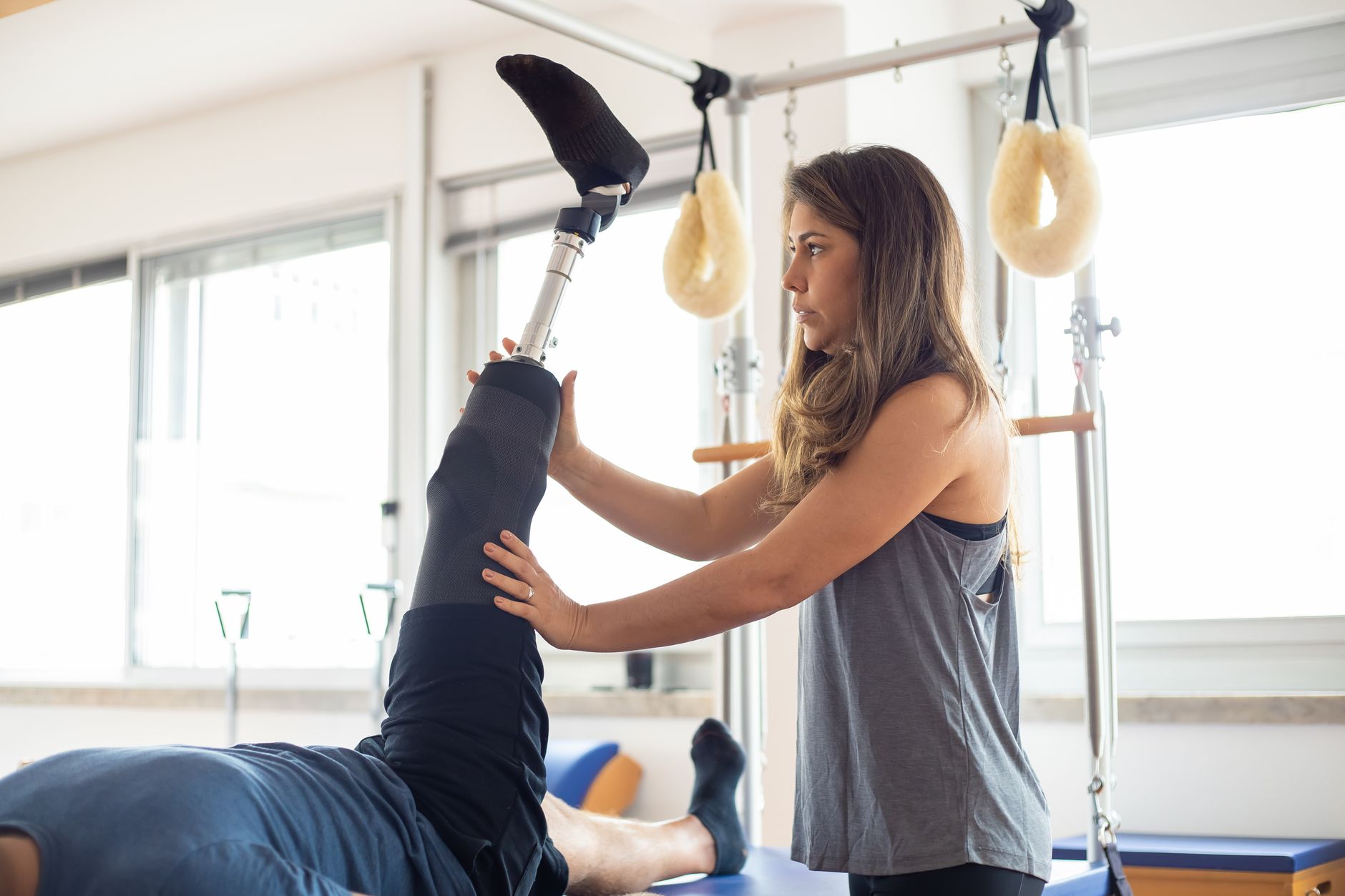
Manual therapy techniques, often employed by physical therapists, can provide significant relief from hip pain. These hands-on approaches aim to improve circulation, relieve muscle tension, and enhance joint mobility. Techniques may include joint mobilization, soft tissue mobilization, and myofascial release.
Benefits of manual therapy for hip pain include:
- Reduced Pain: Manual therapy can help decrease pain levels by relaxing tight muscles and improving blood flow.
- Enhanced Mobility: These techniques can improve flexibility and range of motion, making walking easier.
- Injury Prevention: By addressing muscle imbalances and restrictions, manual therapy can help reduce the risk of future injuries.
Consulting with a qualified physical therapist can help determine the most appropriate manual therapy techniques for your specific condition.
Alternative Therapies for Managing Hip Pain
Acupuncture
Acupuncture is an ancient practice rooted in Traditional Chinese Medicine that involves the insertion of fine needles into specific points on the body. This therapy has been shown to help relieve various types of pain, including hip pain. By stimulating the body’s natural pain-relieving mechanisms, acupuncture can provide substantial relief and improve overall function.
Research suggests that acupuncture may:
- Promote the release of endorphins, the body’s natural painkillers.
- Enhance blood circulation to the affected area, aiding healing.
- Reduce inflammation around the hip joint.
People experiencing chronic hip pain may consider acupuncture as a complementary therapy alongside traditional medical treatments.
Massage Therapy
Massage therapy can be beneficial for individuals suffering from hip pain. This technique focuses on manipulating the muscles and soft tissues surrounding the hip to alleviate tension and improve blood flow. Various massage techniques, such as deep tissue massage or trigger point therapy, can target specific pain areas.
Benefits of massage for hip pain include:
- Muscle Relaxation: Massage helps to reduce muscle tightness, allowing for greater mobility.
- Increased Circulation: Improved blood flow can enhance the healing process in the hip area.
- Stress Reduction: Massage contributes to overall relaxation, which can help manage pain perception.
Consulting with a licensed massage therapist can help individuals develop a tailored approach to addressing hip pain through massage.
Chiropractic Care
Chiropractic care involves the diagnosis and treatment of musculoskeletal disorders, focusing primarily on the spine and joints. Chiropractors use spinal manipulation and other manual techniques to align the body’s musculoskeletal structure, which can alleviate pain and improve function. For those experiencing hip pain, chiropractic adjustments may help restore proper alignment and mobility.
Potential benefits of chiropractic care for hip pain include:
- Improved Joint Function: Adjustments can enhance the range of motion in the hip joint.
- Pain Relief: Chiropractors often employ various techniques to reduce pain and discomfort in the hip area.
- Posture Correction: Chiropractic care can help improve overall posture, thereby reducing strain on the hips.
Individuals considering chiropractic care for hip pain should ensure they consult a qualified and licensed practitioner.
Impact of Lifestyle Changes on Hip Pain Management
Weight Management
Maintaining a healthy weight is crucial for individuals experiencing hip pain. Excess weight places additional stress on the hip joint, which can exacerbate pain and lead to further complications. Weight management through a balanced diet and regular exercise can significantly reduce the burden on the hips.
Strategies for effective weight management include:
- Adopting a Balanced Diet: Focus on whole foods, such as fruits, vegetables, whole grains, lean proteins, and healthy fats.
- Regular Physical Activity: Engage in activities that promote weight loss and muscle strengthening without stressing the hips, such as swimming or cycling.
- Setting Realistic Goals: Aim for gradual weight loss to ensure long-term success and sustainability.
Consulting with a nutritionist or dietitian can provide personalized strategies to achieve and maintain a healthy weight.
Ergonomics in Daily Activities
Implementing ergonomic principles in daily activities can help minimize strain on the hips and reduce pain during walking. Ergonomics refers to designing tasks and environments to fit the individual, thereby enhancing comfort and efficiency. Simple changes in posture and movement can make a significant difference.
Key ergonomic considerations include:
- Proper Footwear: Wear supportive shoes that provide adequate cushioning and stability to reduce impact on the hips.
- Correct Lifting Techniques: Use your legs instead of your back when lifting heavy objects to prevent undue stress on the hips.
- Adjusting Workspaces: Ensure your workspace is set up to promote good posture, reducing the risk of hip discomfort.
By adopting ergonomic practices, individuals can help mitigate hip pain and improve their quality of life.
Mindfulness and Stress Management
Chronic pain can often be exacerbated by stress and anxiety. Mindfulness and stress management techniques can assist in coping with hip pain more effectively. Practices such as meditation, yoga, and deep breathing exercises can help calm the mind and reduce the perception of pain.
Benefits of mindfulness and stress management for hip pain include:
- Improved Pain Perception: Mindfulness techniques can help individuals shift their focus away from pain, leading to a greater sense of control.
- Enhanced Emotional Wellbeing: Reducing stress can improve overall mood and resilience in dealing with pain.
- Better Sleep Quality: Mindfulness practices can promote relaxation and improve sleep, which is essential for recovery.
Incorporating mindfulness into daily routines can provide valuable support for managing hip pain and enhancing overall well-being.
Frequently Asked Questions
What are the early signs of hip problems?
Early signs of hip problems often include mild discomfort, stiffness, and reduced range of motion. You may notice pain during specific activities, such as walking, climbing stairs, or sitting for long periods.
Is hip pain when walking common in older adults?
Yes, hip pain when walking is quite common among older adults due to natural wear and tear on the hip joint, conditions like osteoarthritis, or past injuries. Regular check-ups can help manage these issues early.
When should I see a doctor for hip pain?
If your hip pain is severe, persistent, or accompanied by swelling, bruising, or inability to bear weight, it’s important to see a healthcare provider. Early intervention can prevent further damage.
Can hip pain be a sign of a more serious condition?
Yes, hip pain can sometimes indicate more serious conditions, such as fractures, infections, or inflammatory diseases. It’s essential to seek professional evaluation to rule out serious issues.
The Bottom Line
Hip pain when walking can result from various causes, ranging from minor injuries to more serious conditions. Understanding the symptoms and treatment options available can help you manage your pain effectively and maintain mobility. If you experience persistent or severe pain, don’t hesitate to consult a healthcare professional for an accurate diagnosis and tailored treatment plan.
Note: This article is for general information only and is not medical advice. See a qualified health professional about your own situation.