

Key Takeaways
- Technology enhances access to health information.
- Wearable devices promote physical fitness.
- Telemedicine increases healthcare accessibility.
- Mental health apps provide crucial support.
In today’s fast-paced world, the question, “How has the development of technology positively affected our wellness?” is more relevant than ever. Technology has woven itself into the fabric of our daily lives, bringing about profound changes in how we approach health and wellness. From accessing information at the touch of a button to personalized fitness plans, technology has revolutionized our understanding and management of health.
As we delve into this topic, we will explore various ways technology has improved our wellness. This includes advancements in telemedicine, fitness tracking, mental health support, and even nutrition management. Each of these areas reveals how technology can empower individuals to take charge of their health more effectively.
With numerous tools and platforms available, understanding their impact on wellness is crucial. Let’s examine these developments in detail to appreciate how they contribute positively to our overall health.
Telemedicine: Revolutionizing Healthcare Access
Telemedicine has transformed how patients interact with healthcare providers. By allowing remote consultations, it has broken down geographical barriers and made healthcare more accessible. Patients can now consult with specialists without traveling long distances, which is particularly beneficial for those in rural areas.
This mode of healthcare delivery has gained momentum, especially during the COVID-19 pandemic, where in-person visits were limited. Studies have shown that telemedicine can lead to improved patient outcomes, as it encourages timely consultations and follow-ups.
Moreover, telemedicine platforms often include features such as video calls, chat options, and electronic prescriptions. This integration of technology ensures that patients receive comprehensive care, enhancing their wellness experience.
Benefits of Telemedicine
- Increased accessibility: Patients can access healthcare without the need to travel.
- Cost-effective: Reduces transportation costs and time off work.
- Continuity of care: Facilitates regular follow-ups and management of chronic conditions.
Wearable Technology: Promoting Physical Fitness
Wearable technology, such as fitness trackers and smartwatches, has become a staple in promoting physical activity. These devices monitor various health metrics, including heart rate, steps taken, and sleep quality. By providing real-time feedback, they encourage users to reach their fitness goals.
Research indicates that individuals who use wearable devices are more likely to engage in regular exercise. The gamification of fitness, where users can set challenges and track progress, adds an element of fun that motivates continued use.
Additionally, many wearables integrate with health apps, allowing users to view trends and make informed decisions about their lifestyle. This combination of data and motivation is pivotal in fostering a proactive approach to health and wellness.
Popular Features of Wearable Technology
- Activity tracking: Monitors daily steps and physical activity levels.
- Heart rate monitoring: Provides insights into cardiovascular health.
- Sleep tracking: Analyzes sleep patterns to improve rest quality.

Mental Health Support: Apps and Online Resources
The rise of mental health apps has made support more accessible than ever. These applications provide resources for stress management, mindfulness, and therapy. They serve as a bridge for individuals who may not seek traditional therapy due to stigma or cost.
Many mental health apps offer interactive features such as guided meditations, mood tracking, and virtual therapy sessions. They empower users to take charge of their mental well-being in a convenient and private manner.
Furthermore, online platforms often connect individuals with licensed therapists for remote counseling. This flexibility ensures that mental health support is available to those who need it, regardless of their location.
Benefits of Mental Health Apps
- Accessibility: Available anytime, anywhere, providing support at one’s convenience.
- Affordability: Many apps offer free resources or lower-cost therapy options.
- Personalization: Users can tailor their experience based on their specific needs.
Health Information Access: The Internet’s Role
The internet has transformed how we access health information. With just a few clicks, individuals can find a wealth of resources on various health topics, from nutrition to disease management. This democratization of information empowers people to make informed decisions about their health.
Online platforms, including health websites, forums, and social media, allow users to share experiences and support one another. This sense of community can be particularly beneficial for those dealing with chronic conditions or mental health challenges.
However, it’s essential to approach online health information critically. Not all sources are reliable, and misinformation can lead to harmful decisions. It is advisable to consult healthcare professionals when interpreting health information found online.
How to Find Reliable Health Information
- Look for reputable sources: Use established health organizations like the WHO or CDC.
- Check author credentials: Ensure the information is written by qualified professionals.
- Be cautious of sensational claims: If it sounds too good to be true, it probably is.
Nutrition Management: Apps and Online Tools
Technology has also influenced how we manage our nutrition. Numerous apps help users track their food intake, monitor nutrient levels, and plan meals. These tools can guide individuals in making healthier dietary choices.
By logging meals and snacks, users can gain insights into their eating habits and identify areas for improvement. Some apps even offer personalized meal plans based on dietary preferences and nutritional needs, making it easier to maintain a balanced diet.
Additionally, online resources provide recipes and tips for healthy cooking, making wellness more achievable for everyone. This wealth of information supports individuals in their journey toward better nutrition.
Key Features of Nutrition Apps
- Calorie tracking: Helps monitor daily caloric intake.
- Nutrient analysis: Provides breakdowns of macronutrients and micronutrients.
- Meal planning: Offers customizable meal plans and grocery lists.

Fitness and Wellness Communities
The rise of social media and online platforms has fostered the growth of fitness and wellness communities. These groups provide a space for individuals to share their journeys, challenges, and successes, creating a supportive environment.
Online communities can motivate individuals to stay committed to their health goals. Members often share tips, workout routines, and healthy recipes, fostering a sense of camaraderie. This social aspect can significantly enhance accountability and encourage a more active lifestyle.
Moreover, virtual fitness classes and challenges have become popular, allowing people to participate from the comfort of their homes. These classes range from yoga to high-intensity interval training, making fitness accessible to a broader audience.
Benefits of Online Fitness Communities
- Supportive environment: Encourages individuals to stay on track.
- Diverse options: Offers various classes and activities for all fitness levels.
- Flexibility: Participants can join from anywhere, accommodating busy schedules.
Data Tracking and Personalization in Healthcare
Data analytics has revolutionized healthcare by allowing for personalized treatment plans. By analyzing patient data, healthcare providers can tailor interventions to meet individual needs. This approach enhances the effectiveness of treatments and improves patient outcomes.
Additionally, advancements in artificial intelligence (AI) are paving the way for predictive analytics in healthcare. AI can identify patterns in health data that may not be immediately evident to healthcare professionals. This capability can lead to earlier interventions and better management of chronic diseases.
As technology continues to evolve, the potential for personalized healthcare will only expand. Patients can expect more customized experiences that consider their unique health profiles.
Advantages of Data-Driven Healthcare
- Personalized treatment: Tailors interventions based on individual health data.
- Improved outcomes: Enhances the effectiveness of treatments.
- Preventive care: Enables early detection and management of health issues.
Technology in Preventive Healthcare
Predictive Analytics and Disease Prevention
Predictive analytics involves the use of data, statistical algorithms, and machine learning techniques to identify the likelihood of future outcomes based on historical data. In healthcare, this approach can significantly enhance preventive measures. By analyzing patient data, healthcare providers can identify individuals at high risk for certain conditions and implement early interventions to prevent disease onset. For example, predictive models can assess risk factors for diabetes, heart disease, and even certain cancers.
Healthcare organizations are increasingly using predictive analytics to improve patient outcomes. By integrating data from electronic health records (EHR), lifestyle data, and family history, predictive models can provide tailored recommendations for screenings and lifestyle changes. This proactive approach not only reduces healthcare costs but also improves quality of life.
Wearable Health Monitors for Early Detection
Wearable health monitors have advanced significantly, enabling users to track vital signs and other health metrics in real time. Devices such as smartwatches and fitness trackers can monitor heart rate, sleep patterns, and even blood oxygen levels. This continuous monitoring can lead to early detection of potential health issues.
- Heart Rate Variability: An indicator of overall health and stress levels.
- Sleep Quality: Tracking sleep patterns can help identify sleep disorders.
- Activity Levels: Encouraging physical activity can prevent obesity-related diseases.
For instance, if a wearable device detects irregular heart rhythms, it can alert the user to seek medical advice, potentially preventing serious cardiovascular events. The data collected can also be shared with healthcare providers, allowing for more informed clinical decisions.
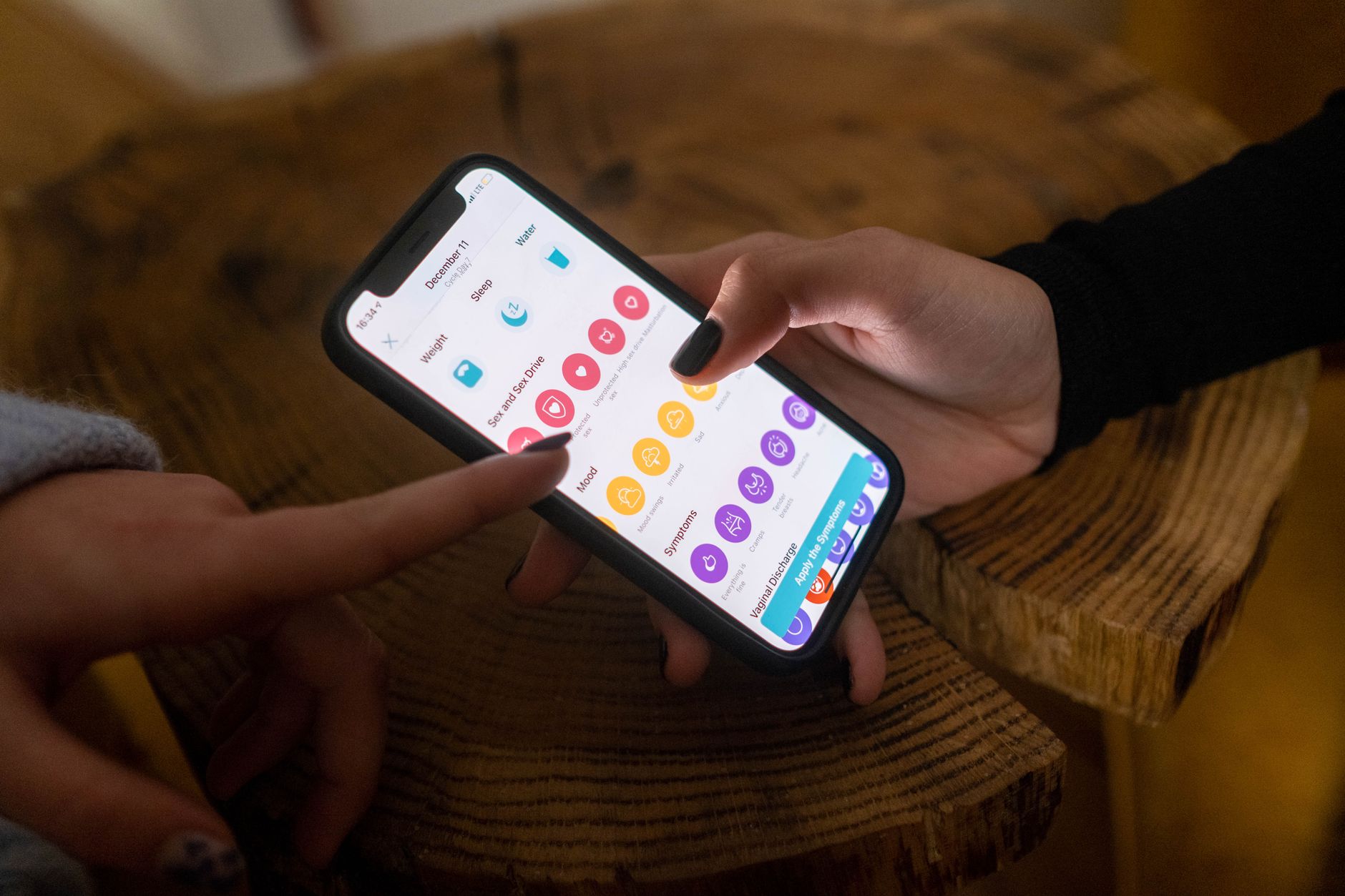
Enhancements in Patient Engagement through Technology
Interactive Health Platforms
Interactive health platforms have emerged as a powerful tool for enhancing patient engagement. These platforms often feature educational resources, interactive tools, and personalized plans that encourage patients to take an active role in their health management. By providing easy access to information, patients are more likely to adhere to treatment plans and make informed decisions about their health.
Many of these platforms incorporate gamification elements, which can motivate users to participate more actively in their health journey. For example, users may earn points or rewards for completing health-related activities, such as attending a workout class or following a nutritional plan.
Telehealth for Continuous Care Management
Telehealth has transformed how patients interact with their healthcare providers. It allows for ongoing communication between patients and clinicians, which is particularly beneficial for managing chronic conditions. Patients can have regular check-ins via video calls or secure messaging, helping to ensure that treatment plans are being followed and adjustments can be made as necessary.
- Diabetes Management: Regular virtual check-ins can help monitor glucose levels and medication adherence.
- Mental Health Support: Ongoing access to therapy through telehealth improves continuity of care.
- Medication Management: Virtual appointments can facilitate discussions about medication adjustments and side effects.
This continuous care model not only improves health outcomes but also enhances patient satisfaction. Patients feel more supported and empowered in their health management, leading to better adherence to treatment protocols.
Innovations in Health Education and Awareness
Virtual Reality (VR) and Augmented Reality (AR) in Health Education
Virtual reality (VR) and augmented reality (AR) technologies are increasingly being utilized for health education and training. These immersive technologies provide realistic simulations for medical students and healthcare professionals, allowing them to practice procedures in a risk-free environment. Additionally, VR can be used for patient education, helping individuals visualize complex medical concepts.
For instance, VR can simulate surgical procedures for medical students or show patients what happens during a specific treatment, such as chemotherapy. This enhanced understanding can lead to better patient compliance and reduced anxiety regarding medical procedures.
Health Awareness Campaigns through Social Media
Social media platforms have become vital tools for health awareness campaigns. Organizations and healthcare providers can leverage these platforms to disseminate information about diseases, preventive measures, and healthy lifestyle choices. Engaging content, such as videos, infographics, and live Q&A sessions, can reach vast audiences and encourage proactive health behaviors.
- Heart Health Awareness: Campaigns focused on recognizing the signs of heart attack.
- Nutrition Education: Sharing recipes and tips for healthy eating.
- Mental Health Awareness: Reducing stigma through personal stories and resources.
By utilizing social media, health organizations can inspire community involvement and encourage individuals to take charge of their health. This widespread reach helps to normalize health discussions and promote preventive measures on a larger scale.
Frequently Asked Questions
What is telemedicine?
Telemedicine refers to the remote diagnosis and treatment of patients using telecommunications technology. It allows patients to consult with healthcare providers without the need for in-person visits.
How do wearable devices help with fitness?
Wearable devices track various health metrics, such as steps taken and heart rate, providing users with real-time feedback. This information can motivate individuals to engage in regular physical activity.
Can mental health apps replace therapy?
While mental health apps can provide valuable resources and support, they are not a substitute for professional therapy. They can complement traditional therapy but should not replace it for those in need of serious mental health care.
How can I find reliable health information online?
To find reliable health information, look for reputable sources like health organizations, check the author’s credentials, and be cautious of sensational claims that may not be based on scientific evidence.
The Bottom Line
The development of technology has positively affected our wellness in numerous ways, from enhancing healthcare access through telemedicine to promoting physical fitness with wearable devices. Mental health apps and online resources have made it easier for individuals to manage their health, while data-driven approaches have personalized care. As we continue to embrace these technological advancements, it is crucial to remain informed and critical of the information we consume. By leveraging technology responsibly, we can empower ourselves to lead healthier, more fulfilling lives.
Note: This article is for general information only and is not medical advice. See a qualified health professional about your own situation.
