Key Takeaways
- Stress tests typically last 30 to 60 minutes.
- Preparation time can add an additional 15 to 30 minutes.
- The test assesses heart function under physical stress.
- Consult your doctor for personalized information.
Understanding the Stress Test
When you hear the phrase “How long does a stress test take,” you might wonder about what this medical procedure entails and how it impacts your health. A stress test, also known as an exercise stress test or treadmill test, is a diagnostic tool used to evaluate how your heart functions under physical stress. This test is crucial for identifying potential heart problems, assessing cardiovascular fitness, and developing treatment plans.
The duration of a stress test can vary significantly based on several factors, including the type of test performed, your physical condition, and the protocols followed by the medical facility. In this article, we will explore the typical timeframes involved in a stress test, what to expect during the procedure, and the importance of this evaluation for your overall heart health.
Whether you are preparing for your first stress test or simply want to understand more about the process, you will find valuable information in this comprehensive guide.
Types of Stress Tests
There are different types of stress tests, each designed to assess your heart’s response to physical activity or medication. Understanding these variations can help clarify how long does a stress test take and what to expect.
1. Exercise Stress Test
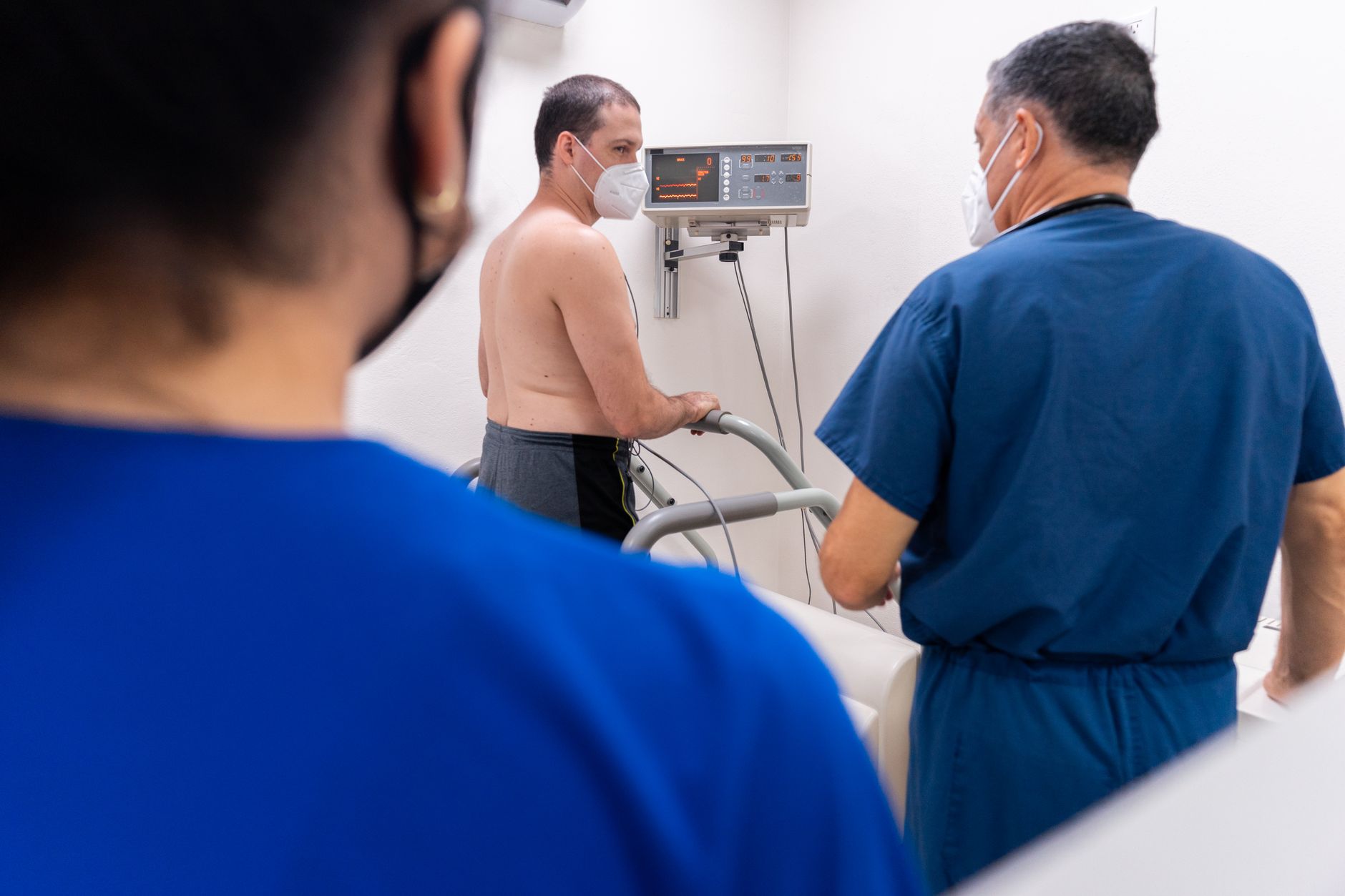
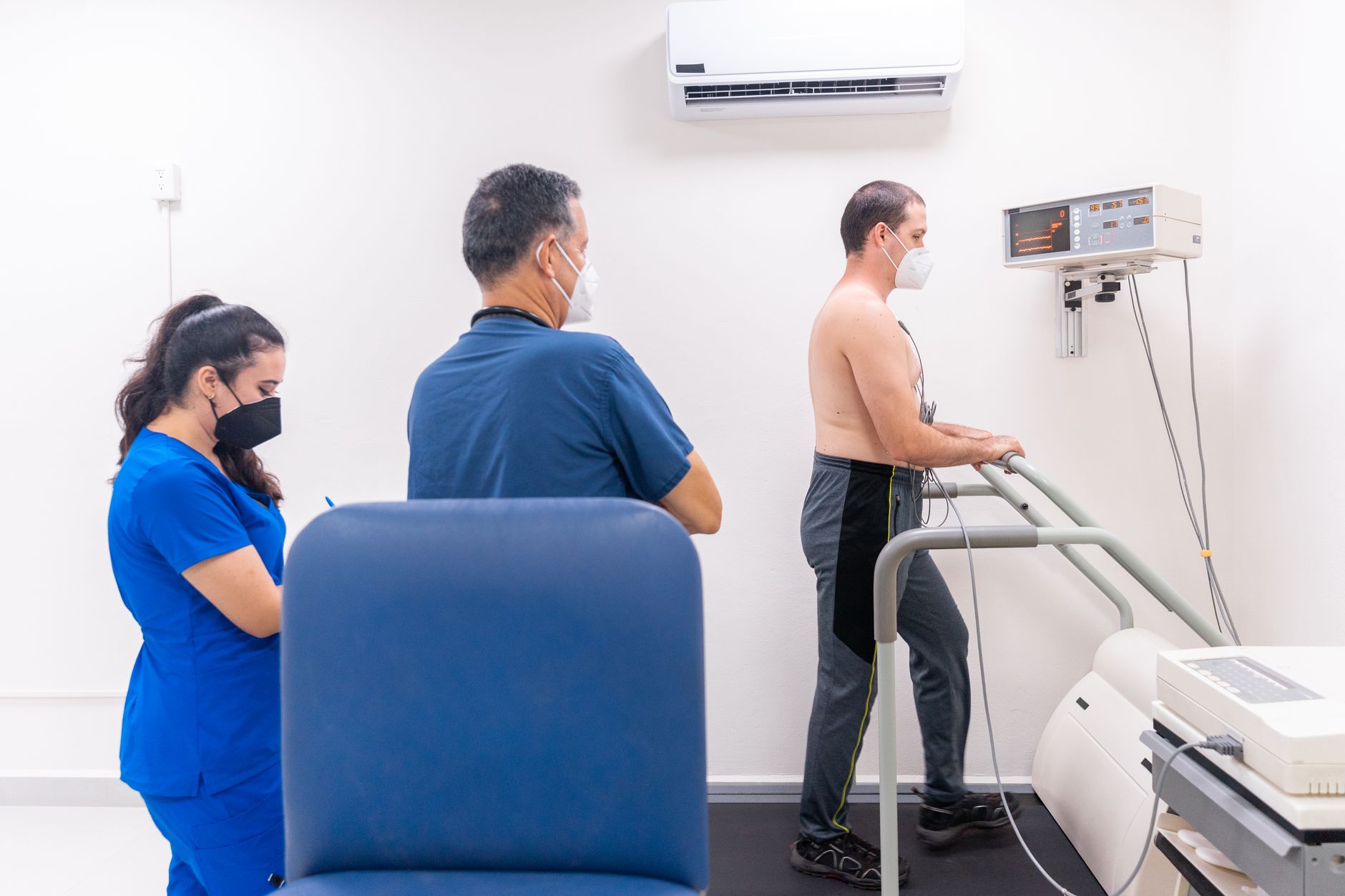
This is the most common type of stress test, where patients walk on a treadmill or pedal on a stationary bike while their heart activity is monitored. The intensity of the exercise gradually increases to evaluate how well the heart handles physical stress. This test typically lasts between 30 to 60 minutes, including preparation and monitoring time.
2. Pharmacologic Stress Test
If you are unable to exercise due to physical limitations, a pharmacologic stress test may be performed. In this case, medication is administered to simulate the effects of exercise on the heart. The entire process, including preparation and monitoring, usually takes around 30 to 60 minutes as well.
3. Nuclear Stress Test
This test involves the use of a small amount of radioactive material to create images of your heart while at rest and during exercise. It provides detailed information regarding blood flow to the heart. The total time for a nuclear stress test can take 3 to 4 hours due to the imaging requirements and the waiting periods for the radioactive material to be processed by the body.
Duration of the Stress Test Process
When considering how long does a stress test take, it’s essential to factor in the entire process, including preparation, the test itself, and recovery. Here’s a breakdown of the typical durations:
1. Preparation Time
- Initial consultation: 10-15 minutes for health history and symptoms review.
- Setting up: 5-10 minutes for attaching electrodes and other monitoring equipment.
- Instructions: 5 minutes to explain the procedure and answer any questions.
2. Testing Duration
- Exercise stress test: 15-30 minutes of exercise.
- Pharmacologic stress test: Approximately 20 minutes of medication administration followed by monitoring.
- Nuclear stress test: 30-60 minutes of imaging plus exercise or medication time.
3. Recovery Time
After the test, you will typically rest for about 10-15 minutes while your heart rate returns to normal. This is a crucial period where the medical staff monitors any unusual symptoms.
What to Expect During a Stress Test
Knowing what to expect can help alleviate any anxiety you may have about the stress test. It is a straightforward process designed to monitor your heart’s performance.
1. Before the Test
- Your healthcare provider will review your medical history and current medications.
- You may be asked to avoid caffeine or certain medications before the test.
- Wear comfortable clothing and shoes suitable for exercise.
2. During the Test
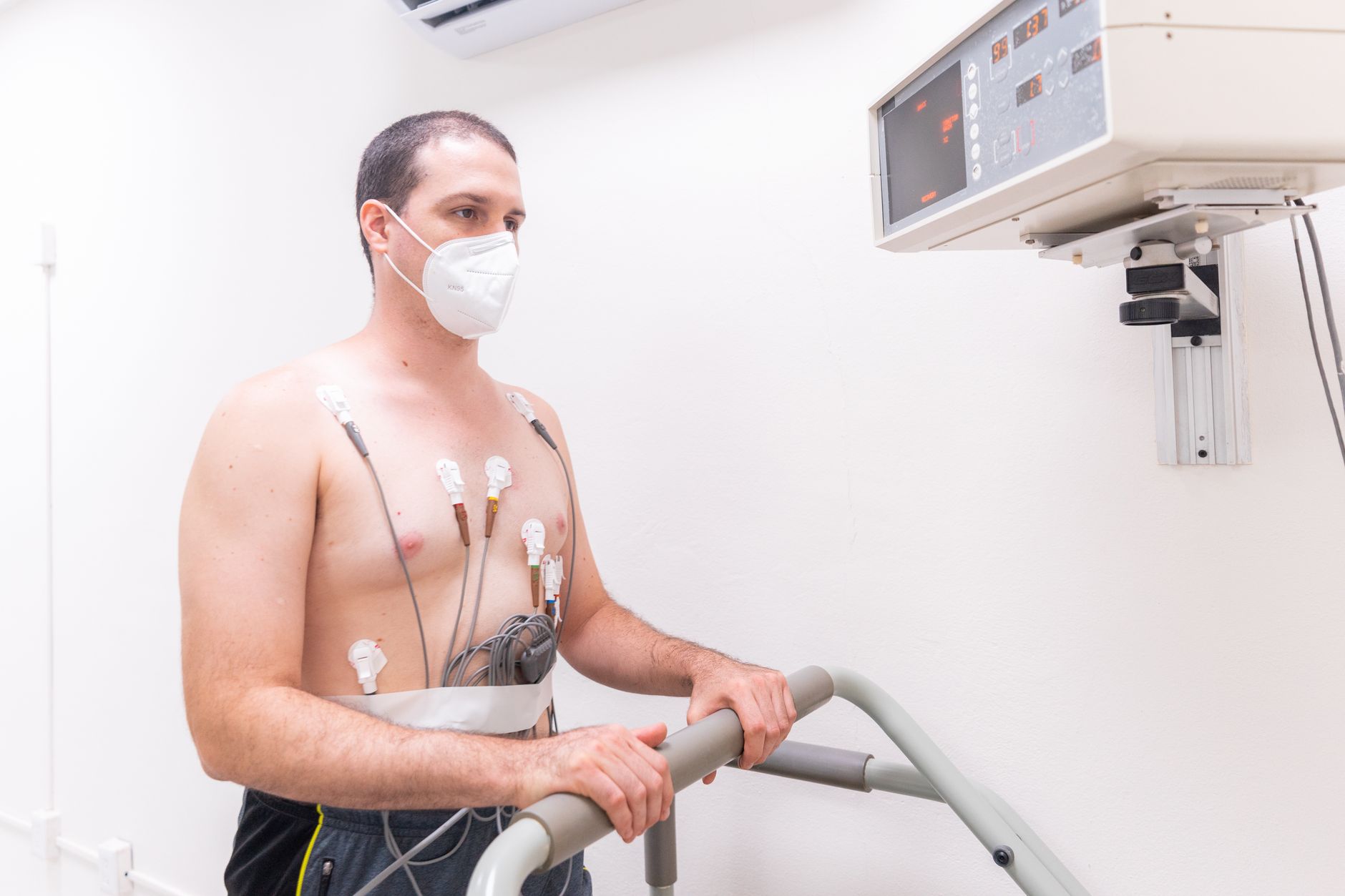
Once you are ready, electrodes will be placed on your chest to monitor your heart’s electrical activity. If you are doing an exercise test, you will begin walking or cycling while the intensity increases. For a pharmacologic test, the medication will be injected into your bloodstream, and your heart’s response will be monitored.
3. After the Test
Once the test is complete, the healthcare team will review the data collected. You may receive immediate feedback, but detailed results will be available after further analysis, which might take a few days.
Why Stress Tests Are Important
Stress tests play a vital role in diagnosing heart conditions and providing insights into your overall cardiovascular health.
1. Diagnosis of Heart Disease
They help identify conditions such as coronary artery disease, arrhythmias, and other heart-related issues. By evaluating how your heart functions under stress, doctors can detect abnormalities that may not be visible during resting assessments.
2. Assessing Treatment Effectiveness
If you have been diagnosed with heart disease, stress tests can help evaluate how well your current treatment is working. Changes in your heart’s response to stress can indicate whether your medications or lifestyle changes are effective.
3. Guiding Exercise Programs
For individuals looking to improve their fitness, stress tests provide critical data that can help tailor exercise programs to your specific needs, ensuring that you are exercising safely and effectively.
Preparing for a Stress Test
Proper preparation can enhance the effectiveness of your stress test and ensure your comfort. Here are some tips:
1. Follow Pre-Test Instructions
- Discuss any medications with your doctor.
- Avoid caffeine and nicotine for 24 hours prior.
- Eat a light meal before the test, if instructed.
2. Dress Appropriately
Wear comfortable, loose-fitting clothing and supportive shoes. Avoid wearing jewelry or clothing with metal that may interfere with the electrodes.
3. Bring Support
If you’re anxious about the test, consider bringing a friend or family member for support. They can help ease your nerves and assist you after the test if needed.
Post-Test Recovery and Follow-Up
Immediate Recovery After a Stress Test
Once the stress test is completed, patients typically enter a recovery phase where their heart rate and blood pressure are monitored. This recovery period lasts about 10 to 15 minutes, during which healthcare providers observe for any immediate side effects or complications. It is crucial for patients to report any unusual symptoms such as chest pain, dizziness, or shortness of breath that may arise during this time.
Patients are often advised to sit quietly and breathe deeply to help normalize their heart rate. The healthcare team will explain what symptoms to watch for and ensure that the patient feels stable before they are discharged. In some cases, additional tests or monitoring may be required to evaluate heart function further.
Understanding Test Results
After the stress test, results are typically analyzed by a cardiologist who will interpret the data collected during the test. The results can provide valuable insights into heart health, including how well the heart responds to stress and whether there are any signs of ischemia, arrhythmias, or other cardiac issues. Patients usually receive their results within a few days, either during a follow-up appointment or through a patient portal.
Understanding the implications of these results is essential. Here are some common outcomes and what they may imply:
- Normal results: Indicates that the heart is functioning well under stress.
- Abnormal results: May suggest potential heart issues that require further investigation, such as coronary artery disease.
- Inconclusive results: Sometimes tests do not yield definitive answers, necessitating additional testing or monitoring.
Follow-Up Care and Next Steps
The follow-up care after a stress test is crucial for addressing any identified issues. Depending on the results, the healthcare provider may recommend lifestyle changes, medication, or further diagnostic tests such as an echocardiogram or coronary angiography. Patients should engage in open communication with their healthcare provider, asking questions about their heart health and any recommended next steps.
Here are some potential follow-up actions based on stress test results:
- Implementing a heart-healthy diet rich in fruits, vegetables, whole grains, and lean proteins.
- Increasing physical activity levels gradually with a structured exercise plan, ideally guided by a cardiac rehabilitation program.
- Regular monitoring of blood pressure and cholesterol levels.
- Managing stress through techniques such as mindfulness or therapy.

Impact of Stress Tests on Long-Term Health
Preventive Health Benefits
Stress tests play a significant role in preventive cardiology by identifying potential heart problems before they lead to serious events such as heart attacks. Early detection of heart disease allows for timely interventions, which can significantly improve long-term outcomes. Engaging in stress testing can help individuals understand their cardiovascular risk factors, prompting necessary lifestyle adjustments.
Several studies have shown that individuals who participate in stress testing as part of a regular health check-up are more likely to adopt healthier lifestyle choices. Here are some of the preventive health benefits of undergoing stress tests:
- Risk assessment: Helps identify individuals at higher risk for cardiovascular diseases.
- Motivation for lifestyle changes: Awareness of heart health can encourage patients to quit smoking, lose weight, and improve their diet.
- Enhanced monitoring: Regular stress tests can help track the progression of heart disease over time.
Psychological Impact of Stress Tests
While stress tests are primarily focused on physical health, they can also have psychological effects. The anticipation of a stress test can provoke anxiety in some individuals, particularly those with a history of heart issues or anxiety disorders. It is essential for healthcare providers to address these concerns and provide support to patients throughout the process.
Understanding common emotional responses can help patients prepare mentally for the test. Here are some strategies to manage anxiety related to stress testing:
- Education: Knowing what to expect during the test can reduce anxiety.
- Relaxation techniques: Deep breathing, meditation, or visualization can help calm nerves.
- Support system: Having a friend or family member accompany the patient can provide reassurance.
Long-Term Monitoring and Adjustments
For patients with existing heart conditions, stress tests can serve as a vital tool for ongoing monitoring and management. Results may lead to adjustments in treatment plans, including changes in medications or increased frequency of follow-up appointments. A proactive approach to heart health is essential for managing chronic conditions effectively.
Additionally, healthcare providers may recommend lifestyle modifications based on the test results. Monitoring should be a collaborative effort between the patient and the healthcare team. Here are some potential adjustments that may be recommended:
- Increased frequency of stress testing for high-risk patients.
- Modification of exercise regimens based on the patient’s current heart function.
- Regular reviews of medication efficacy and side effects.
- Incorporation of new technologies, such as wearable heart monitors, for continuous tracking.
Technological Advances in Stress Testing
Modern Innovations in Stress Testing
Advancements in technology have significantly improved the accuracy and efficiency of stress testing. Innovative methods such as Cardiac MRI and nuclear stress testing provide more detailed images of heart function and blood flow. These technologies can offer a clearer picture of cardiovascular health and help diagnose conditions that traditional stress tests might miss.
For patients, these advancements translate to more personalized care and better diagnostic capabilities. Here are some modern innovations that are shaping the future of stress testing:
- Cardiac MRI: Provides high-resolution images of the heart’s structure and function.
- Nuclear stress testing: Uses radioactive materials to assess blood flow to the heart muscle.
- Wearable technology: Devices like smartwatches can monitor heart rates and rhythms continuously, offering real-time data.
The Role of Artificial Intelligence in Stress Testing
Artificial intelligence (AI) is beginning to play a role in interpreting stress test results, enhancing the accuracy of diagnoses. Machine learning algorithms can analyze large datasets quickly, identifying patterns that may not be immediately obvious to human interpreters. This capability can lead to earlier detection of potential heart issues and better patient outcomes.
The integration of AI into stress testing is still in its early stages, but it holds promise for the future. Here are some potential benefits of using AI in stress testing:
- Increased accuracy: AI can reduce human error in interpreting test results.
- Faster turnaround: Automated analysis can expedite the process of delivering results to patients.
- Personalization: AI can help tailor stress testing protocols based on individual risk factors.
Telemedicine and Remote Stress Testing
The rise of telemedicine has also impacted the way stress tests are conducted. Remote stress testing options allow for greater accessibility, especially for patients living in rural areas or those with mobility issues. Patients can undergo certain assessments from home, with healthcare providers monitoring their responses via telehealth platforms.
This shift towards telemedicine is expected to continue, offering benefits such as:
- Convenience: Patients can participate in stress tests without traveling to a clinic.
- Increased access: More patients can receive timely evaluations regardless of geographical barriers.
- Cost-effectiveness: Remote testing can reduce healthcare costs associated with in-person visits.
Frequently Asked Questions
1. How long does a stress test usually take?
A standard stress test typically takes about 30 to 60 minutes, including preparation, testing, and recovery time.
2. Are there any risks associated with stress tests?
While stress tests are generally safe, there are potential risks, such as abnormal heart rhythms. However, these are rare and are monitored closely during the procedure.
3. Can I eat before a stress test?
It depends on your doctor’s instructions. You may be asked to avoid heavy meals, caffeine, and nicotine before the test.
4. How soon will I get the results of my stress test?
Results may be available immediately after the test for initial feedback, but detailed results will typically be discussed during a follow-up appointment.
The Bottom Line
Understanding how long does a stress test take is crucial for preparing for this important heart evaluation. Stress tests, which usually last between 30 to 60 minutes, are vital for diagnosing potential heart conditions and assessing your overall cardiovascular fitness. Always consult your healthcare provider for personalized advice and information tailored to your health needs.
Note: This article is for general information only and is not medical advice. See a qualified health professional about your own situation.