Key Takeaways
- Donuts can vary significantly in calorie content.
- Fried donuts generally have more calories than baked ones.
- Toppings and fillings can greatly increase calorie counts.
- Moderation is key to enjoying donuts without compromising health.
Understanding Donuts and Their Caloric Content
When you ask yourself, “How many calories in a donut?”, you’re diving into a topic that encompasses not just numbers, but also the enjoyment and nutritional value of this popular treat. Donuts come in various types, shapes, and flavors, all of which can significantly affect their calorie count. Whether you’re indulging in a classic glazed donut or experimenting with more extravagant varieties, knowing the caloric content can help you make informed dietary choices.
On average, a standard donut contains between 200 to 300 calories. However, this number can fluctuate based on several factors, including the method of preparation, the ingredients used, and any additional toppings or fillings. In this guide, we’ll explore these variations in detail, helping you understand how to enjoy donuts while remaining mindful of their impact on your daily caloric intake.
In the following sections, we will break down different types of donuts, their average calorie counts, and how you can enjoy them responsibly. We will also look at healthier alternatives and tips for incorporating donuts into a balanced diet.
Types of Donuts and Their Caloric Breakdown
Donuts can be categorized into various types based on their preparation method and ingredients. Here’s a look at some common varieties:
- Yeast Donuts: These are light and airy, made with yeast that causes the dough to rise. Commonly glazed or filled, they typically contain around 250 to 300 calories each.
- Cake Donuts: Denser than yeast donuts, cake donuts are made with baking powder and often have a richer flavor. On average, they contain about 300 to 400 calories.
- Filled Donuts: Many donuts are filled with custard, cream, or fruit preserves. These can range from 300 to 500 calories, depending on the filling and size.
- Glazed Donuts: A classic favorite, glazed donuts are coated in sugar syrup, adding extra calories. They usually contain around 300 calories.
- Fried vs. Baked Donuts: Fried donuts generally have higher calorie counts due to the absorption of oil during cooking, while baked donuts are a lighter alternative, averaging around 150 to 250 calories.
Caloric Comparison Table
| Type of Donut | Average Calories |
|---|---|
| Yeast Donut | 250 – 300 |
| Cake Donut | 300 – 400 |
| Filled Donut | 300 – 500 |
| Glazed Donut | 300 |
| Baked Donut | 150 – 250 |
Factors Influencing Caloric Content
Several factors can influence the caloric content of donuts, making it essential to consider these when choosing which donut to indulge in.
- Ingredients: The type of flour, sugar, and fats used in the donut recipe can greatly affect calorie counts. For instance, using whole grain flour may slightly reduce calories, while adding more sugar or creamy fillings increases them.
- Size: The size of the donut is a significant factor. Mini donuts will have fewer calories, while larger gourmet donuts can easily exceed 500 calories.
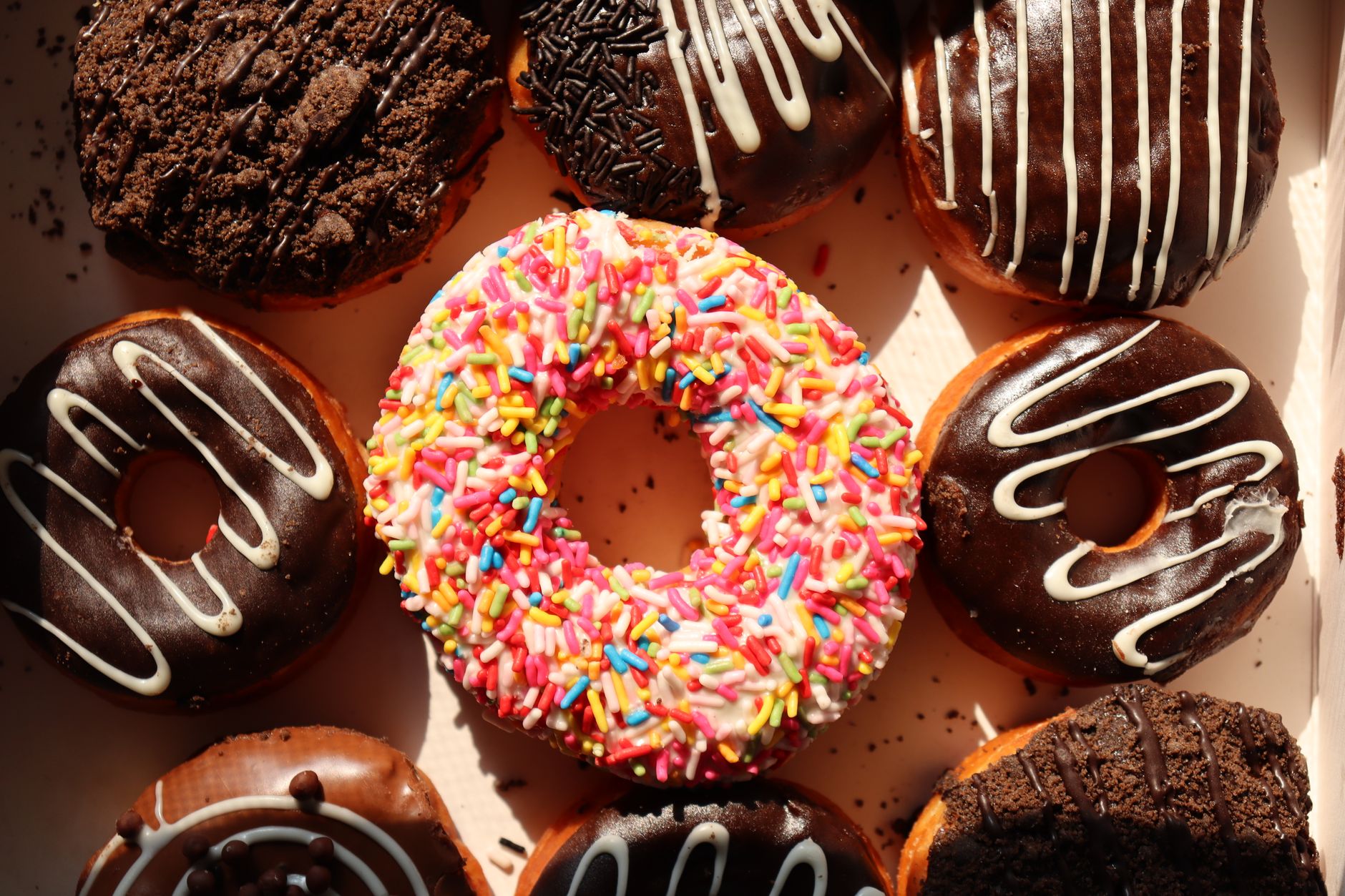
- Toppings and Fillings: Sprinkles, chocolate glaze, and cream fillings can add 50 to 200 calories or more to a donut. Always check the specifics of your donut.
Healthier Alternatives to Traditional Donuts
If you’re looking to enjoy donuts without the high calorie count, consider these healthier alternatives:
- Baked Donuts: Opting for baked instead of fried donuts reduces calorie content. Many recipes use healthier ingredients, making them a better choice.
- Whole-Grain Donuts: Look for recipes that include whole grains. This can provide more fiber and nutrients, contributing to a healthier diet.
- Fruit-Filled Options: Choosing donuts filled with fruit preserves or fresh fruit can add natural sweetness without excessive calories.
Incorporating Donuts into a Balanced Diet
Enjoying donuts doesn’t mean you have to compromise your health. Here are some tips to incorporate them into a balanced diet:
- Portion Control: Consider sharing a donut with a friend or opting for a smaller size. This allows you to enjoy the flavor without consuming too many calories.
- Balance with Nutrient-Dense Foods: If you plan to indulge in a donut, try to balance it with a meal rich in fruits, vegetables, and lean proteins throughout the day.
- Mindful Eating: Take your time to savor the flavors of your donut. Eating slowly can enhance enjoyment and help you feel satisfied with smaller portions.
The Nutritional Value of Donuts
While calories are a significant concern for many, understanding the overall nutritional value of donuts can provide a more comprehensive view of their impact on health. Donuts typically contain a variety of ingredients that contribute to their nutritional profile, including sugars, fats, and carbohydrates. Exploring these components helps to gauge how donuts fit into one’s diet.
Macronutrient Breakdown
Donuts primarily consist of carbohydrates, fats, and proteins. The composition can vary widely depending on the type and ingredients used. Here’s a typical breakdown for a standard glazed donut:
- Carbohydrates: Approximately 30g
- Fats: Approximately 10g
- Proteins: Approximately 2g
These macronutrients play different roles in the body. Carbohydrates serve as the primary energy source, while fats aid in the absorption of certain vitamins and provide a concentrated energy source. Proteins are essential for muscle repair and growth but are typically low in donuts.
Vitamins and Minerals
Although donuts are not typically considered nutrient-dense, they can contain small amounts of vitamins and minerals depending on their ingredients. For instance, if made with whole grains or enriched flour, donuts may provide some B vitamins such as niacin and thiamine. Additionally, if they include toppings like nuts or fruits, they can offer trace amounts of other nutrients:
- Calcium: From dairy-based glazes or fillings
- Iron: Present in fortified flours
- Potassium: From fruit toppings or fillings
While these nutrients are beneficial, they are often overshadowed by the high sugar and fat content found in most donuts.
Added Sugars and Their Impact
One of the most significant contributors to the calorie count in donuts is the added sugars. Many donuts are coated with sugary glazes or filled with sweet creams, significantly increasing their sugar content. For example, a single glazed donut can contain upwards of 10g of sugar. The American Heart Association recommends limiting added sugars to:
- Men: 9 teaspoons (36 grams)
- Women: 6 teaspoons (25 grams)
Exceeding these recommendations can lead to various health issues, including obesity, diabetes, and heart disease. It’s crucial to be mindful of the cumulative sugar intake from all sources, including occasional treats like donuts.
The Psychological Aspects of Eating Donuts
Eating habits are not solely driven by physical needs; psychological factors also play a significant role. The consumption of donuts can be influenced by emotional states, social contexts, and cultural practices. Understanding these aspects can help individuals make more mindful choices regarding their consumption of donuts.
Emotional Eating and Cravings
Many people turn to sugary snacks like donuts during stressful times or as a reward for accomplishments. This behavior, known as emotional eating, can lead to overconsumption. Research has shown that foods high in sugar can trigger the release of dopamine, the brain’s feel-good chemical, reinforcing the desire to consume these foods during emotional lows.
To combat emotional eating, consider the following strategies:
- Identify triggers: Keep a journal to note when and why you crave donuts.
- Find alternatives: Substitute donuts with healthier options that still satisfy cravings.
- Practice mindfulness: Focus on eating habits and understand the difference between physical hunger and emotional cravings.
Social Influences and Eating Habits
Eating is often a social activity, and donuts are a popular choice for gatherings, celebrations, and office treats. The social context can influence how much and how often individuals consume donuts. Sharing a box of donuts can encourage people to indulge more than they would alone.
To navigate social situations involving donuts, consider these tips:
- Set limits: Decide in advance how many donuts you will consume.
- Engage in conversation: Focus on interacting with others rather than just the food.
- Bring healthier options: If attending a gathering, offer a healthy alternative to balance the spread.
By remaining aware of social influences, individuals can make more conscious decisions about their food choices.
Cultural Significance of Donuts
Donuts hold cultural significance in many societies, often associated with celebrations, traditions, and local customs. For example, in the United States, National Donut Day is celebrated on the first Friday of June, highlighting the donut’s role in American culture. In other countries, such as Poland, paczki (a type of filled donut) are traditionally served on Fat Thursday before Lent.
Understanding the cultural context of donuts can help individuals appreciate their place in society while also making conscious choices about their consumption. Consider these aspects:
- Be aware of holiday traditions: Recognize when it might be culturally appropriate to indulge.
- Explore local varieties: Discover regional donut styles that may offer unique flavors and ingredients.
- Participate mindfully: Enjoy donuts as part of social and cultural traditions without overindulging.
The Impact of Homemade vs. Store-Bought Donuts
Another important consideration when discussing donuts is the difference between homemade and store-bought varieties. Each option has its own set of advantages and disadvantages regarding ingredients, nutritional value, and overall health impact.
Ingredient Control in Homemade Donuts
Making donuts at home allows individuals to have complete control over the ingredients used. This means they can choose healthier alternatives, such as whole grain flours, natural sweeteners, and healthier fats. Additionally, homemade donuts can be customized to fit dietary restrictions, such as gluten-free or vegan options.
Consider the benefits of homemade donuts:
- Ingredient transparency: Know exactly what goes into your donuts.
- Customization: Adjust flavors and ingredients to suit personal preferences and dietary needs.
- Potentially lower calories: By substituting healthier ingredients, homemade donuts can be lower in calories.
Store-Bought Donuts: Convenience vs. Quality
Store-bought donuts offer convenience and a wide variety of flavors, but they often come with hidden ingredients and higher calorie counts. Many commercial brands use preservatives, artificial flavors, and high amounts of sugar and unhealthy fats, which can detract from their nutritional value.
When choosing store-bought donuts, consider these factors:
- Read labels: Check for added sugars and unhealthy fats in the ingredient list.
- Portion sizes: Be mindful of serving sizes, as many store-bought options are larger than homemade versions.
- Quality brands: Opt for local bakeries or brands that focus on quality ingredients without artificial additives.
Balancing Both Options
While homemade donuts can be a healthier choice, store-bought options can still have a place in a balanced diet when consumed mindfully. Mixing both types can allow for enjoyment without compromising health. Here are some tips for balancing homemade and store-bought donuts:
- Limit store-bought treats to special occasions.
- Make donuts at home once a month as a fun activity.
- Share store-bought donuts with friends to reduce individual consumption.
This balanced approach enables enjoyment of donuts while maintaining a focus on overall health and nutrition.

Caloric Considerations for Special Diets
Ketogenic Diet and Donuts
For those following a ketogenic diet, which is high in fats and low in carbohydrates, traditional donuts may not fit well into their meal plan. However, there are recipes available that adapt the classic donut to meet ketogenic requirements. These substitutes often use almond flour or coconut flour instead of wheat flour, significantly reducing the carbohydrate content.
Typical keto-friendly donuts can contain anywhere from 100 to 200 calories each, depending on the ingredients used. To ensure they remain compliant with keto guidelines, readers should focus on recipes that utilize natural sweeteners like erythritol or stevia.
- Almond flour donut: 160 calories
- Coconut flour donut: 180 calories
- Gluten-free donut: 210 calories
Vegan Diet and Donuts
Vegan diets exclude all animal products, so traditional donuts made with eggs and dairy are not suitable. Fortunately, many bakeries and home recipes offer vegan alternatives that use plant-based ingredients. These donuts often rely on applesauce or flaxseed meal as egg substitutes, which can also affect the caloric content.
Generally, vegan donuts can range from 150 to 250 calories per donut, depending on the recipe and the amount of sugar and oil used. Opting for baked rather than fried versions can help lower the calorie count.
- Vegan baked chocolate donut: 170 calories
- Vegan cinnamon sugar donut: 200 calories
- Vegan glazed donut: 230 calories
Donuts and Physical Activity
Impact of Exercise on Calorie Balance
Incorporating donuts into a diet can be balanced with physical activity. Understanding how exercise influences calorie expenditure is essential for those who enjoy treats like donuts. Regular aerobic activities, such as running or cycling, can burn significant calories that may offset the intake from a donut.
For example, a 155-pound person can burn approximately 300 calories in 30 minutes of running at a moderate pace. This means that enjoying a donut might be permissible after a good workout, depending on individual calorie needs.
- Running (30 minutes): ~300 calories
- Cycling (30 minutes): ~250 calories
- Walking (30 minutes): ~150 calories
Moderation and Mindful Eating
Mindful eating encourages individuals to focus on their food choices and overall health. This practice is particularly important when consuming high-calorie foods like donuts. Paying attention to hunger cues and savoring the taste of each bite can lead to greater satisfaction and potentially reduce the risk of overeating.
Portion control is another useful strategy. Instead of having multiple donuts, consider enjoying one and pairing it with a source of protein or fiber, such as a handful of nuts or a piece of fruit, to help balance the meal.
- Choose one donut instead of multiple.
- Pair with protein or fiber-rich foods.
- Practice mindful eating techniques.
Frequently Asked Questions
1. Are all donuts high in calories?
No, not all donuts are high in calories. Baked donuts and those made with healthier ingredients can have fewer calories compared to traditional fried donuts.
2. Can I eat donuts while trying to lose weight?
Yes, you can eat donuts while trying to lose weight. Moderation is key. Incorporating them occasionally into a balanced diet can help satisfy cravings without hindering weight loss.
3. How can I make homemade donuts healthier?
You can make homemade donuts healthier by using whole grain flour, reducing sugar, adding fruits, and opting to bake rather than fry them.
4. What is the best way to store donuts?
To keep donuts fresh, store them in an airtight container at room temperature for a day or two. For longer storage, consider freezing them and reheating when ready to eat.
The Bottom Line
Understanding how many calories in a donut can help you enjoy this delightful treat while being mindful of your health. Donuts vary significantly in caloric content based on their type, ingredients, and preparation methods. By choosing healthier options and practicing moderation, you can savor the joy of donuts without compromising your dietary goals.
Note: This article is for general information only and is not medical advice. See a qualified health professional about your own situation.