Key Takeaways
- A McChicken contains approximately 400 calories.
- It includes a variety of macronutrients: protein, fats, and carbohydrates.
- Understanding its calorie content can aid in weight management.
- Fast food can be enjoyed in moderation as part of a balanced diet.
If you’re curious about how many calories in a mcchicken, you’re not alone. Many people are becoming more health-conscious and are interested in understanding the nutritional value of their favorite foods. Fast food items, including the beloved McChicken sandwich from McDonald’s, are often scrutinized for their calorie content and overall health implications.
The McChicken is a popular menu item known for its crispy chicken patty, mayonnaise, and lettuce, all tucked inside a soft bun. While it is a delicious option for a quick meal, understanding its calorie content is essential for those who are monitoring their diet. This article will explore the calorie count of the McChicken, its nutritional components, and how it fits into a balanced diet.
In this guide, we will break down the nutritional information of the McChicken, discuss its place in a balanced diet, and provide tips for making healthier choices when eating fast food.
Nutritional Breakdown of the McChicken
The McChicken is a classic item on the McDonald’s menu. To understand its calorie content, let’s examine the overall nutritional breakdown.
According to McDonald’s nutritional information, a standard McChicken sandwich contains:
- Calories: Approximately 400 calories
- Total Fat: 22 grams
- Saturated Fat: 3.5 grams
- Trans Fat: 0 grams
- Cholesterol: 60 milligrams
- Sodium: 560 milligrams
- Total Carbohydrates: 38 grams
- Dietary Fiber: 1 gram
- Sugars: 5 grams
- Protein: 14 grams
This breakdown illustrates that while the McChicken is a convenient meal option, it is essential to consider its fat and sodium content, especially for those who are managing their weight or have specific dietary restrictions.
Caloric Contribution from Macronutrients
Understanding how calories are distributed among macronutrients is critical for those who are monitoring their intake. The McChicken’s calories come from a combination of fats, carbohydrates, and protein:
- Fats contribute roughly 198 calories (1 gram of fat provides approximately 9 calories).
- Carbohydrates account for about 152 calories (1 gram of carbohydrate provides about 4 calories).
- Protein contributes around 56 calories (1 gram of protein also provides about 4 calories).
By examining the breakdown of calories from macronutrients, individuals can tailor their meals to better fit their dietary needs and goals.
Health Implications of Eating Fast Food
While the McChicken can be a tasty option, it is important to understand the potential health implications of consuming fast food regularly. Fast food is typically high in calories, unhealthy fats, and sodium, which can contribute to various health issues.
Research suggests that frequent consumption of fast food can lead to weight gain, obesity, and related health conditions such as type 2 diabetes and heart disease. The high sodium content in fast food can also increase blood pressure, further elevating the risk of cardiovascular issues.
However, indulging in fast food occasionally, like having a McChicken, can fit into a balanced diet if one is mindful of overall caloric intake and nutritional quality of other foods consumed throughout the day.
Balancing Fast Food Choices
To enjoy fast food without compromising health, consider the following strategies:
- Limit Frequency: Try to limit fast food meals to once a week or less, depending on your dietary goals.
- Pair with Healthy Options: When ordering a McChicken, consider pairing it with a side salad or water instead of fries and soda.
- Control Portions: If you’re craving a McChicken, consider sharing it with someone or ordering a smaller size if available.
Making informed choices can help maintain a balance between enjoying the convenience of fast food and adhering to a nutritious diet.

Comparing the McChicken to Other Fast Food Options
When considering fast food, it is helpful to compare the McChicken with other similar items to understand its calorie content better.
| Fast Food Item | Calories | Protein (g) | Fat (g) | Sodium (mg) |
|---|---|---|---|---|
| McChicken | 400 | 14 | 22 | 560 |
| Spicy McChicken | 430 | 15 | 23 | 700 |
| Chicken Sandwich (Chick-fil-A) | 440 | 28 | 19 | 1400 |
| Whopper Jr. (Burger King) | 310 | 12 | 20 | 480 |
| Wendy’s Chicken Sandwich | 410 | 19 | 19 | 930 |
This comparison illustrates that while the McChicken is relatively moderate in calories compared to some other fast food options, it is still important to consider the overall nutritional profile and ingredients used in each sandwich.
Tips for Healthier Fast Food Choices
When opting for fast food, there are strategies you can use to make healthier choices. Here are some tips:
- Check Nutrition Information: Most fast food chains provide nutritional information online and in-store. Take a moment to review it before ordering.
- Choose Grilled over Fried: If available, select grilled options instead of fried to reduce calories and unhealthy fats.
- Skip the Extras: Avoid adding extra sauces, cheese, or toppings that can significantly increase the calorie count of your meal.
By being mindful of your choices, you can enjoy fast food while still adhering to a healthy eating pattern.
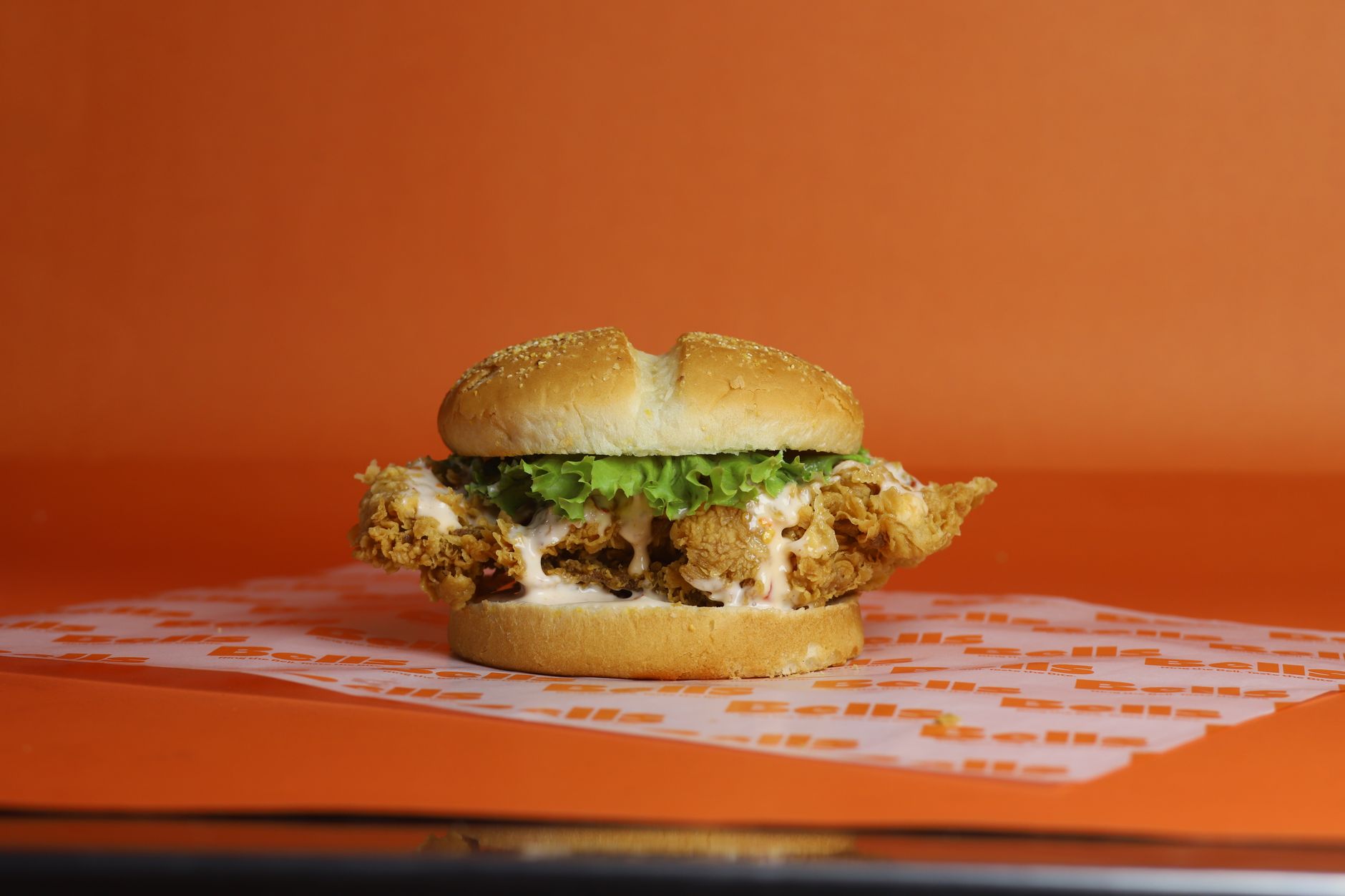
Understanding Fast Food Caloric Content
Fast food items like the McChicken can be surprisingly high in calories, but understanding the caloric content of these foods can help consumers make informed choices. The caloric density of fast food is often influenced by the preparation methods, ingredients, and portion sizes. To better understand how these factors contribute to the overall caloric content, let’s break down some key elements.
Caloric Density Explained
Caloric density refers to the number of calories in a given weight of food. Foods that are high in caloric density provide more calories per gram compared to low-calorie density foods, which can help explain why fast food can lead to excessive calorie consumption.
- High-calorie density foods typically include fried items, sugary drinks, and processed snacks.
- Low-calorie density foods often consist of fruits, vegetables, and whole grains.
- Understanding caloric density can help individuals manage their weight more effectively.
For example, the McChicken, primarily made with a breaded chicken patty, mayonnaise, and a bun, has a higher caloric density compared to a salad with the same weight. This highlights the importance of choosing lower-calorie density foods when possible.
The Role of Portion Sizes
Portion sizes in fast food restaurants have increased significantly over the years, contributing to higher caloric intake. When it comes to the McChicken, the standard serving size plays a crucial role in determining its caloric content.
- McChicken sandwich – approximately 400 calories.
- Medium fries – around 340 calories.
- Medium soda – roughly 210 calories.
When combined, a meal consisting of a McChicken, fries, and a soda can easily exceed 900 calories. Being mindful of portion sizes can help consumers make better dietary choices and prevent overeating.
Influence of Cooking Methods
The method of cooking is another factor that significantly impacts the caloric content of fast food items. The McChicken is fried, which adds additional calories compared to grilled options. Fried foods absorb oils during cooking, increasing their fat content and overall caloric density.
- Fried foods are often higher in unhealthy fats, contributing to increased calorie counts.
- Grilled options typically contain fewer calories and unhealthy fats.
- Understanding cooking methods can help consumers choose healthier fast food options.
Opting for grilled chicken sandwiches or salads instead of fried options can be a strategic choice for those looking to reduce their caloric intake.
Impact of Add-ons and Customizations
When ordering a McChicken, many consumers may not realize how add-ons and customizations can alter the caloric content of their meal. Simple modifications can lead to significant changes in overall calorie intake, which is essential for individuals monitoring their diet.
Common Add-ons and Their Caloric Impact
Add-ons such as extra cheese, bacon, or additional sauces can quickly increase the caloric content of an otherwise standard fast food item. Understanding the caloric impact of these additions is crucial for maintaining a balanced diet.
- Extra cheese – about 50-100 calories.
- Bacon – approximately 42 calories per slice.
- Additional mayonnaise – roughly 100 calories per serving.
For example, adding bacon and extra mayonnaise to a McChicken can increase the total calorie count to over 600 calories, which is a substantial increase for a single meal component.
Healthier Customization Options
Customizing your McChicken can also provide opportunities to make healthier choices. Opting for lighter sauces or removing certain ingredients can help reduce the caloric content without sacrificing flavor.
- Requesting less mayonnaise can save around 50-100 calories.
- Choosing to add lettuce and tomato can provide nutrients without significantly increasing calories.
- Substituting a whole-grain bun can improve fiber content and overall nutrition.
These small changes can lead to a more balanced meal, making it easier to enjoy fast food without excessive calorie consumption.
The Importance of Mindful Eating
Practicing mindful eating while consuming fast food can help individuals stay aware of their caloric intake. Taking the time to savor each bite and paying attention to hunger cues can lead to more satisfying meals with fewer calories consumed.
- Eat slowly to recognize when you are full.
- Avoid distractions, such as screens, during meals.
- Practice portion control by sharing meals or saving leftovers.
Mindful eating encourages healthier habits and can reduce the likelihood of overeating, especially with calorie-dense fast food options like the McChicken.

Long-term Effects of Regular Fast Food Consumption
Regular consumption of fast food, including items like the McChicken, can have long-term implications for health. Understanding these potential effects can motivate individuals to make more informed dietary choices.
Weight Management Challenges
Frequent intake of high-calorie fast food can contribute to weight gain and obesity. The combination of large portion sizes and high caloric density can lead to excessive calorie consumption, making it challenging to maintain a healthy weight.
- Regularly exceeding daily caloric needs can lead to gradual weight gain.
- High-calorie diets are often low in essential nutrients, contributing to nutritional deficiencies.
- Weight gain can increase the risk of developing chronic diseases, such as diabetes and heart disease.
Being aware of these risks can encourage individuals to limit their fast food intake and seek healthier alternatives.
Potential Nutritional Deficiencies
Relying heavily on fast food can lead to inadequate nutrient intake. Fast food items often lack essential vitamins and minerals, which can contribute to long-term health problems.
- Fast food diets may be low in fiber, vitamins, and minerals.
- High sodium content can lead to hypertension and cardiovascular issues.
- Insufficient intake of fruits and vegetables can result in deficiencies in essential nutrients.
Incorporating a variety of whole foods into the diet can help mitigate these deficiencies and promote overall health.
Strategies for Moderating Fast Food Intake
To minimize the long-term effects of fast food consumption, individuals can adopt various strategies to moderate their intake. These include setting limits on fast food visits, choosing healthier menu options, and focusing on home-cooked meals.
- Establishing a maximum number of fast food meals per week.
- Planning meals ahead of time to reduce impulsive fast food choices.
- Incorporating more home-cooked meals using whole ingredients.
By implementing these strategies, individuals can enjoy fast food occasionally while maintaining a balanced and nutritious diet.
Frequently Asked Questions
What is the calorie count of a McChicken without mayonnaise?
Removing the mayonnaise can slightly reduce the calorie count of a McChicken, estimating around 350 calories. This is beneficial for those looking to cut back on fat and calories.
Is the McChicken a healthy choice?
While it can be part of a balanced diet, the McChicken is higher in calories and sodium compared to many homemade meals. Moderation and balance with other healthier options are key.
Can I customize my McChicken order?
Yes! Many fast food restaurants allow you to customize your order. You can remove ingredients like mayonnaise or cheese or add vegetables to enhance the nutritional value.
How can I balance a McChicken in my diet?
To balance a McChicken, consider what you eat throughout the day. Opt for lighter meals at other times, such as salads or lean proteins, and ensure you’re active to help manage your overall caloric intake.
The Bottom Line
Understanding how many calories in a mcchicken is important for making informed dietary choices. With around 400 calories, the McChicken can fit into a balanced diet if consumed in moderation. Being mindful of portion sizes and overall nutritional content can help you enjoy this fast food option without compromising your health goals. Remember, fast food can be part of a healthy lifestyle when enjoyed occasionally and balanced with nutritious foods.
Note: This article is for general information only and is not medical advice. See a qualified health professional about your own situation.