
Key Takeaways
- Newborns typically use 10 to 12 diapers a day.
- Diaper usage may decrease as the baby grows.
- Frequent diaper changes help prevent diaper rash.
- Understanding your baby's patterns can save time and supplies.
Understanding Diaper Use in Newborns
When it comes to caring for a newborn, many new parents find themselves asking, “How many diapers does a newborn use a day?” This question is crucial for planning and budgeting as diapers can be one of the significant expenses in the early days of parenthood. Understanding the typical diaper usage will help you prepare for this new chapter in your life.
On average, a newborn will use about 10 to 12 diapers each day. This number can vary based on several factors including the baby’s diet, health, and individual habits. It’s essential to keep track of how many diapers your baby uses, as this can indicate their feeding patterns and overall health.
As you adjust to life with your newborn, knowing the frequency of diaper changes can help you develop a routine that works for both you and your baby. In this article, we will explore the average number of diapers a newborn uses daily, what influences these numbers, and tips for effective diaper management.
Factors Influencing Diaper Usage
There are several factors that can influence how many diapers a newborn uses each day. Understanding these factors can help you anticipate your baby’s needs and avoid running out of supplies.
1. Diet
The primary factor affecting diaper usage is the baby’s diet. Newborns usually feed every 2 to 3 hours, which means they will produce urine and stool frequently. Breastfed babies often have more frequent bowel movements compared to formula-fed babies. Here are some insights about diet:
- Breastfeeding: Breastfed newborns may have 3 to 6 bowel movements per day, especially in the first month.
- Formula Feeding: Formula-fed babies might have fewer bowel movements, ranging from 1 to 4 per day.
- Transition to Solid Foods: As your baby transitions to solids, expect changes in diaper patterns.
2. Baby’s Age and Size
The age and size of your newborn also play a critical role in determining how many diapers they will need. Smaller newborns may urinate less frequently than larger ones. Consider the following:
- Newborn Stage: In the first few weeks, expect to change diapers frequently due to small bladder capacity.
- Growth Spurts: During growth spurts, babies may eat more and consequently need more diaper changes.
- Individual Variability: Every baby is different; some may need more or fewer changes.
3. Health Status
Health conditions can also impact diaper usage. If a baby has a medical condition, it may affect their digestion and urination patterns. Here are some health-related factors:
- Illness: If your baby is sick, they may have more frequent bowel movements or require additional changes.
- Medication: Certain medications can alter digestion and urination.
- Hydration: A well-hydrated baby will usually require more frequent diaper changes.
Average Daily Diaper Use
To give you a clearer idea of what to expect, here is a breakdown of diaper usage based on different age groups:
| Age | Average Diapers per Day |
|---|---|
| 0-1 Month | 10-12 |
| 1-3 Months | 8-10 |
| 3-6 Months | 6-8 |
| 6-12 Months | 5-7 |
This table illustrates how diaper usage typically decreases as the baby grows. Initially, diaper changes can feel overwhelming, but as your baby matures, the frequency will likely reduce.
Tips for Managing Diaper Changes
Efficient diaper management can make life easier for new parents. Here are some practical tips to help you keep up with diaper changes:
1. Create a Diaper Changing Station
Setting up a dedicated changing area can streamline the process. Consider the following:
- Location: Choose a convenient spot that is near the nursery or primary living areas.
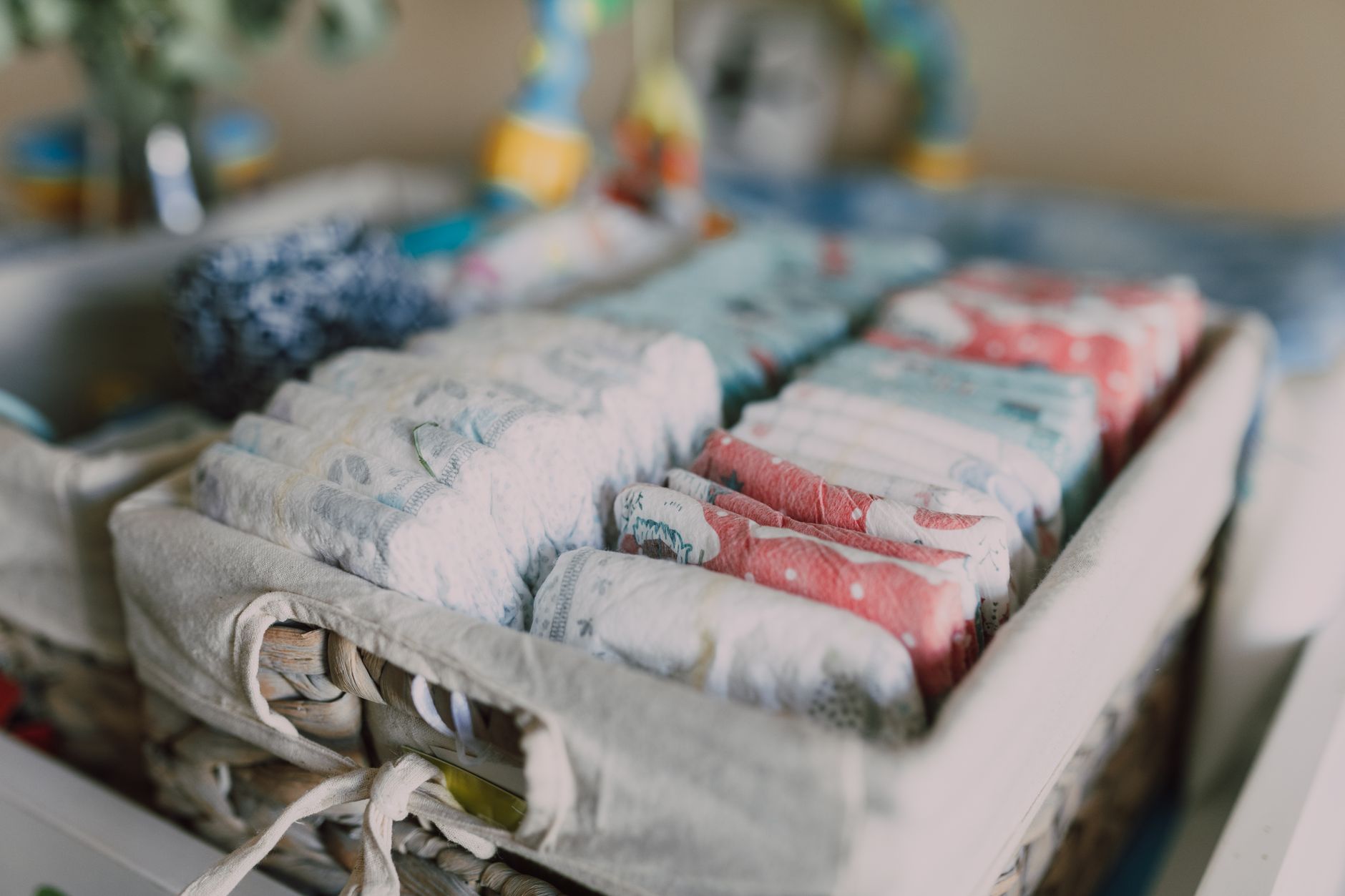
- Supplies: Keep diapers, wipes, and creams organized in a caddy or drawer.
- Safety: Ensure the changing table is secure and has safety straps.
2. Monitor Patterns
Getting to know your baby’s habits can help you anticipate diaper changes:
- Keep Track: Use a notebook or an app to note when your baby feeds and how often they wet or soil their diapers.
- Look for Signs: Pay attention to signs that your baby needs a change, such as fussiness or facial expressions.
- Change Regularly: Aim to change the diaper before it feels overly wet or soiled to prevent diaper rash.
3. Be Prepared for Outings
When going out, it’s important to be prepared for diaper changes:
- Diaper Bag: Keep a well-stocked diaper bag with essentials like diapers, wipes, and a change of clothes.
- Portable Changing Pad: A portable changing pad can make changes easier in public restrooms or on-the-go.
- Plan Ahead: Consider how long you’ll be out and pack accordingly to avoid running out of supplies.
Understanding Diaper Types and Their Impact on Usage
Types of Diapers
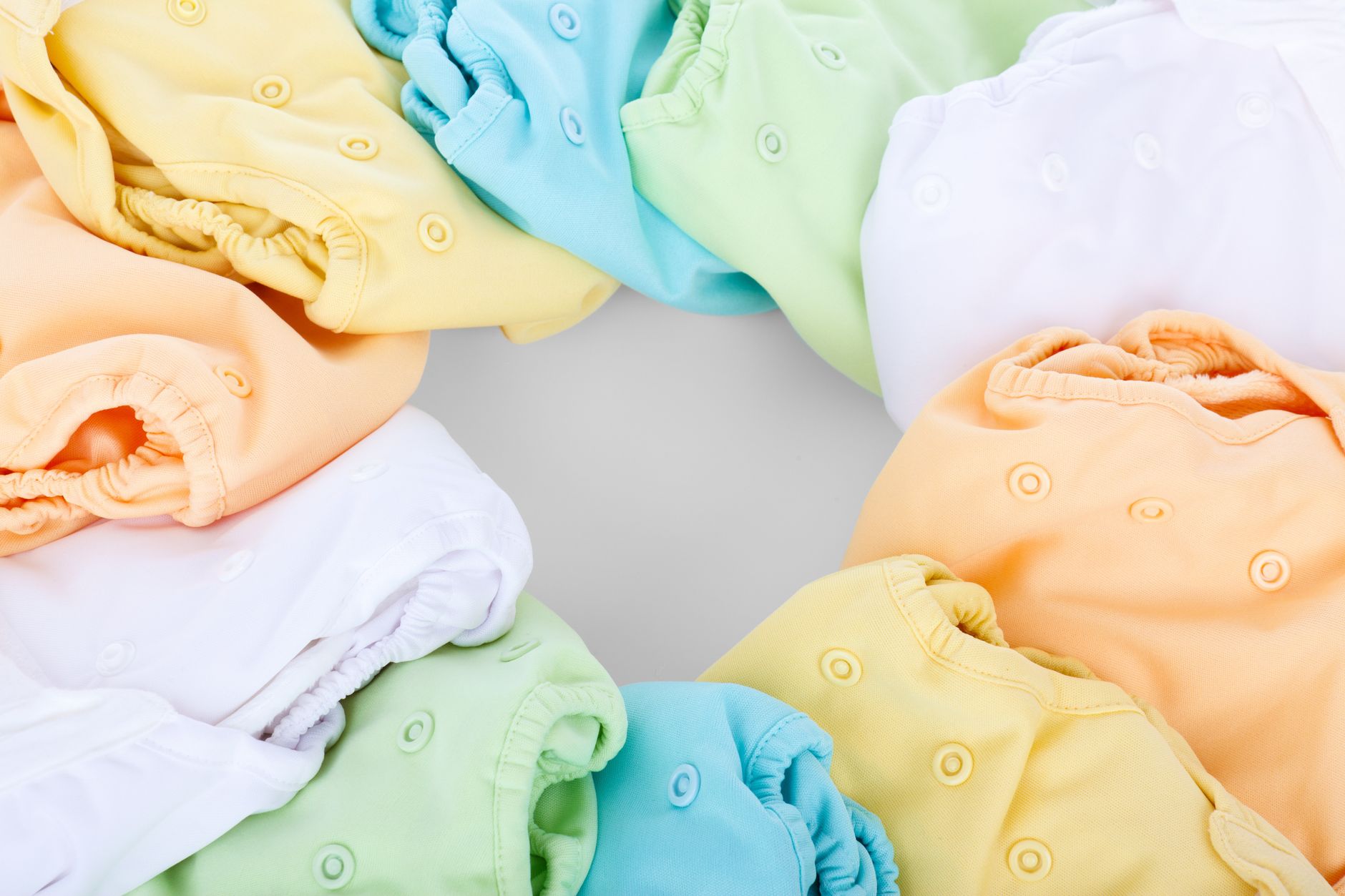
New parents are often faced with the choice between cloth and disposable diapers. Each type has its own unique characteristics and implications for diaper usage. Disposable diapers are designed for convenience and are often more absorbent, leading to less frequent changes. In contrast, cloth diapers require more frequent changes but can be more economical and environmentally friendly in the long run.
Absorbency and Fit
The absorbency of a diaper significantly impacts how often it needs to be changed. Higher absorbency means fewer diaper changes throughout the day. Parents should also consider the fit of the diaper; a snug fit can help prevent leaks, which may lead to less frequent changes. It is essential to choose the right size according to the baby’s weight to maximize performance.
Environmental Considerations
Parents increasingly consider the environmental impact of their diaper choices. Disposable diapers contribute to landfill waste, while cloth diapers require water and energy for washing. Some parents opt for hybrid systems that use both types, balancing convenience and environmental concerns. Here are some factors to consider:
- Waste production: Disposable diapers can take hundreds of years to decompose.
- Water usage: Cloth diapers require significant water for washing.
- Cost analysis: Compare the upfront costs of cloth versus disposable over time.

Health Considerations Related to Diaper Changes
Skin Health and Diaper Rash
Frequent diaper changes are crucial for maintaining skin health in newborns. Prolonged exposure to moisture can lead to diaper rash, a common condition characterized by redness and irritation. Parents should be vigilant in changing diapers promptly, especially after bowel movements. Using barrier creams can also help protect the skin from irritation.
Signs of Diaper Rash
Identifying diaper rash early can prevent further complications. Look for signs such as redness, swelling, and discomfort during diaper changes. If a rash persists despite good hygiene practices, it may require medical attention. Parents should maintain an open line of communication with their pediatrician regarding skin issues. Here are some common signs to watch for:
- Red, inflamed skin in the diaper area
- Small bumps that may develop into sores
- Increased fussiness during diaper changes
Hygiene Practices During Diaper Changes
Maintaining hygiene during diaper changes is essential for preventing infections and promoting overall health. Parents should wash their hands before and after each change, and ensure that all changing materials are clean and organized. Using wipes that are free from fragrances and alcohol can also minimize irritation for the baby’s sensitive skin. Key hygiene practices include:
- Using gloves if there is a chance of contamination
- Disposing of diapers in sealed bags to minimize odors and bacteria
- Cleaning surfaces with disinfectant wipes after changing
Cost Analysis of Diapering Options
Initial Costs of Diapering
The financial aspect of diapering can be overwhelming for new parents. Disposable diapers come with a higher upfront cost, while cloth diapers may require an initial investment for a complete set. It is essential to analyze what fits best within your budget. Parents should also consider the costs of accessories such as wipes, creams, and laundry detergent if using cloth diapers.
Long-term Financial Implications
While disposable diapers may seem easier in the short term, cloth diapers can offer significant savings over time. An average baby may go through approximately 6,000 diapers from birth to potty training. Calculating the total cost of disposable diapers against the initial investment of cloth can provide clarity. Here are some financial factors to consider:
- Cost per diaper: Disposable diapers can range from $0.20 to $0.50 each.
- Longevity: Cloth diapers can last through multiple children if well cared for.
- Resale value: Cloth diapers often have a resale market, helping to recoup costs.
Budgeting Tips for New Parents
Budgeting for diapers is an essential part of preparing for a newborn. Parents can save money by buying in bulk, using coupons, or joining a diaper subscription service. Furthermore, tracking usage can help identify patterns and optimize purchases. Here are budgeting tips to consider:
- Sign up for loyalty programs at local stores.
- Plan for diaper changes based on your baby’s feeding schedule.
- Consider sharing costs with friends who are also parents.
Environmental Impact of Diapers
Disposable Diapers and Their Footprint
Disposable diapers are convenient but come with significant environmental concerns. They are typically made of plastic, which can take hundreds of years to decompose in landfills. It’s estimated that a single child can use approximately 6,000 diapers in their early years, contributing to a substantial amount of waste. Parents should be aware of the environmental implications of their choices when selecting diapering options.
Here are some key facts about disposable diapers:
- Disposable diapers take around 500 years to decompose.
- They are a leading contributor to landfill waste.
- Manufacturing disposable diapers involves significant water and energy use.
Cloth Diapers as an Alternative
Cloth diapers offer a more environmentally friendly alternative to disposables. Made from natural fibers or synthetic materials, they can be reused multiple times, significantly reducing waste. A study by the Environmental Protection Agency (EPA) suggests that using cloth diapers can reduce the carbon footprint associated with diapering.
Moreover, cloth diapers can be more economical in the long run, despite a higher upfront cost. Parents should consider the following aspects of using cloth diapers:
- They can save money over time as they are washable and reusable.
- They reduce landfill waste significantly.
- They come in various styles, including all-in-ones, pockets, and prefolds.
Hybrid Diaper Systems
Hybrid diaper systems combine the benefits of both disposable and cloth options. These systems typically feature a reusable outer shell with a disposable or washable insert. This flexibility allows parents to choose the most suitable option for different situations, such as travel or home use.
Benefits of hybrid systems include:
- Reduced waste compared to traditional disposables.
- Convenience of disposables when needed.
- Ability to customize absorbency and fit based on the child’s needs.
Diaper Rash Prevention and Care
Understanding Diaper Rash
Diaper rash is a common skin condition affecting infants, often resulting from prolonged exposure to moisture, friction, and irritants. Newborns are particularly susceptible due to their sensitive skin. Recognizing the signs of diaper rash early can help prevent it from worsening.
Common symptoms of diaper rash include:
- Red, inflamed skin in the diaper area.
- Small bumps or blisters.
- Discomfort or fussiness during diaper changes.
Preventive Measures
Preventing diaper rash is crucial for a newborn’s comfort. Here are several effective strategies:
- Change diapers frequently to minimize moisture exposure.
- Use a barrier cream containing zinc oxide to protect the skin.
- Allow the baby to go diaper-free for short periods to air out the skin.
Treatment Options
If a rash does occur, timely treatment is essential. Over-the-counter options, such as hydrocortisone creams or antifungal creams, can be effective. However, consulting a pediatrician for persistent cases is advisable. Treatment steps may include:
- Applying a thick layer of barrier cream.
- Using gentle, fragrance-free wipes or warm water for cleaning.
- Allowing for more diaper-free time to promote healing.
Choosing the Right Diaper Size and Fit
Understanding Diaper Sizes
Choosing the correct diaper size is crucial for preventing leaks and ensuring comfort. Diapers come in various sizes, typically categorized by the baby’s weight. Using the right size helps avoid irritation and diaper rash. Most brands provide a size chart to guide parents in selecting the appropriate fit.
Signs of an Incorrect Fit
Parents should be vigilant for signs that a diaper does not fit properly. Common indicators include:
- Frequent leaks or blowouts.
- Red marks on the baby’s skin.
- Difficulty fastening the diaper securely.
Adjusting Fit for Growth
Newborns grow rapidly, necessitating regular adjustments in diaper sizes. Parents should monitor their child’s growth and be prepared to transition to larger sizes as needed. This not only ensures comfort but also minimizes the risk of diaper-related issues. Parents may consider the following:
- Checking weight regularly to determine the right size.
- Assessing fit during diaper changes to prevent leaks.
- Considering brands that offer adjustable features for a better fit.
Frequently Asked Questions
What is the best type of diaper for newborns?
Choosing the right diaper depends on your baby’s needs and your preferences. Most parents opt for disposable diapers for convenience, but cloth diapers can be a sustainable and cost-effective option. Look for diapers specifically designed for newborns, as they often have features tailored for this age group, such as a cut-out for the umbilical cord.
How can I prevent diaper rash?
To prevent diaper rash, change your baby’s diaper frequently, keep the area clean and dry, and apply a barrier cream during changes. If your baby does develop a rash, let the skin breathe as much as possible and consult your pediatrician if it persists.
When should I start potty training my baby?
Most children are ready to start potty training between 18 months and 3 years of age. Look for signs such as staying dry for longer periods, showing interest in using the toilet, or verbalizing the need to go. Every child is different, so be patient and supportive during this transition.
What should I do if my baby has fewer wet diapers?
If you notice your baby is having fewer than 6 wet diapers a day, it may indicate dehydration or feeding issues. Evaluate your baby’s feeding patterns and consult your pediatrician if you have concerns, especially if your baby seems lethargic or is not gaining weight.
The Bottom Line
In summary, understanding how many diapers a newborn uses a day is essential for new parents. On average, expect to change about 10 to 12 diapers daily in the first month. This number will decrease as your baby grows. By tracking your baby’s habits, preparing a changing station, and being proactive in managing diaper changes, you can create a smoother experience for both you and your newborn.
Note: This article is for general information only and is not medical advice. See a qualified health professional about your own situation.