
Key Takeaways
- Newborns typically use 10-12 diapers daily.
- Diaper usage can vary based on feeding and individual needs.
- Monitoring diaper output is essential for assessing hydration.
- Consult a pediatrician for personalized guidance.
When new parents welcome their bundle of joy, one of the many questions that arise is, “How many diapers per day newborn?” Understanding diaper usage is crucial for ensuring your baby’s comfort and health. In this comprehensive guide, we will explore the average number of diapers used by newborns, factors that influence this number, and tips for effective diapering.
On average, newborns typically use between 10 to 12 diapers a day, especially during the first month. This may seem overwhelming, but with some planning and preparation, you can manage this aspect of your baby’s care with confidence. Additionally, monitoring diaper output can provide valuable insights into your baby’s hydration and overall health.
As we delve into this topic, we will cover the reasons behind the varying diaper needs, practical tips for parents, and how to recognize if your baby is getting enough to eat based on their diaper output. Let’s get started!
Understanding Newborn Diaper Needs
Newborns have unique needs when it comes to diapering, influenced by several factors including age, feeding schedule, and individual metabolism. Generally, the first few weeks are critical as your baby adjusts to life outside the womb, and their feeding habits will play a significant role in how many diapers they use.
In the initial days after birth, you may notice that your newborn has fewer wet diapers. This is normal as they transition from meconium (the first stool) to regular stool. However, as your baby begins to feed more frequently, typically on demand, the need for diapers will increase.
Here are some key factors that can affect how many diapers your newborn uses:
- Feeding Method: Breastfed babies may have different stool patterns compared to formula-fed babies. Breast milk is easier to digest, often leading to more frequent bowel movements.
- Age: As your baby grows, their digestive system matures, which can lead to changes in diaper usage.
- Health Status: Any underlying health issues can affect how often your baby needs a diaper change. Always consult a pediatrician if you have concerns.
Average Number of Diapers by Age
Newborns go through several growth phases, and diaper usage can vary accordingly. Below is a breakdown of average diaper usage by age:
| Age | Average Number of Diapers per Day |
|---|---|
| 0-1 month | 10-12 |
| 1-3 months | 8-10 |
| 3-6 months | 6-8 |
| 6-12 months | 4-6 |
This table serves as a general guideline, and individual babies may have different needs. Observe your baby’s patterns and adjust diaper stock accordingly.

Signs That Your Baby is Well-Hydrated
Monitoring how many diapers your newborn uses can also help you assess if they are getting enough nutrition and staying well-hydrated. Here are some signs to look for:
- Wet Diapers: Your baby should have at least 6-8 wet diapers per day after the first week. This is a good indicator that they are well-hydrated.
- Stool Patterns: Expect regular bowel movements, which can range from several times a day to a few times a week, depending on whether they are breastfed or formula-fed.
- Alertness: A well-hydrated baby is generally more alert and active. If your baby seems lethargic or less responsive, consult a healthcare professional.
Practical Tips for Diapering
Diapering can be an overwhelming task for new parents, but with some practical tips, you can make the process smoother:
- Stock Up: Purchase a variety of diaper sizes in advance. Newborns grow quickly, and having an adequate supply will save you trips to the store.
- Change Frequently: Change your baby’s diaper every 2-3 hours or as soon as you notice it is wet or soiled to prevent diaper rash.
- Stay Organized: Set up a designated changing area with all necessary supplies, diapers, wipes, cream, and a changing pad, within reach.
While it may seem like a lot of work at first, establishing a routine will help you become more efficient over time.
Dealing with Diaper Rash
Diaper rash is a common concern for parents, especially in newborns. It can be caused by prolonged exposure to moisture, friction, and irritants in the diaper. Here are some tips to prevent and treat diaper rash:
- Frequent Changes: Change diapers promptly to minimize moisture exposure.
- Gentle Cleaning: Use water and a soft cloth or wipes without alcohol or fragrances to clean your baby’s bottom.
- Barrier Creams: Applying a thin layer of barrier cream can help protect against moisture and irritants.
If you notice persistent redness or irritation, consult your pediatrician for guidance on treatment options.
Choosing the Right Diaper
Choosing the right diaper can significantly impact your baby’s comfort and your ease of use. Here are some factors to consider:
- Material: Look for diapers made from breathable materials to reduce the risk of rashes.
- Fit: A snug fit is essential to prevent leaks while allowing for movement. Ensure that the leg openings are not too tight.
- Absorbency: Choose diapers that offer good absorbency, especially for overnight use.
Many parents find it helpful to try a few brands before settling on the best one for their baby.
Understanding Diaper Sizing and Fit for Newborns
Importance of Proper Diaper Fit
Choosing the right size diaper for your newborn is essential for both comfort and effectiveness. A well-fitted diaper prevents leaks and allows for maximum absorption. When a diaper fits correctly, it should be snug around the waist and thighs without being too tight. This balance helps to prevent skin irritation while keeping messes contained.
Additionally, a proper fit can influence your baby’s overall comfort. Babies who are comfortable are more likely to sleep well and be in a good mood throughout the day. Therefore, paying attention to diaper sizing as your baby grows is crucial for their well-being.
How to Measure for the Right Diaper Size
To find the right diaper size for your newborn, you can follow these simple steps:
- Check Weight Guidelines: Most diaper brands provide weight guidelines on the packaging. Ensure you choose a size that corresponds to your baby’s weight.
- Examine the Fit: When you put the diaper on your baby, check that the leg cuffs are snug against the legs but not pinching. The waistband should sit comfortably around the belly.
- Look for Signs: If you notice frequent leaks or if the diaper appears to sag significantly, it may be time to move up a size.
Regularly reassessing diaper size as your baby grows can help maintain comfort and reduce leaks, allowing your baby to thrive.
Common Diaper Fit Issues and Solutions
Even with the right size, you might encounter some common fit issues. Here are a few problems and their solutions:
- Blowouts: If the diaper is leaking from the top or sides, it may be too small. Consider going up a size.
- Red Marks: If your baby has red marks on their skin from the diaper, it is likely too tight. Switching to a larger size can alleviate this issue.
- Frequent Changes Needed: If you find yourself changing diapers more frequently than expected, check if the diaper is absorbing properly and whether it is the right size.
By addressing these fit issues promptly, you can ensure your newborn remains comfortable and healthy.
Understanding Diaper Types: Disposable vs. Cloth
Pros and Cons of Disposable Diapers
Disposable diapers have become a popular choice for many parents due to their convenience. They are designed for single use, making them easy to change and discard. Some advantages of using disposable diapers include:
- Convenience: Quick changes are possible without the need for washing.
- Absorption: Designed with advanced materials, disposables can hold a significant amount of liquid, keeping your baby dry.
- Availability: Easily found in various sizes and brands in stores.
However, there are also disadvantages:
- Environmental Impact: Disposable diapers contribute to landfill waste.
- Cost: Over time, the cost of disposables can add up compared to cloth options.
Benefits of Using Cloth Diapers
Cloth diapers are gaining popularity due to their environmental benefits and potential cost savings. Some benefits include:
- Eco-Friendly: Cloth diapers are reusable and generate less waste.
- Cost-Efficient: Although the initial investment is higher, cloth diapers can save money in the long run.
- Customizable Fit: Many cloth diapers come with adjustable sizing, allowing you to fit them perfectly to your baby.
However, cloth diapers also have drawbacks:
- Washing Required: They require regular washing and drying, which can be time-consuming.
- Less Absorbent: Some parents find cloth diapers need changing more frequently compared to disposables.
Choosing the Right Diaper Type for Your Family
Choosing between disposable and cloth diapers is a personal decision that depends on your lifestyle, budget, and environmental concerns. Here are some factors to consider:
- Time Constraints: If you have a busy schedule, disposables might be more suitable.
- Financial Considerations: Analyze the long-term costs of each option.
- Commitment to Sustainability: If reducing your carbon footprint is a priority, cloth diapers may align better with your values.
Ultimately, many parents find a combination of both types works best, using cloth diapers at home and disposables when out and about.
Understanding Diapering Techniques and Hygiene Practices
Best Practices for Changing Diapers
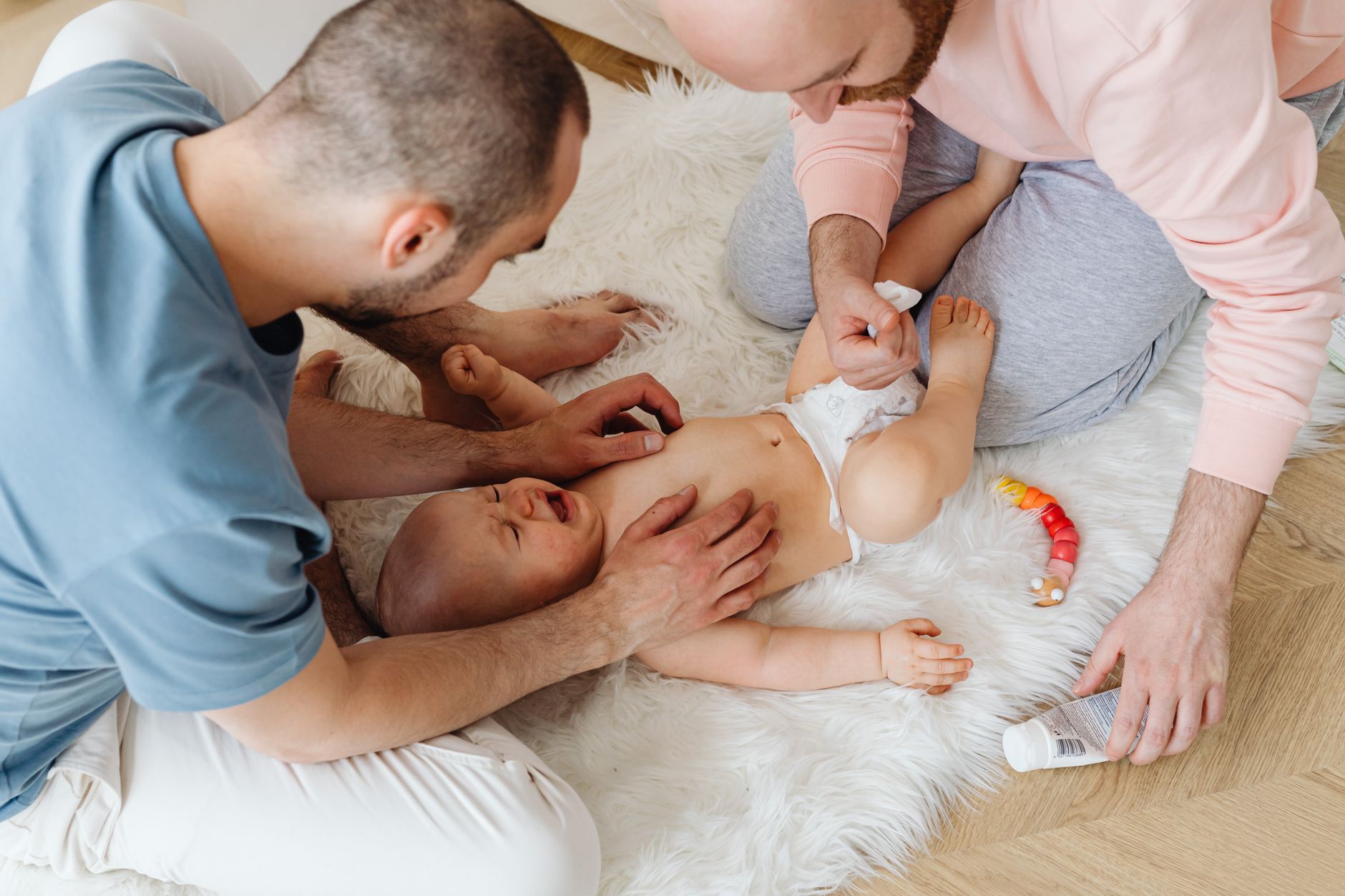
Changing diapers may seem straightforward, but implementing best practices can enhance hygiene and comfort for your baby. First, always wash your hands before and after changing a diaper to prevent the spread of germs. Use a clean surface and have all your supplies within reach to make the process efficient.
When removing the diaper, gently lift your baby’s legs by the ankles, and use the front of the diaper to wipe away any mess, folding it inward to contain the waste. Dispose of the used diaper appropriately, and then clean your baby’s bottom with wipes or a damp cloth, ensuring that all creases are cleaned thoroughly.
Maintaining Hygiene to Prevent Infections
Proper hygiene during diaper changing is critical in preventing infections such as urinary tract infections (UTIs) and yeast infections. Here are some hygiene practices to follow:
- Pat Dry: After cleaning, gently pat the area dry to prevent moisture build-up.
- Avoid Baby Powder: While baby powder is often used, it can irritate your baby’s skin if inhaled. Avoid using it unless advised by a pediatrician.
- Monitor for Rashes: Keep an eye out for signs of diaper rash and consult a healthcare provider if rash persists.
Tips for Nighttime Diapering
Nighttime diapering can be particularly challenging as parents want to ensure their baby stays dry throughout the night. Consider the following tips:
- Use Overnight Diapers: These diapers are specially designed to absorb more fluid and provide a better barrier against leaks.
- Change Before Bed: Always change your baby’s diaper right before bedtime to minimize the chance of leaks during the night.
- Keep Supplies Handy: Have everything you need for a quick change nearby to avoid waking your baby too much.
By implementing these best practices and hygiene measures, you can ensure a more comfortable and healthy diapering experience for your newborn.
Frequently Asked Questions
1. Can I use cloth diapers instead of disposables?
Yes, cloth diapers are a viable option, but they may require more frequent changes and washing. They are eco-friendlier and can be more cost-effective in the long run.
2. How can I tell if my baby is allergic to a diaper?
Signs of a diaper allergy can include redness, swelling, or rash that does not improve with regular diaper care. Consult your pediatrician if you suspect an allergy.
3. How often should I change my newborn’s diaper at night?
Try to change your newborn’s diaper at least once during the night, especially if it is wet or soiled. However, if they are sleeping soundly, you may let them rest longer.
4. What should I do if my baby has fewer wet diapers than usual?
If your baby has fewer than six wet diapers a day after the first week, it may indicate dehydration. Consult your pediatrician for advice.
The Bottom Line
Understanding how many diapers your newborn uses daily is an essential part of caring for your baby. On average, newborns will go through 10-12 diapers each day, with some variations based on feeding and individual needs. Monitoring diaper output not only helps in maintaining hygiene but also serves as a gauge for your baby’s hydration and nutrition. Always consult your healthcare provider for personalized guidance and support.
Note: This article is for general information only and is not medical advice. See a qualified health professional about your own situation.