
Key Takeaways
- Understanding an overbite and its causes.
- Treatment options include braces, retainers, and surgery.
- Importance of consulting a dental professional.
- Lifestyle changes can aid in managing an overbite.
Understanding Overbites
An overbite is a common dental condition where the upper front teeth significantly overlap the lower front teeth when the mouth is closed. If you are wondering how to fix an overbite, it’s essential first to understand its causes and implications. Overbites can lead to various issues, including jaw pain, teeth wear, and even speech difficulties.
Overbites are classified into two main types: skeletal and dental. Skeletal overbites arise from the jaw structure, where the upper jaw is either too far forward or the lower jaw is too far back. Dental overbites, on the other hand, occur due to the alignment of the teeth themselves. Understanding the type of overbite is crucial for determining the most effective treatment.
Overbites can develop due to several factors, including genetics, thumb sucking during childhood, prolonged use of pacifiers, or even teeth grinding. Identifying these factors early on can help in managing or preventing the condition.
Signs and Symptoms of an Overbite
Many individuals may not realize they have an overbite until they undergo a dental checkup. However, there are several signs and symptoms to watch for:
- Jaw Discomfort: Pain or discomfort in the jaw, especially when chewing or biting.
- Wear on Teeth: Excessive wear on the teeth, particularly the front teeth, due to misalignment.
- Speech Issues: Difficulty pronouncing certain sounds, which may indicate an overbite.
- Gum Problems: Increased risk of gum disease due to misaligned teeth.
- Facial Aesthetics: A noticeable imbalance in facial features, such as a protruding upper jaw.

Diagnostic Procedures
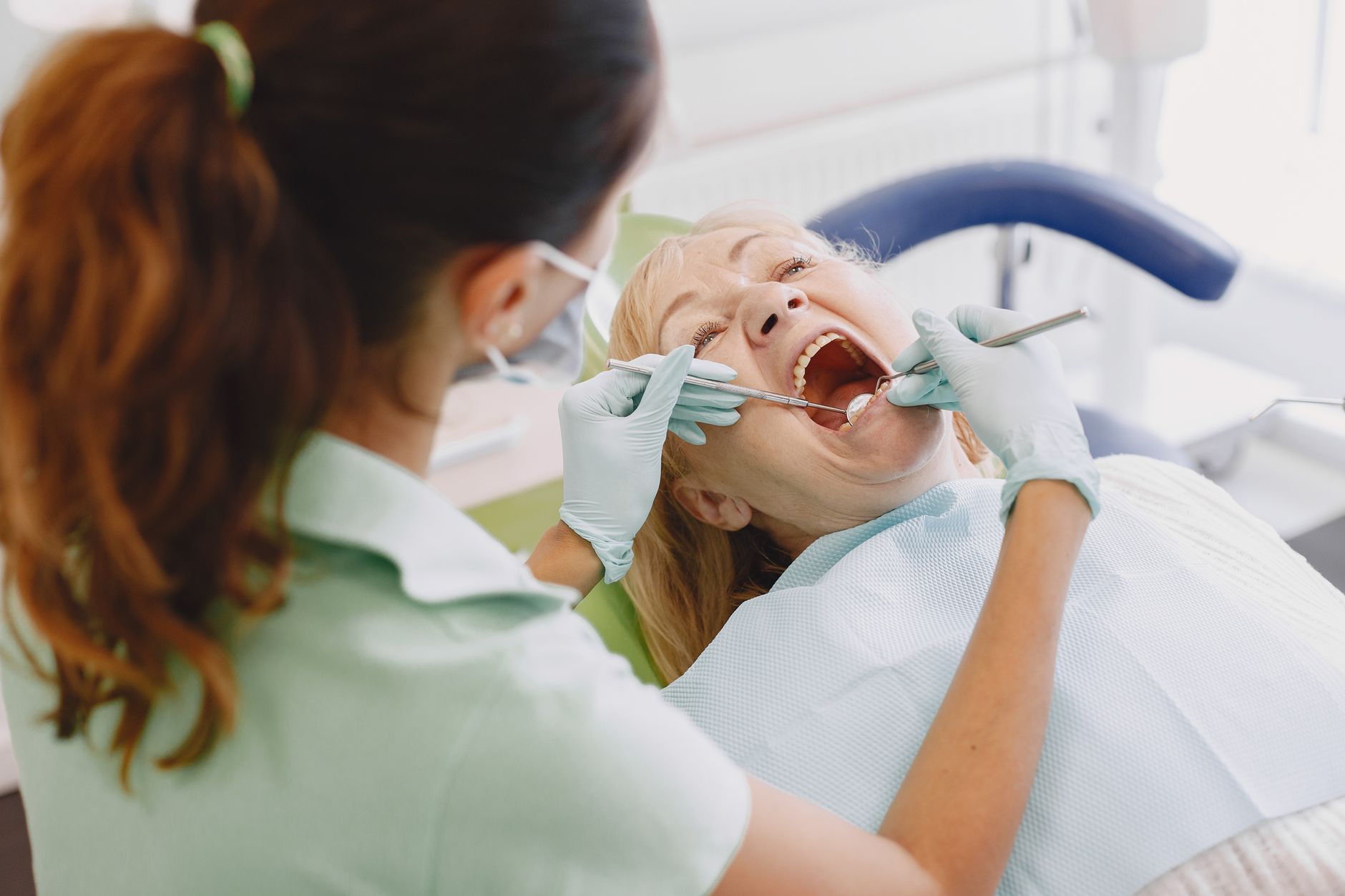
Diagnosing an overbite typically involves a comprehensive dental examination. A dentist will assess the alignment of your teeth and jaw, often utilizing X-rays to visualize the underlying structure. During the examination, the dentist will look for the degree of overlap between the upper and lower teeth.
They may also evaluate your bite using a tool called a bite fork, which helps determine how the teeth come together. Based on these assessments, the dentist can classify the severity of the overbite and recommend suitable treatment options.
It’s important to note that early detection can lead to better outcomes, so regular dental checkups are vital for identifying potential orthodontic issues.
Treatment Options for an Overbite
When considering how to fix an overbite, various treatment options are available, ranging from non-invasive methods to surgical interventions. Here are some of the most common treatments:
Braces
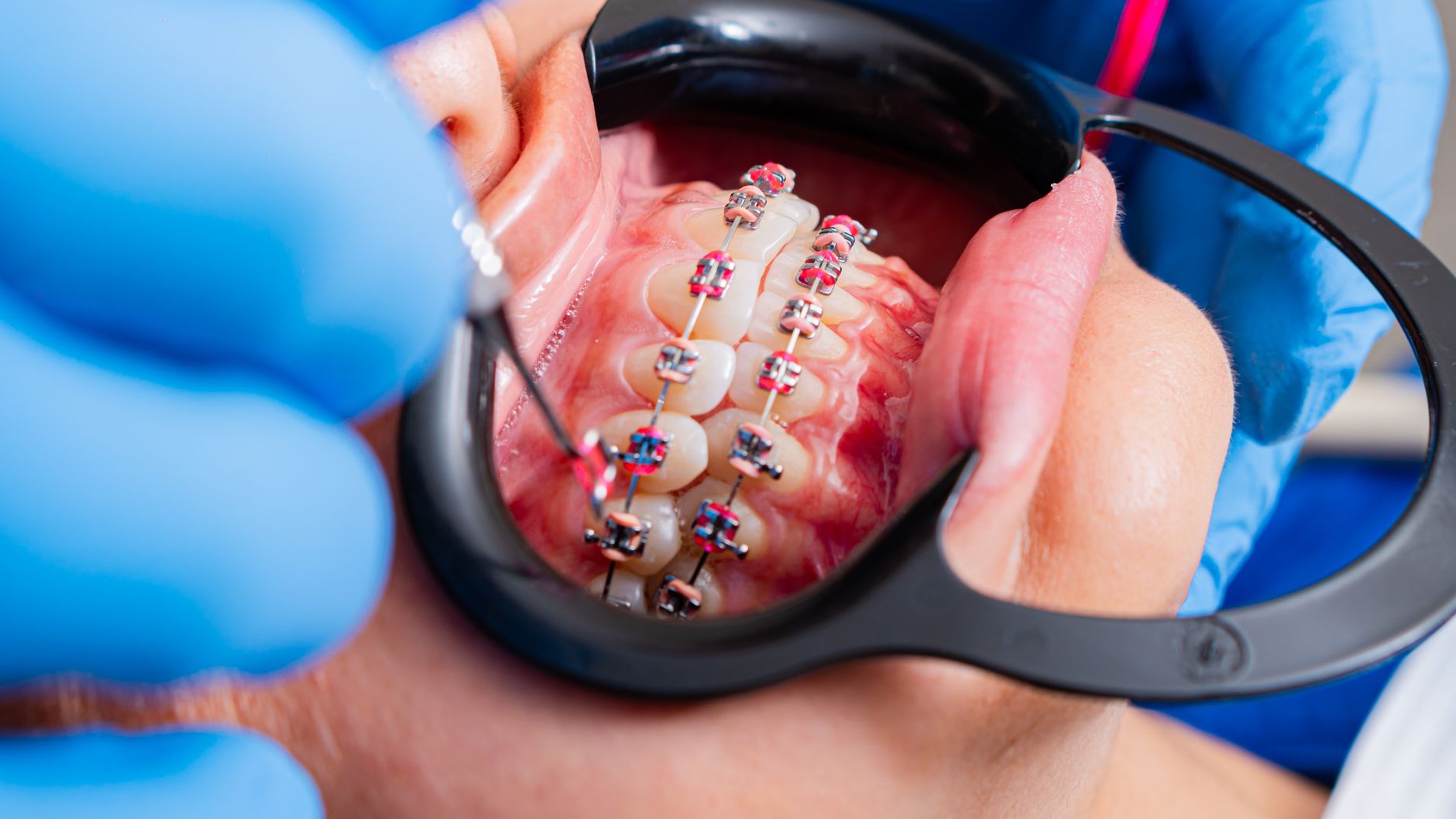
Braces are the most common method for correcting dental overbites. They work by gradually shifting teeth into the correct alignment. There are several types of braces:
- Metal Braces: Traditional braces made of metal brackets and wires.
- Ceramic Braces: Less visible than metal braces, these are made from clear materials.
- Lingual Braces: Placed behind the teeth, making them invisible from the front.
- Clear Aligners: Removable trays that gradually straighten teeth.
Retainers
After braces, retainers are often used to maintain teeth in their new position. They can also be recommended for mild overbites. Retainers can be fixed or removable and are crucial in preventing teeth from shifting back to their original positions.
Surgery
In cases of severe skeletal overbites, surgical intervention may be necessary. Orthognathic surgery can realign the jaw and improve the bite. This type of surgery involves repositioning the upper or lower jaw and requires a recovery period. It is generally reserved for adults, as jaw growth can complicate treatment in younger patients.
Self-Management and Lifestyle Changes
Alongside professional treatment, certain lifestyle changes can help manage an overbite effectively. Here are some recommendations:
- Avoid Thumb Sucking: Encourage children to stop thumb sucking, as it can exacerbate an overbite.
- Limit Pacifier Use: Prolonged use of pacifiers can also contribute to the development of overbites in young children.
- Practice Good Oral Hygiene: Regular brushing and flossing can prevent dental issues that may worsen an overbite.
Additionally, maintaining a balanced diet and avoiding hard or sticky foods can prevent further dental complications.
Costs Associated with Treatment
The cost of fixing an overbite can vary widely based on the severity of the condition, the treatment method chosen, and the geographic location. Here’s a general breakdown of potential costs:
| Treatment Type | Average Cost | Insurance Coverage |
|---|---|---|
| Braces | $3,000 – $7,000 | Often partially covered |
| Retainers | $100 – $500 | May be covered |
| Surgery | $20,000 – $40,000 | Varies by plan |
It’s important to discuss payment options and insurance coverage with your dental provider. Many practices offer payment plans to make treatment more affordable.
Understanding the Importance of Early Intervention
Childhood Development and Dental Health
Addressing an overbite during childhood can significantly enhance long-term dental health and functionality. The primary reason is that children’s jaws are still developing, making it easier to guide their growth in the desired direction. Early intervention can prevent more severe issues from arising later, such as jaw pain, uneven wear on teeth, and difficulties with chewing or speaking.
Moreover, children with overbites may experience social challenges, including low self-esteem or bullying. Correcting the alignment of their teeth can improve their confidence and overall quality of life.
- Improved dental health
- Enhanced self-esteem
- Prevention of future complications
- Better functional outcomes
Indicators for Early Treatment
Parents should be aware of specific indicators that suggest it may be time to consult a dental professional regarding their child’s bite alignment. These indicators include:
- Difficulty in biting or chewing
- Visible misalignment of teeth
- Frequent thumb sucking or pacifier use beyond the age of three
- Speech difficulties
Monitoring these signs can help ensure that children receive necessary interventions before their dental structures fully develop. A pediatric dentist can provide guidance on the best time for evaluation.
Types of Early Treatment Options
Several treatment options are available for early intervention, each tailored to the child’s specific needs. These may include:
- Space maintainers: Used to hold the space for permanent teeth if a baby tooth is lost prematurely.
- Palatal expanders: Devices that widen the upper jaw to create more space for teeth.
- Braces: Traditional braces may be recommended for children age 10 and older to correct alignment issues.
Each option aims to create a conducive environment for proper dental alignment as the child grows, prioritizing their long-term health.
Psychological Impacts of an Overbite
Social Anxiety and Self-Image
An overbite can have profound effects on an individual’s self-image, particularly during formative years. Children and adolescents with noticeable dental misalignment may experience social anxiety, leading to hesitance in engaging with peers. Research indicates that individuals with dental irregularities often feel embarrassed about their appearance, which can result in social withdrawal and emotional distress.
Furthermore, the psychological implications may extend into adulthood, affecting both personal and professional relationships. Addressing these issues requires more than just dental treatment; it involves fostering a supportive environment that encourages self-acceptance and confidence.
- Encouraging positive body image
- Promoting social skills development
- Providing mental health resources if needed
Impact on Quality of Life
The psychological effects of an overbite can significantly impact an individual’s overall quality of life. People with untreated overbites may find it challenging to eat comfortably, speak clearly, or maintain proper oral hygiene. Each of these factors can contribute to a cycle of frustration and embarrassment.
Improving dental aesthetics through treatment can alleviate these issues, leading to enhanced self-confidence and better social interactions. As patients feel more comfortable in their skin, they may also experience improvements in mental health, including reduced anxiety and enhanced well-being.
Supportive Measures for Psychological Well-being
To help individuals cope with the psychological burden of an overbite, several supportive measures can be beneficial:
- Engaging in support groups or therapy to discuss feelings about dental aesthetics.
- Practicing mindfulness and self-acceptance exercises.
- Involving family and friends in the treatment process to create a supportive network.
These measures can empower individuals to navigate their challenges with confidence and resilience, enhancing their overall mental health.
Long-term Maintenance After Treatment
Importance of Retainers
After successfully correcting an overbite, the use of retainers is essential to maintain the new alignment of teeth. Teeth have a natural tendency to shift back to their original positions, particularly in the months following treatment. Retainers help stabilize the new alignment, ensuring long-lasting results.
There are two main types of retainers: fixed and removable. Fixed retainers are bonded to the back of the teeth, while removable retainers can be taken out for cleaning and eating. Dentists will recommend the most suitable option based on the individual’s needs and treatment outcomes.
- Fixed retainers: Advantages include constant maintenance of tooth position.
- Removable retainers: Easy to clean and can be taken out as needed.
Regular Dental Check-ups
Regular dental check-ups are crucial for monitoring the health of teeth and gums after treatment for an overbite. These visits allow dentists to assess the stability of the dental alignment and make any necessary adjustments to retainers or other appliances. Additionally, routine cleanings help prevent issues such as cavities or gum disease, which can arise due to changes in dental structure.
Patients should schedule follow-up appointments according to their dentist’s recommendations, typically every six months. During these visits, dentists may also provide guidance on maintaining oral hygiene and addressing any concerns that arise.
- Ensuring proper oral hygiene
- Addressing any discomfort or changes in bite
- Regular assessment of dental health
Adopting Healthy Lifestyle Choices
Maintaining the results after correcting an overbite also involves adopting healthy lifestyle choices. A balanced diet, rich in vitamins and minerals, supports dental health and overall well-being. Additionally, avoiding harmful habits such as smoking and excessive sugar intake can help preserve the results of dental treatments.
Engaging in good oral hygiene practices is equally important. This includes brushing twice a day, flossing daily, and using an antimicrobial mouthwash to reduce plaque buildup and maintain gum health. By prioritizing these habits, individuals can enjoy a beautiful and functional smile for years to come.
- Balanced diet rich in calcium and phosphorus
- Avoiding sugary snacks and beverages
- Regular oral hygiene practices
Alternative Therapies for Overbite Correction
Orthodontic Appliances
Orthodontic appliances can serve as a viable alternative or complement to traditional braces. These devices, such as functional appliances, work by influencing jaw growth and positioning in younger patients. They can be particularly effective for mild to moderate overbites, allowing for a less invasive approach.
Common types of orthodontic appliances include:
- Headgear
- Retainers
- Palatal expanders
These devices can help align teeth gradually while also addressing jaw discrepancies. Treatment duration varies based on the individual’s specific needs and adherence to wearing the appliance.
Behavioral and Postural Techniques
Behavioral modifications can also play a role in managing an overbite, particularly when it is exacerbated by habits such as thumb sucking or mouth breathing. Encouraging children to break these habits can help prevent worsening of the overbite.
Additionally, maintaining good posture can be beneficial. Poor jaw posture, often resulting from slouching or craning the neck forward, can contribute to an overbite. Techniques to improve posture include:
- Regularly practicing neck stretches
- Being mindful of head alignment while sitting or standing
- Using ergonomic furniture to support good posture
Engaging in these practices can alleviate some pressure on the jaw and reduce symptoms associated with an overbite.

Dietary Considerations for Managing Overbite Symptoms
Foods to Favor and Avoid
Diet can play a significant role in managing the discomfort associated with an overbite. Eating softer foods can reduce strain on the jaw, while certain types of foods can exacerbate symptoms. Foods that are easier to chew include:
- Mashed potatoes
- Soups
- Yogurt
- Cooked vegetables
- Fish
Conversely, hard or chewy foods, such as raw carrots, nuts, and tough meats, should be limited. These can cause additional stress on the jaw muscles and exacerbate pain or discomfort.
Hydration and Jaw Health
Staying hydrated is essential for overall health, including oral health. Dehydration can lead to reduced saliva production, which is vital for maintaining the health of the gums and teeth. Drinking sufficient water throughout the day can help ensure that the mouth remains moist and can assist in the natural cleaning process.
Additionally, including foods rich in vitamins and minerals can support jaw health. Foods high in calcium and vitamin D, such as dairy products and leafy greens, are particularly beneficial for bone health, which is essential in maintaining proper jaw alignment.
Impact of Age on Overbite Treatment
Children and Adolescents
Addressing overbites in children and adolescents is often more straightforward due to their still-developing jaws. Early orthodontic intervention can enhance jaw growth and positioning, often leading to better outcomes with less invasive treatment required later.
Common interceptive measures for this age group include:
- Space maintainers
- Partial braces
- Myofunctional therapy
These interventions can significantly reduce the severity of an overbite as they transition into adulthood.
Adults and Treatment Options
For adults, treatment options may be limited to orthodontics or surgical interventions, depending on the severity of the overbite. Many adults seek orthodontic treatment to correct their overbite for aesthetic reasons or to improve function. In these cases, more complex treatments like jaw surgery may be necessary for severe overbites.
It’s important for adults to discuss all available options with their orthodontist, considering factors such as treatment duration, potential discomfort, and costs involved.
Frequently Asked Questions
1. Is an overbite common?
Yes, overbites are quite common, and many people may have a mild overbite without any significant issues.
2. At what age should an overbite be treated?
It’s best to address overbites during childhood or early adolescence, but adults can also seek treatment.
3. Will fixing an overbite improve my appearance?
Correcting an overbite can enhance facial aesthetics and boost self-esteem by improving the smile.
4. Can I fix an overbite without braces?
In some mild cases, retainers or other non-invasive methods may suffice, but braces are often the most effective solution.
The Bottom Line
Understanding how to fix an overbite involves recognizing the condition’s causes, signs, and available treatment options. While braces remain the most common solution, other methods such as retainers and surgery may also be appropriate depending on the severity of the overbite. Consulting with a dental professional is essential for determining the best course of action to achieve a healthier smile.
Regular dental checkups can help identify and manage orthodontic issues early on.[/m4p_tip>
Note: This article is for general information only and is not medical advice. See a qualified health professional about your own situation.
