
Key Takeaways
- Understand the causes of foot odor.
- Implement daily hygiene routines.
- Choose appropriate footwear and socks.
- Use home remedies and treatments.
Understanding Smelly Feet
How to get rid of smelly feet permanently is a common concern for many people. Foot odor, or bromodosis, is often caused by the natural moisture and warmth of the feet, which creates an ideal environment for bacteria to thrive. When these bacteria break down sweat, they produce unpleasant odors. Understanding the root causes can help you address the issue effectively.
While sweating is a normal bodily function, excessive sweating, known as hyperhidrosis, can exacerbate foot odor. Factors contributing to this condition include genetics, hormonal changes, and even certain medications. Additionally, wearing closed shoes or synthetic socks can trap moisture, leading to a build-up of sweat and bacteria.
Addressing foot odor involves a combination of good hygiene practices, appropriate footwear choices, and possibly lifestyle changes. It’s essential to tackle the problem from multiple angles to achieve permanent results. Below, we’ll explore various strategies to help you eliminate foot odor for good.
Daily Foot Hygiene Practices
Maintaining a consistent foot hygiene routine is vital in preventing and eliminating smelly feet. Here are some key practices to incorporate into your daily life:
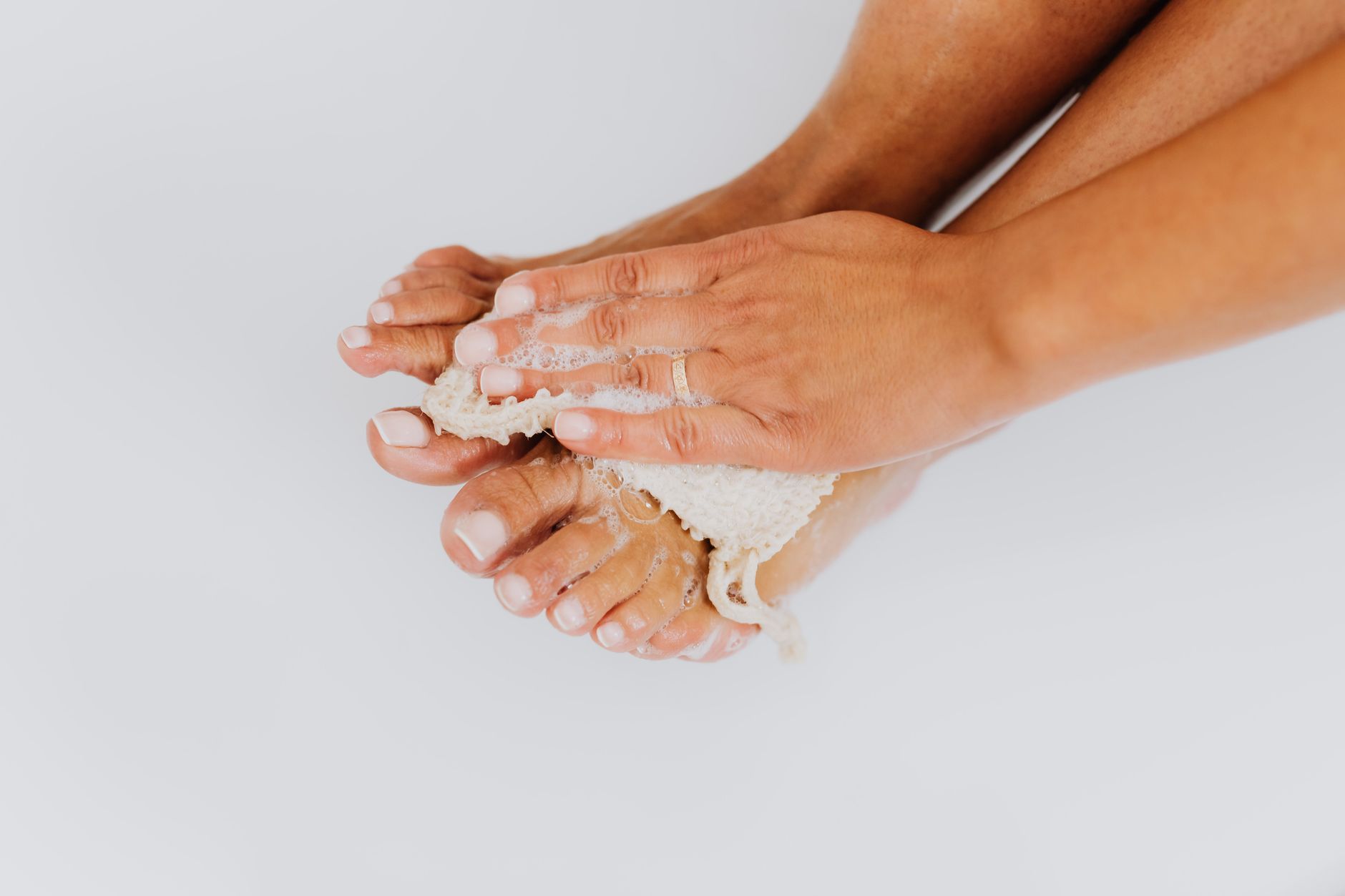
- Wash Feet Regularly: Clean your feet daily with soap and water, making sure to scrub between the toes thoroughly. This helps remove sweat and bacteria that contribute to odor.
- Dry Feet Completely: After washing, dry your feet thoroughly, especially between the toes. Bacteria thrive in moist environments, so keeping your feet dry is crucial.
- Use Antibacterial Soap: Consider using antibacterial soap to further reduce bacteria on your feet.
In addition to washing, consider exfoliating your feet weekly. This helps remove dead skin cells, which can harbor bacteria. A simple foot scrub can be made using natural ingredients like sugar and olive oil.
Choosing the Right Footwear
Your choice of footwear plays a significant role in foot hygiene and odor. Here are some tips for selecting appropriate shoes:
- Wear Breathable Shoes: Opt for shoes made from natural materials like leather or canvas, which allow better airflow compared to synthetic materials.
- Rotate Shoes: Avoid wearing the same pair of shoes every day. Give each pair time to air out and dry completely.
- Choose Moisture-Wicking Socks: Invest in socks that wick moisture away from your feet. Look for materials like wool or synthetic blends designed for moisture control.
This simple change in footwear can significantly reduce moisture and the likelihood of developing odors. Remember, the right footwear can make a world of difference in your foot hygiene.

Home Remedies for Foot Odor
There are several home remedies you can try to help combat foot odor. These remedies are natural and can be effective in reducing bacteria and moisture:
- Baking Soda: Sprinkle baking soda inside your shoes and on your feet. Baking soda absorbs moisture and neutralizes odors.
- Vinegar Soak: Soaking your feet in a mixture of equal parts vinegar and water for 15-20 minutes can help kill bacteria and fungi.
- Essential Oils: Using essential oils like tea tree oil or lavender can provide antibacterial properties. Mix a few drops with a carrier oil and massage into your feet.
These remedies can be incorporated into your weekly routine for ongoing foot care. They are not only effective but also cost-efficient solutions.
Over-the-Counter Solutions
If home remedies are not sufficient, you may consider over-the-counter products specifically designed to tackle foot odor. Some options include:
- Antiperspirants: Foot-specific antiperspirants can help reduce sweating by blocking sweat glands.
- Foot Powders: Talcum or cornstarch-based foot powders can absorb moisture and keep your feet dry throughout the day.
- Odor-Fighting Insoles: Specialized insoles can be inserted into your shoes to help absorb moisture and neutralize odors.
Be sure to follow the instructions on any product to ensure effectiveness and safety. If you have sensitive skin or any underlying health conditions, consult with a healthcare professional before trying new products.
When to See a Doctor
While most cases of foot odor can be managed at home, there are instances when you should seek medical advice. If you experience:
- Persistent foot odor despite following good hygiene practices.
- Redness, swelling, or other signs of infection.
- Foot odor accompanied by other symptoms like itching or peeling skin.
A healthcare professional can help identify any underlying issues that may be contributing to the problem, such as fungal infections or skin conditions. It’s important to address these issues promptly to prevent further complications.
Maintaining Foot Health
Permanently eliminating foot odor also involves maintaining overall foot health. Here are some tips:
- Regularly Trim Toenails: Keeping toenails short and clean can prevent bacteria and fungi from growing.
- Moisturize: Use foot cream to keep your skin hydrated but avoid excessive moisture between the toes.
- Monitor for Changes: Keep an eye on any changes in your feet, such as color or texture, and seek medical advice if anything seems unusual.
These practices not only help in managing odor but also contribute to overall foot health, which is essential for comfort and mobility.
Dietary Changes to Combat Foot Odor
Understanding the Connection Between Diet and Body Odor
What we eat can significantly influence our body odor, including the smell of our feet. Certain foods contain compounds that can lead to the production of strong-smelling sweat. For instance, foods rich in sulfur, such as garlic and onions, can be metabolized in a way that causes odor to emanate from the skin. Additionally, consuming high amounts of processed foods and sugars can lead to imbalances in the body, potentially exacerbating foot odor.
Foods to Include in Your Diet
To reduce foot odor, consider incorporating the following foods into your diet:
- Fruits and Vegetables: Foods like apples, carrots, and leafy greens can help balance body odor.
- Whole Grains: Brown rice, quinoa, and oats provide fiber which can help with digestion and detoxification.
- Herbs and Spices: Fresh herbs like parsley and basil can naturally combat odors.
These foods not only promote overall health but also contribute to a more pleasant body odor, including that of the feet. Staying hydrated by drinking plenty of water is also essential, as it helps flush out toxins that can contribute to odor.
Foods to Avoid
On the other hand, some foods may exacerbate foot odor and should be limited:
- Processed Foods: These can lead to imbalances in gut flora, worsening body odor.
- Red Meat: This type of protein can lead to stronger body odors due to its metabolism.
- Alcohol: It can lead to dehydration and increased body odor.
By making mindful dietary choices, it is possible to influence body odor positively and potentially reduce the smell of feet over time.
Foot Care Products and Their Role in Odor Prevention
Specialized Powders and Sprays
Foot odor can often be managed effectively with the right products. Specialized foot powders and sprays are designed to absorb moisture and neutralize odors. These products often contain ingredients like baking soda, cornstarch, or talc that help keep feet dry. Furthermore, some sprays contain antimicrobial agents that can combat the bacteria causing the odor.
Antiperspirants for Feet
While most people use antiperspirants on their underarms, they can also be applied to the feet. Antiperspirants work by blocking sweat glands to reduce moisture on the skin’s surface. Look for products that contain aluminum chloride, as this ingredient is effective in reducing sweat production and, consequently, odor. It’s essential to apply antiperspirant to clean, dry feet and allow it to dry before putting on socks or shoes.
Choosing the Right Foot Care Products
When selecting foot care products, consider the following:
- Ingredients: Look for natural ingredients that are known for their antibacterial properties.
- Formulation: Choose products that are designed specifically for foot odor control rather than generic body sprays.
- Skin Sensitivity: Always opt for hypoallergenic products if you have sensitive skin to avoid irritation.
Regular use of foot care products in combination with proper hygiene can significantly reduce foot odor and improve overall foot health.
Environmental Factors and Their Impact on Foot Odor
The Role of Humidity and Temperature
Environmental conditions play a significant role in foot odor. High humidity and warm temperatures create an ideal environment for bacteria to thrive, leading to increased foot odor. When feet sweat, the moisture provides a breeding ground for bacteria, which is the primary cause of unpleasant smells. Understanding these environmental factors can help in taking preventative measures.
Creating a Suitable Footwear Environment
To mitigate the effects of humidity and heat on foot odor, it is essential to create a suitable environment for your feet. Here are some strategies:
- Choose Breathable Materials: Opt for shoes made of breathable materials such as canvas or leather.
- Use Moisture-Wicking Socks: Socks made from synthetic materials that wick moisture away from the skin can help keep feet dry.
- Rotate Your Shoes: Allow shoes to air out for at least 24 hours before wearing them again to prevent the buildup of moisture and odor.
By understanding and mitigating the impacts of environmental factors, individuals can better control foot odor and maintain foot hygiene effectively.
Natural Antimicrobial Agents to Combat Foot Odor
Essential Oils and Their Benefits
Essential oils have become increasingly popular for their natural antimicrobial properties, making them an effective option for combating foot odor. Oils such as tea tree oil and lavender oil possess antifungal and antibacterial qualities that can help reduce odor-causing bacteria. To use essential oils effectively, dilute a few drops in a carrier oil like coconut oil and massage the mixture into your feet each night before bed.
Another option is to create an aromatic foot soak by adding a few drops of essential oil to warm water. This can not only help eliminate odor but also provide a relaxing foot spa experience.
- Tea Tree Oil: Known for its antifungal properties.
- Lavender Oil: Offers antibacterial benefits and a pleasant scent.
- Peppermint Oil: Provides a cooling sensation and helps mask odors.
Herbs and Natural Ingredients
In addition to essential oils, certain herbs and natural ingredients can be effective in reducing foot odor. For instance, sage is known for its antibacterial properties and can be used in foot soaks. Simply steep fresh or dried sage leaves in hot water, allow it to cool, and soak your feet for 15-20 minutes.
Another option is baking soda, which can neutralize odors. Sprinkle baking soda inside your shoes overnight to absorb moisture and odors. You can also create a paste by mixing baking soda with water and applying it directly to your feet, leaving it on for 10-15 minutes before rinsing.
- Sage: Antibacterial properties effective against foot odor.
- Baking Soda: Neutralizes odors and absorbs moisture.
- Activated Charcoal: Absorbs excess moisture and odor.
Footwear Maintenance and Care
Cleaning and Sanitizing Your Shoes
Regular cleaning and sanitizing of your footwear can significantly contribute to reducing foot odor. Bacteria thrive in warm, moist environments, which can often be found inside shoes. To keep your footwear fresh, clean them regularly with soap and water or use specialized shoe cleaners. For added sanitation, consider using a disinfectant spray designed for shoes.
Another effective technique is to air out your shoes after each wear. Remove insoles and allow both the insoles and shoes to dry completely before wearing them again. This practice can help prevent bacteria growth and prolong the lifespan of your footwear.
- Use a damp cloth to wipe down the exterior of shoes.
- Remove and wash insoles regularly.
- Consider rotating your shoes daily to allow each pair to breathe.
Choosing Breathable Materials
When selecting footwear, opting for breathable materials can greatly influence the moisture level inside your shoes. Natural materials like leather and canvas allow for better airflow compared to synthetic materials. Breathable shoes can help wick away moisture, reducing the breeding ground for bacteria and fungi.
Additionally, look for shoes with moisture-wicking insoles designed to absorb sweat. This can help keep your feet drier and more comfortable throughout the day, minimizing the risk of foot odor.
- Leather: Offers natural breathability.
- Canvas: Lightweight and allows airflow.
- Moisture-Wicking Insoles: Designed to keep feet dry.
Footwear Alternatives for Odor Management
Functional and Stylish Options
For those seeking alternatives to traditional footwear, consider functional yet stylish options that prioritize breathability and comfort. Sandals with adjustable straps and open-toe designs allow for better airflow, which can help keep feet dry and odor-free. Choose sandals made with moisture-wicking materials or those that feature antimicrobial properties.
Another great option is moisture-wicking socks. These socks are designed to draw moisture away from the skin and can significantly reduce foot odor when paired with breathable footwear.
- Open-toe Sandals: Promotes airflow.
- Moisture-Wicking Socks: Helps keep feet dry.
- Slip-On Shoes: Easy to wear and breathable.
Innovative Technology in Footwear
Emerging technology in footwear design focuses on odor control and moisture management. Some brands now offer shoes with integrated odor-fighting technology, such as antimicrobial linings or built-in ventilation systems. These innovations can effectively combat foot odor while providing comfort and style.
When shopping for new footwear, look for labels that mention odor control features, as they can be a worthwhile investment for those prone to smelly feet. Such technologies can help maintain a fresher environment for your feet throughout the day.
- Antimicrobial Linings: Prevents bacterial growth.
- Ventilation Systems: Allows for airflow and moisture escape.
- Specialized Odor Control Features: Designed to combat foot odor.
Frequently Asked Questions
What causes foot odor?
Foot odor is primarily caused by bacteria breaking down sweat on the skin. Factors such as poor hygiene, excessive sweating, and wearing closed shoes can worsen the issue.
Can diet affect foot odor?
Yes, certain foods like garlic, onions, and spices can contribute to body odor, including foot odor. Staying hydrated and maintaining a balanced diet can help minimize odor.
Is foot odor a sign of a medical condition?
While foot odor itself is not a medical condition, it can be a symptom of underlying issues, such as fungal infections or skin conditions. If persistent, consult a healthcare professional.
How can I prevent foot odor in the summer?
To prevent foot odor during hot weather, wear breathable sandals, change socks regularly, and use foot powder to absorb moisture. Regular washing and drying of feet are also crucial.
The Bottom Line
Learning how to get rid of smelly feet permanently involves understanding the causes, practicing good hygiene, and making informed choices about footwear and home remedies. By following the steps outlined in this guide, you can effectively manage foot odor, enjoy healthier feet, and boost your confidence. If the problem persists, don’t hesitate to consult with a healthcare professional for additional support.
Regularly check your feet for any abnormalities and maintain a consistent hygiene routine to prevent odors.[/m4p_tip>
Note: This article is for general information only and is not medical advice. See a qualified health professional about your own situation.
