Key Takeaways
- Tooth enamel is crucial for dental health.
- Diet plays a significant role in enamel protection.
- Regular dental care can help prevent enamel loss.
- Avoiding harmful habits is essential for enamel preservation.
Understanding Tooth Enamel
Tooth enamel is the hard, outer layer of your teeth, and it serves as a protective barrier against decay and damage. How to prevent tooth enamel loss is essential knowledge for anyone looking to maintain a healthy smile. This article will cover the importance of enamel, the factors contributing to its erosion, and practical strategies to protect it.
Enamel is primarily composed of minerals, mainly hydroxyapatite, which gives it its strength. However, it does not regenerate like other tissues in the body. Once lost, enamel cannot be replaced, making it vital to understand how to prevent tooth enamel loss. By taking proactive steps, you can help ensure that your teeth stay strong and healthy for years to come.
In this guide, we will explore various aspects of tooth enamel, including the causes of enamel erosion, dietary considerations, oral hygiene practices, and lifestyle changes. Whether you’re concerned about cavities or just want to maintain your bright smile, this comprehensive guide is here to help.
What Causes Tooth Enamel Loss?
Several factors can contribute to the loss of tooth enamel, and understanding these causes is the first step in prevention. Here are some common reasons for enamel erosion:
- Acidic Foods and Beverages: Foods and drinks high in acid, such as citrus fruits, soft drinks, and wine, can wear down enamel over time.
- Dry Mouth: Saliva plays a crucial role in neutralizing acids and protecting enamel. Conditions that cause dry mouth, such as certain medications or medical conditions, can increase the risk of enamel loss.
- Brushing Too Hard: While maintaining oral hygiene is essential, brushing too vigorously can damage enamel and irritate gums.
- Acid Reflux: Stomach acid that comes into contact with the teeth due to acid reflux can erode enamel.
- Genetic Factors: Some individuals may be genetically predisposed to weaker enamel, increasing their risk for erosion.
Recognizing these factors can help you make informed choices about your diet and oral care habits.

Dietary Choices to Protect Enamel
Your diet plays a significant role in maintaining healthy tooth enamel. Here are some dietary tips to help prevent enamel loss:
- Limit Acidic Foods: Try to reduce your intake of acidic foods and beverages. If you do consume them, do so in moderation and rinse your mouth with water afterward.
- Incorporate Enamel-Strengthening Foods: Foods rich in calcium and phosphate, such as dairy products, leafy greens, and nuts, can help strengthen enamel.
- Stay Hydrated: Drinking plenty of water helps maintain saliva production, which is essential for neutralizing acids in the mouth.
- Choose Whole Foods: A diet rich in whole foods, including fruits, vegetables, whole grains, and lean proteins, can promote overall dental health.
- Consider Nutrient Supplements: If you’re concerned about your enamel health, consult with a healthcare provider about the possibility of taking calcium or vitamin D supplements.
By making these dietary adjustments, you can significantly reduce the risk of tooth enamel loss.
Effective Oral Hygiene Practices
Maintaining proper oral hygiene is crucial for protecting tooth enamel. Here are some effective practices to consider:
- Brush Regularly: Brush your teeth at least twice a day with a fluoride toothpaste. Fluoride helps to remineralize enamel and protect against decay.
- Use a Soft-Bristled Toothbrush: A soft-bristled toothbrush is gentler on enamel and gums. Avoid hard-bristled brushes, which can cause damage.
- Floss Daily: Flossing removes plaque and food particles from between the teeth, where a toothbrush may not reach.
- Use Mouthwash Wisely: An antibacterial mouthwash can help reduce plaque and freshen breath. Look for options that do not contain alcohol to avoid drying out the mouth.
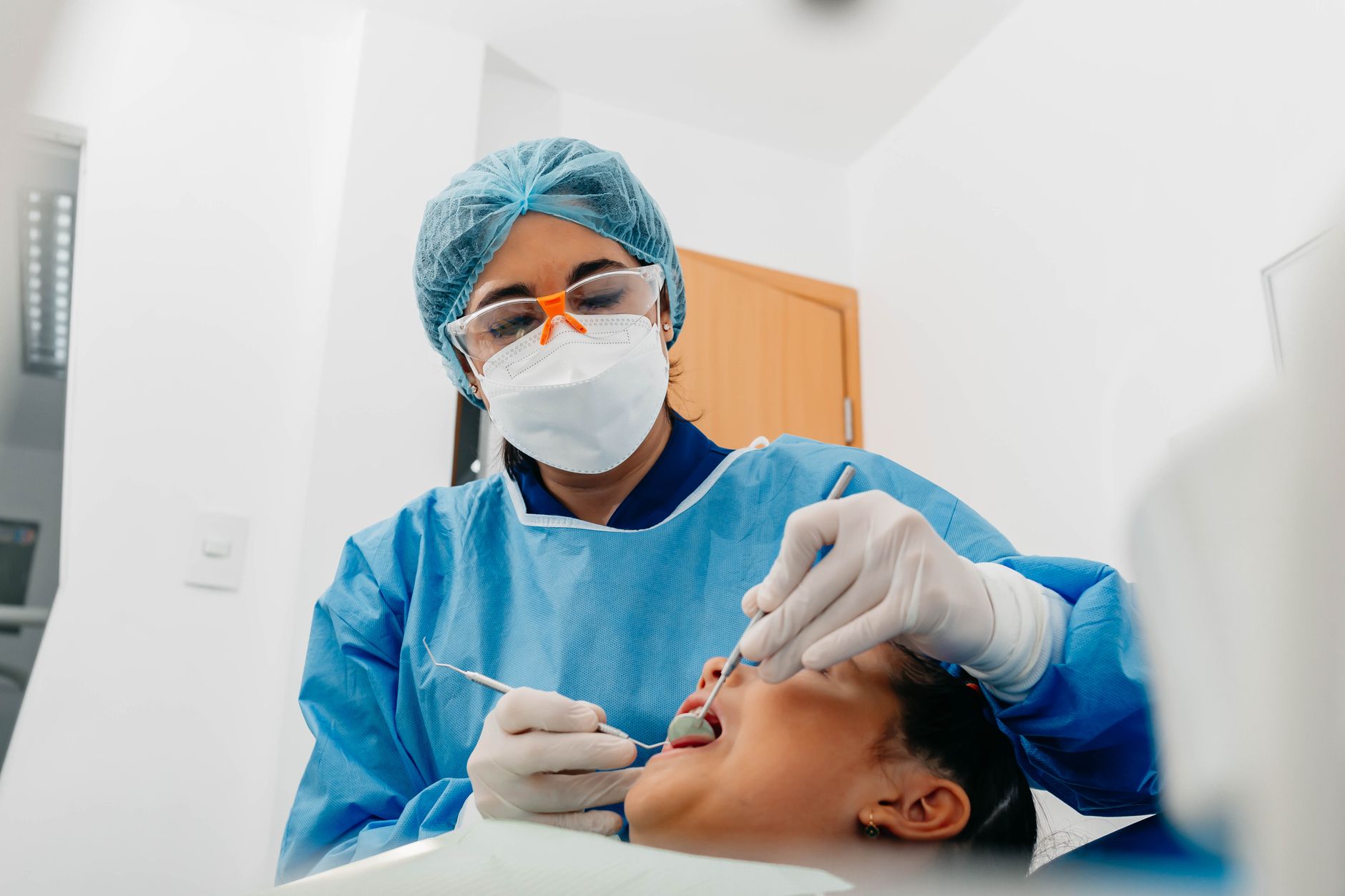
- Regular Dental Checkups: Visit your dentist at least twice a year for professional cleanings and checkups. Your dentist can identify early signs of enamel loss and provide personalized advice.
Implementing these oral hygiene practices can help preserve your enamel and promote overall dental health.
Avoiding Harmful Habits
Certain habits can be detrimental to your tooth enamel. Here are some behaviors to avoid:
- Chewing Ice: Chewing on hard substances, such as ice, can chip or crack enamel.
- Grinding Teeth: Teeth grinding, or bruxism, can wear down enamel over time. If you suspect you grind your teeth, consult your dentist for possible solutions.
- Smoking or Tobacco Use: Tobacco products can stain teeth and contribute to enamel erosion. Quitting can significantly improve your oral health.
- Sipping on Sugary Drinks: Constantly sipping on sugary drinks throughout the day can expose your teeth to sugar and acid for prolonged periods.
- Neglecting Dental Care: Skipping dental appointments or neglecting oral care can lead to cavities and further enamel loss.
By avoiding these harmful habits, you can better protect your tooth enamel and maintain a healthy smile.

Understanding the Role of Fluoride
Fluoride is a mineral that plays a vital role in oral health, particularly in strengthening tooth enamel. Here’s how fluoride contributes to enamel protection:
- Remineralization: Fluoride helps to remineralize areas of the enamel that may have started to erode. This process can reverse early signs of decay.
- Strengthening Enamel: Regular exposure to fluoride makes tooth enamel more resistant to acid attacks caused by plaque bacteria and sugars.
- Reducing Cavities: Fluoride has been shown to reduce the risk of cavities significantly, further preserving enamel integrity.
Fluoride can be found in various sources, including toothpaste, mouth rinses, and some community water supplies. It’s essential to use fluoride products appropriately to maximize their benefits without overexposure.
When to Consult a Dentist
Regular dental visits are critical for maintaining oral health and preventing enamel loss. Here are some signs and symptoms that indicate it may be time to see a dentist:
- Tooth Sensitivity: Increased sensitivity to hot, cold, or sweet foods may indicate enamel erosion.
- Visible Changes in Teeth: If you notice discoloration, chips, or cracks in your teeth, it’s essential to seek professional advice.
- Persistent Pain: Any ongoing tooth pain should be assessed by a dentist to determine the underlying cause.
- Gum Recession: If your gums are receding, it can expose more of the tooth and lead to further enamel loss.
- Frequent Cavities: If you are experiencing cavities more often than expected, it may signal underlying issues with your enamel.
Addressing these concerns early on can prevent more severe dental problems in the future.
Innovative Dental Products for Enamel Protection
Toothpaste with Enamel-Building Ingredients
Toothpaste plays a critical role in maintaining oral health, and using products specifically designed to protect and strengthen tooth enamel can be beneficial. Many modern toothpaste brands now include ingredients such as hydroxyapatite, which is a natural mineral that can remineralize and repair enamel. Research has shown that hydroxyapatite can effectively fill in microscopic defects in enamel, providing a protective layer against acid attacks.
Fluoride is another common ingredient in toothpaste that aids in remineralization. However, hydroxyapatite offers a fluoride-free alternative for individuals who prefer to avoid fluoride due to personal beliefs or sensitivities. When selecting a toothpaste, look for those labeled as enamel protection or remineralizing to ensure they contain these beneficial ingredients.
- Hydroxyapatite
- Fluoride (if preferred)
- Calcium phosphate
Mouthwashes for Enamel Strengthening
In addition to toothpaste, mouthwashes formulated with enamel-strengthening ingredients can provide additional protection for your teeth. These mouthwashes often contain minerals that help to remineralize and fortify enamel, similar to the principles of specialized toothpaste. Using a mouthwash that includes ingredients like xylitol can also help neutralize acids in the mouth and reduce the risk of enamel erosion.
When choosing a mouthwash, select one that is alcohol-free to avoid drying out the mouth, which can lead to further enamel erosion. Regular use of an enamel-protecting mouthwash, particularly after meals, can create a protective barrier against harmful acids and promote overall oral health.
- Look for alcohol-free options
- Check for hydroxyapatite or calcium phosphate
- Consider those with xylitol for added protection
Chewing Gum and Enamel Protection
Chewing gum can be an effective way to protect your enamel, especially if it contains sugar-free sweeteners like xylitol. Studies indicate that xylitol not only reduces the levels of decay-causing bacteria in the mouth but also aids in the remineralization of tooth enamel. The act of chewing gum stimulates saliva production, which is vital for neutralizing acids and washing away food particles.
When choosing chewing gum, opt for those that are sugar-free and contain xylitol or other enamel-friendly ingredients. Chewing gum after meals can be particularly helpful in maintaining a balanced oral environment and protecting enamel against erosive damage.
- Choose sugar-free gum
- Look for xylitol as a key ingredient
- Consider chewing gum after meals to enhance saliva flow
The Role of Lifestyle Choices in Enamel Preservation
Hydration and Its Impact on Oral Health
Staying well-hydrated is crucial for maintaining oral health and protecting tooth enamel. Water consumption promotes saliva production, which is essential for neutralizing acids produced by bacteria in the mouth and for washing away food particles. Saliva contains minerals such as calcium and phosphate that help to remineralize enamel, making hydration a key factor in enamel preservation.
Dehydration can lead to a dry mouth, increasing the risk of enamel erosion and tooth decay. It is important to drink plenty of water throughout the day and consider hydrating with water after meals or sugary snacks to help mitigate acid attacks on enamel.
- Aim for at least eight 8-ounce glasses of water daily
- Consider carrying a reusable water bottle to encourage hydration
- Choose water over sugary drinks whenever possible
Stress Management and Oral Health
Managing stress effectively can also play a role in preserving tooth enamel. High stress levels can lead to behaviors that may harm oral health, such as teeth grinding (bruxism) or neglecting oral hygiene practices. Bruxism can wear away enamel over time, leading to increased sensitivity and risk of decay.
Implementing stress reduction techniques such as mindfulness, yoga, or regular exercise can help mitigate these harmful behaviors. Additionally, consulting with a dental professional about potential solutions for bruxism, such as mouthguards, can provide further protection against enamel loss associated with grinding.
- Practice mindfulness or meditation
- Engage in physical activities to reduce stress
- Seek professional help for bruxism if necessary
Smoking and Oral Health Risks
Smoking significantly increases the risk of oral health problems, including enamel loss. Tobacco products can lead to dry mouth, which reduces saliva flow and exacerbates enamel erosion. Furthermore, smoking is linked to periodontal disease, which can further compromise dental health and increase the risk of enamel loss.
Quitting smoking can have immediate benefits for oral health, and there are numerous resources available to assist individuals in this process. A healthier lifestyle not only supports enamel preservation but also enhances overall well-being.
- Consider support groups or counseling to quit smoking
- Explore nicotine replacement therapies
- Focus on the health benefits of quitting for your teeth and gums
Professional Dental Treatments for Enamel Loss
Dental Sealants as a Protective Measure
Dental sealants are a preventive treatment that can help protect tooth enamel from decay and erosion. Sealants are thin, protective coatings applied to the chewing surfaces of the back teeth, where decay is most likely to occur. By sealing these surfaces, it creates a barrier against food particles and acids that can contribute to enamel loss.
Sealants are particularly effective for children and teenagers, but adults can also benefit from this treatment. The application process is quick, painless, and can significantly reduce the risk of cavities and enamel erosion, making it an excellent preventive measure.
- Consult with your dentist about sealant options
- Consider sealants for children as soon as their adult molars emerge
- Discuss the longevity and maintenance of sealants with your dentist
Professional Fluoride Treatments
While fluoride is commonly found in toothpaste, professional fluoride treatments administered by a dentist can provide a higher concentration of fluoride, offering enhanced protection against enamel erosion. These treatments can help remineralize enamel and may be recommended for individuals at higher risk of enamel loss.
Fluoride treatments are typically quick and painless, involving the application of a gel, foam, or varnish to the teeth. Regular visits to the dentist for professional fluoride treatments, especially for children and those with existing dental issues, can significantly bolster enamel health.
- Discuss the frequency of fluoride treatments with your dentist
- Inquire about the type of fluoride treatment best suited for your needs
- Consider additional fluoride options if recommended
Cosmetic Dental Procedures for Severe Erosion
In cases of severe enamel erosion, cosmetic dental procedures may be necessary to restore the appearance and function of teeth. Treatments such as dental bonding, porcelain veneers, or crowns can be effective solutions for damaged enamel. These procedures not only improve aesthetics but also provide additional protection for the underlying tooth structure.
Consulting with a cosmetic dentist can help determine the most suitable options based on the extent of enamel loss and individual preferences. While these treatments can require a higher investment, they can significantly enhance oral health and overall quality of life.
- Evaluate the need for cosmetic procedures with your dentist
- Consider the long-term benefits versus costs of treatment
- Discuss potential maintenance and care for cosmetic enhancements
Frequently Asked Questions
What are the symptoms of tooth enamel loss?
Symptoms of tooth enamel loss include tooth sensitivity, discoloration, and visible cracks or chips in the teeth.
Can tooth enamel be restored?
While enamel cannot be regenerated, its strength can be improved through remineralization with fluoride and proper dental care.
How often should I visit the dentist?
It is generally recommended to visit the dentist at least twice a year for checkups and cleanings.
Are there any specific foods that strengthen enamel?
Foods rich in calcium and phosphate, such as dairy products, leafy greens, nuts, and certain fish, help strengthen tooth enamel.
The Bottom Line
Protecting your tooth enamel is essential for maintaining a healthy smile and preventing dental issues. By understanding how to prevent tooth enamel loss through proper diet, effective oral hygiene, and avoiding harmful habits, you can significantly reduce the risk of erosion. Regular dental visits and being aware of your enamel health are vital components to achieving long-lasting dental well-being.
Note: This article is for general information only and is not medical advice. See a qualified health professional about your own situation.