Key Takeaways
- Explore various relaxation techniques.
- Understand the importance of breathing exercises.
- Learn how physical activity can aid relaxation.
- Discover mindfulness and its benefits.
How to relax
In today’s fast-paced world, many of us find ourselves overwhelmed by stress and anxiety. Learning how to relax is essential for maintaining our mental and physical health. This article will explore various techniques, practices, and strategies to help you unwind and find tranquility amidst the chaos of everyday life.
Relaxation doesn’t just happen; it is a skill that can be learned and cultivated. This guide aims to provide you with a comprehensive overview of effective methods to help you decompress, recharge, and restore balance in your life. Whether you’re looking for quick fixes or long-term solutions, we have you covered.
As we delve into the topic of how to relax, remember that everyone is different. What works for one person may not work for another. Therefore, it is essential to explore various techniques and find what resonates with you.
Understanding Stress and Its Impact
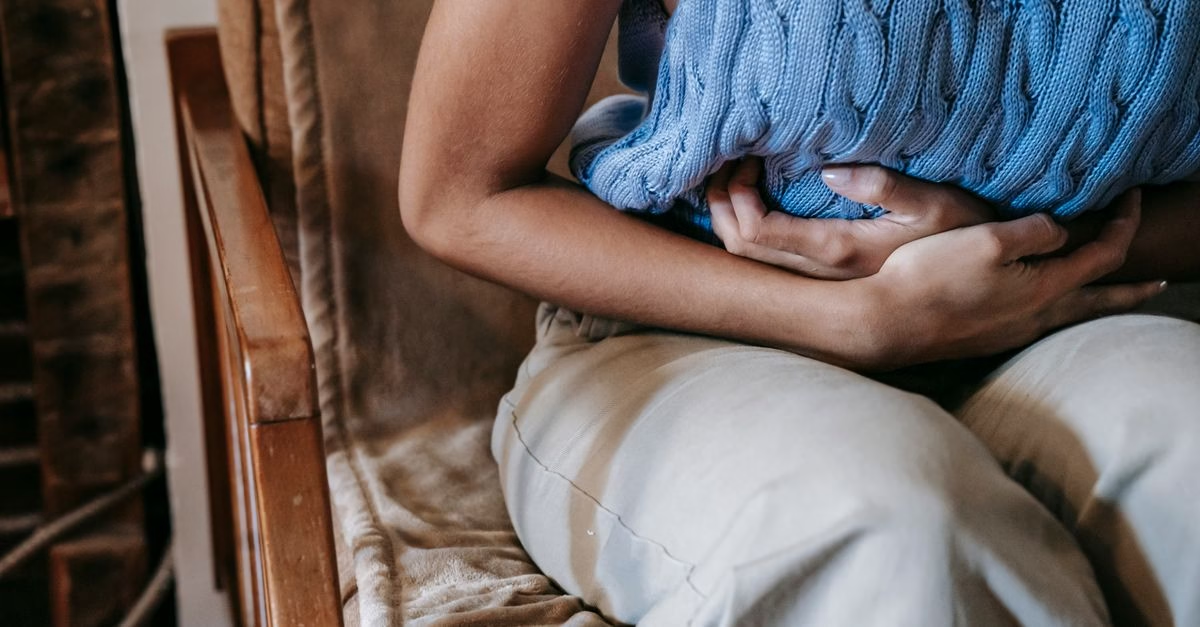
Before we delve into relaxation techniques, it’s important to understand stress and how it affects our bodies and minds. Stress is a natural response to challenges or threats, often referred to as the “fight or flight” response. While short bursts of stress can be beneficial, chronic stress can lead to serious health issues.
Chronic stress can impact various bodily systems, including:
- Cardiovascular System: Elevated heart rate and blood pressure can lead to heart disease.
- Immune System: Prolonged stress can weaken the immune response, making us more susceptible to illnesses.
- Mental Health: Increased anxiety, depression, and other mental health disorders can arise from ongoing stress.
Recognizing the signs of stress is the first step in managing it. Common symptoms include irritability, fatigue, difficulty concentrating, and physical symptoms like headaches and muscle tension. Once you identify your stress triggers, you can work towards implementing relaxation techniques to mitigate their effects.
Breathing Techniques for Relaxation
One of the most effective ways to relax is through breathing techniques. Controlled breathing can help calm your mind and body, reducing anxiety and promoting a sense of peace. Here are a few techniques you can try:
Diaphragmatic Breathing
This technique involves deep breathing from the diaphragm rather than shallow chest breathing. To practice diaphragmatic breathing:
- Find a comfortable position, either sitting or lying down.
- Place one hand on your chest and the other on your abdomen.
- Inhale deeply through your nose, allowing your abdomen to rise while keeping your chest still.
- Exhale slowly through your mouth, feeling your abdomen fall.
- Repeat this process for several minutes, focusing on the rise and fall of your abdomen.
4-7-8 Breathing Technique
This technique helps to reduce anxiety and promote relaxation. Here’s how to do it:
- Inhale quietly through your nose for a count of 4.
- Hold your breath for a count of 7.
- Exhale completely through your mouth for a count of 8.
- Repeat this cycle four times.
Box Breathing
Box breathing is a simple but effective technique often used by athletes and military personnel to reduce stress and improve focus.
- Inhale through your nose for a count of 4.
- Hold your breath for a count of 4.
- Exhale slowly through your mouth for a count of 4.
- Hold your breath again for a count of 4.
- Repeat the cycle several times.
Physical Activities for Relaxation
Engaging in physical activity is a powerful way to combat stress and promote relaxation. Exercise releases endorphins, the body’s natural mood elevators, which can enhance your overall sense of well-being. Here are some effective physical activities that can help you relax:
Yoga
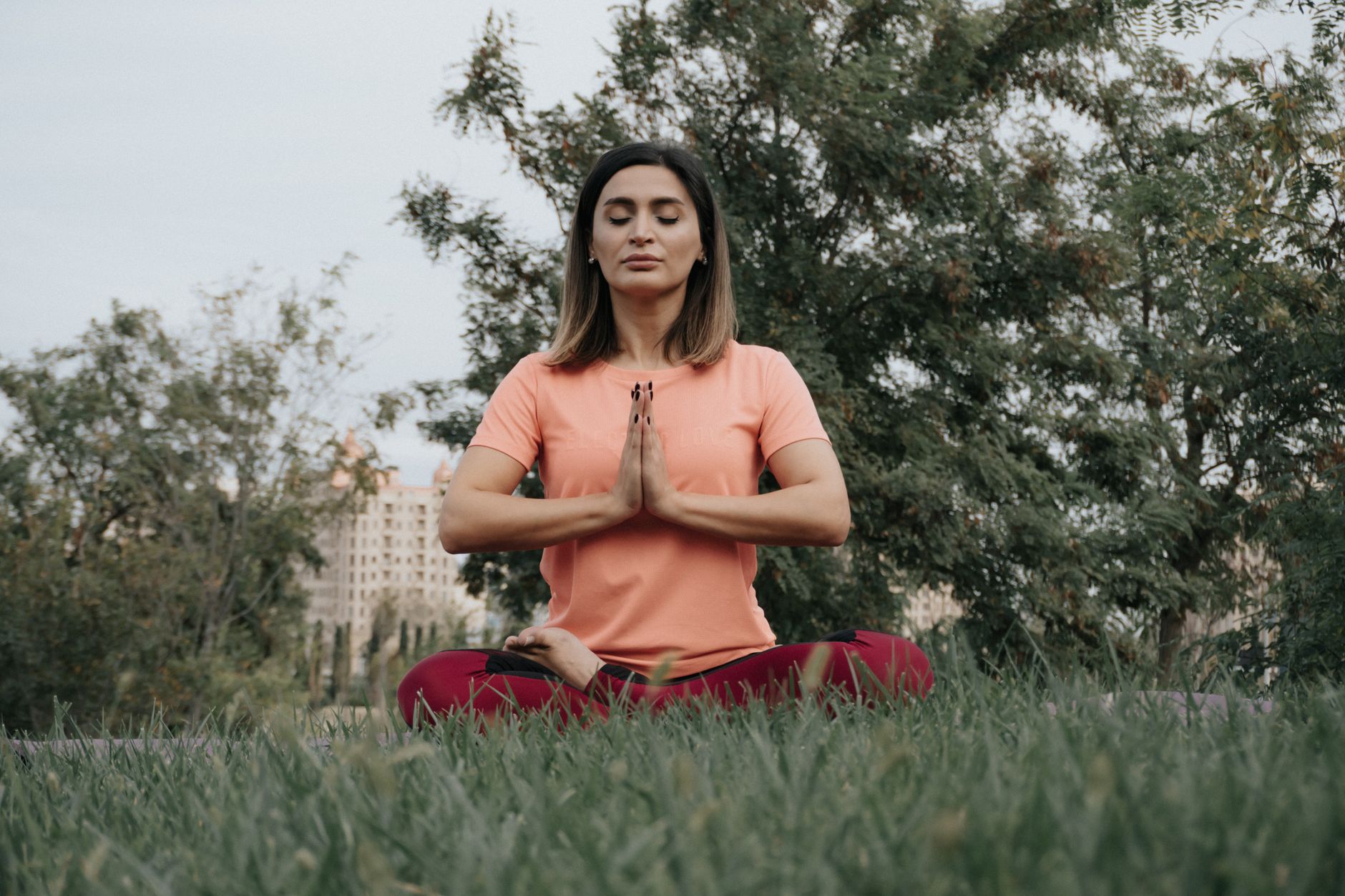
Yoga combines physical postures, breathing exercises, and meditation to promote relaxation and reduce stress. It encourages mindfulness and helps improve flexibility and strength. Consider joining a local class or following online tutorials to get started.
Walking
Taking a leisurely walk, especially in nature, can significantly reduce stress levels. Aim for at least 30 minutes of walking each day. This not only provides physical benefits but also allows you to enjoy fresh air and tranquility.
Swimming
Swimming is a low-impact exercise that can be incredibly relaxing. The feeling of being in water can soothe both the body and mind, making it an excellent option for stress relief. Consider swimming in a pool, lake, or ocean to experience the calming effects of water.
Strength Training
Engaging in strength training exercises can also promote relaxation. Lifting weights or using resistance bands can enhance your physical strength and release pent-up tension. Aim for a balanced routine that includes various muscle groups.
Mindfulness and Meditation
Mindfulness and meditation are practices that encourage a focused awareness on the present moment, helping to reduce anxiety and stress. They can be practiced anywhere and at any time. Here’s how to incorporate them into your routine:
Mindfulness
Mindfulness involves paying attention to your thoughts, feelings, and surroundings without judgment. To practice mindfulness:
- Find a quiet space.
- Take a few deep breaths to center yourself.
- Focus on your senses; notice what you can see, hear, smell, and feel.
- When your mind wanders, gently bring your focus back to the present moment.
Guided Meditation
Guided meditation involves listening to a narrator who leads you through a meditative experience. You can find numerous apps and online resources that offer guided meditations, ranging from a few minutes to longer sessions.
Body Scan Meditation
This practice involves mentally scanning your body for areas of tension and consciously relaxing those areas. To perform a body scan meditation:
- Lie down comfortably with your eyes closed.
- Start by focusing on your toes, noticing any tension.
- Gradually work your way up through your body, pausing at each area to promote relaxation.
Creating a Relaxing Environment
Your environment plays a significant role in your ability to relax. Creating a calming atmosphere can enhance your relaxation efforts. Here are some tips for setting up a relaxing space:
Declutter
A messy space can contribute to feelings of stress. Take some time to declutter your environment, removing items that create visual noise. A tidy space can promote clarity and peace of mind.
Incorporate Nature
Bringing elements of nature into your home can create a soothing atmosphere. Consider adding houseplants or using natural materials in your decor. Natural light can also boost your mood, so try to maximize sunlight in your living space.
Use Calming Scents
Scents can influence our mood and stress levels. Consider using essential oils like lavender, chamomile, or eucalyptus to create a calming environment. You can use a diffuser or light scented candles to enjoy these relaxing aromas.

Social Connections and Support
Social support is crucial for managing stress and promoting relaxation. Connecting with friends and family can provide a sense of belonging and understanding. Here are some ways to enhance your social connections:
Quality Time
Spend quality time with loved ones. This could involve sharing a meal, engaging in a hobby together, or simply having a heartfelt conversation. Quality interactions can significantly enhance your mood and provide comfort.
Join Support Groups
Consider joining a support group related to stress management or any other area of concern. Sharing experiences with others can foster a sense of community and help you feel less isolated in your struggles.
Volunteer
Helping others can provide a sense of fulfillment and purpose, which can help alleviate stress. Look for local volunteering opportunities that align with your interests.
Nutrition and Relaxation
What you eat can impact your stress levels and overall well-being. A well-balanced diet is essential for maintaining energy levels and reducing stress. Here are some dietary considerations for relaxation:
Hydration
Staying hydrated is vital for optimal brain function and mood regulation. Aim to drink plenty of water throughout the day. Dehydration can lead to fatigue and irritability.
Healthy Foods
Incorporate a variety of fruits, vegetables, whole grains, and lean proteins into your diet. Foods rich in omega-3 fatty acids, such as fish, nuts, and seeds, can help reduce anxiety and promote a sense of calm.
Avoid Caffeine and Sugar
While caffeine and sugar may provide a temporary energy boost, they can also lead to increased anxiety and mood swings. Consider reducing your intake of caffeinated beverages and sugary snacks to maintain a more stable mood.
Exploring Aromatherapy for Relaxation
Understanding Essential Oils
Aromatherapy involves the use of essential oils extracted from plants to promote physical and emotional well-being. Each essential oil has unique properties that can help in relaxation. For instance, lavender oil is widely recognized for its calming effects, while bergamot may reduce anxiety levels.
Essential oils can be used in various ways, including diffusers, topical application when diluted with carrier oils, or added to baths. It is important to choose high-quality oils to ensure safety and efficacy.
Methods of Application
There are several effective methods to use essential oils for relaxation:
- Diffusion: Using an essential oil diffuser can disperse the oils into the air, creating a calming atmosphere.
- Inhalation: Inhaling the aroma directly from the bottle or from a cotton ball can provide immediate relaxation.
- Topical Application: Diluting essential oils in a carrier oil and applying them to pulse points can enhance relaxation.
Safety Considerations
While aromatherapy is generally safe, it is crucial to follow guidelines to avoid adverse effects. Always conduct a patch test before applying oils to the skin to check for allergies. Pregnant women and those with specific medical conditions should consult healthcare professionals before using essential oils.
Engaging in Creative Activities
The Therapeutic Benefits of Art
Engaging in creative activities, such as painting or drawing, can be an effective way to relax and express emotions. These activities allow individuals to escape from daily stressors and immerse themselves in the creative process. Studies have shown that creativity can reduce levels of cortisol, the stress hormone.
Art therapy is a recognized method used by psychologists to help individuals process feelings and find relief from stress. The act of creating art can facilitate a meditative state, allowing the mind to focus on the present moment.
Writing and Journaling
Writing can serve as a powerful tool for relaxation. Expressive writing, including journaling, helps individuals articulate their thoughts and emotions, which can lead to a deeper understanding of personal stressors. Journaling can also provide a safe space to reflect on positive experiences, promoting gratitude and mindfulness.
Consider the following tips for effective journaling:
- Write regularly, setting aside time each day or week.
- Focus on feelings rather than events to explore emotional responses.
- Experiment with different styles, such as free writing or prompts, to keep the practice engaging.
Music and Its Relaxation Effects
Listening to music has been shown to have profound effects on emotional well-being. Gentle, calming music can significantly lower heart rates and reduce anxiety, making it an excellent tool for relaxation. Genres such as classical, ambient, or nature sounds are particularly effective.
To maximize the relaxation benefits of music, consider the following:
- Create a playlist of calming tracks to listen to during stressful moments.
- Incorporate music into daily routines, such as during meditation or while taking a bath.
- Try playing a musical instrument as a way to engage your mind and reduce stress.
Using Technology to Aid Relaxation
Relaxation Apps and Tools
In today’s digital age, various apps are designed to promote relaxation and mindfulness. These apps often incorporate guided meditations, relaxation techniques, and calming music. Popular apps like Headspace and Calm provide users with structured programs tailored to different needs, such as sleep or stress relief.
When choosing a relaxation app, consider the following features:
- Variety of content, including meditations, soundscapes, and sleep aids.
- User-friendly interface for ease of navigation.
- Customizable settings to fit individual preferences.
Virtual Reality for Stress Reduction
Virtual reality (VR) technology is emerging as an innovative approach to relaxation. VR applications can transport users to serene environments, such as tranquil beaches or lush forests, providing a mental escape from stress. Research indicates that VR can lower stress levels and enhance feelings of relaxation.
When using VR for relaxation, consider the following:
- Choose experiences specifically designed for relaxation, such as guided meditations in virtual settings.
- Limit usage time to avoid fatigue or discomfort from prolonged use.
- Follow up with traditional relaxation techniques, such as breathing exercises, to maximize benefits.
Online Support Communities
Connecting with others can significantly enhance relaxation and well-being. Online support communities offer a safe space for individuals to share experiences, seek advice, and find motivation. Engaging with others who face similar challenges can foster a sense of belonging and reduce feelings of isolation.
To make the most of online support communities, consider:
- Joining forums or groups that align with your specific stressors, such as work-related stress or anxiety.
- Participating actively by sharing your own experiences and offering support to others.
- Setting boundaries to ensure your online interactions remain positive and do not contribute to additional stress.
Frequently Asked Questions
What are some quick relaxation techniques?
Some quick relaxation techniques include deep breathing exercises, progressive muscle relaxation, and taking a short walk outside.
How long should I practice relaxation techniques?
Even a few minutes of relaxation practice can be beneficial. Aim for at least 10 minutes a day, gradually increasing the duration as you become more comfortable with the techniques.
Can relaxation techniques help with anxiety?
Yes, relaxation techniques can significantly reduce anxiety levels by promoting a state of calm and helping to manage stress responses.
When should I seek professional help for stress?
If stress becomes overwhelming and interferes with your daily life, consider speaking with a healthcare professional or therapist for guidance and support.
The Bottom Line
Learning how to relax is an essential skill that can lead to improved mental and physical health. By exploring various relaxation techniques, creating a calming environment, maintaining social connections, and prioritizing nutrition, you can effectively manage stress and enhance your overall well-being. Remember that relaxation is a personal journey, and finding what works best for you may take time and experimentation.
Note: This article is for general information only and is not medical advice. See a qualified health professional about your own situation.