
Key Takeaways
- Sinus pressure can affect the ears, causing discomfort.
- Home remedies and medical treatments can provide relief.
- Consult a healthcare professional for persistent symptoms.
- Understanding sinus anatomy helps in managing pressure.
How to relieve sinus pressure in ears
Experiencing discomfort in your ears due to sinus pressure can be quite bothersome. Many people wonder how to relieve sinus pressure in ears, especially during cold seasons or allergy flare-ups. Sinus pressure occurs when the sinuses, which are air-filled spaces in your skull, become inflamed or blocked, often due to allergies, infections, or colds. This inflammation can lead to a feeling of fullness or pressure in the ears, as the sinuses and the ears are connected through the Eustachian tubes.
This article will guide you through various methods to relieve sinus pressure in your ears, including home remedies, medical treatments, and preventative measures. It’s essential to understand the underlying causes of sinus pressure to find the most effective relief strategies.
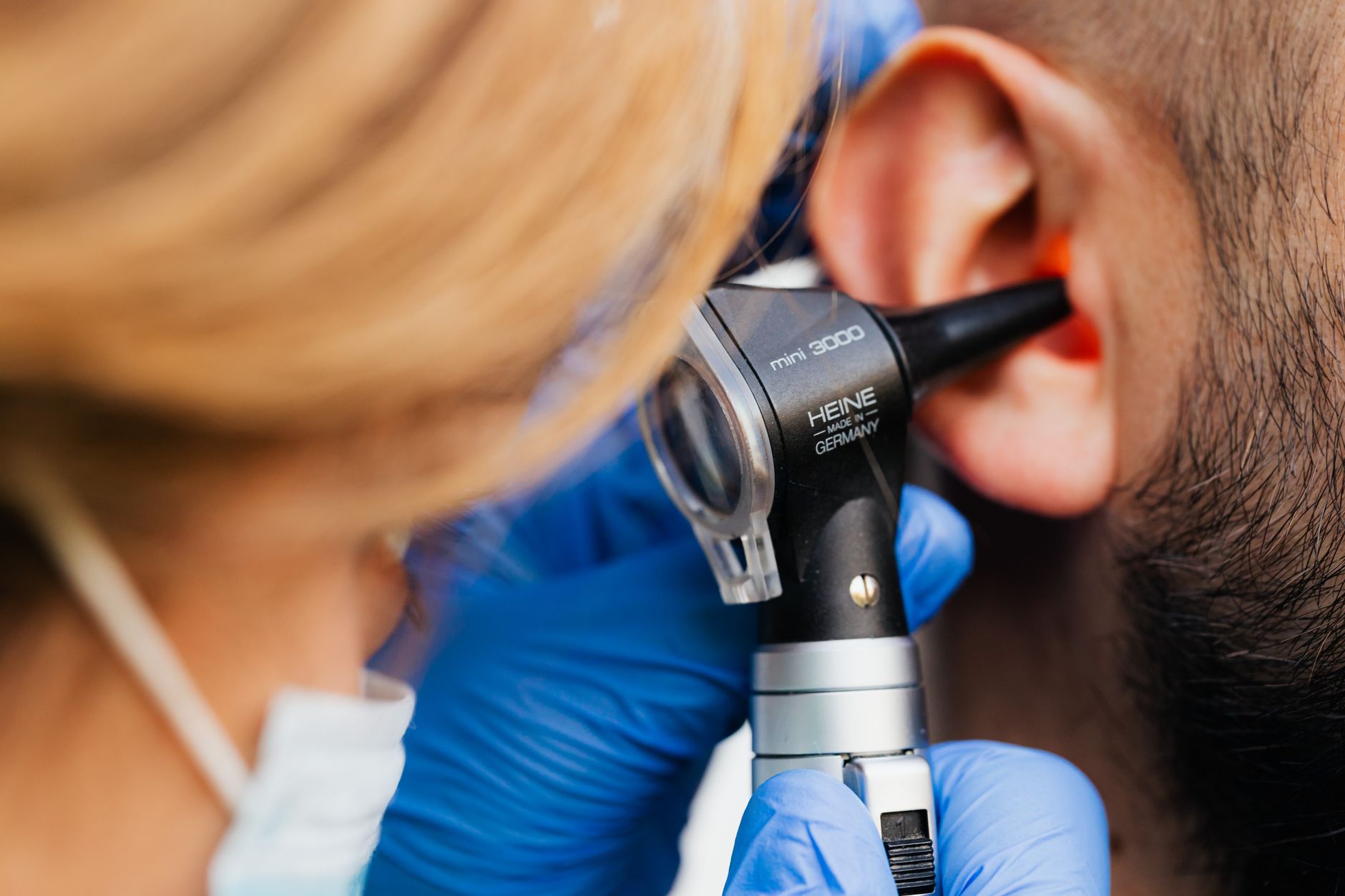
Before diving into relief methods, it’s important to acknowledge that persistent ear discomfort should be evaluated by a qualified health professional. They can provide a proper diagnosis and treatment plan tailored to your needs.
Understanding Sinus Pressure
To effectively relieve sinus pressure in your ears, it’s crucial to understand what sinus pressure is and how it affects your body. Sinus pressure is often caused by inflammation due to infections, allergies, or irritants. The sinuses produce mucus, which helps trap pathogens and allergens. However, when the sinuses are blocked, mucus accumulates, leading to pressure and discomfort.
Common Causes of Sinus Pressure
- Allergies: Seasonal allergies can cause inflammation in the sinuses, leading to blockage and pressure.
- Infections: Sinus infections (sinusitis) can cause significant inflammation and sinus pressure.
- Environment: Changes in weather, exposure to pollutants, or smoke can irritate the sinuses.
How Sinus Pressure Affects the Ears
The Eustachian tubes connect the middle ear to the back of the throat. When sinus pressure builds, it can affect the Eustachian tubes, leading to a feeling of fullness in the ears. This can also result in muffled hearing or discomfort. Understanding this connection can help you address the symptoms more effectively.
Recognizing Symptoms
Symptoms of sinus pressure in the ears can vary but often include:
- Fullness or pressure in the ears
- Muffled hearing
- Pain or discomfort in the ears
- Headaches or facial pain
- Nasal congestion or runny nose

Home Remedies for Sinus Pressure Relief
Many individuals seek natural remedies for relief from sinus pressure. While these methods may not work for everyone, they are generally safe and can provide comfort. Here are some effective home remedies:
Steam Inhalation
Inhaling steam can help open up the nasal passages and reduce sinus pressure. Here’s how to do it:
- Boil water and let it cool slightly.
- Lean over the bowl and cover your head with a towel to trap the steam.
- Breathe deeply for 10 to 15 minutes.
Warm Compress
Applying a warm compress to your face can help alleviate sinus pressure. Here’s how:
- Soak a clean cloth in warm water and wring it out.
- Place the warm cloth over your face, focusing on the forehead and nose.
- Keep it on for about 10 minutes.
Stay Hydrated
Drinking plenty of fluids can thin mucus, making it easier for your body to drain the sinuses. Here are some hydration tips:
- Drink water, herbal teas, and clear broths.
- Avoid caffeinated and alcoholic beverages, as they can dehydrate.
- Consider using a humidifier in your home to maintain moisture in the air.
Over-the-Counter Medications
Over-the-counter medications can also help relieve sinus pressure in your ears. Here are some common types:
Decongestants
Decongestants can help reduce swelling in the nasal passages, allowing mucus to drain more effectively. They come in oral forms (tablets) and nasal sprays. Always follow the instructions on the package and consult with a healthcare professional if unsure.
Antihistamines
If allergies are the cause of your sinus pressure, antihistamines can help reduce symptoms. These medications block histamine, a substance your body releases during an allergic reaction. They can be found in various forms, including tablets and liquids.
Pain Relievers
Over-the-counter pain relievers like ibuprofen or acetaminophen can help alleviate ear pain associated with sinus pressure. Always follow the dosage recommendations and consult with a healthcare provider if you have any concerns.
When to See a Doctor
While many cases of sinus pressure can be managed at home, certain situations warrant a visit to a healthcare professional. Consider seeking medical advice if you experience:
- Severe or worsening pain in the ears or face
- Fever over 100.4°F (38°C)
- Symptoms lasting more than 10 days
- Recurring sinus infections
- Changes in vision or balance

Preventive Measures
Taking steps to prevent sinus pressure can significantly improve your overall comfort and health. Here are some strategies to consider:
Avoid Allergens
Identify and minimize exposure to allergens that trigger your symptoms. This could include:
- Pollen during allergy season
- Dust and pet dander
- Smoke and strong odors
Practice Good Hygiene
Washing your hands regularly and avoiding close contact with sick individuals can help prevent infections that lead to sinus pressure.
Stay Healthy
Maintaining a healthy lifestyle can strengthen your immune system and help prevent sinus issues. Consider the following:
- Eat a balanced diet rich in fruits and vegetables.
- Exercise regularly to boost immune function.
- Get enough sleep to allow your body to recover.
Dietary Considerations for Sinus Health
Anti-inflammatory Foods
Incorporating anti-inflammatory foods into your diet can significantly help alleviate sinus pressure. Foods rich in omega-3 fatty acids, such as salmon, walnuts, and flaxseeds, are known for their anti-inflammatory properties. These foods can help reduce inflammation in the nasal passages, thereby easing the pressure in your ears. Additionally, antioxidants found in fruits and vegetables, like berries, spinach, and kale, can also support overall sinus health.
Consuming a diet high in processed sugars and unhealthy fats can increase inflammation in the body. Therefore, it is beneficial to limit these types of foods. Instead, focus on whole foods that promote a healthy immune system, as this can be crucial in preventing sinus issues.
Hydration and Its Role in Sinus Pressure
Staying well-hydrated is vital for maintaining sinus health. Adequate hydration helps keep mucus thin, making it easier for your body to drain fluids from the sinuses and preventing blockages that can lead to pressure in the ears. Aim for at least eight glasses of water a day, but remember that individual hydration needs can vary based on activity level and climate.
In addition to water, consider incorporating herbal teas and broths into your diet. Herbal teas like ginger or peppermint can provide additional anti-inflammatory benefits. Here are some fluids to include for better hydration:
- Water
- Herbal teas (ginger, peppermint)
- Bone broth
- Coconut water
Physical Techniques for Sinus Pressure Relief
Facial Massage
Facial massage can be a simple yet effective way to relieve sinus pressure. By applying gentle pressure to the areas around your sinuses, you can promote blood circulation and help drain excess mucus. Start by using your fingertips to apply pressure on the bridge of your nose, moving outward towards your cheeks. This technique can provide immediate relief and can be easily performed anytime.
Another effective technique is the use of acupressure. Targeting specific points, like the area between your eyebrows and the sides of your nostrils, may help relieve sinus pressure. Consider the following steps for an effective facial massage:
- Gently press the bridge of your nose with your fingers.
- Move to the sides of your nose and apply pressure.
- Massage your forehead and temples in circular motions.
Breathing Exercises
Breathing exercises can help improve airflow in the nasal passages and reduce pressure in the ears. Techniques such as diaphragmatic breathing or alternate nostril breathing can enhance sinus drainage and promote relaxation. Diaphragmatic breathing involves inhaling deeply through your nose, allowing your abdomen to expand, and then exhaling slowly through your mouth.
For alternate nostril breathing, close one nostril with your finger, inhale through the open nostril, then switch and exhale through the other nostril. This method not only aids in sinus pressure relief but also helps to calm the nervous system. Regular practice of these exercises can lead to long-term benefits for your sinus health.
Environmental Modifications for Sinus Pressure Management
Humidifiers and Air Quality
Maintaining optimal humidity levels in your living space can play a significant role in preventing and alleviating sinus pressure. Dry air can irritate the nasal passages and contribute to congestion. Using a humidifier can help add moisture to the air, making it easier for mucus to drain and reducing pressure in the ears.
It is essential to keep your humidifier clean to prevent the growth of mold and bacteria, which can exacerbate sinus issues. Aim to keep indoor humidity levels between 30-50%. In addition to using a humidifier, consider incorporating air purifiers to improve the overall air quality in your home. Here are some tips for maintaining proper air quality:
- Regularly clean your humidifier and air filters.
- Keep windows open when possible for fresh air.
- Avoid smoking indoors and limit exposure to pollutants.
Allergen Management
Identifying and managing allergens in your environment can be crucial for those who suffer from sinus pressure. Common allergens such as dust mites, pet dander, mold, and pollen can trigger sinus congestion and pressure. Conduct regular cleaning to minimize dust and allergens in your home.
Using hypoallergenic bedding, vacuuming with HEPA filters, and regularly washing linens can significantly reduce allergen exposure. If you suspect that mold is an issue, consider addressing any water damage or damp areas in your home. Here are some steps to manage allergens effectively:
- Implement a regular cleaning schedule.
- Use air purifiers with HEPA filters.
- Limit exposure to outdoor allergens during high pollen seasons.
Alternative Therapies for Sinus Pressure Relief
Acupuncture
Acupuncture is a traditional Chinese medicine technique that involves inserting thin needles into specific points on the body. It is believed to help relieve sinus pressure by promoting circulation and reducing inflammation. A study published in the Journal of Alternative and Complementary Medicine indicated that acupuncture could significantly reduce sinus symptoms in patients with chronic sinusitis.
Essential Oils
Essential oils, such as eucalyptus, peppermint, and tea tree oil, have anti-inflammatory and antimicrobial properties. These oils can be used in various ways to relieve sinus pressure. One effective method is through steam inhalation, where a few drops of essential oil are added to hot water, and the steam is inhaled. This can help open nasal passages and reduce congestion.
- Eucalyptus oil: Known for its decongestant properties.
- Peppermint oil: Contains menthol, which can soothe irritated nasal passages.
- Tea tree oil: Has antibacterial properties that can help reduce infection risk.
Breathing Techniques for Sinus Pressure Relief
Diaphragmatic Breathing
Diaphragmatic breathing, also known as abdominal or deep breathing, can help reduce stress and improve oxygen flow, which may alleviate sinus pressure. By focusing on breathing from the diaphragm rather than the chest, individuals can enhance relaxation and openness in the airways. Practicing this technique regularly can help maintain clear sinuses.
Alternate Nostril Breathing
Alternate nostril breathing is a yoga technique that can help balance the body and mind while promoting sinus health. This technique involves closing one nostril while inhaling through the other, then switching. It may help to clear nasal passages and improve airflow, which can relieve pressure in the ears and head.
- Find a comfortable seated position.
- Use your right thumb to close your right nostril and inhale deeply through the left nostril.
- Close the left nostril with your right ring finger, release the right nostril, and exhale through it.
- Inhale through the right nostril, close it, and exhale through the left.
- Repeat for several cycles.
Hydrotherapy for Sinus Pressure Management
Warm Compresses
Applying a warm compress over the sinuses can help alleviate pressure and discomfort. The heat can promote blood flow to the area and help loosen mucus. To use this method, soak a clean cloth in warm water, wring it out, and place it on your face for about 10-15 minutes. This can offer significant relief from sinus pressure and associated pain.
Contrast Hydrotherapy
Contrast hydrotherapy involves alternating between hot and cold applications. This method can stimulate circulation and help reduce inflammation in the sinuses. Start with a warm compress on the affected area for 3-5 minutes, followed by a cold pack for 1-2 minutes. Repeat this process a few times to maximize effectiveness.
- Warm compresses help to loosen mucus.
- Cold packs can reduce swelling and discomfort.
- Always ensure the temperatures are safe to avoid burns or frostbite.
Frequently Asked Questions
What is sinus pressure?
Sinus pressure occurs when the sinuses become inflamed or blocked, often due to infections or allergies. This pressure can affect the ears and cause discomfort.
How can I tell if my ear pain is from sinus pressure?
If you have ear pain along with symptoms like nasal congestion, facial pain, or headaches, it’s likely related to sinus pressure. If pain persists, consult a healthcare provider.
Are there any foods that can help relieve sinus pressure?
Foods rich in anti-inflammatory properties, such as ginger and garlic, may help reduce inflammation. Staying hydrated with clear fluids is also beneficial.
How long does sinus pressure last?
Sinus pressure can last from a few days to several weeks, depending on the cause. If symptoms last more than 10 days or worsen, seek medical advice.
The Bottom Line
Learning how to relieve sinus pressure in ears involves understanding the causes, utilizing home remedies, and knowing when to seek medical help. By following the tips outlined in this guide, you can find relief from discomfort and improve your overall ear health. Always consult a healthcare professional for persistent symptoms or severe pain.
Note: This article is for general information only and is not medical advice. See a qualified health professional about your own situation.