
Key Takeaways
- Dandruff is a common scalp condition caused by various factors.
- Effective treatments include medicated shampoos and lifestyle changes.
- Consult a healthcare professional for persistent or severe cases.
- Regular scalp care can prevent and manage dandruff effectively.
Dandruff is a common scalp condition that affects many people worldwide. If you are wondering how to treat dandruff, you are not alone. This article aims to provide you with comprehensive information on the causes of dandruff, effective treatment options, and preventive measures to help you manage this condition.
Dandruff is characterized by flaking and itching of the scalp. While it is not usually serious, it can be uncomfortable and embarrassing. Understanding how to treat dandruff effectively can improve your scalp health and overall confidence.
In this guide, we will explore various methods to treat dandruff, including over-the-counter shampoos, natural remedies, and lifestyle changes that can help you achieve a healthier scalp.
What Causes Dandruff?
Dandruff can be caused by several factors, and understanding these causes is essential for effective treatment. Here are some of the most common causes:
- Dry Skin: When the skin on your scalp is dry, it can lead to flaking. This is often exacerbated in winter months when humidity is low.
- Oily Skin: Conversely, an oily scalp can also contribute to dandruff. The excess oil can create an environment conducive to the growth of a yeast-like fungus called Malassezia.
- Skin Conditions: Conditions like psoriasis and eczema can also lead to dandruff due to inflammation and scaling of the skin.
- Diet: A diet lacking in essential nutrients, such as zinc, B vitamins, and certain fats, can impact scalp health.
- Stress: High-stress levels can trigger or worsen dandruff, as stress affects the immune system and skin health.
- Hair Products: Some hair care products can irritate the scalp, leading to flaking and dandruff.
Over-the-Counter Treatments
When it comes to treating dandruff, over-the-counter (OTC) shampoos are often the first line of defense. Here are some types of medicated shampoos that may help:
1. Anti-Fungal Shampoos
Shampoos containing ketoconazole, ciclopirox, or zinc pyrithione can help reduce the fungal population on the scalp. These ingredients target Malassezia, the fungus frequently responsible for dandruff.
2. Salicylic Acid Shampoos
Salicylic acid helps exfoliate the scalp by breaking down the flakes and reducing scaling. It can be particularly helpful for those with oily scalp conditions.
3. Coal Tar Shampoos
Coal tar is derived from coal and can reduce inflammation and scaling on the scalp. It may take longer to work compared to other shampoos but can be effective for severe dandruff.
4. Selenium Sulfide Shampoos
This type of shampoo helps to slow down the turnover of skin cells on the scalp, thereby decreasing flaking. It also has anti-fungal properties.
Natural Remedies for Dandruff
For those who prefer to explore natural alternatives, several home remedies may provide relief from dandruff:
1. Tea Tree Oil
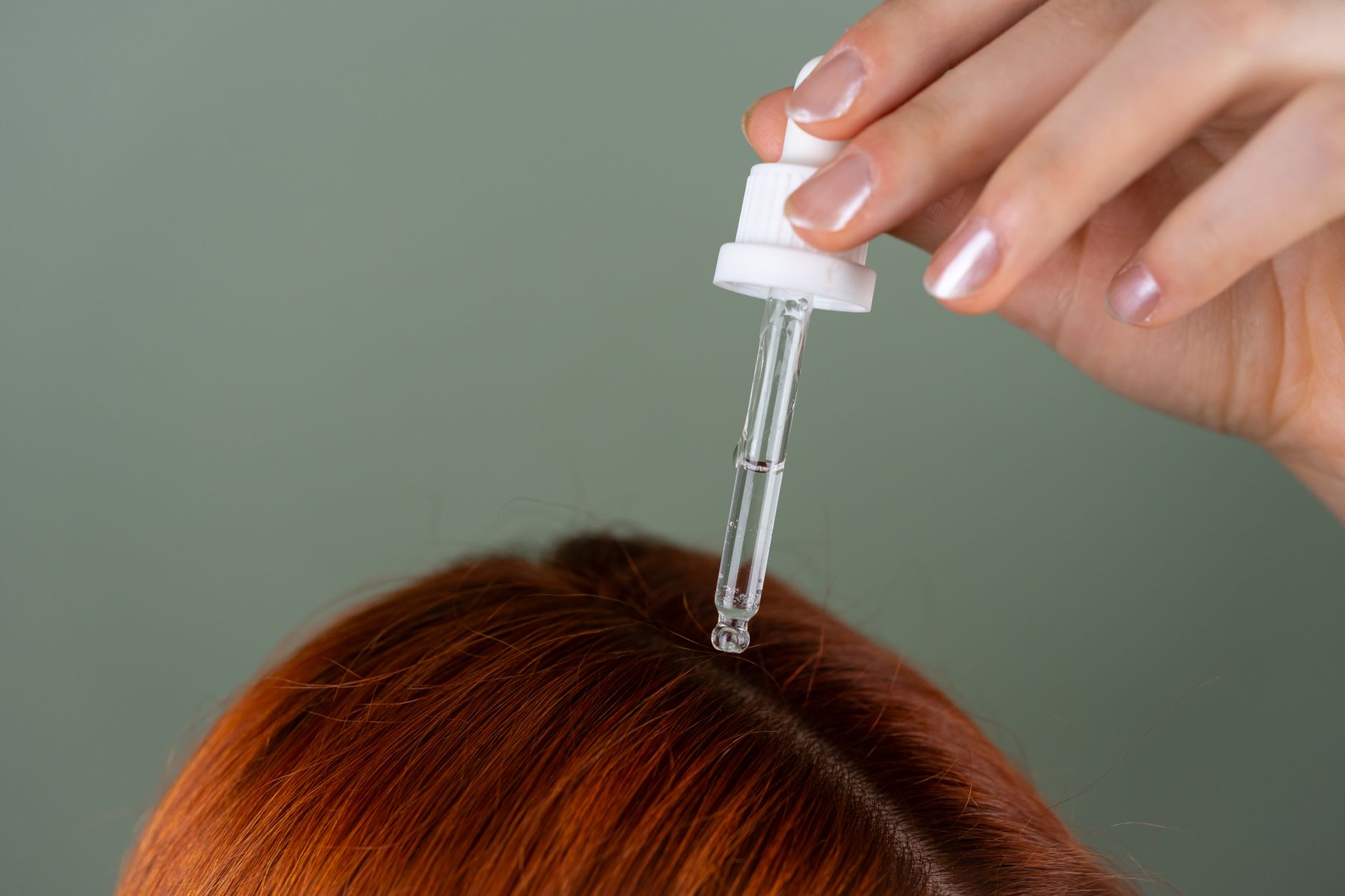
Tea tree oil has natural anti-fungal properties. Diluting a few drops in a carrier oil and massaging it into the scalp can help reduce dandruff over time.
2. Apple Cider Vinegar
Apple cider vinegar may help restore the scalp’s pH balance and reduce yeast growth. Mix equal parts of apple cider vinegar and water, apply to the scalp, let it sit for a few minutes, and then rinse.
3. Coconut Oil
Coconut oil can moisturize the scalp and has anti-fungal properties. Massaging it into the scalp before washing your hair can help alleviate dryness and flaking.
4. Aloe Vera
Aloe vera is known for its soothing properties. Applying aloe vera gel to the scalp can help reduce irritation and flaking.
5. Lemon Juice
The acidity of lemon juice can help balance the scalp’s pH. Applying fresh lemon juice to the scalp for a short time before washing can be beneficial.
Lifestyle Changes to Manage Dandruff
In addition to treatments, making some lifestyle adjustments can help manage dandruff effectively:
1. Regular Shampooing
Shampooing your hair regularly helps remove excess oil and flakes. Depending on your scalp type, you may need to wash your hair daily or every few days.
2. Diet and Nutrition
Eating a balanced diet rich in vitamins and minerals can impact scalp health. Consider incorporating foods high in omega-3 fatty acids, zinc, and B vitamins.
- Omega-3 Fatty Acids: Found in fish, flaxseeds, and walnuts, they help maintain skin health.
- Zinc: Present in nuts, seeds, and whole grains, zinc plays a crucial role in skin repair.
- B Vitamins: Found in whole grains, meats, and leafy greens, they support skin health.
3. Stress Management
Since stress can exacerbate dandruff, finding ways to manage stress effectively is important. Consider practices such as yoga, meditation, or regular exercise to help keep stress levels in check.
4. Choosing the Right Hair Products
Be mindful of the hair products you use. Opt for gentle, sulfate-free shampoos and avoid those with excessive fragrances or harsh chemicals that can irritate the scalp.
When to See a Doctor
While many cases of dandruff can be managed at home, there are times when professional help is necessary:
- Persistent Symptoms: If your dandruff does not improve with OTC treatments after several weeks, it may be time to consult a dermatologist.
- Severe Flaking and Itching: If you experience intense itching or large flakes, a more potent prescription treatment may be needed.
- Signs of Infection: If you notice redness, swelling, or sores on the scalp, seek medical advice as it may indicate an infection.
A healthcare professional can provide a proper diagnosis and recommend effective treatment options tailored to your needs.
Understanding the Role of Scalp Hygiene in Dandruff Management
The Importance of Regular Washing
Maintaining a clean scalp is crucial in managing dandruff. Regular washing helps to remove excess oils, dead skin cells, and product buildup that can exacerbate dandruff. It is recommended to wash your hair at least twice a week with a suitable shampoo. However, individuals with oily scalps may need to wash more frequently, while those with dry scalps should consider less frequent washing to avoid further dryness.
When selecting a shampoo, opt for a gentle formula that is sulfate-free to prevent irritation. Look for ingredients such as salicylic acid or tea tree oil, which can help manage dandruff without stripping the scalp of its natural moisture.
Scalp Exfoliation Techniques
Exfoliating the scalp can be an effective method to remove dead skin cells and promote healthy hair growth. Regular exfoliation not only helps to prevent dandruff but also improves scalp circulation. There are several techniques to exfoliate the scalp:
- Physical Exfoliation: Use a soft brush or a scalp scrub to gently massage the scalp. This helps to dislodge flakes and stimulate blood flow.
- Chemical Exfoliation: Look for scalp treatments containing alpha hydroxy acids (AHAs) or beta hydroxy acids (BHAs) that can help dissolve dead skin without harsh scrubbing.
- DIY Exfoliating Masks: Consider creating a mask with ingredients like sugar or oatmeal mixed with coconut oil. Apply it to the scalp, let it sit for 15 minutes, and rinse thoroughly.
Incorporating scalp exfoliation into your routine once a week can significantly help reduce the occurrence of dandruff.

The Role of Nutrition in Scalp Health
Vitamins and Minerals Essential for Healthy Hair and Scalp
Your diet plays a significant role in the health of your scalp and hair. Certain vitamins and minerals can help to promote a healthy scalp environment, which may reduce dandruff symptoms. Key nutrients include:
- Vitamin B6: Important for the production of sebum, which keeps the scalp moisturized.
- Zinc: Plays a crucial role in skin health and may help reduce dandruff severity.
- Omega-3 Fatty Acids: Help to maintain scalp hydration and promote a healthy skin barrier.
- Biotin: Known for its role in hair health, it can also contribute to a healthier scalp.
Including foods rich in these nutrients, such as fish, nuts, seeds, eggs, and leafy greens, can support scalp health and potentially reduce dandruff.
Hydration and Its Impact on Scalp Health
Proper hydration is essential for maintaining healthy skin, including the scalp. Dehydration can lead to dryness and flakiness, contributing to dandruff. Drinking an adequate amount of water daily can help keep the skin and scalp hydrated. Aim for at least 8 glasses (64 ounces) of water per day, adjusting based on factors like activity level and climate.
Additionally, incorporating hydrating foods such as cucumbers, watermelon, and oranges can further support your hydration efforts. Consider reducing caffeine and alcohol intake, as they can lead to dehydration.
Advanced Treatment Options for Persistent Dandruff
Prescription Treatments
For individuals experiencing persistent dandruff that does not respond to over-the-counter treatments, prescription options may be necessary. Dermatologists may prescribe stronger medicated shampoos or topical treatments containing:
- Corticosteroids: Help to reduce inflammation and itching associated with dandruff.
- Antifungal medications: Such as ketoconazole, can effectively target the underlying fungal causes of dandruff.
- Coal tar: Can reduce scaling and is often used in patients with seborrheic dermatitis.
These treatments should be used under the guidance of a healthcare professional to ensure proper use and to monitor for any potential side effects.
Light Therapy
Light therapy, particularly blue light therapy, has emerged as a potential treatment for dandruff. This method involves exposing the scalp to specific wavelengths of light that may help reduce the fungi contributing to dandruff. Some studies suggest that light therapy can effectively decrease the severity of dandruff and improve scalp health.
However, while promising, light therapy is not widely available and may require multiple sessions to see significant results. Consulting with a dermatologist can provide guidance on whether this treatment is suitable for your situation.
Understanding the Impact of Stress on Dandruff
Stress has been linked to various skin conditions, including dandruff. Increased stress levels can lead to hormonal changes that may exacerbate scalp issues. Implementing stress-reduction techniques can be beneficial for scalp health. Consider incorporating the following practices into your routine:
- Mindfulness and Meditation: Regular mindfulness practices can help reduce overall stress levels.
- Exercise: Physical activity can boost mood and decrease stress hormones.
- Sufficient Sleep: Aim for 7-9 hours of quality sleep per night to support overall health.
Managing stress effectively may help alleviate dandruff symptoms and improve scalp health over time.
Understanding the Link Between Stress and Dandruff
The Impact of Stress on Skin Health
Stress is a well-known factor that can exacerbate various skin conditions, including dandruff. When the body is under stress, it produces more cortisol, which can lead to inflammation and a disrupted balance of skin flora. This disruption may worsen dandruff symptoms, making it essential to manage stress effectively.
Stress Management Techniques
Implementing stress management techniques can help improve scalp health. Here are some effective strategies:
- Meditation and mindfulness practices
- Regular physical exercise, such as yoga or walking
- Deep breathing exercises
- Engaging in hobbies or activities you enjoy
- Maintaining a social support network
Incorporating these methods into daily routines can significantly reduce stress levels, potentially leading to improved dandruff management.
Exploring Scalp Treatments Beyond Shampoo
Scalp Exfoliation Techniques
Scalp exfoliation can play a crucial role in managing dandruff by removing dead skin cells and product buildup. This process can help prevent clogged hair follicles and promote a healthier scalp environment. You can use gentle exfoliating scrubs or natural ingredients like sugar and coconut oil.
Essential Oils for Scalp Health
Essential oils have gained popularity for their therapeutic properties. Some oils, such as tea tree oil and lavender oil, possess antifungal and antibacterial properties that may be beneficial in controlling dandruff. To use essential oils:
- Mix a few drops with a carrier oil, such as jojoba or coconut oil.
- Apply the mixture to the scalp and massage it in gently.
- Leave it on for at least 30 minutes before washing it out with a mild shampoo.
Cold-Pressed Oils for Scalp Nourishment
Cold-pressed oils like olive oil and argan oil can nourish the scalp and hair, potentially reducing dandruff. These oils are rich in vitamins and fatty acids, which help moisturize the scalp and alleviate dryness. Regular application of these oils can improve overall scalp health and reduce flakiness.
How Weather Influences Dandruff Severity
Seasonal Changes and Dandruff
The severity of dandruff can be influenced by seasonal changes. Cold, dry winter air can lead to increased dryness of the scalp, aggravating dandruff symptoms. Conversely, humid summer weather may promote fungal growth, which can also exacerbate dandruff.
Adjusting Your Hair Care Routine
Adapting your hair care routine to the changing weather can help mitigate dandruff. Here are some tips for different seasons:
- Winter: Use moisturizing shampoos and conditioners to combat dryness.
- Summer: Consider using lighter products that won’t weigh down your hair and can help prevent excess oil buildup.
- Spring/Fall: Incorporate clarifying shampoos occasionally to remove buildup.
Protecting Your Scalp
Wearing hats or scarves in extreme weather can protect your scalp from harsh elements. Additionally, using sunscreen on the scalp during sunny days can prevent sunburn, which may worsen dandruff symptoms. Maintaining a balanced scalp environment throughout the year is key to effective dandruff management.
Frequently Asked Questions
1. Is dandruff contagious?
No, dandruff is not contagious. It is a common scalp condition caused by a variety of factors, including skin health and environmental conditions.
2. Can stress cause dandruff?
Yes, stress can worsen dandruff by affecting the body’s immune response, leading to increased scalp irritation and flaking.
3. How often should I wash my hair if I have dandruff?
It depends on your scalp type. Oily scalps may require more frequent washing, while dry scalps may benefit from less frequent washing to avoid irritation.
4. Can diet affect dandruff?
Yes, a poor diet lacking essential nutrients can impact scalp health and contribute to dandruff. Eating a balanced diet can improve your scalp condition.
The Bottom Line
Managing dandruff involves understanding its causes and implementing effective treatment strategies. Over-the-counter shampoos, natural remedies, and lifestyle changes can significantly alleviate symptoms. If you find that your dandruff persists or worsens, do not hesitate to seek advice from a healthcare professional.
Regular scalp care, including proper shampooing and a balanced diet, can help manage and prevent dandruff effectively.[/m4p_tip>
Note: This article is for general information only and is not medical advice. See a qualified health professional about your own situation.
