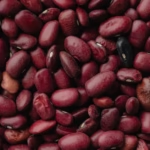
Is Excessive Gas Normal?
Is excessive gas normal? If you’ve found yourself asking this question, you’re not alone! Many people experience gas, but if you’re wondering whether it’s more than just a little discomfort, you’re in the right place. Gas is a common part of digestion, but there are times when it might feel like a bit too much. Getting the lowdown on why gas happens and what’s considered normal can be really helpful.
In this article, we’ll break down what excessive gas might mean for you. We’ll look at what causes it, what symptoms to pay attention to, and when it might be time to chat with a healthcare professional. Our aim is to provide you with clear, friendly information to help you understand your body better.
What Does This Mean?
Gas is produced in your digestive system when bacteria break down food. This is a natural process! Most people pass gas anywhere from 10 to 25 times a day. However, you might be wondering what excessive gas is. In simple terms, excessive gas means producing gas more often than usual or experiencing discomfort like bloating or pain due to gas buildup.
It’s important to note that everyone’s body is different. While some may not think twice about passing gas, others may feel embarrassed or concerned. What’s excessive for one person might be totally normal for another. When we say “excessive,” we often mean gas that disrupts daily activities or starts to cause discomfort. Understanding your body and its reactions to different foods and habits can help you manage gas better.
Why Does This Happen?
There are several reasons why someone might experience excessive gas. One possible reason is your diet. Ingredients like beans, lentils, dairy, carbonated drinks, and certain vegetables can lead to more gas production. Another common factor is how quickly you eat. Eating too fast can cause you to swallow air, which contributes to gas.
In some people, digestive conditions can contribute to excessive gas. For example, lactose intolerance means your body has trouble digesting lactose, a sugar found in milk, leading to gas production. Research suggests that high-fiber diets are healthy but can also increase gas if your body isn’t used to it.
Common Causes
1. Diet: Certain foods, as mentioned, can trigger gas. Foods high in fiber like beans and whole grains, sugars found in fruits, and dairy products can lead to more gas production. If you notice increased gas after eating specific foods, it might be worth tracking what you eat.
2. Eating Habits: If you eat too quickly or talk while chewing, you might swallow air, adding to the gas in your stomach. Slowing down while you eat can help. Try chewing your food well and taking small bites.
3. Food Intolerances: Some people have difficulty digesting certain foods, leading to gas. Conditions like lactose intolerance or gluten sensitivity can cause uncomfortable symptoms, including gas. If you suspect you have a food intolerance, consider consulting with a healthcare professional for tests.
4. Digestive Disorders: Conditions like irritable bowel syndrome (IBS) and small intestinal bacterial overgrowth (SIBO) can cause excessive gas. These conditions often come with other symptoms as well. If your gas is accompanied by frequent discomfort, it may be useful to speak with a doctor.
Signs and Symptoms to Watch For
When it comes to gas, there are common symptoms, but also some that may warrant a visit to a healthcare professional:
- Common Symptoms: Everyone experiences gas differently. You may notice things like bloating, belching, or passing gas frequently. These can happen after eating certain foods or if you’ve eaten too quickly.
- Symptoms to Watch For: If you experience severe abdominal pain, blood in your stool, unexplained weight loss, or persistent symptoms, these could be signs of a more serious condition. This is when it’s important to reach out to a healthcare provider.
What Can Make it Worse?
There are several habits and lifestyle choices that might worsen excessive gas:
- Poor Hydration: Not drinking enough water can affect digestion and gas production. Staying hydrated helps move food through your digestive tract efficiently.
- High-Stress Levels: Stress can impact our digestive system. Sometimes when we’re anxious, we might swallow air or have changes in gut activity that can increase gas production.
- Medications: Some medications may contribute to gas buildup. If you notice changes after starting a new medication, it’s worth discussing this with your healthcare provider.
- Smoking and Alcohol Consumption: Both can lead to gas issues. Smoking often leads to swallowing air, while alcohol can affect digestion.
Foods and Drinks Related to the Topic
As we’ve seen, some foods can contribute to excessive gas. Here’s a closer look:
- Foods That May Cause Gas: Beans, lentils, broccoli, cabbage, and dairy products (for those who are lactose intolerant) are some of the usual suspects.
- Foods That May Help: Some people find that consuming ginger or peppermint tea may soothe digestive issues. Probiotics found in yogurt can also support gut health.
- Water: Staying hydrated is essential, and carbonated drinks can add extra gas. Opting for still water may be a better choice if you’re experiencing discomfort.
What Can We Do?
If excessive gas is causing you discomfort, there are some practical steps you can consider:
- Keep a Food Diary: Tracking what you eat can help identify which foods may be causing issues.
- Eat Slowly: Take your time during meals, chewing your food thoroughly and minimizing air swallowing.
- Stay Hydrated: Drinking plenty of water helps your digestive system function smoothly.
- Consider Overall Diet: A balanced diet with gradual increases in fiber intake can make a difference. Sudden changes can lead to gas.
- Manage Stress: Finding ways to relax, such as yoga or mindfulness, can support digestion.
When Should You See a Doctor
If you’re experiencing excessive gas regularly, it’s a good idea to reach out to a healthcare professional. Specifically, consider contacting a doctor if:
- You experience severe or persistent pain.
- There’s blood in your stool.
- You have unexplained weight loss.
- You are persistently vomiting or have difficulty swallowing.
- Your symptoms continue despite reasonable lifestyle changes, or suddenly become much worse.
Frequently Asked Questions
Why am I always gassy?
There can be many reasons for this! It might be related to your diet, how you eat, or even an underlying digestive issue. If it’s a constant concern, consider discussing it with a healthcare professional.
Can food cause excessive gas?
Yes! All sorts of foods can contribute, particularly those high in fiber, sugar, or those that require more effort to digest, like beans or certain vegetables.
When should I worry about excessive gas?
If gas is accompanied by severe discomfort, or if there are other symptoms like weight loss or blood in your stool, it’s wise to consult with a healthcare provider.
Is it possible to avoid excessive gas completely?
While you might not eliminate gas entirely, you can often reduce it by managing your diet and eating habits.
Do certain drinks make gas worse?
Carbonated beverages can lead to more gas, while still water is generally easier on the digestive system.
Can anxiety increase gas?
Yes, anxiety can affect your gut by altering your digestive process, potentially leading to more gas.
Are there medications that can help with gas?
Over-the-counter products like simethicone can sometimes alleviate gas symptoms. Always check with a healthcare professional before starting any new medication.
How long should I wait before seeing a doctor?
If you experience gas patterns that disrupt your daily life, or if symptoms persist despite making changes, consider reaching out to a healthcare provider.
What the Research Says About Excessive Gas Normal?
Research provides insights into digestive health and gas production. A systematic review from the American Gastroenterological Association found that dietary habits greatly influence gas production. They suggested that understanding specific food interactions can be key for individuals prone to excessive gas. Furthermore, studies from reputable sources, including the National Institute of Diabetes and Digestive and Kidney Diseases (NIDDK), highlight that gas-related symptoms are among the most common concerns for individuals with gastrointestinal disorders. It’s vital to consider varied responses to dietary changes, and consultation with a healthcare provider can offer personalized guidance and strategies for better management.
Simple Daily Habits That May Support Better Health
Here are some small habits we can adopt to help keep our digestive systems happy:
- Mindful Eating: Focusing on your food while eating can help you slow down and enjoy your meals.
- Regular Exercise: Gentle physical activity can stimulate digestion and help reduce gas buildup.
- Laugh and Relax: Stress management plays a role in overall digestive health, so finding joys in your day is beneficial!
Final Thoughts
We often find ourselves grappling with various bodily functions, and gas is a natural part of the digestion process. While it’s normal to experience gas, excessive gas can sometimes indicate something more serious. Our bodies each react differently to foods and habits, making it important for us to pay attention to our individual experiences.
If you notice persistent symptoms or discomfort, don’t hesitate to reach out to a healthcare professional. By listening to our bodies and making simple adjustments to our habits, we can often improve our overall well-being. Remember, it’s perfectly normal to experience gas; understanding it is the first step towards managing it! Your health is worth the conversation.
Sources and References
National Institutes of Health: National Digestive Diseases Information Clearinghouse. Available at: https://www.niddk.nih.gov/health-information/health-topics/gas
Mayo Clinic: Gas and Gas Pain. Updated July 2023. Available at: https://www.mayoclinic.org/diseases-conditions/gas/basics/symptoms/con-20025838
Cleveland Clinic: Your Digestive System. Available at: https://my.clevelandclinic.org/health/diseases/9061-digestive-problems
American Gastroenterological Association: Position Statement on Gas and Bloating. Available at: https://www.gastro.org/practice-guidance/gi-patient-center/topic/gas-and-bloating
MedlinePlus: Digestive Health. Available at: https://medlineplus.gov/digestivehealth.html
Medical Disclaimer
This article is for general educational and informational purposes only. It is not intended to provide medical advice, diagnosis, or treatment. Health conditions can affect people differently, and information that is appropriate for one person may not be appropriate for another. If you have persistent, severe, or concerning symptoms, speak with a qualified healthcare professional for personalized advice.
Further Reading
Ivf Shot Schedule: 10 Things You Should Know
Omeprazole and Alcohol: Is It Safe to Mix?
what does a growth spurt in pregnancy feel like
Photo by Antoni Shkraba on Pexels.