
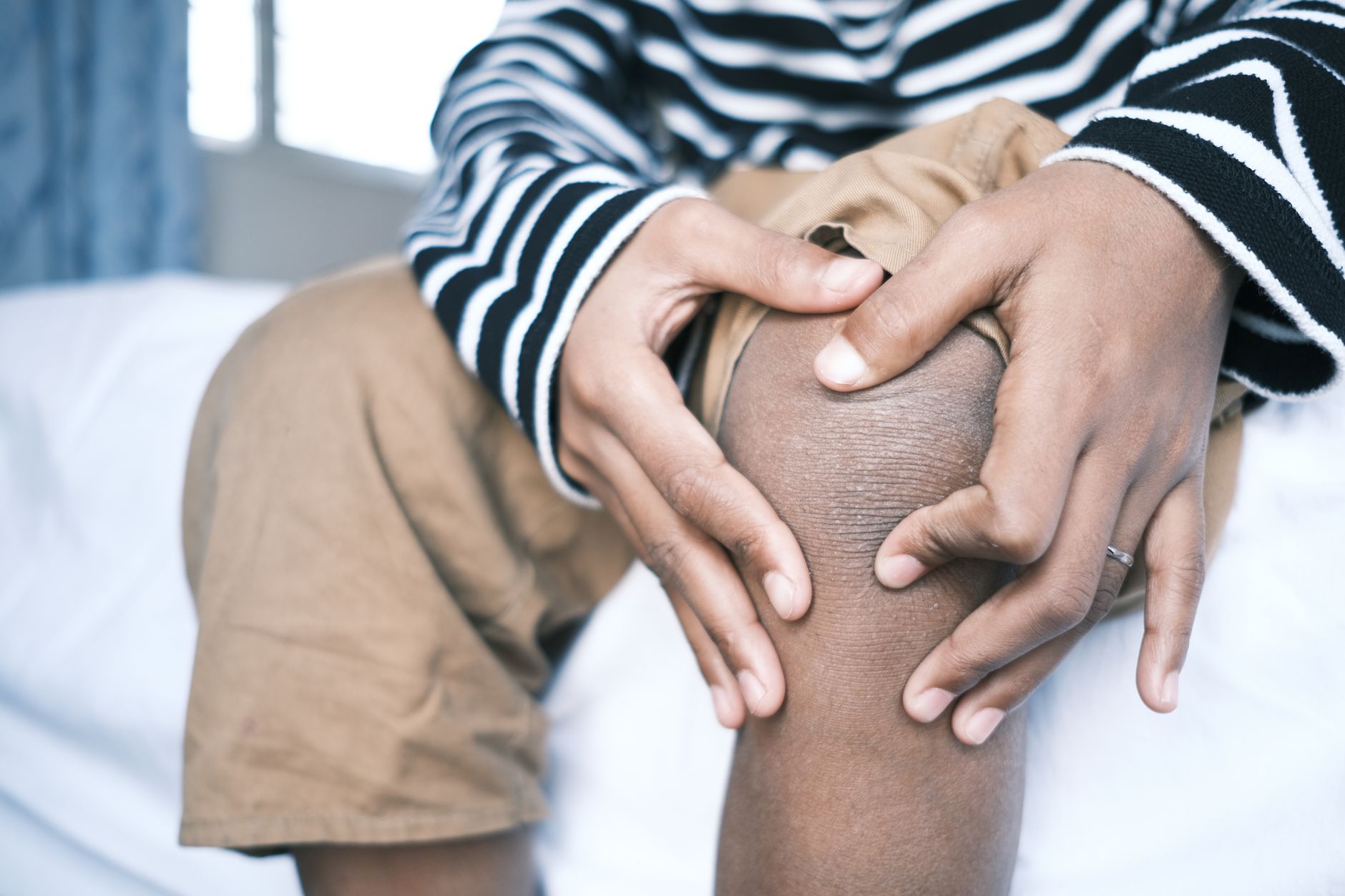
Key Takeaways
- Knee pain can stem from various causes, including injury and arthritis.
- Understanding symptoms helps in seeking timely treatment.
- Lifestyle changes and exercises can alleviate knee pain.
- Consult a healthcare professional for personalized advice.
Understanding Knee Pain When Walking
Knee pain when walking can significantly impact your daily activities and quality of life. Many people experience this discomfort at some point, and understanding its causes, symptoms, and treatments can help you manage it effectively. Whether it’s a dull ache or sharp pain, recognizing the signs and knowing how to respond is crucial.
This guide will explore the various factors contributing to knee pain, ranging from common injuries to chronic conditions. We will also discuss practical solutions to alleviate discomfort and improve mobility. If you’re experiencing knee pain when walking, read on to find the information you need.
While knee pain can be a common issue, it is essential to pay attention to your body. Persistent pain should not be ignored, and consulting a healthcare professional is advisable for proper diagnosis and treatment.
Common Causes of Knee Pain When Walking
Knee pain can arise from numerous factors. Understanding these can help pinpoint the source of your discomfort:
- Injuries: Sports injuries, falls, or accidents can lead to damage in the knee joint or surrounding ligaments.
- Arthritis: Osteoarthritis and rheumatoid arthritis are common causes of knee pain, particularly in older adults.
- Tendinitis: Inflammation of the tendons around the knee can cause pain, often linked to overuse or strain.
- Bursitis: Inflammation of the bursae, small fluid-filled sacs that cushion the knee, can lead to discomfort.
- Patellofemoral Pain Syndrome: Often referred to as

A medical professional closely examines a leg X-ray, pointing out details with a pen (Photo by Gustavo Fring on Pexels) Treatment Options for Knee Pain When Walking
Knee pain can be a debilitating condition that affects mobility and quality of life. Fortunately, a variety of treatment options are available, ranging from conservative measures to more invasive procedures. Understanding these options can help individuals make informed decisions about their healthcare.
Physical Therapy
Physical therapy is often one of the first lines of treatment for knee pain. A physical therapist can assess an individual’s specific condition and create a personalized rehabilitation program. This program typically includes exercises to strengthen the muscles around the knee and improve flexibility.
Common physical therapy techniques include:
- Strength training exercises to build the quadriceps, hamstrings, and calf muscles.
- Stretching exercises to enhance flexibility and range of motion.
- Manual therapy techniques to alleviate pain and improve joint function.
- Aquatic therapy, which can reduce stress on the knee while allowing for effective exercise.
Studies have shown that physical therapy can significantly reduce pain and improve function in individuals with knee pain, particularly in those with osteoarthritis.
Medications and Injections
Over-the-counter and prescription medications can play an essential role in managing knee pain. Nonsteroidal anti-inflammatory drugs (NSAIDs) like ibuprofen and naproxen can help reduce inflammation and alleviate pain.
In addition to oral medications, injections may be recommended for more severe pain management. Options include:
- Corticosteroid injections, which can provide temporary relief by reducing inflammation.
- Hyaluronic acid injections, which may improve lubrication in the joint.
- Platelet-rich plasma (PRP) injections, which utilize the patient’s own blood components to promote healing.
While injections can offer significant relief, the effects are typically temporary, and patients may require repeated treatments.
Surgical Options
When conservative treatments fail to provide relief, surgical options may be considered. The specific procedure will depend on the underlying cause of the knee pain. Common surgical interventions include:
- Arthroscopy, a minimally invasive procedure used to diagnose and treat knee conditions.
- Osteotomy, where the bone is reshaped to relieve pressure on the knee joint.
- Partial or total knee replacement, which involves replacing damaged cartilage and bone with artificial components.
Surgical interventions can significantly improve the quality of life for individuals suffering from chronic knee pain, allowing for better mobility and reduced discomfort.
Preventive Measures for Knee Pain
Preventing knee pain is critical, especially for individuals at risk of developing conditions like osteoarthritis. A proactive approach to knee health can help maintain mobility and reduce the likelihood of injury.
Weight Management
Maintaining a healthy weight is one of the most effective ways to prevent knee pain. Excess body weight places additional stress on the knees, increasing the risk of injury and degenerative conditions. Even a modest weight loss can significantly reduce the load on the knee joints.
Strategies for effective weight management include:
- Adopting a balanced diet rich in fruits, vegetables, whole grains, and lean proteins.
- Engaging in regular physical activity, including both aerobic exercises and strength training.
- Monitoring portion sizes and being mindful of caloric intake.
Consulting with a healthcare provider or nutritionist can provide personalized guidance on weight management strategies.
Exercise and Stretching
Regular exercise is vital for maintaining knee health. Strengthening the muscles surrounding the knee can provide better support and stability, while stretching can enhance flexibility. Low-impact activities, such as swimming, cycling, and walking, are excellent for preserving joint health.
Key exercises to incorporate into a regular routine include:
- Quadriceps strengthening exercises, like leg presses and squats.
- Hamstring stretches to improve flexibility and prevent stiffness.
- Balance exercises, such as single-leg stands, to enhance stability.
Consulting with a physical therapist can help individuals design a safe and effective exercise program tailored to their needs.
Footwear and Orthotics
The right footwear is essential for knee health, particularly for those who engage in regular walking or exercise. Shoes that provide adequate support and cushioning can help absorb shock and reduce the risk of knee pain.
Considerations for selecting appropriate footwear include:
- Choosing shoes with good arch support to maintain proper alignment.
- Avoiding high heels or shoes that do not provide adequate stability.
- Replacing worn-out shoes regularly to ensure optimal support.
For individuals with specific foot mechanics issues, custom orthotics may be beneficial. These inserts can help correct alignment and distribute pressure more evenly across the foot and knee.
A focused view of a male athlete performing squats in a gym setting, emphasizing fitness and strength (Photo by MART PRODUCTION on Pexels) Alternative Therapies for Knee Pain Relief
In addition to conventional treatments, various alternative therapies have gained popularity for managing knee pain. These approaches can serve as complementary options to traditional medical interventions.
Acupuncture
Acupuncture is an ancient practice rooted in traditional Chinese medicine that involves inserting thin needles into specific points on the body. Some studies suggest that acupuncture may help alleviate knee pain by stimulating the release of endorphins and promoting blood flow.
Benefits of acupuncture include:
- Reducing pain and inflammation in the knee.
- Improving overall function and mobility.
- Minimizing the reliance on medications for pain relief.
Individuals considering acupuncture should seek a licensed practitioner with experience in treating musculoskeletal conditions.
Massage Therapy
Massage therapy can provide significant relief for those experiencing knee pain. This therapy helps reduce muscle tension, increase blood flow, and promote relaxation. Various massage techniques can be beneficial, including deep tissue massage and myofascial release.
Regular massage therapy can contribute to:
- Improved circulation around the knee joint.
- Reduction of muscle tightness and spasms.
- Enhanced recovery after physical activity.
Individuals should consult a licensed massage therapist to ensure a treatment plan is tailored to their specific needs.
Dietary Supplements
Certain dietary supplements may offer additional support for joint health and pain relief. While more research is needed in some areas, the following supplements have shown promise:
- Glucosamine and chondroitin sulfate, which may help maintain cartilage health.
- Omega-3 fatty acids, known for their anti-inflammatory properties.
- Turmeric and curcumin, which may help reduce inflammation and pain.
Consulting with a healthcare provider before starting any new supplement regimen is essential to ensure safety and efficacy.
Biomechanics of Walking and Knee Pain
Understanding Gait Analysis
Gait analysis is a critical tool used to assess the way individuals walk and can reveal underlying issues contributing to knee pain. By observing the biomechanics of walking, healthcare providers can identify deviations in posture, stride, and weight distribution. This analysis often involves both observational techniques and high-tech assessments, such as pressure mapping and video analysis.
Common gait abnormalities that may lead to knee pain include:
- Excessive pronation or supination of the foot
- Asymmetrical weight distribution
- Altered stride length
- Insufficient knee flexion or extension
Once identified, these gait abnormalities can be addressed through targeted interventions, including physical therapy, custom orthotics, and specific strengthening exercises aimed at correcting the underlying issues.
The Role of Muscle Imbalances
Muscle imbalances around the knee can significantly affect knee function and contribute to pain during walking. The muscles that stabilize the knee, including the quadriceps, hamstrings, and calf muscles, must work in harmony to support proper movement. If one muscle group is stronger or tighter than its opposing group, it can lead to abnormal knee tracking and increased stress on the knee joint.
To address muscle imbalances, consider the following:
- Engaging in strength training exercises targeting both the quadriceps and hamstrings.
- Incorporating flexibility routines to enhance range of motion and reduce tightness in the muscles surrounding the knee.
- Evaluating your overall fitness regimen to ensure a balanced approach to strength and flexibility training.
By focusing on correcting muscle imbalances, individuals can alleviate knee pain and improve overall walking mechanics.
Impact of Footwear on Knee Health
Footwear plays a significant role in knee health and can influence the biomechanics of walking. Wearing shoes that do not provide adequate support or cushioning can lead to poor alignment of the lower extremities, increasing the risk of knee pain. Furthermore, inappropriate footwear can exacerbate existing conditions, such as osteoarthritis or patellofemoral pain syndrome.
When selecting footwear, consider the following criteria:
- Arch support: Proper arch support can help distribute weight evenly and reduce strain on the knees.
- Cushioning: Shoes with adequate cushioning can absorb shock and minimize impact on the knee joints.
- Fit: Ensure that shoes fit well and allow for natural foot movement without excessive restriction.
Choosing the right footwear is crucial not only for comfort but also for maintaining knee health during activities like walking.
Soccer player on ground with knee injury during match (Photo by Anh Lee on Pexels) Diet and Knee Health
The Role of Inflammation
Inflammation is a key factor in many knee problems and can significantly impact pain levels during walking. Certain dietary choices can either exacerbate or reduce inflammation in the body. Consuming foods high in omega-3 fatty acids, antioxidants, and anti-inflammatory compounds can help combat knee pain.
Foods that may help reduce inflammation include:
- Fatty fish such as salmon and sardines
- Leafy green vegetables like spinach and kale
- Berries, which are rich in antioxidants
- Nuts and seeds, particularly walnuts and flaxseeds
- Olive oil, known for its anti-inflammatory properties
Incorporating these foods into your diet can contribute to overall joint health and potentially alleviate knee pain.
Weight Management and Its Effect
Maintaining a healthy weight is essential for knee health, as excess body weight places additional stress on the knee joints, particularly during weight-bearing activities like walking. Even a modest weight loss can lead to significant improvements in knee pain and function. Studies have shown that losing just 5-10% of body weight can result in a noticeable reduction in knee pain for individuals with osteoarthritis.
To achieve and maintain a healthy weight, consider the following strategies:
- Engage in regular physical activity, combining both aerobic exercises and strength training.
- Monitor portion sizes and practice mindful eating to avoid overeating.
- Consult with a dietitian for personalized dietary recommendations tailored to individual needs.
By addressing weight management, individuals can significantly improve their knee health and reduce pain when walking.
Hydration and Joint Lubrication
Staying well-hydrated is crucial for overall joint health, including the knees. Water plays a vital role in maintaining synovial fluid levels, which lubricate the joints and facilitate smooth movements. Dehydration can lead to decreased synovial fluid, resulting in increased friction and discomfort in the knee joints.
To ensure optimal hydration, consider these tips:
- Drink water consistently throughout the day, aiming for at least 8 glasses.
- Consume hydrating foods such as fruits and vegetables, which have high water content.
- Adjust fluid intake based on activity level, climate, and individual health needs.
Proper hydration can enhance joint function and may help alleviate knee pain during walking.
Psychological Factors and Knee Pain
The Connection Between Mental Health and Pain Perception
Mental health can significantly influence the perception of pain, including knee pain. Conditions such as anxiety and depression can heighten sensitivity to pain and decrease pain tolerance. Understanding this connection is essential for comprehensive pain management strategies.
Research indicates that individuals with chronic pain conditions often experience higher levels of psychological distress. Addressing mental health is vital in managing knee pain, as improved mental well-being can lead to better coping mechanisms and pain management.
Consider incorporating the following strategies to support mental health:
- Practice mindfulness and meditation techniques to reduce stress and anxiety.
- Engage in regular physical activity, which is known to boost mood and mental health.
- Seek professional support through therapy or counseling if experiencing significant emotional distress.
By addressing psychological factors, individuals may find relief from knee pain and improve their overall quality of life.
Social Support and Pain Management
Having a strong support system can positively impact an individual’s ability to cope with chronic knee pain. Social support from friends, family, and community can provide emotional comfort and practical assistance, making it easier to manage pain and maintain an active lifestyle.
Consider these aspects of social support:
- Join support groups for individuals experiencing similar challenges, fostering a sense of community.
- Communicate openly with loved ones about pain experiences and needs.
- Engage in social activities that promote physical activity and emotional well-being.
Building a robust support network can enhance resilience in facing knee pain and encourage adherence to treatment plans.
Coping Strategies for Chronic Pain
Developing effective coping strategies is essential for managing chronic knee pain. These strategies can help individuals regain control over their lives and reduce the psychological burden of pain. Techniques may include cognitive-behavioral approaches, relaxation techniques, and positive self-talk.
Some useful coping strategies include:
- Setting realistic goals for physical activity to avoid overexertion.
- Practicing deep breathing exercises to alleviate stress and promote relaxation.
- Keeping a pain diary to identify patterns and triggers related to knee pain.
Implementing coping strategies can empower individuals to manage their knee pain more effectively and enhance their overall quality of life.
Frequently Asked Questions
What can I do to alleviate knee pain when walking?
You can try resting, applying ice to the affected area, and taking over-the-counter pain relievers. Additionally, engaging in gentle stretching and strengthening exercises may help.
Is surgery always required for knee pain?
Not necessarily; many individuals find relief through conservative treatments such as physical therapy, medications, and lifestyle changes before considering surgery.
Can knee pain be a sign of a more serious condition?
Yes, persistent knee pain can indicate underlying issues such as arthritis or injury that may require medical evaluation and treatment.
How can I improve my walking technique to reduce knee pain?
Consider undergoing a gait analysis with a healthcare professional to identify any abnormalities in your walking pattern, and follow their recommendations for improving your biomechanics.
The Bottom Line
Knee pain when walking can be challenging, but understanding its causes and treatment options can empower you to manage your symptoms effectively. By adopting preventive measures and considering alternative therapies, you can enhance your knee health and overall mobility. Always consult a healthcare professional for personalized advice tailored to your specific needs.
Note: This article is for general information only and is not medical advice. See a qualified health professional about your own situation.