Key Takeaways
- Maxillary sinus perforation is a rare but manageable complication of dental procedures.
- Common symptoms include air leakage, nosebleeds, and changes in voice quality.
- Seeking professional dental care immediately is crucial for proper healing.
- Most perforations heal naturally with conservative care and proper aftercare instructions.
Understanding Maxillary Sinus Perforation
When undergoing dental work, particularly procedures involving the upper molars, it is helpful to be aware of potential complications. Maxillary sinus perforation symptoms are often the first sign that an opening has occurred between the mouth and the sinus cavity. While the prospect of a perforation might sound alarming, it is a known risk that dentists are well-trained to identify and manage effectively.
The maxillary sinuses are air-filled spaces located behind your cheekbones, sitting just above the roots of your upper teeth. Because the bone separating the tooth roots from the sinus can be quite thin, a tiny opening can occasionally occur during tooth extraction or other oral surgeries. Understanding these symptoms allows you to communicate clearly with your dentist so they can provide the best possible care.
This guide provides general information regarding these symptoms. If you believe you are experiencing a complication after a dental procedure, it is essential to contact your dentist or an oral surgeon promptly. They are the only ones who can perform a physical examination and determine the best course of action for your unique situation.
What Are the Common Maxillary Sinus Perforation Symptoms
Recognizing the signs of a perforation early is key to ensuring a smooth recovery. Many people describe a sensation of air passing through the extraction site when they breathe or speak. This occurs because the seal between the oral cavity and the sinus has been compromised, allowing air to move freely between the two spaces.
Another frequent observation is a change in the sound of your voice. You might notice a slightly nasal tone or a sensation that your speech sounds different than usual. This is typically temporary and relates to the change in airflow through the sinus cavity. In some cases, patients may also notice that liquids seem to enter the nasal passage when drinking, which can be an uncomfortable but tell-forthright indicator of a connection.
Physical sensations are also common indicators. You might feel a dull ache in the area or notice a small amount of bleeding from the nose on the side where the procedure was performed. While minor bleeding is normal after tooth extraction, persistent or significant nasal bleeding should always be reported to your dental provider immediately.

The Role of Anatomical Factors
Anatomical variations play a significant role in why these perforations occur in some individuals more than others. The thickness of the bone between the sinus floor and the tooth roots varies greatly from person to person. For some, this bone is very thin or even missing entirely, making the sinus floor naturally closer to the dental roots.
Chronic sinus inflammation can also influence the process. If a patient has a history of sinusitis, the sinus lining may become thickened or altered. While this can sometimes make the lining more resilient, it can also complicate the healing process if an opening occurs. Dentists often take high-quality X-rays or 3D scans before complex extractions to assess these anatomical factors.
By understanding your unique anatomy, your dentist can plan the procedure to minimize risks. If your scans show that your tooth roots are in close proximity to the sinus, your dentist might take extra precautions during the removal process. Being informed about your dental anatomy is a proactive way to participate in your own care.
What to Do If You Suspect a Perforation
If you experience any of the symptoms mentioned above, the first step is to remain calm. Most small perforations heal on their own with proper care. Avoid blowing your nose forcefully, as this creates pressure that can prevent the tissue from sealing properly. Instead, if you need to clear your nose, do so very gently.
You should also avoid activities that create pressure changes in your mouth or sinuses. This includes avoiding the use of straws for drinking, as the suction can disturb the blood clot forming at the site. It is also wise to refrain from smoking or using tobacco products, as these can significantly delay healing and increase the risk of infection.
Contact your dental office as soon as you notice symptoms. They may want to see you for a follow-up examination to ensure the area is closing correctly. In some cases, they might prescribe specific medications, such as decongestants or antibiotics, to prevent sinus congestion and support the healing of the soft tissue.
Diagnostic Techniques Used by Professionals
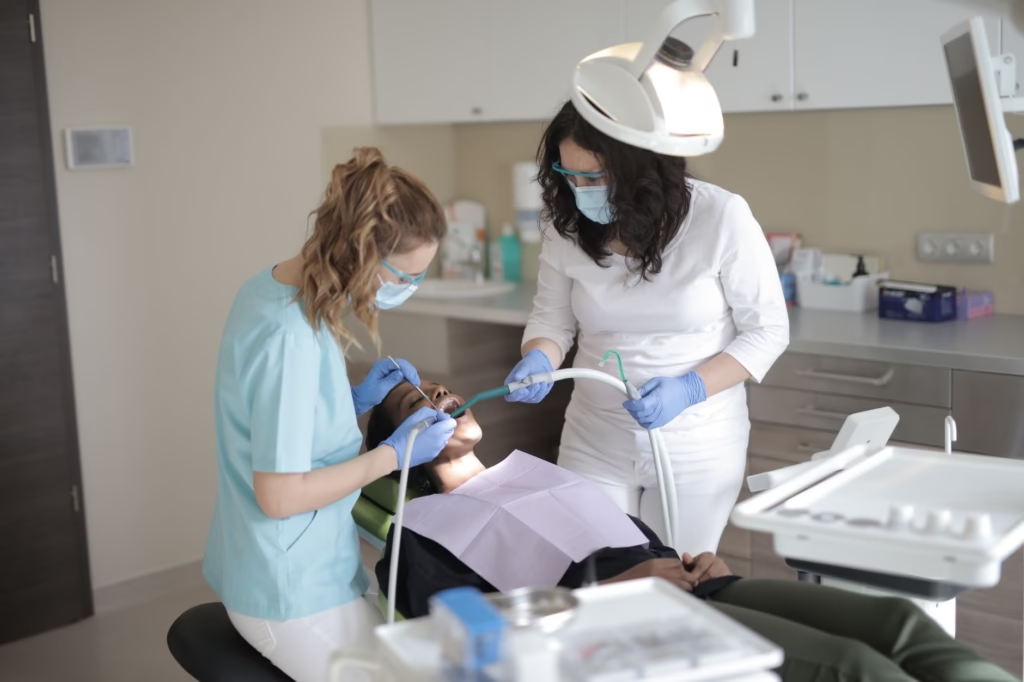
When you visit your dentist with concerns, they will use several diagnostic techniques to determine if a perforation exists. The most common method is the Valsalva maneuver. During this test, your dentist will ask you to gently exhale through your nose while holding your nostrils closed. If there is a perforation, they may observe air bubbles or movement at the extraction site.
They may also visually inspect the site using specialized dental mirrors or probes. In some instances, they might use a small instrument to gently check the integrity of the sinus floor. These procedures are typically quick and are performed with the goal of providing you with peace of mind and an accurate assessment.
| Symptom | Description | Action Required |
|---|---|---|
| Air leakage | Feeling air pass through the socket | Call dentist |
| Nasal bleeding | Light bleeding from the nostril | Monitor and report |
| Liquid transition | Fluids entering the nose | Call dentist |
| Voice change | Nasal sounding speech | Monitor and report |
Treatment Approaches for Healing
The treatment for a maxillary sinus perforation depends largely on its size. For small openings, the body is remarkably efficient at healing itself. The dentist will ensure that a stable blood clot forms in the socket, which acts as a natural biological bandage. They may provide specific instructions on diet and activity to protect this clot.
For slightly larger openings, your dentist might use a small piece of specialized material, such as a collagen sponge, to assist in the closure. This material provides a scaffold for your body’s own tissues to grow across and seal the opening. This is a standard and well-established procedure that has a high success rate.
In rare instances where a perforation is large or fails to heal, a minor surgical procedure might be necessary to close the communication. This is typically performed by an oral surgeon who can use a small flap of gum tissue to create a secure seal. While this sounds more involved, it is a routine procedure designed to restore the integrity of the sinus floor.

Preventing Complications During Recovery
Prevention is a major part of the post-operative journey. Following your dentist’s aftercare instructions to the letter is the single most important thing you can do. This includes taking any prescribed medications exactly as directed and attending all follow-up appointments, even if you feel that your symptoms have already resolved.
Diet also plays a role in your recovery. During the first few days after your procedure, stick to soft, cool foods. Avoid crunchy, spicy, or hot foods that might irritate the extraction site. Staying hydrated is essential, but remember to drink directly from a glass rather than using a straw to avoid creating negative pressure in the mouth.
Managing your sinus health is equally important. If you suffer from allergies, keep them well-managed with your usual treatments, as frequent sneezing or congestion can put unnecessary stress on the healing tissue. If you feel a sneeze coming on, try to sneeze with your mouth open to minimize the pressure that builds up in your mouth and sinuses.
Frequently Asked Questions
How long does it take for a maxillary sinus perforation to heal?
For most minor perforations, the healing process begins immediately and the initial closure usually occurs within a few days to two weeks. Complete healing of the bone and tissue can take several weeks, but patients typically feel back to normal shortly after the initial closure phase.
Is a sinus perforation considered a medical emergency?
Generally, no. While it requires prompt attention from your dentist or an oral surgeon to ensure it heals correctly, it is rarely a life-threatening emergency. However, you should seek immediate care if you experience severe pain, high fever, or excessive bleeding that does not stop with pressure.
Will I have long-term sinus problems after a perforation?
In the vast majority of cases, a properly managed perforation heals completely without any long-term consequences. Once the tissue has closed and the bone has had time to remodel, most people experience no lasting impact on their sinus health or dental function.
Can I fly on an airplane if I have a suspected perforation?
It is generally recommended to avoid air travel for a short period following oral surgery, especially if there is any suspicion of a sinus communication. The pressure changes inside an airplane cabin can cause discomfort and potentially disrupt the healing of the sinus floor. It is best to consult your dentist for clearance before flying.
The Bottom Line
Experiencing Maxillary sinus perforation symptoms can feel unsettling, but it is a manageable condition that dentists see and treat routinely. By recognizing the signs early, maintaining excellent communication with your dental team, and following post-operative care instructions, you can support your body’s natural healing process. Remember that most perforations close successfully with conservative treatment, allowing you to return to your normal routine quickly. Always prioritize professional medical advice when evaluating your health and recovery.