Key Takeaways
- A perforated sinus usually refers to an oroantral communication or a breach in the nasal septum.
- Common symptoms include facial pain, persistent nasal congestion, and a whistling sound when breathing.
- Professional diagnosis through imaging or physical examination is necessary for effective treatment.
- Prompt medical attention helps prevent complications like chronic infections or bone damage.
Understanding Perforated Sinus Symptoms
When you experience persistent discomfort in your facial area, it is natural to look for answers. Perforated sinus symptoms often arise when there is an abnormal opening between the sinus cavities and another structure, such as the mouth or the nasal cavity. This condition can be distressing, but understanding the signs is the first step toward getting the right help from a medical professional.
A perforation in the sinus region can occur for various reasons, including dental procedures, trauma, or chronic inflammation. Because the sinuses are interconnected, a small break in the lining or the bone can lead to a range of uncomfortable sensations. If you suspect you are dealing with these symptoms, it is important to avoid self-diagnosis and seek a consultation with an ear, nose, and throat specialist.
This guide aims to provide you with clear, evidence-based information regarding these issues. By learning what to look for, you can better communicate your experiences to your doctor, which leads to a more accurate diagnosis and a faster path to feeling like yourself again.
Common Physical Indicators
The physical signs of a sinus perforation can vary depending on the location and size of the opening. Most individuals report a combination of localized pain and functional changes in how they breathe. The following list details the most frequently reported manifestations of this condition.
- Persistent facial pressure or pain that does not resolve with standard decongestants.
- A noticeable whistling sound when breathing through the nose, which often indicates air passing through a small hole.
- Increased frequency of sinus infections that seem resistant to routine antibiotic therapy.
- A sensation of air or fluids moving between the mouth and the nose during eating or drinking.
- Foul-smelling nasal discharge or a persistent bad taste in the mouth.
These symptoms often develop gradually. In some cases, people might ignore minor discomfort, assuming it is just a common cold or seasonal allergy. However, if the symptoms persist for more than a few weeks, they warrant a closer look by a medical expert.
It is also common to experience a feeling of fullness in one side of the face. This occurs because the drainage pathways of the sinuses are interrupted by the perforation. When the natural airflow is disrupted, mucus can accumulate, leading to increased pressure and potential infection.

The Role of Dental Procedures
One of the most frequent causes of an oroantral communication, which is a specific type of sinus perforation, is related to dental work. Specifically, the roots of the upper teeth are often located very close to the maxillary sinuses. When a tooth is extracted, a thin layer of bone separating the tooth socket from the sinus can sometimes be breached.
If this occurs, you might notice specific signs shortly after the procedure. These include bubbles in the mouth when you rinse, or the sensation that air is escaping through the socket. Dentists are trained to recognize these signs immediately and will often take steps to close the opening during the same visit.
If you have recently had dental surgery and notice these changes, do not panic. Most of these openings heal well with proper care and follow-up. However, if you notice symptoms developing several days after the procedure, you should contact your dentist or an oral surgeon to ensure that the area is healing as expected.
Diagnostic Procedures and Imaging
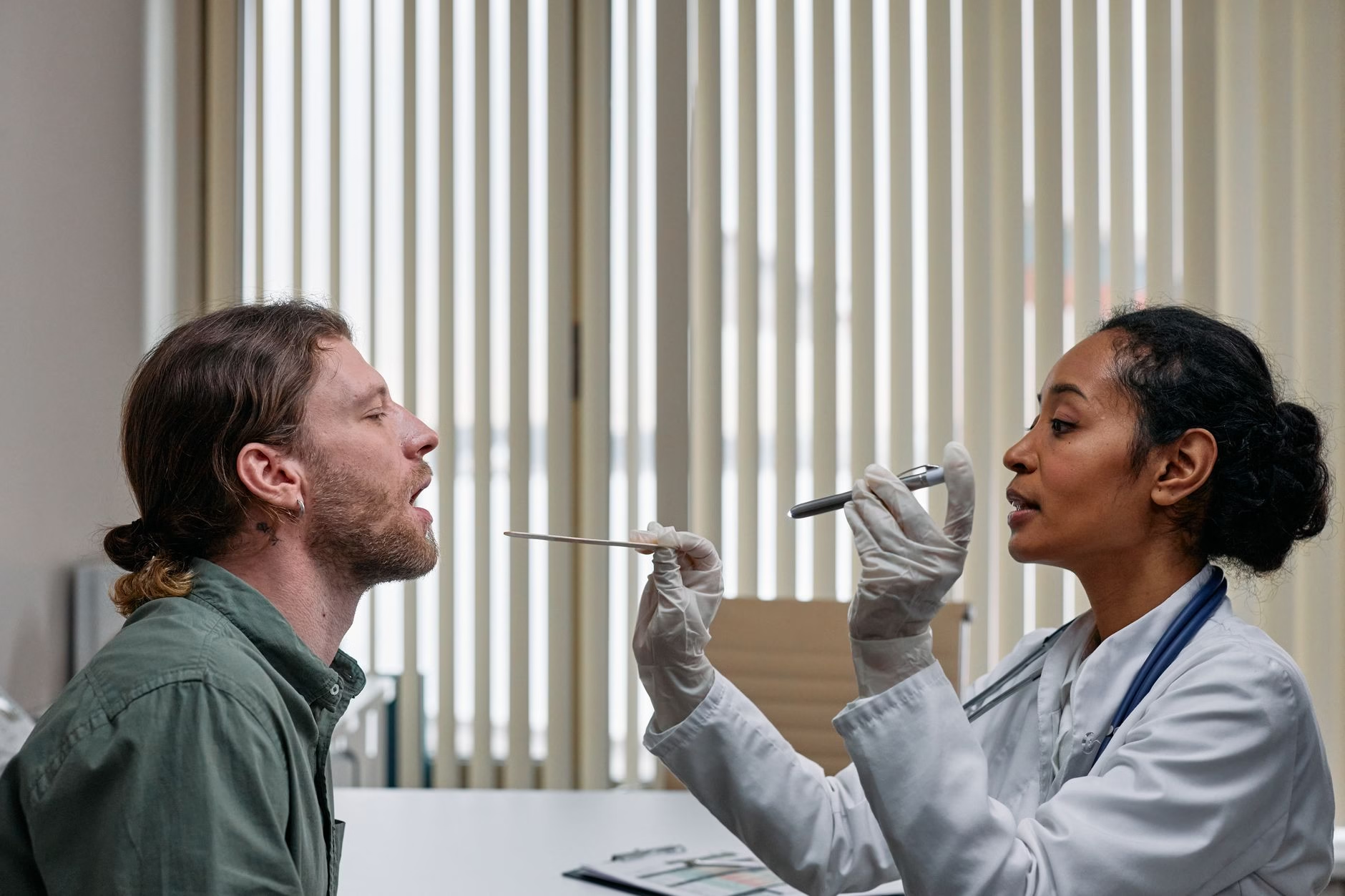
To determine if your perforated sinus symptoms are indeed caused by a structural opening, doctors rely on various diagnostic tools. Physical examination is the first step, where a doctor might use a small scope to look directly into the nasal passages to identify any visible breaks in the tissue.
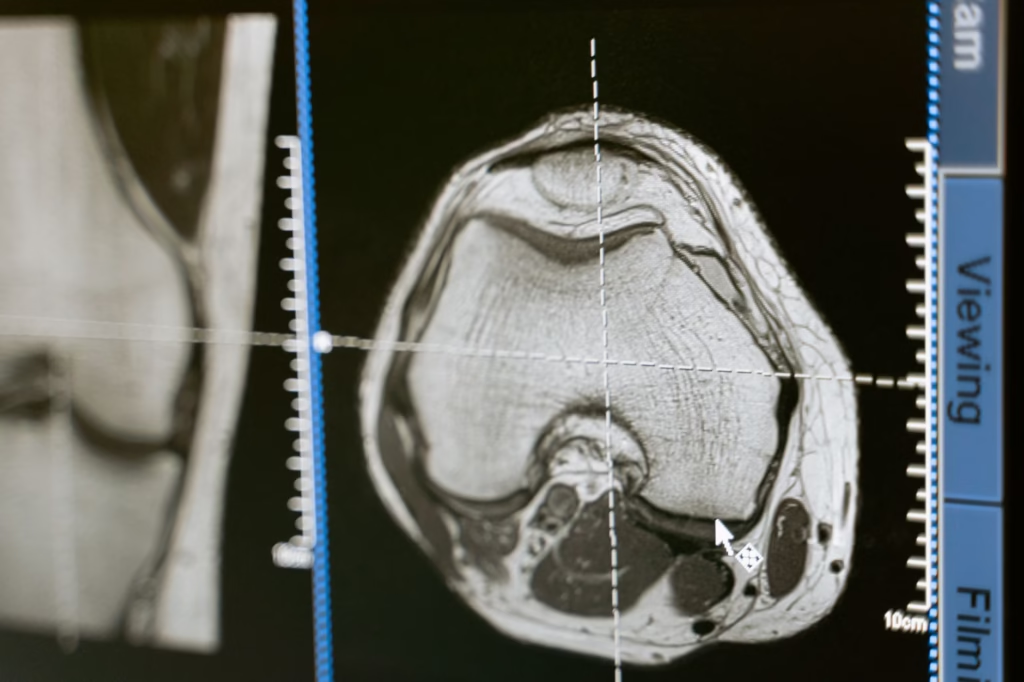
Imaging is often required to confirm the diagnosis, especially if the perforation is located deep within the sinus cavity. These tests provide a clear view of the bone structure and the soft tissues. Common imaging methods include the following:
| Test Type | Purpose |
|---|---|
| Computed Tomography (CT) Scan | Provides detailed cross-sectional images of the sinuses and surrounding bone. |
| Endoscopic Exam | Allows the doctor to view the inside of the nasal cavity using a thin camera. |
| Valsalva Maneuver | A physical test where you exhale gently against a closed nose to check for air leaks. |
The CT scan is considered the gold standard for identifying structural issues within the facial bones. It allows the physician to see the exact size and location of the perforation, which is essential for planning any necessary repairs. Your doctor will weigh the need for these tests based on your specific symptoms and medical history.
When to Seek Urgent Medical Attention
While many sinus issues are chronic rather than acute, certain signs indicate that you should seek medical care more urgently. If you experience high fever, severe headache, vision changes, or significant swelling around the eyes, these could be signs of a more serious infection that has spread beyond the sinus cavity.
Do not wait for these symptoms to resolve on their own. The sinuses are located very close to the brain and the eyes, and infections in this area need to be monitored closely by a healthcare professional. If you feel that your condition is worsening rapidly, a visit to an urgent care clinic or an emergency department is appropriate.
Furthermore, if you are experiencing difficulty breathing or if you have sustained trauma to the face, such as from a fall or an accident, you should seek immediate evaluation. These situations require a thorough assessment to rule out fractures or significant tears in the sinus lining that may require surgical intervention.
Treatment Pathways
Treatment for a perforated sinus depends heavily on the size and the cause of the opening. Small perforations often have the capacity to heal on their own if they are kept clean and free from infection. In these instances, your doctor may recommend a period of observation combined with specific home care instructions.
For larger openings or those that do not heal, surgical intervention may be necessary. The goal of surgery is to close the gap and restore the natural function of the sinus. There are several surgical approaches, ranging from minimally invasive endoscopic techniques to more traditional surgical repairs, depending on the complexity of the case.
Post-operative care is crucial for success. This includes avoiding activities that increase pressure in the sinuses, such as blowing your nose forcefully, sneezing with your mouth closed, or drinking through a straw. Following your doctor’s post-operative instructions is the best way to ensure a smooth recovery and prevent the recurrence of symptoms.
Post-Operative Recovery and Lifestyle Adjustments
Managing Nasal Pressure and Airflow
After a sinus perforation is identified and treated, patients must strictly manage nasal pressure to facilitate healing. Activities that induce rapid pressure changes can disrupt the surgical site or the natural closure of the membrane. Avoiding forceful nose blowing is essential during the initial weeks of recovery to prevent air from being pushed back into the sinus cavity. Patients should utilize gentle saline rinses as recommended by their surgeon to maintain cleanliness without causing mechanical stress to the delicate healing tissues.
Restricted Physical Activities
Physical exertion often leads to increased blood flow and changes in sinus pressure that can be detrimental to recovery. Surgeons typically advise against heavy lifting or strenuous exercise for at least two weeks following a perforation repair. Maintaining a head-elevated position while sleeping can also assist in reducing sinus congestion and pressure. Patients should adhere to the following precautions:
- Avoid air travel for several weeks to prevent barotrauma.
- Refrain from swimming or diving to avoid water entry into the sinus.
- Use a humidifier to keep nasal passages moist and prevent crusting.

Potential Complications of Neglected Perforations
Chronic Sinusitis and Persistent Inflammation
A perforated sinus that remains unaddressed may lead to long-term issues such as chronic sinusitis. When the sinus lining is compromised, the natural drainage pathways become obstructed by inflammation and scar tissue. This trapped fluid creates an ideal environment for bacterial growth, leading to recurrent infections that are resistant to standard antibiotic therapies. Persistent inflammation can eventually cause the thickening of the sinus mucosa, further complicating future surgical interventions.
Development of Sinonasal Fistulas
If a perforation fails to heal properly, a persistent connection known as a fistula may develop between the oral cavity and the sinus. This opening allows for the continuous passage of fluids and bacteria, which can cause chronic foul taste and persistent nasal discharge. Surgical closure of such fistulas often requires complex tissue grafting techniques to ensure a complete seal. Early identification of these complications is crucial to prevent the degradation of surrounding bone and soft tissue structures.
Nutritional and Hydrological Support for Healing
Role of Hydration in Mucus Regulation
Proper hydration is a cornerstone of recovery when healing from a perforated sinus. Water intake ensures that the mucus produced by the sinus lining remains thin and easily drainable. Thick, stagnant mucus can harbor pathogens that threaten the integrity of a healing membrane. Patients are encouraged to consume adequate fluids throughout the day to support the body’s natural mucociliary clearance mechanisms.
Dietary Considerations for Tissue Repair
Nutritional intake plays a significant role in the body’s ability to regenerate damaged epithelial tissue. A balanced diet rich in vitamin C, zinc, and protein provides the necessary building blocks for collagen synthesis. These nutrients help maintain the strength of the sinus membrane and accelerate the repair process. Focusing on nutrient-dense foods reduces the systemic inflammation that can otherwise impede the healing of localized injuries.
Frequently Asked Questions
Can a sinus perforation heal on its own?
Yes, many small perforations, particularly those caused by dental extractions, can heal on their own. The body has a remarkable ability to repair tissue when provided with the right environment, which includes avoiding irritation and preventing infection.
What are the long-term risks of leaving a sinus perforation untreated?
If left untreated, a persistent perforation can lead to chronic sinusitis, recurrent infections, and in some cases, the degradation of the surrounding bone. It is important to have a doctor evaluate the situation to determine if intervention is needed.
How can I manage the discomfort while waiting for an appointment?
You can manage discomfort by keeping your nasal passages moist with saline sprays and avoiding activities that put pressure on the sinuses. However, these are only temporary measures and do not replace the need for professional medical evaluation.
Does a perforated sinus always require surgery?
No, not every perforation requires surgery. Many cases are managed conservatively with medication to control infection and time to allow for natural healing. Surgical repair is typically reserved for cases where the opening is large or causing significant ongoing issues.
The Bottom Line
Perforated sinus symptoms can be concerning, but they are a well-understood medical issue that can often be managed with the right professional guidance. From identifying the initial signs like whistling or persistent pressure to understanding the diagnostic process and treatment options, being informed is your best defense.
If you recognize these symptoms in yourself, take the step to schedule an appointment with your primary care provider or an ear, nose, and throat specialist. With proper care, you can address the root cause of your discomfort and return to your daily activities with peace of mind. Remember that early intervention is key to preventing complications and ensuring a healthy, comfortable recovery.