
Key Takeaways
- Fast breathing can be normal or a sign of distress.
- Common causes include excitement, heat, and health issues.
- Always consult a veterinarian if you're concerned.
- Monitoring your puppy's behavior can help identify issues.
If you’re wondering, “Why is my puppy breathing so fast?” you’re not alone. Many new puppy owners notice that their furry companions sometimes breathe quickly, and it can be a source of concern. While fast breathing, or tachypnea, can be normal in certain situations, it can also signify underlying health issues that require attention.
Understanding the reasons behind your puppy’s rapid breathing is crucial for ensuring their well-being. Puppies may breathe fast due to a variety of factors, including excitement, anxiety, environmental changes, or more serious health problems. In this guide, we will explore these causes in depth, helping you to distinguish between what is normal and when you should seek veterinary assistance.
This comprehensive article will equip you with the knowledge needed to better understand your puppy’s respiratory behavior. By the end, you will have a clearer picture of why your puppy might be breathing rapidly and how to respond appropriately.
Understanding Normal Breathing Patterns
Before diving into the reasons for rapid breathing, it is essential to understand what constitutes normal breathing for puppies. Puppies, like humans, have a range of normal respiratory rates that can vary based on their size, age, and level of activity.
On average, a healthy puppy breathes between 15 to 40 breaths per minute when at rest. However, factors such as exercise, heat, and excitement can temporarily increase this rate. It is important to observe your puppy’s breathing during different activities to establish a baseline for what is normal for them.
Several factors can affect your puppy’s breathing:
- Age: Younger puppies may have different respiratory rates compared to older ones.
- Size: Smaller breeds may breathe faster than larger breeds.
- Activity Level: Physical exertion will naturally increase their breathing rate.
Common Causes of Fast Breathing
Fast breathing in puppies can arise from various benign and concerning causes. Here are some of the most common reasons your puppy may be breathing quickly:
1. Excitement or Playfulness
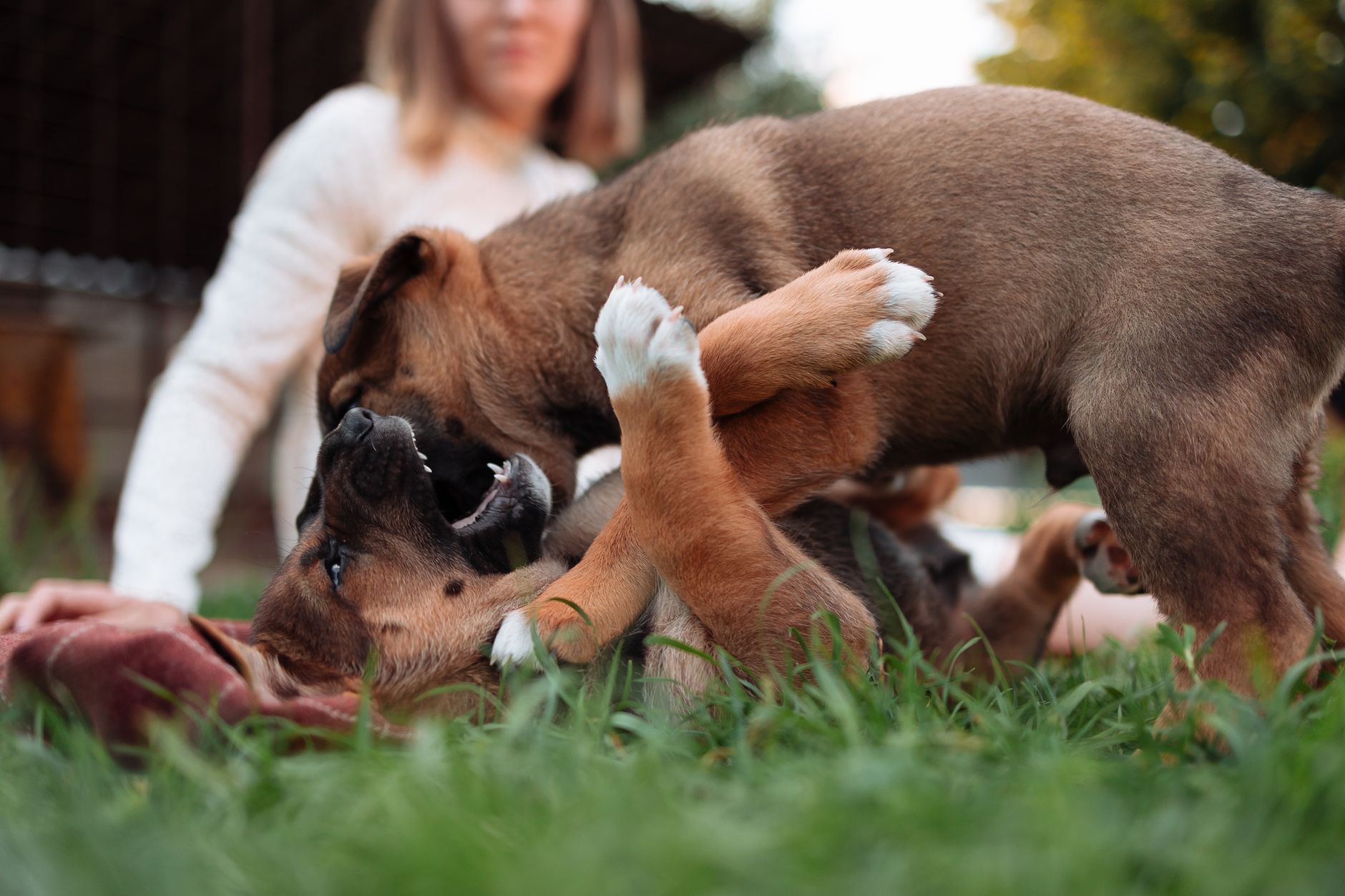
Puppies are naturally energetic and can become overly excited during playtime or social interactions. When they are thrilled, their heart rates increase, leading to faster breathing. This is typically a normal response and should subside once they calm down.
2. Heat and Temperature Regulation
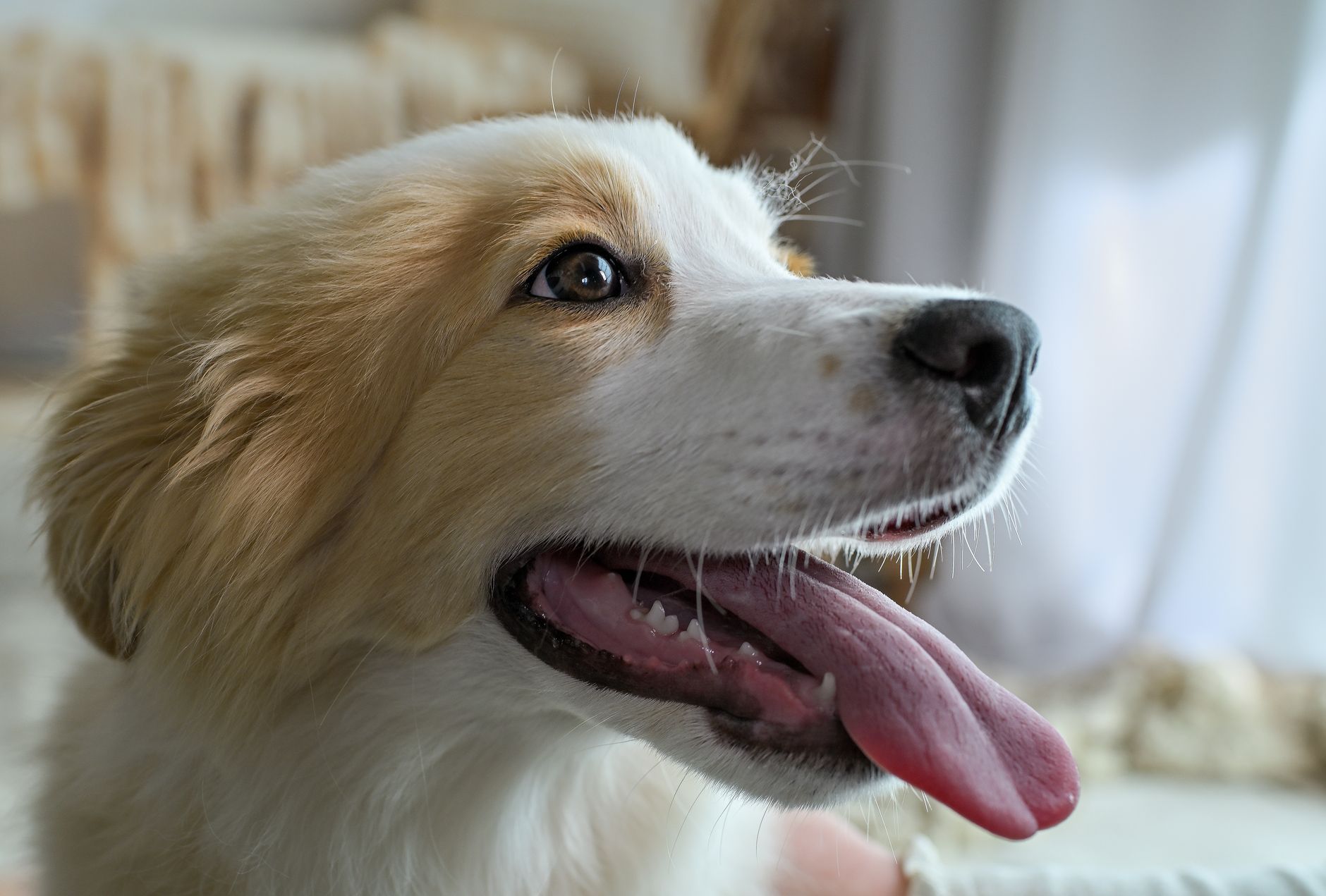
Puppies do not sweat like humans. Instead, they regulate their body temperature primarily through panting. If your puppy is breathing rapidly, especially in a warm environment, it may be trying to cool down. Ensuring your puppy has access to water and shade during hot weather is crucial.
3. Anxiety and Stress
New environments, loud noises, or separation from their owner can cause anxiety in puppies. When stressed, a puppy’s breathing may become rapid as they respond to the perceived threat. Identifying stressors and providing a safe, calm environment can help alleviate these symptoms.
4. Health Issues
While many instances of fast breathing are benign, certain health problems can lead to rapid respiration. Some possible health issues include:
- Respiratory Infections: Infections can cause inflammation in the airways, leading to difficulty breathing.
- Heart Problems: Conditions such as congestive heart failure can affect breathing patterns.
- Pneumonia: This infection in the lungs can cause severe respiratory distress.
When to Seek Veterinary Care
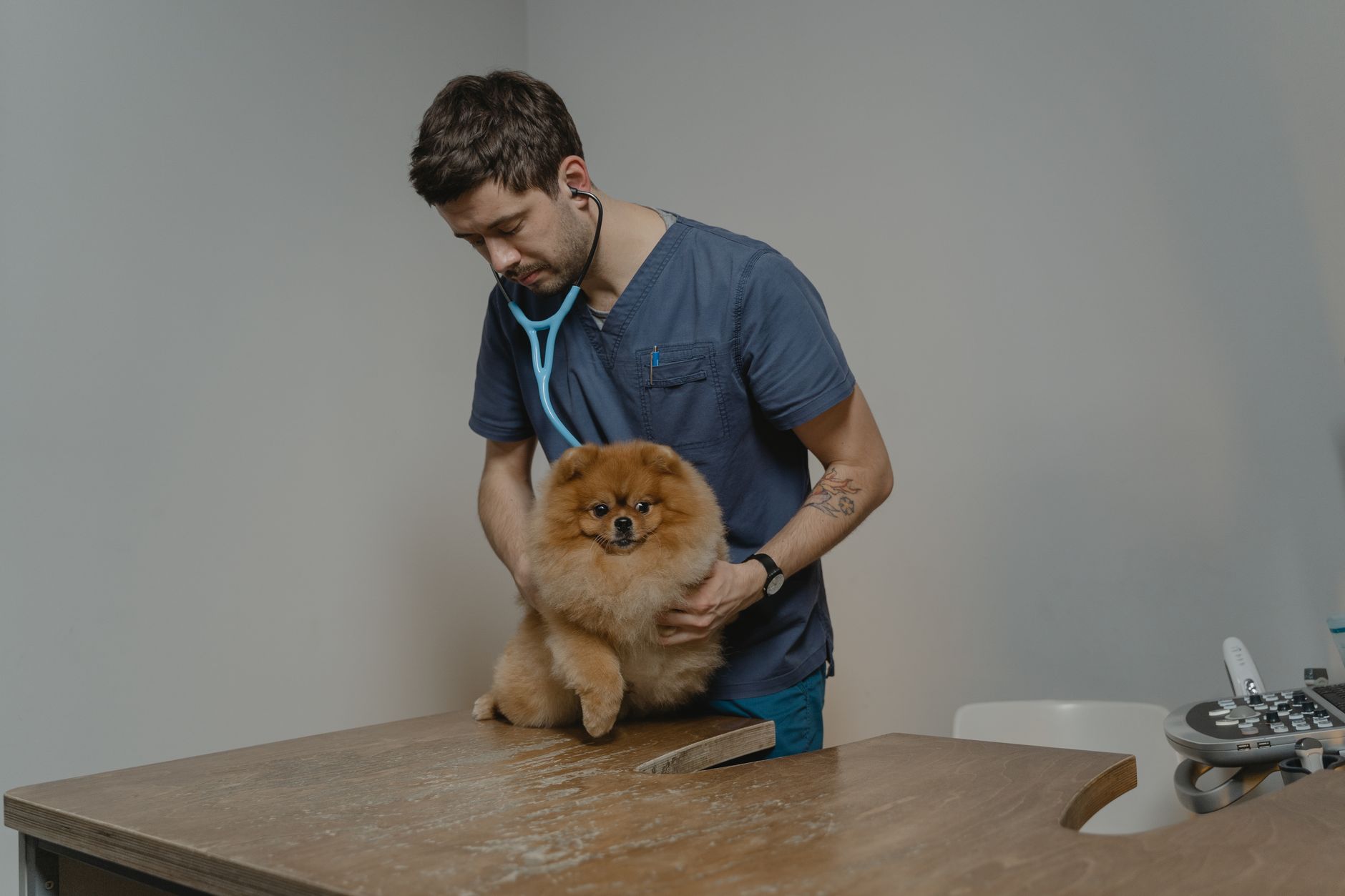
Determining when to call a veterinarian can be challenging. Here are some signs that indicate your puppy may need medical attention:
- Persistent Rapid Breathing: If your puppy’s fast breathing does not slow down after resting or calming down, it could be a problem.
- Labored Breathing: Signs of distress, such as open-mouth breathing or noticeable effort to breathe, should prompt immediate veterinary consultation.
- Changes in Behavior: If your puppy is lethargic, refuses to eat, or shows signs of pain, these are red flags.
Monitoring Your Puppy’s Health at Home
Being proactive about your puppy’s health can help you catch potential issues early. Here are some ways to monitor your puppy effectively:
- Observe Breathing Patterns: Keep track of your puppy’s normal resting respiratory rate.
- Check for Other Symptoms: Look for signs of coughing, sneezing, or nasal discharge that may accompany rapid breathing.
- Regular Vet Checkups: Schedule routine veterinary visits to catch any underlying health issues.
Tips for Caring for a Fast-Breathing Puppy
If your puppy is breathing rapidly, there are several steps you can take to help them feel more comfortable:
- Provide a Calm Environment: Reduce stressors by creating a quiet, safe space.
- Ensure Adequate Hydration: Always have fresh water available to help with temperature regulation.
- Limit Physical Activity: Avoid strenuous exercise during hot weather or if your puppy is already distressed.
Understanding the Role of Stress and Anxiety in Puppy Breathing
Common Stress Triggers for Puppies
Puppies, like humans, can experience stress and anxiety, which may manifest as rapid breathing. Common stress triggers include loud noises like thunderstorms, unfamiliar environments, and the presence of new people or animals. Puppies are particularly sensitive to changes in their routine, which can lead to anxiety and accelerated breathing patterns.
- Loud noises (fireworks, thunderstorms)
- Separation from owners
- New environments (moving to a new home)
- Interactions with unfamiliar pets or people
- Changes in daily routine (feeding times, walks)
Identifying Signs of Anxiety in Your Puppy
It is crucial to recognize the signs of anxiety in your puppy as these can indicate that their fast breathing is due to emotional distress rather than a physical issue. Look for behaviors such as excessive panting, pacing, hiding, or whining. Puppies may also exhibit destructive behaviors or lose interest in food when anxious.
- Panting without physical exertion
- Restlessness or inability to settle down
- Destructive chewing or digging
- Withdrawal from social interactions
- Changes in appetite
Ways to Alleviate Stress and Anxiety
Addressing your puppy’s anxiety can help manage their breathing patterns. Creating a safe space where your puppy feels secure can help reduce their stress levels. Consider using calming techniques such as gentle petting, soft music, or anxiety wraps. Additionally, engaging in regular play and exercise can help channel your puppy’s energy and reduce anxiety.
- Provide a designated safe space (crate or quiet room)
- Use calming music or white noise
- Engage in regular exercise and playtime
- Consider anxiety wraps or vests
- Consult with a veterinarian for anxiety medications if necessary
Physical Factors Contributing to Rapid Breathing
Temperature and Humidity Impacting Breathing
Temperature and humidity can significantly affect your puppy’s respiratory rate. Puppies are more susceptible to heat stress than adult dogs. During warm weather, they may breathe faster to help regulate their body temperature. It is essential to monitor your puppy’s breathing in hot or humid conditions, as overheating can lead to serious health issues.
- Provide plenty of fresh water
- Limit exercise during peak heat hours
- Ensure shade is available when outside
- Watch for excessive panting or lethargy
- Consider air conditioning or fans indoors
Impact of Physical Activity on Breathing Rates
Like humans, puppies will breathe faster during and after physical activity. Puppies are energetic, and their playtime can lead to increased respiratory rates. After intense activity, it is normal for them to pant heavily as a way to cool down. However, if the fast breathing persists long after the activity has ceased, it may warrant further investigation.
- Monitor breathing during and after playtime
- Allow for rest periods in between activities
- Watch for signs of overexertion (collapse, excessive panting)
- Gradually increase exercise intensity
- Hydrate your puppy post-activity
Underlying Health Conditions Affecting Breathing
Certain health conditions can contribute to rapid breathing in puppies. Conditions such as respiratory infections, heart issues, or even anemia can lead to abnormal breathing patterns. It is essential to be vigilant about any other symptoms your puppy may display and to consult a veterinarian if you suspect an underlying health issue. Symptoms such as coughing, lethargy, or a bluish tint to the gums should not be ignored.
- Respiratory infections (kennel cough, pneumonia)
- Heart conditions (congenital heart defects)
- Anemia or other blood disorders
- Obstructive conditions (foreign body in airway)
- Chronic lung disease
The Importance of Proper Socialization for Breathing Regulation
Socialization and Its Effects on Anxiety Levels
Proper socialization is vital for puppies as it helps them adapt to various environments and situations. A well-socialized puppy is less likely to experience anxiety when faced with new experiences, which can help regulate their breathing patterns. Gradually exposing your puppy to different people, pets, and environments can promote confidence and reduce stress.
- Introduce your puppy to new environments slowly
- Encourage positive experiences with other dogs
- Expose them to different sounds and sights (traffic, children)
- Reward calm behavior during new experiences
- Attend puppy classes for structured socialization
Building a Routine to Promote Calmness
Establishing a consistent daily routine can help reduce anxiety in puppies. Regular feeding, walking, and play schedules can create a sense of stability for them. When puppies know what to expect, they are less likely to become anxious, leading to more regulated breathing patterns.
- Set regular feeding times
- Incorporate daily walks at the same time
- Schedule play sessions to expend energy
- Establish a bedtime routine
- Provide mental stimulation with toys and puzzles
Using Positive Reinforcement to Encourage Calm Behavior
Utilizing positive reinforcement techniques can help encourage calm behavior in puppies, which in turn can promote normal breathing patterns. Rewarding your puppy for calm behavior with treats, praise, or affection can reinforce this behavior over time. Training sessions can also serve as an opportunity to teach your puppy to relax on command, further helping to manage their anxiety and breathing.
- Use treats to reward calmness during stressful situations
- Incorporate relaxation training into your routine
- Practice deep breathing exercises with your puppy
- Encourage quiet time in a designated area
- Be patient and consistent with training efforts
Understanding Environmental Influences on Breathing
Temperature and Humidity
Puppies are particularly sensitive to environmental conditions, such as temperature and humidity. High temperatures can lead to heat stress, causing an increase in respiration rate as the body attempts to cool down. It’s essential to monitor your puppy when outdoors, especially during hot weather.
- Provide plenty of fresh water.
- Limit outdoor activity during peak heat hours.
- Ensure access to shaded or air-conditioned spaces.
Similarly, high humidity can hinder a puppy’s ability to regulate its body temperature effectively, leading to rapid breathing. Always check the weather conditions before taking your puppy outside and plan activities accordingly.
Air Quality
Clean air is crucial for a puppy’s respiratory health. Pollutants such as smoke, dust, and allergens can irritate the respiratory system, leading to increased respiratory rates. Indoor air quality can be compromised by cigarette smoke, mold, or even strong cleaning chemicals.
- Regularly clean your home to reduce dust and allergens.
- Avoid smoking indoors.
- Use air purifiers to maintain better air quality.
If your puppy exhibits fast breathing in a specific environment, consider the potential irritants and take steps to improve the air quality.

Recognizing the Impact of Growth and Development
Growth Spurts
Puppies experience various growth spurts that can affect their metabolism and overall physiology, including their breathing patterns. During these periods, it is not uncommon for puppies to breathe more rapidly as their bodies adjust to new physical demands. Understanding that this is a natural part of growth can help alleviate concerns.
- Monitor your puppy’s weight and growth rate.
- Provide a balanced diet to support healthy development.
- Regular veterinary check-ups are essential during growth phases.
If rapid breathing coincides with other symptoms, such as lethargy or decreased appetite, seek veterinary advice.
Exercise and Energy Levels
Exercise is vital for a puppy’s physical and mental health, but it can also lead to temporary increases in breathing rate. After vigorous play or exercise, it is normal for puppies to breathe faster as their bodies recover. However, recognizing the difference between normal post-exercise breathing and concerning rapid breathing is crucial.
- Gradually increase exercise intensity.
- Monitor your puppy for signs of overexertion.
- Incorporate rest periods during playtime.
If rapid breathing persists long after exercise or is accompanied by coughing or wheezing, consult your veterinarian.
The Role of Nutrition in Respiratory Health
Impact of Diet on Breathing
Nutrition plays a vital role in a puppy’s overall health, including respiratory function. A balanced diet rich in essential nutrients can support lung health and overall vitality. Conversely, poor nutrition may lead to obesity, which can strain the respiratory system and contribute to rapid breathing.
- Choose high-quality puppy food with appropriate protein and fat levels.
- Avoid excessive treats that can lead to weight gain.
- Consult with a veterinarian for dietary recommendations.
Maintaining a healthy weight through proper nutrition can help mitigate any respiratory issues related to obesity.
Hydration and Breathing
Hydration is crucial for maintaining optimal respiratory function. Dehydration can lead to thicker mucus in the airways, potentially causing difficulty in breathing. Ensure your puppy always has access to fresh water, especially during hot weather or after exercise.
- Monitor water intake daily.
- Encourage drinking by providing fresh water regularly.
- Consider adding water to dry food for better hydration.
By ensuring adequate hydration and proper nutrition, you can support your puppy’s respiratory health and overall well-being.
Frequently Asked Questions
1. Is fast breathing normal for puppies?
Yes, fast breathing can be normal, especially after exercise or during excitement. However, it should return to a normal rate once your puppy calms down.
2. What should I do if my puppy is breathing fast?
If your puppy is breathing fast but seems otherwise healthy, ensure they are cool and calm. If rapid breathing persists or is accompanied by other symptoms, contact your vet.
3. Can fast breathing indicate a serious problem?
Yes, while it can be normal, fast breathing may also indicate serious health issues, such as respiratory infections or heart problems. Always err on the side of caution and consult a veterinarian if you’re concerned.
4. How can I tell if my puppy is in distress?
Signs of distress include labored breathing, lethargy, refusal to eat, or unusual behavior. If you notice any of these signs, seek veterinary care promptly.
The Bottom Line
Understanding why your puppy is breathing fast is vital for their health and well-being. While fast breathing can often be attributed to excitement, heat, or anxiety, it is crucial to remain vigilant and monitor for any signs of distress or illness. Always consult with a veterinarian if you have concerns about your puppy’s breathing patterns. Taking proactive steps to care for your puppy and ensuring regular veterinary visits can help maintain their health and happiness.
Note: This article is for general information only and is not medical advice. See a qualified health professional about your own situation.
