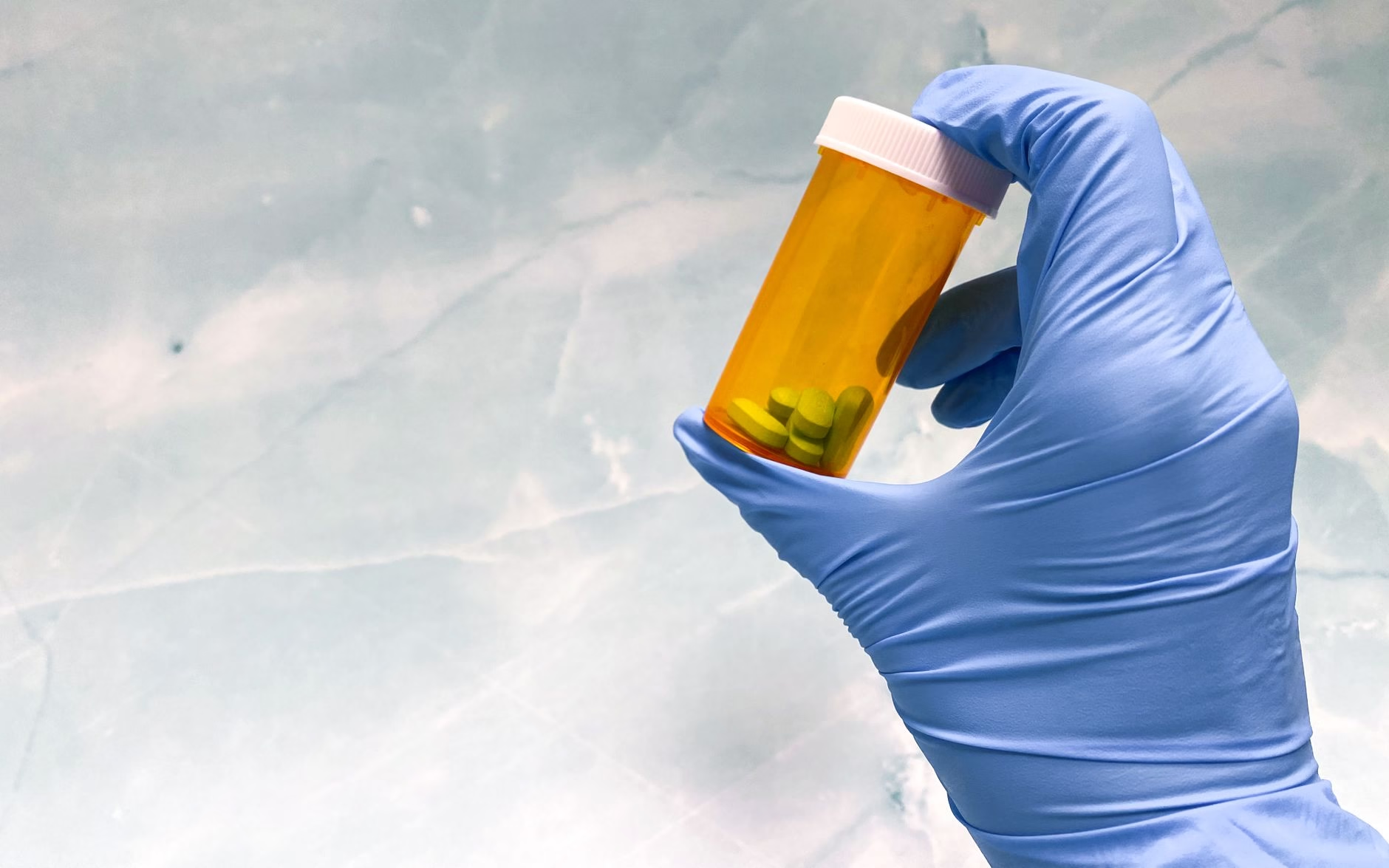
sertraline and alcohol are topics for people starting antidepressant therapy. This article explains how mixing them can affect mood, sleep, and safety. Readers will learn steps to reduce risk, recognize warning signs, and decide when professional help is wise today.
Many people ask whether it is safe to drink while taking sertraline. The answer depends on dose, timing, health status, and how alcohol affects mood. Short term effects include drowsiness or dizziness, while long term risks affect mood stability too.
Psychoactive interactions happen when alcohol and sertraline combine. Even moderate drinking can dull judgment and slow reaction times, which worsens safety if driving or operating machinery. Rarely, the combination may raise serotonin signals and agitation, though this is uncommon overall.
People who take sertraline should plan for careful routines. If alcohol is used, set clear limits, monitor mood, and report any unusual sleep changes or headaches to a clinician. Understanding this topic helps reduce harm and improve daily safety overall.
This article provides a practical framework for readers. It covers how sertraline works, how alcohol affects the brain, and what signs require urgent care. Throughout, the guidance stays rooted in safety, evidence, and the patient’s personal goals for daily health.
Key Takeaways
| Takeaway | Why it matters |
|---|---|
| Avoid mixing sertraline and alcohol to reduce side effects. | Intensified sedation and dizziness can occur when both substances are used together. |
| Discuss sertraline and alcohol with your clinician before drinking. | Personal health history can change risks and requires tailored guidance. |
sertraline and alcohol: interactions to know
Understanding how sertraline works helps explain why alcohol matters. In many cases, sertraline and alcohol affect the brain in similar ways, though symptoms vary. People should monitor mood, sleep, and energy levels when combining these substances with careful daily practices.
Moderate alcohol can still interact with sertraline and alcohol, potentially raising side effects. People may notice more dizziness, blurred vision, or headaches in the hours after drinking, especially when starting therapy or adjusting dose. That is why careful limits matter for safety.
Practical steps include setting a personal limit and logging how you feel after drinking. When sertraline and alcohol are involved, timing matters. Avoid late or heavy drinking and talk with your clinician about safe patterns. This helps lessen unwanted effects.
Understanding sertraline
Sertraline is a medicine used for depression, anxiety, and related conditions. It helps adjust brain chemicals that affect mood. People may begin feeling better after several weeks, but it needs consistent use and regular follow ups with a health professional.
Sertraline works by affecting serotonin, a brain chemical that influences how we feel. It is not a cure, but it can help balance mood when used with other healthy habits. People should take the medicine as prescribed and avoid skipping doses.
Common side effects can include sleep changes, nausea, and dry mouth. Most side effects are mild and fade with time. If side effects persist or worsen, a clinician may adjust the dose or suggest supportive strategies to ease them.
Adherence is important for effectiveness. Skipping doses or stopping suddenly can cause withdrawal-like symptoms or a return of mood symptoms. A clinician can guide tapering if stopping sertraline is needed for any reason.
Patients are encouraged to share all medicines, supplements, and alcohol use with their doctors. Interactions can change how well sertraline works or increase risk of adverse effects. Keeping a clear list helps clinicians tailor care to each person’s needs.
Effects of Alcohol on the Brain and Body
Alcohol is a central nervous system depressant. It slows brain activity and can alter mood, judgment, and memory. When a person drinks heavily, the risk of accidents, sleep disruption, and mood swings tends to rise sharply.
Regular or binge drinking can impair sleep quality and daytime functioning. It may worsen anxiety or depression symptoms, which challenges the goals of sertraline therapy. People should recognize that alcohol can undermine the benefits of prescribed mental health treatment.
Alcohol also interacts with the liver and how medications are broken down. In some cases, it can alter the way sertraline is metabolized, potentially changing blood levels and side effects. Monitoring by a clinician helps keep therapy safe and effective.
Long-term alcohol use adds new health risks, including liver disease, high blood pressure, and cognitive changes. While moderate drinking is common, people on sertraline should consider personal health history, family history, and current mood when deciding about alcohol.
Some people use alcohol as a coping mechanism for stress or sleep problems. This behavior can create a cycle of mood disruption and poor sleep. Alternatives like regular exercise, mindfulness, or personalized therapy plans can provide safer relief.
When people use alcohol with sertraline, it is important to consider timing. Drinking soon after taking a dose may increase sedation or dizziness. Spacing alcohol use from the time of medication can help some individuals manage side effects better.
Interactions and Safety in Daily Life
Clinicians generally recommend avoiding alcohol during the first weeks of sertraline treatment or if side effects occur. Early periods of therapy may show greater sensitivity to alcohol’s effects, so staying sober during initiation can help safety and mood stabilization.
For some people, small amounts of alcohol may be tolerated without severe symptoms. However, individual responses vary. People with liver problems, a history of mood disorders, or who take other sedating medicines should be especially cautious about drinking while on sertraline.
Safety plans can include having a trusted friend to help monitor responses after drinking, keeping emergency numbers handy, and knowing when to seek urgent care. These steps can improve safety while maintaining ongoing treatment goals.
Healthcare teams may tailor recommendations to each patient, considering age, weight, other medications, and overall health. Open communication helps align treatment plans with personal values and daily routines, supporting safer choices when alcohol is involved.
People who have difficulty limiting drinking or who struggle with alcohol use disorder should discuss this with their clinician. In some cases, alternative treatments or additional therapies may be needed to protect mood and safety during sertraline therapy.
Using a checklist approach—medication lists, mood tracking, and sleep logs—helps patients notice subtle changes early. If mood worsens after drinking, or if new symptoms arise, contacting a clinician promptly is essential for timely adjustment.
Clinical Guidelines and Medical Opinions
Many health authorities advise caution about alcohol use during antidepressant therapy. While not every person will have the same experience, safety concerns are widely acknowledged, and clinicians emphasize individualized plans based on health status and treatment goals.
A common message from experts is to discuss alcohol use before or during sertraline treatment. Personal histories of alcohol misuse, liver disease, or interactions with other medicines can alter risk. Clinicians tailor guidance to minimize adverse effects and maximize benefits.
In practice, clinicians may encourage patients to drink only on days without dosing or to abstain entirely during initiation. They may also propose behavioral supports, such as therapy or support groups, to help patients balance mood health with social or alcohol-related activities.
Professionals stress monitoring for serotonin syndrome, a rare but serious condition. Early signs include confusion, agitation, fever, and abnormal heart rate. Immediate medical care is essential if signs emerge, especially when sertraline is combined with alcohol or other substances.
Risks, Warning Signs, and When to Seek Help
Recognizing warning signs can prevent harm. Worsening dizziness, fainting, chest pain, confusion, or severe mood changes after drinking warrants urgent evaluation. People should not ignore persistent symptoms and should seek medical help promptly when they occur.
Persistent sleep problems, increased anxiety, or depressive symptoms after alcohol use on sertraline may signal the need for dose adjustment or a change in treatment plan. A clinician can help determine whether the benefits of ongoing therapy outweigh potential risks.
Some symptoms may emerge gradually. Ongoing mood changes, memory problems, or unusual behavior should be assessed by a professional. Early intervention improves safety and supports consistent progress toward mental health goals.
Prevention and Safe Practices
Moderation is a key concept when combining medications with alcohol. People should know their own limits, track mood and sleep, and adjust patterns to minimize risk. A careful approach supports steady progress while respecting personal values and health goals.
Strategies for prevention include using reminders for dosing, scheduling regular check-ins with a clinician, and seeking social support when planning to drink. These steps help identify early changes in mood or function and allow timely action.
Alternatives to alcohol can protect mood and sleep. Non-alcoholic beverages, controlled social activities, and stress-management tools can offer enjoyment without interfering with sertraline. Building a healthy daily routine can reduce the urge to drink in the long term.
Special Populations
Pregnant or breastfeeding individuals require careful consideration of all medications, including sertraline. They should discuss risks and benefits with a clinician to plan the safest approach for both parent and baby. Alcohol use during pregnancy carries known risks as well.
People with a history of alcohol misuse need tailored guidance. Addiction specialists may address triggers and develop a plan that supports mood health while reducing drinking. Integrated care helps minimize relapse risk and supports a safer therapy path with sertraline.
Individuals with co-occurring mental health conditions should receive comprehensive care. Coordinated treatment across specialists ensures safety, as alcohol can affect symptoms and interact with medications. Clear communication among providers helps optimize therapy and daily functioning.
sertraline and alcohol remain a topic with many nuances, and readers should consult their clinician about personal plans. The information here provides a foundation, but it does not replace professional care. Ongoing communication is essential to stay safe while pursuing mental health goals.
Frequently Asked Questions
Can I drink alcohol while taking sertraline?
Most clinicians advise avoiding alcohol while on sertraline, as it can increase side effects and reduce the effectiveness of the medicine. Individual responses vary, but safety is improved when alcohol is limited or avoided during treatment.
What are the risks of mixing sertraline and alcohol?
Risks include increased sedation, dizziness, impaired judgment, and the rare risk of serotonin syndrome. The combination can also worsen mood symptoms or sleep problems, especially during dose changes or early in therapy. Personal medical history matters greatly in risk assessment.
Does drinking alcohol affect how sertraline works?
Yes, alcohol can affect how sertraline works by altering brain chemistry and sleep patterns. It may lessen therapeutic benefits for mood disorders and increase the likelihood of side effects. Discussing drinking plans with a clinician helps tailor guidance.
Can I drink alcohol occasionally while on sertraline?
Occasional drinking may be less risky for some people, but it still carries potential harm. Moderation is important, and patients should discuss their drinking habits with a clinician to determine any personal safety limits.
What should I do if I accidentally drank alcohol while on sertraline?
If you notice symptoms like severe dizziness, confusion, rapid heartbeat, or chest pain, seek urgent medical advice. If you feel consistently unwell after drinking, contact a clinician for guidance and consider delaying the next dose until evaluated.
Is there a safe amount of alcohol I can consume with sertraline?
There is no universally safe amount. If you choose to drink, keep it minimal and discuss with your doctor. Some people may be advised to avoid alcohol entirely during sertraline therapy.
Can alcohol increase side effects of sertraline?
Yes, alcohol can heighten side effects such as drowsiness, dizziness, and nausea. It may also worsen mood symptoms. People should monitor how they feel after drinking and talk to a clinician about any changes.
What are signs of serotonin syndrome I should watch for?
Look for confusion, agitation, rapid heartbeat, high blood pressure, dilated pupils, sweating, and tremor. If these signs occur, seek immediate medical attention. Serotonin syndrome is rare but serious and requires prompt evaluation and treatment.
Sources
- National Institute on Alcohol Abuse and Alcoholism (NIAAA)
- U.S. Food and Drug Administration (FDA)
- Mayo Clinic – Sertraline (Zoloft)
- Drugs.com – Sertraline and Alcohol interactions
- MedlinePlus – Sertraline
Internal references for readers seeking deeper context within this site include practical guides and safety tips. For more on how these medicines affect daily life, see the article on zoloft and alcohol for a broader view. Readers may also review our section on sertraline side effects to understand common responses. If you want to know how long side effects last, consult our guide at how long sertraline side effects last.