Key Takeaways
- Sinus infections can lead to serious complications, including brain abscesses.
- Recognizing symptoms early can be vital for treatment.
- Seek immediate medical help if experiencing severe symptoms.
- Prevention strategies can minimize the risk of sinus infections.
Understanding Sinus Infections and Brain Abscesses
Sinus infection brain abscess symptoms are critical to recognize as they can indicate a serious health issue. A sinus infection, also known as sinusitis, occurs when the cavities around the nasal passages become inflamed. In some cases, this inflammation can lead to complications, including the formation of a brain abscess, a pocket of pus that forms in the brain due to infection. This article will explore the symptoms associated with such complications, the causes, risk factors, and the importance of timely medical intervention.
It is essential to understand that while sinus infections are common and often mild, they can lead to severe health issues if left untreated. A brain abscess, although rare, is a serious condition that requires immediate medical attention. By becoming familiar with the sinus infection brain abscess symptoms, individuals can make informed decisions about their health and seek care when necessary.
In this article, we will delve deeper into the symptoms, risk factors, and preventive measures for sinus infections that could potentially lead to a brain abscess.
What Is a Sinus Infection?
A sinus infection occurs when the sinus cavities become inflamed, usually due to infection from viruses, bacteria, or fungi. Symptoms typically include nasal congestion, facial pain, and pressure, among other discomforts. Understanding the nature of sinus infections is vital for recognizing potential complications.
Sinus infections may be classified into two main types: acute and chronic. Acute sinusitis lasts for a short duration, often improving within a week. Chronic sinusitis, on the other hand, lasts for an extended period and may recur frequently. Both types can lead to complications if not treated appropriately.
Common causes of sinus infections include:
- Viral infections, such as the common cold.
- Bacterial infections, which may require antibiotics.
- Allergies that contribute to inflammation and mucus production.

What Is a Brain Abscess?
A brain abscess is a localized infection within the brain that leads to the formation of pus. This condition can arise from various sources, including infections from sinusitis, dental infections, or even infections originating elsewhere in the body.
Brain abscesses can cause significant neurological issues, depending on their size and location. They can increase intracranial pressure and lead to severe complications if not treated promptly. Symptoms may vary widely based on the abscess’s area in the brain.
Some common causes of brain abscesses include:
- Direct spread of infection from nearby structures, such as sinuses or ears.
- Hematogenous spread, where bacteria enter the bloodstream and travel to the brain.
- Trauma or surgery that introduces pathogens into the brain tissue.
Recognizing Sinus Infection Brain Abscess Symptoms
It is crucial to be vigilant about the symptoms that may indicate a sinus infection brain abscess. Early recognition of these symptoms can lead to timely diagnosis and treatment, potentially saving lives.
Common symptoms of a sinus infection may include:
- Nasal congestion and blockage.
- Pain or pressure around the eyes, cheeks, or forehead.
- Thick nasal discharge, which may be yellow or green.
When a sinus infection progresses to a brain abscess, symptoms may escalate to more severe manifestations, including:
- Severe headache that may not respond to over-the-counter pain medications.
- Changes in vision, such as blurred or double vision.
- Fever and chills, indicating a systemic response to infection.
- Nausea and vomiting, often due to increased pressure in the brain.
- Neurological deficits, such as weakness on one side of the body or difficulty speaking.
Symptoms Table
| Symptom | Indicates Sinus Infection | Indicates Potential Brain Abscess |
|---|---|---|
| Headache | Common, often localized | Severe, persistent, worsening |
| Nasal Discharge | Thick, yellow/green | May not change significantly |
| Fever | Mild to moderate | High fever, systemic symptoms |
| Vision Changes | Uncommon | Blurred or double vision |
When to Seek Medical Attention
If you experience any combination of the symptoms listed above, especially if they worsen or do not improve with typical sinus infection treatments, it is essential to seek medical attention promptly. This is particularly important if you experience:
- A sudden onset of severe headache.
- Neurological symptoms such as weakness or confusion.
- Persistent fever despite treatment.
Risk Factors for Developing a Brain Abscess
Certain individuals may be more susceptible to developing a brain abscess following a sinus infection. Understanding these risk factors can help in identifying those at greater risk and ensuring they receive appropriate care.
Some of the key risk factors include:
- Immunocompromised states: Individuals with weakened immune systems, such as those with HIV/AIDS or undergoing chemotherapy, are at a higher risk.
- Chronic sinusitis: Those with a history of recurrent sinus infections may be more likely to develop complications.
- Previous head injuries or surgeries: Trauma to the head or surgical procedures can increase the risk of infections.
Additionally, individuals with conditions like diabetes or those who smoke may also have an increased risk of developing a brain abscess due to compromised immune responses.
Preventative Measures for Sinus Infections
Preventing sinus infections can help reduce the risk of complications, including brain abscesses. Here are some effective strategies:
- Maintain good nasal hygiene: Regularly blowing your nose and using saline nasal sprays can help keep sinuses clear.
- Avoid allergens: If you have allergies, working with a healthcare provider to manage them can decrease the likelihood of sinus infections.
- Stay hydrated: Drinking plenty of fluids helps to thin mucus and promotes drainage.
- Practice good oral hygiene: Regular dental check-ups can prevent infections that might spread to the sinuses.

Complications Associated with Sinus Infections
Types of Complications
Sinus infections, if left untreated, can lead to various complications that may affect both the sinus cavities and other areas of the body. Some common complications include:
- Orbital Cellulitis: This is an infection of the eye socket that can occur when sinus infections spread to the nearby orbital tissues.
- Meningitis: A severe complication where the infection can reach the protective membranes covering the brain and spinal cord.
- Osteomyelitis: The infection can spread to the bones surrounding the sinuses, leading to bone infections.
Understanding these complications is crucial for early recognition and treatment. Each of these conditions can have serious implications if not addressed promptly.
Symptoms of Complications
Recognizing the symptoms of complications from sinus infections is imperative for timely medical intervention. Symptoms may vary based on the type of complication but generally include:
- Increased swelling and redness around the eyes.
- Fever and chills.
- Severe headache that does not respond to over-the-counter medications.
- Changes in vision or double vision.
- Stiff neck and sensitivity to light.
If any of these symptoms occur, it is essential to seek medical attention immediately. Early diagnosis can significantly improve outcomes.
Prevention of Complications
Preventing complications from sinus infections involves both proactive health measures and timely treatment of sinusitis. Here are some strategies:
- Maintain good nasal hygiene by using saline nasal sprays or rinses.
- Treat allergies and nasal congestion promptly to reduce the risk of infections.
- Consult healthcare providers for persistent or recurrent sinus symptoms.
- Stay hydrated and practice good hand hygiene to minimize infection risk.
By taking these preventive measures, individuals can reduce the likelihood of developing serious complications from sinus infections.
The Diagnostic Process for Brain Abscesses
Initial Assessments
The diagnostic process for a brain abscess typically begins with a comprehensive clinical evaluation. Healthcare professionals will perform a detailed medical history and physical examination to identify symptoms that may suggest an abscess. Key areas of focus during the assessment include:
- Neurological examination to check for changes in cognitive function or motor skills.
- Assessment of existing sinus infections or other potential sources of infection.
- Inquire about recent infections, travel history, or exposure to infectious diseases.
These initial assessments are critical in guiding further diagnostic testing and appropriate treatment plans.
Imaging Studies
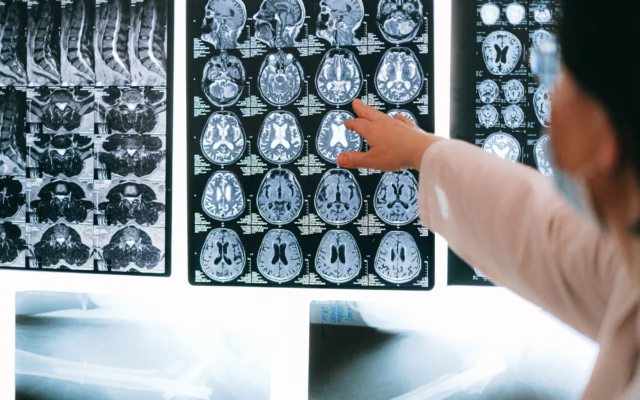
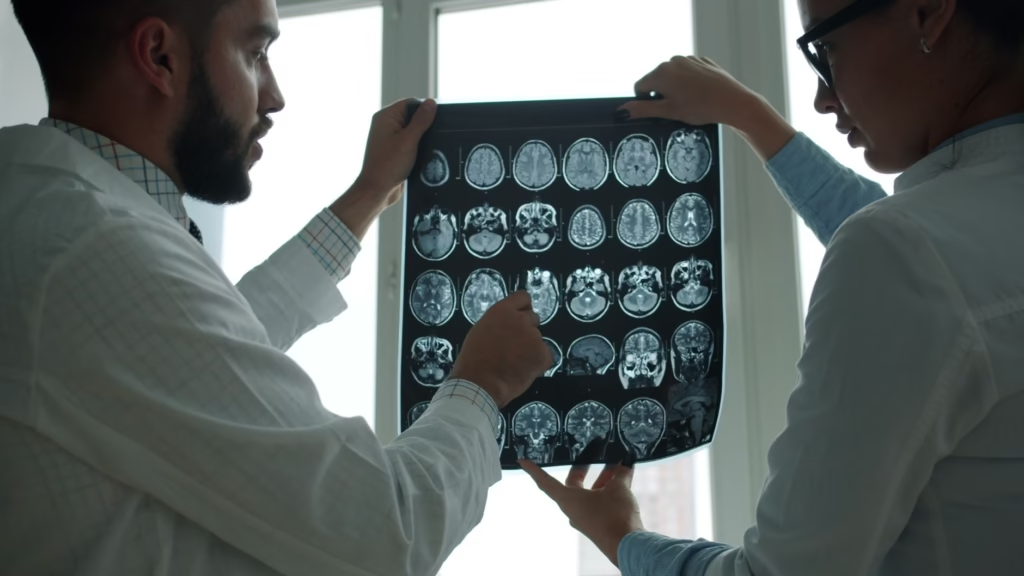
Imaging studies play a crucial role in diagnosing a brain abscess. The two primary imaging modalities used are:
- CT Scans: Computed tomography is often the first imaging technique used, as it can quickly reveal the presence of an abscess and help differentiate it from other brain lesions.
- MRI Scans: Magnetic resonance imaging provides more detailed images of brain structures and is particularly useful for identifying the size and location of the abscess.
These imaging techniques help healthcare providers make informed decisions about management strategies, including surgical intervention if necessary.
Laboratory Testing
In addition to imaging studies, laboratory tests may be conducted to identify the causative organisms behind the brain abscess. Common tests include:
- Blood Cultures: These tests can help identify bacteria or fungi in the bloodstream that may have contributed to the abscess.
- Cerebrospinal Fluid Analysis: If a lumbar puncture is deemed safe, analyzing the CSF can provide insights into the infection and its severity.
Laboratory testing is essential to ensure appropriate antibiotic or antifungal therapy is initiated based on the identified pathogens.
Treatment Options for Sinus Infection Brain Abscess
Antibiotic Therapy
Effective treatment for a brain abscess caused by a sinus infection often begins with antibiotic therapy. The choice of antibiotics depends on the suspected or confirmed organisms causing the infection. Commonly used antibiotics include:
- Vancomycin: Effective against resistant strains of bacteria.
- Metronidazole: Often used for anaerobic bacterial infections.
- Ceftriaxone: A broad-spectrum antibiotic that targets various bacteria.
Duration of antibiotic therapy typically ranges from several weeks to months, depending on the infection’s severity and the patient’s response to treatment.
Surgical Intervention
In cases where the brain abscess is large, presents significant pressure on brain structures, or does not respond to medical management, surgical intervention may be necessary. Surgical options include:
- Abscess Drainage: This procedure involves removing the pus and infected material to relieve pressure and promote healing.
- Craniectomy: In severe cases, a portion of the skull may be removed to access and treat the abscess effectively.
Surgical intervention is often combined with antibiotic therapy to ensure comprehensive management of the infection.
Supportive Care
Supportive care is an essential component of the treatment plan for patients with a brain abscess. This may include:
- Monitoring neurological status closely to detect any changes or deterioration.
- Managing symptoms such as fever, pain, and seizures with appropriate medications.
- Providing nutritional support, especially if the patient has difficulty eating.
Supportive care aims to provide comprehensive management while the primary treatment is underway, facilitating recovery and improving outcomes.
Potential Long-Term Effects of Brain Abscesses
Cognitive Impairments
Brain abscesses can lead to various cognitive impairments depending on their location and size. Patients may experience memory loss, difficulty concentrating, or problems with executive function. These changes can significantly impact daily activities and quality of life.
- Short-term memory loss
- Difficulty with problem-solving
- Reduced attention span
Neuropsychological evaluations can help assess these cognitive changes. Early intervention with cognitive rehabilitation may improve outcomes.
Emotional and Behavioral Changes
Individuals with a history of brain abscesses may also experience emotional and behavioral changes. This can include increased irritability, mood swings, and anxiety. Such symptoms often arise from the brain’s altered functioning or as a response to the stress of dealing with a serious health issue.
- Anxiety disorders
- Depression
- Changes in personality
Support from mental health professionals can aid in managing these changes effectively.
Rehabilitation After Brain Abscess Treatment
Physical Rehabilitation
Following treatment for a brain abscess, physical rehabilitation may be necessary to recover lost motor skills and strength. Physical therapists will create personalized exercise regimens to help regain mobility and function. This rehabilitation can be crucial for improving overall quality of life.
- Strength training exercises
- Coordination and balance activities
- Range of motion exercises
Progress is usually monitored closely, with adjustments made to the rehabilitation plan as needed.
Speech and Language Therapy
In some cases, brain abscesses may affect communication abilities. Speech and language therapy can help address these issues, focusing on improving speech clarity, language comprehension, and cognitive communication. These therapies can significantly enhance social interaction and personal expression.
- Articulation exercises
- Language games and activities
- Strategies for effective communication
Regular sessions with a speech-language pathologist can help individuals regain their communication skills.
Understanding the Immune Response to Sinus Infections
Immune System Activation
When a sinus infection occurs, the body’s immune system mobilizes to fight off the infection. This involves various white blood cells and immune mediators that work together to eliminate pathogens. In some cases, an overly aggressive immune response can lead to tissue damage, potentially resulting in a brain abscess.
- Neutrophils: Essential in the early stages of infection
- Lymphocytes: Key players in developing the adaptive immune response
- Cytokines: Proteins that mediate and regulate immunity and inflammation
Understanding how the immune response works can help in developing targeted therapies for preventing complications.
Chronic Sinusitis and Its Implications
Chronic sinusitis may lead to ongoing inflammation and congestion, increasing the risk for concurrent infections, including brain abscesses. Individuals with chronic sinusitis should be monitored closely for signs of complications, ensuring timely medical intervention when symptoms worsen.
- Persistent nasal congestion
- Frequent headaches
- Facial pain or pressure
Management strategies for chronic sinusitis can include medication, lifestyle changes, and sometimes surgical options to improve drainage and reduce inflammation.
Frequently Asked Questions
Can a sinus infection cause a brain abscess?
Yes, a sinus infection can lead to a brain abscess if bacteria from the sinuses spread to the brain. This is a rare but serious complication.
What are the first signs of a brain abscess?
Early signs of a brain abscess may include persistent headaches, fever, nausea, and neurological changes such as confusion or weakness.
How is a brain abscess diagnosed?
A brain abscess is typically diagnosed through imaging studies such as MRI or CT scans, along with a thorough medical history and physical examination.
What is the treatment for a brain abscess?
Treatment for a brain abscess often involves antibiotics to eliminate the infection and may require surgical intervention to drain the abscess.
The Bottom Line
Recognizing sinus infection brain abscess symptoms is crucial for timely intervention. While sinus infections are common and often manageable, complications can arise, leading to severe health concerns such as brain abscesses. Understanding the symptoms and risk factors can aid in prevention and ensure that individuals seek medical attention when necessary.
If you suspect you or someone you know may be experiencing severe symptoms of a sinus infection or brain abscess, do not hesitate to consult a healthcare professional for proper evaluation and treatment.
Note: This article is for general information only and is not medical advice. See a qualified health professional about your own situation.