

Key Takeaways
- Sinus infections in dogs can cause sneezing and nasal discharge.
- Common symptoms include coughing, difficulty breathing, and facial swelling.
- Treatment usually involves veterinary care and may include medications.
- Always consult a veterinarian for an accurate diagnosis and appropriate treatment.
Understanding Sinus Infections in Dogs
Sinus infection symptoms in dogs can be concerning for any pet owner. Just like humans, dogs can suffer from sinus infections, which are medically known as sinusitis. This condition results from inflammation of the sinuses, often due to infections, allergies, or other underlying health issues. Recognizing the symptoms early can lead to prompt treatment and ensure your furry friend remains healthy.
Sinus infections can be acute or chronic. Acute sinusitis occurs suddenly and lasts a short duration, while chronic sinusitis may persist for weeks or recur frequently. Understanding the symptoms and causes of sinus infections in dogs can help you provide the best care for your pet.
In this article, we will discuss the various sinus infection symptoms in dogs, their causes, and what you should do if you suspect your dog has a sinus infection. This information is designed to help you identify signs early and seek veterinary advice when necessary.
Common Symptoms of Sinus Infections in Dogs
When a dog suffers from a sinus infection, the symptoms can vary depending on the severity of the condition. Here are some of the most common symptoms you may observe:
- Nasal Discharge: One of the hallmark signs of a sinus infection is nasal discharge. This may be clear, yellow, or green, indicating the type of infection.
- Sneezing: Frequent sneezing can occur as your dog tries to clear the irritation in their nasal passages.
- Coughing: A persistent cough may develop, particularly if the infection affects the throat or if mucus drips down.
- Facial Swelling: In some cases, you may notice swelling around the dog’s face, especially near the eyes and snout.
- Difficulty Breathing: If the sinuses are severely blocked, your dog may struggle to breathe normally.
- Loss of Appetite: A dog that feels unwell may show a decreased interest in food.
- Lethargy: Your dog may appear tired or less active than usual.
Detailed Symptoms Breakdown
Identifying specific symptoms can help you understand the severity of a sinus infection. Here’s a detailed breakdown:
| Symptom | Description | Possible Severity |
|---|---|---|
| Nasal Discharge | Fluid coming from the nose, which can vary in color | Can indicate infection severity |
| Sneezing | Repeated quick inhalation through the nose | Commonly seen in mild cases |
| Facial Swelling | Swelling around the face and jaw | May indicate a more serious issue |
| Difficulty Breathing | Labored or heavy breathing | Requires immediate veterinary attention |
Causes of Sinus Infections in Dogs
Understanding the causes of sinus infections can help you take preventive measures. Sinus infections in dogs can be triggered by several factors:
- Infections: Bacterial, viral, or fungal infections can lead to sinusitis. Upper respiratory infections are often the starting point.
- Allergies: Allergens such as pollen, dust mites, or mold can cause inflammation in the nasal passages, leading to secondary infections.
- Dental Issues: Problems with teeth, particularly those in the upper jaw, can lead to sinus infections as bacteria may spread from the teeth to the sinuses.
- Foreign Objects: Sometimes, foreign objects lodged in the nasal passages can cause irritation and lead to infections.
- Environmental Factors: Exposure to smoke, chemicals, or other irritants can contribute to the development of sinusitis.
Understanding Infection Types
It’s essential to differentiate between the types of infections that can affect your dog:
- Bacterial Infections: These are often the most common and can arise from other infections or injuries.
- Viral Infections: Viruses can cause sinusitis, but they usually resolve on their own unless secondary bacterial infections occur.
- Fungal Infections: Less common, these can occur, especially in dogs with compromised immune systems.
Diagnosis of Sinus Infections in Dogs
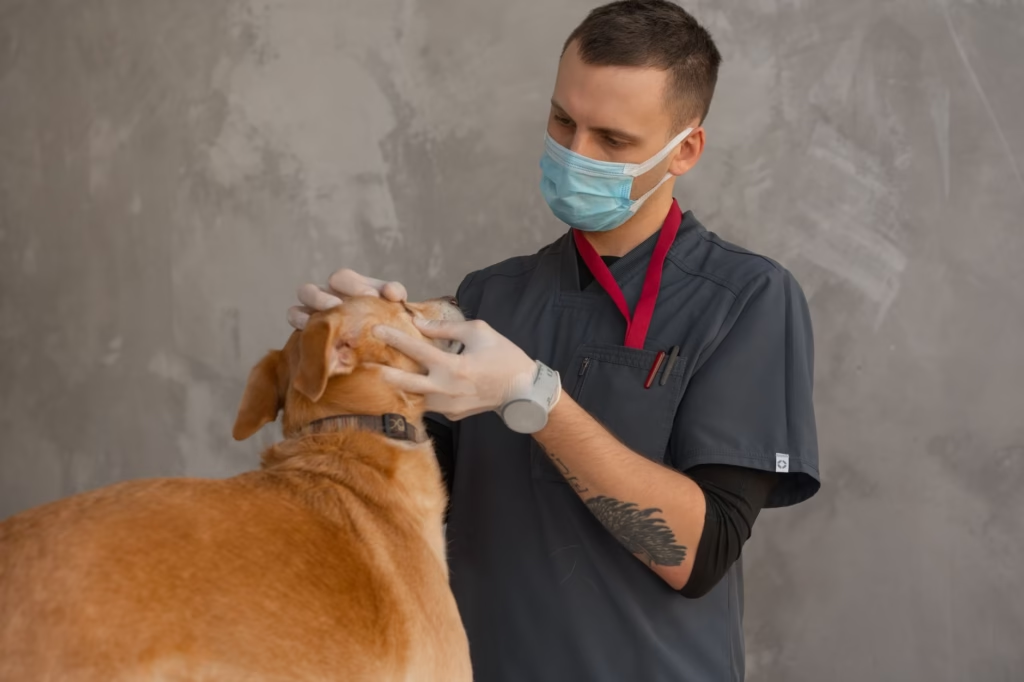
If you suspect your dog has a sinus infection, it’s crucial to consult a veterinarian for a proper diagnosis. The vet will typically follow these steps:
- Physical Examination: The vet will check your dog’s nose, mouth, and overall health to identify any visible signs of infection.
- Medical History: Providing a detailed history of your dog’s symptoms, environment, and any previous health issues can help the vet make an accurate diagnosis.
- Diagnostic Tests: In some cases, the vet may recommend X-rays or other imaging tests to view the sinus cavities and check for blockages or abnormalities.
When to See a Veterinarian
It’s important to know when to seek veterinary care for your dog:
- If your dog is experiencing difficulty breathing or severe nasal discharge.
- If symptoms persist for more than a few days or worsen.
- If your dog shows signs of pain, such as whining or reluctance to be touched around the face.
Treatment Options for Sinus Infections in Dogs
Treatment for sinus infections in dogs will depend on the underlying cause and severity of the infection. Common treatment strategies include:
- Antibiotics: If the sinus infection is bacterial, your veterinarian may prescribe antibiotics to combat the infection.
- Anti-inflammatory Medications: These can help reduce swelling and discomfort in the nasal passages.
- Supportive Care: Ensuring your dog stays hydrated and comfortable is essential. This may include warm compresses on the face to alleviate discomfort.
Home Care and Management
In addition to veterinary treatment, there are several things you can do at home to help your dog recover:
- Keep Hydrated: Ensure your dog has access to fresh water to stay hydrated.
- Humidifiers: Using a humidifier can help ease nasal congestion.
- Rest: Allow your dog plenty of rest to support their immune system.
Preventing Sinus Infections in Dogs
Preventive care is always better than treatment. To reduce the chances of sinus infections in your dog, consider these tips:
- Regular Vet Check-ups: Routine veterinary visits can help catch health issues early.
- Good Hygiene: Keep your dog’s living environment clean to reduce exposure to allergens and irritants.
- Vaccinations: Ensure your dog is up-to-date on vaccinations to protect against respiratory infections.
Allergy Management
If your dog is prone to allergies, consider discussing management strategies with your vet. These may include:
- Sensitivity testing to identify specific allergens.
- Medications or supplements to alleviate allergy symptoms.
- Environmental changes, such as reducing exposure to common allergens.
Complications Associated with Sinus Infections in Dogs
Potential Health Risks
Sinus infections in dogs, while often treatable, can lead to several complications if left unaddressed. The most immediate risk is the potential for the infection to spread to adjacent anatomical structures. This can include the ears, resulting in otitis media or external ear infections, which can be painful and may require a more intensive treatment approach.
Additionally, the infection can extend to the lower respiratory tract, potentially leading to conditions like bronchitis or pneumonia. These complications can significantly worsen the dog’s health and may necessitate hospitalization. Prompt recognition and treatment of sinus infections can mitigate these risks, highlighting the importance of vigilant monitoring of your pet’s symptoms.
Chronic Sinusitis
In some cases, dogs may develop chronic sinusitis as a result of ongoing or recurrent sinus infections. Chronic sinusitis can manifest as persistent nasal discharge, sneezing, and nasal congestion. This condition may require long-term management strategies, including ongoing medication and lifestyle adjustments.
Chronic sinusitis can also lead to further complications such as the development of polyps or nasal tumors. These growths can obstruct normal airflow and lead to additional discomfort for the dog. Therefore, early and effective treatment of initial sinus infections is crucial in preventing chronic conditions.
Signs of Complications
It is important for pet owners to be aware of the signs that may indicate complications arising from a sinus infection. Monitoring your dog for the following symptoms is essential:
- Fever or sudden changes in temperature
- Severe lethargy or decreased activity levels
- Persistent nasal discharge that is green or yellow in color
- Loss of appetite or difficulty eating
- Changes in vocalization, such as increased coughing or nasal sounds
If any of these symptoms are observed, it is essential to consult a veterinarian promptly to assess the situation and adjust the treatment plan as needed.

Home Care and Support for Dogs with Sinus Infections
Creating a Comfortable Environment
When a dog is suffering from a sinus infection, providing a comfortable and supportive environment can significantly aid in their recovery. Ensuring that the dog has a quiet, clean space to rest is important. It is advisable to keep the area free from allergens, such as dust and pollen, which may exacerbate the dog’s condition.
Humidifiers can also be beneficial in maintaining optimal humidity levels, which may help ease nasal congestion and facilitate breathing. Additionally, keeping the dog hydrated is crucial, as adequate water intake supports overall health and recovery.
Nutritional Support
Nutrition plays a vital role in the recovery process for dogs with sinus infections. A well-balanced diet that includes high-quality proteins, healthy fats, and plenty of vitamins and minerals can support the immune system during infection. Some beneficial dietary components include:
- Omega-3 fatty acids (found in fish oils) to help reduce inflammation
- Antioxidants from fruits and vegetables to support immune function
- Probiotics to maintain gut health and overall well-being
Consulting with a veterinarian about the best dietary options for your dog during recovery is advisable to ensure they receive the necessary nutrients.
Monitoring Recovery
After a dog is diagnosed with a sinus infection, monitoring their recovery is crucial. Keeping a daily log of symptoms and changes in behavior can help identify any improvement or deterioration in their condition. Pet owners should be vigilant about the following:
- Changes in nasal discharge color or consistency
- Frequency of sneezing or coughing
- Energy levels and willingness to engage in regular activities
- Eating and drinking habits
Regular follow-up appointments with the veterinarian may be necessary to evaluate treatment effectiveness and adjust medications as needed.
Alternative Therapies for Sinus Infections in Dogs
Herbal Remedies
Some pet owners explore herbal remedies as adjuncts to conventional treatment for sinus infections. Herbs such as echinacea, goldenseal, and calendula have been suggested for their anti-inflammatory and immune-boosting properties. However, it is essential to note that not all herbs are safe for canine use, and some can interact negatively with medications.
Pet owners should always consult with a veterinarian knowledgeable about herbal medicine before introducing any new treatments to ensure they are safe and appropriate for their specific dog.
Acupuncture
Acupuncture is another alternative therapy that has gained popularity for treating various ailments in dogs, including sinus infections. This practice involves the insertion of thin needles at specific points on the body to stimulate healing and reduce inflammation. Some studies have shown that acupuncture can help alleviate symptoms associated with sinus issues.
Finding a veterinarian certified in veterinary acupuncture is essential for this treatment option. They can tailor the treatment plan to meet the individual needs of your dog, ensuring the best possible outcomes.
Essential Oils and Aromatherapy
While essential oils are often touted for their therapeutic benefits, caution is necessary when using them around dogs. Some essential oils can be toxic to pets, while others may provide relief from sinus congestion when used properly. Oils like lavender and chamomile may promote relaxation and improve overall well-being.
Before using essential oils, it is vital to consult with a veterinarian to determine safe options and appropriate usage. Additionally, essential oils should never be applied directly to the skin or ingested without veterinary guidance.
Frequently Asked Questions
Can dogs get sinus infections from allergies?
Yes, allergies can cause inflammation in the nasal passages, leading to secondary sinus infections.
How long does a sinus infection last in dogs?
The duration can vary; acute sinus infections may resolve in a few days with proper treatment, while chronic cases may persist longer.
Are sinus infections in dogs contagious?
No, sinus infections are not contagious. However, the underlying cause, such as a viral infection, may be contagious.
What is the best way to treat a dog’s sinus infection?
The best treatment depends on the cause, but veterinary care is essential for proper diagnosis and management.
The Bottom Line
Sinus infection symptoms in dogs can range from mild to severe. Recognizing the signs early can lead to timely veterinary care, ensuring your pet’s health and comfort. If you notice any unusual symptoms in your dog, don’t hesitate to consult a veterinarian for guidance.
Note: This article is for general information only and is not medical advice. See a qualified health professional about your own situation.