Key Takeaways
- Sinus infections can present without a runny nose.
- Common symptoms include facial pain and pressure.
- Treatment options vary based on the severity of symptoms.
- Consult a healthcare professional for persistent issues.
Understanding Sinus Infections
Sinus infections, or sinusitis, are common conditions that occur when the sinuses become inflamed or swollen. While many people associate sinus infections with a runny nose, the phrase sinus infection symptoms no runny nose refers to the fact that not all cases present this symptom. Recognizing other signs is crucial for effective management and treatment.
Sinusitis can result from various factors, including infections, allergies, and structural issues within the nasal passages. While a runny nose is a typical symptom, many individuals may experience other signs that indicate a sinus infection without having nasal discharge. Understanding these symptoms can help in seeking appropriate care.
This article will delve into the various symptoms of sinus infections that do not involve a runny nose, offering insights into their causes, diagnosis, treatment options, and when to seek medical advice.
Common Symptoms of Sinus Infections
While every individual may experience sinus infections differently, some common symptoms can occur without a runny nose. Here are a few significant signs to watch for:
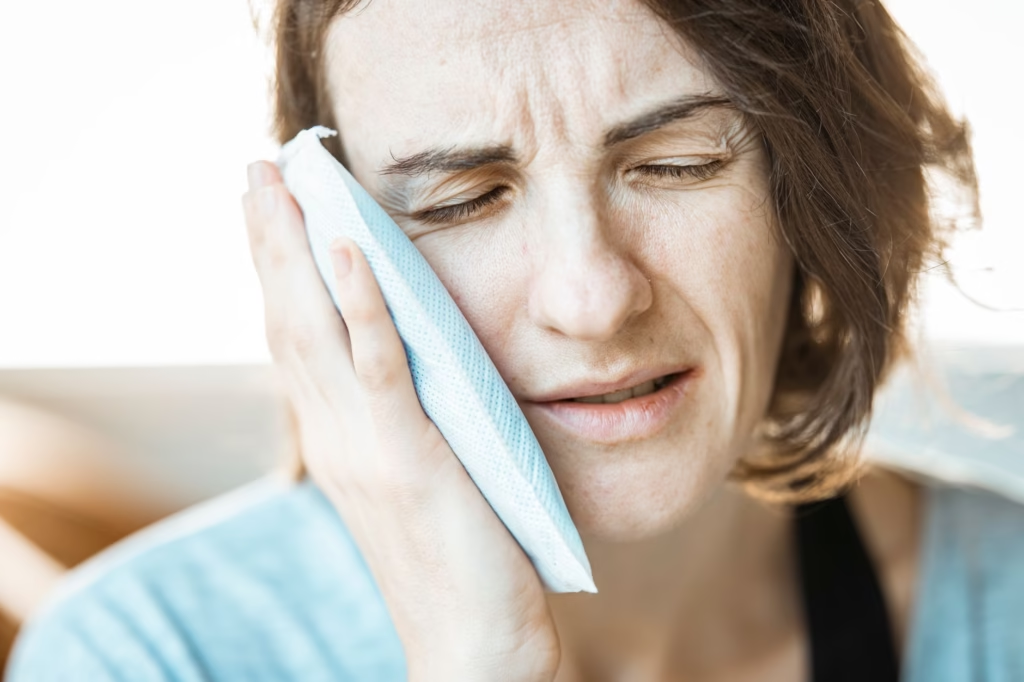
- Facial Pain or Pressure: Many patients report a feeling of pressure or pain around the cheeks, forehead, or eyes. This discomfort can worsen when bending over or lying down.
- Headaches: Sinus headaches are often caused by the pressure in the sinuses. They can feel similar to tension headaches but are usually concentrated in the areas around the sinuses.
- Cough: A persistent cough may occur due to post-nasal drip or irritation in the throat. This cough can often worsen at night.
- Fatigue: Feeling unusually tired can accompany a sinus infection, as the body works to fight the inflammation and infection.
Types of Sinusitis
Understanding the different types of sinusitis can help clarify the symptoms experienced. Sinusitis is generally classified into four categories:
- Acute Sinusitis: This type lasts for a short duration, typically less than four weeks, and often follows a cold.
- Subacute Sinusitis: This form lasts between four to twelve weeks and may present with milder symptoms.
- Chronic Sinusitis: Chronic sinusitis lasts for more than twelve weeks and can be characterized by ongoing symptoms, often leading to significant discomfort.
- Recurrent Sinusitis: This involves multiple episodes of acute sinusitis within a year.
Each type may exhibit symptoms that vary in severity and duration, emphasizing the importance of understanding individual experiences.
Other Symptoms to Look For
In addition to the previously mentioned symptoms, individuals may experience other signs that indicate a sinus infection without a runny nose:
- Nasal Congestion: Stuffy or blocked nasal passages can occur, making breathing difficult even without nasal discharge.
- Reduced Sense of Smell: Many people report a diminished ability to smell or taste, which can accompany sinus inflammation.
- Ear Pain or Fullness: Pressure changes in the sinuses can lead to discomfort in the ears, often described as a feeling of fullness.
- Fever: A mild fever may develop, indicating the body is fighting an infection.
Diagnosis of Sinus Infections
Diagnosing a sinus infection typically involves a healthcare professional assessing symptoms and possibly conducting a physical examination. Here are steps that may be taken during the diagnosis:
- Medical History Review: The doctor will ask about symptoms, duration, and any previous sinus infections.
- Physical Examination: A physical exam may include checking for tenderness in the facial areas and examining the nasal passages.
- Imaging Tests: In some cases, a CT scan may be ordered to provide detailed images of the sinuses, especially if chronic sinusitis is suspected.
It’s essential to provide accurate information about your symptoms to help the healthcare provider make a proper diagnosis.
Treatment Options for Sinus Infections
Treatment for sinus infections can vary significantly based on severity and duration. Here are common options:
- Over-the-Counter Medications: Pain relievers, decongestants, and antihistamines can help alleviate symptoms.
- Saline Nasal Irrigation: Rinsing the nasal passages with saline can help relieve congestion and reduce sinus pressure.
- Prescription Medications: In more severe cases, antibiotics may be prescribed if a bacterial infection is suspected.
- Home Remedies: Staying hydrated and using a humidifier can ease discomfort.
When to Seek Medical Help
While many sinus infections can be managed at home, there are specific situations where medical attention is necessary:
- Persistent Symptoms: If symptoms last longer than ten days without improvement, it may indicate a more serious infection.
- Severe Pain or Swelling: Intense pain or swelling around the eyes or forehead should be evaluated by a healthcare professional.
- Recurring Infections: If you experience multiple infections in a year, it is essential to discuss this with your doctor.
Acting promptly can help prevent complications and facilitate better management of the condition.

Understanding the Impact of Sinus Infections on Daily Life
Physical Limitations and Discomfort
Sinus infections can significantly affect an individual’s daily activities. The discomfort associated with sinusitis can lead to reduced productivity and a general decline in quality of life. Common physical limitations include fatigue, facial pain, and headaches, which may prevent individuals from engaging in work, exercise, or social activities.
In some cases, individuals may experience pressure around the eyes, forehead, or cheeks, which can lead to persistent discomfort. This pressure can make it challenging to concentrate on tasks or even perform simple daily activities, such as reading or using a computer.
Mental Health Implications
Chronic sinus infections can also have a notable impact on mental health. The ongoing pain and discomfort can lead to increased levels of stress and anxiety. Many individuals report feeling frustrated or helpless due to their condition, which can exacerbate feelings of depression.
- Stress due to persistent symptoms
- Increased anxiety about health
- Potential for depression due to chronic pain
It is essential for individuals suffering from sinus infections to seek support. Engaging in therapy or support groups can provide coping strategies and emotional relief, helping to mitigate the mental health impacts of chronic sinusitis.
Social Impact and Relationship Strain
Individuals suffering from sinus infections may find their social interactions compromised. The need to avoid crowded places or the discomfort of being around others can lead to isolation. Friends and family may not fully understand the severity of the condition, causing strain in relationships.
Open communication about the limitations caused by sinusitis can help in maintaining social connections. It is crucial for patients to explain their condition to loved ones and seek understanding and support.
Alternative and Complementary Therapies for Sinus Infection Relief
Herbal Remedies
Many individuals seek alternative therapies to alleviate sinus infection symptoms. Herbal remedies have been used for centuries and can offer symptomatic relief. Some commonly used herbs include:
- Eucalyptus: Known for its anti-inflammatory properties, eucalyptus oil may help clear nasal passages.
- Peppermint: Contains menthol, which can soothe inflamed sinuses and improve airflow.
- Thyme: Has antimicrobial properties that may help combat sinus infection-related bacteria.
While these remedies may provide relief, it is essential for individuals to consult with a healthcare provider before starting any herbal treatment, especially if they are on other medications.
Acupuncture and Acupressure
Acupuncture and acupressure are traditional Chinese medicine practices that can be beneficial in treating sinusitis. These therapies aim to restore balance in the body and can help relieve pain and pressure in the sinuses.
Research shows that acupuncture may help reduce inflammation and improve sinus drainage, leading to less discomfort. Acupressure, on the other hand, involves applying pressure to specific points on the body to alleviate symptoms. Some key points include:
- LI4 (Hegu): Located between the thumb and index finger, this point can help relieve facial pain.
- Yintang: Situated between the eyebrows, this point may help relieve sinus pressure and headaches.
- ST36 (Zusanli): Located below the knee, this point can support overall immune function.
Individuals interested in these therapies should seek licensed practitioners who specialize in these techniques.
Mindfulness and Breathing Exercises
Practicing mindfulness and breathing exercises can also be beneficial for individuals with sinus infections. Techniques such as deep breathing can help reduce stress and promote relaxation, which is essential when dealing with chronic discomfort.
Mindfulness practices like yoga or meditation can improve overall well-being and help patients manage the emotional stress associated with sinusitis. Implementing a daily routine that includes these practices can enhance coping mechanisms and may even help reduce the frequency of sinus infections.
Long-Term Management and Preventative Strategies for Sinus Infections
Identifying and Avoiding Triggers
Individuals prone to sinus infections should identify and avoid triggers that may worsen their condition. Common triggers include allergens, irritants, and environmental factors. Keeping a journal to track symptoms and potential triggers can be helpful.
- Dust mites
- Pollen from trees, grasses, and weeds
- Air pollution and cigarette smoke
- Strong odors from perfumes or cleaning products
By recognizing and minimizing exposure to these triggers, individuals can reduce the likelihood of recurrent sinus infections.
Maintaining Nasal Health
Maintaining nasal health is crucial for preventing sinus infections. Regularly using saline nasal sprays or rinses can help keep the nasal passages moist and clear of irritants. This practice can be especially beneficial during allergy season or in dry environments.
Additionally, staying hydrated is vital. Drinking plenty of fluids helps thin mucus, making it easier to drain from the sinuses. A well-balanced diet rich in vitamins and minerals can also support immune function and overall sinus health.
Consulting with Specialists
For individuals with chronic sinus infections or those who frequently experience symptoms without relief, consulting with an ear, nose, and throat (ENT) specialist may be necessary. An ENT can provide comprehensive evaluations and may recommend further diagnostic tests, such as imaging studies.
In some cases, individuals may benefit from treatments such as allergy testing or immunotherapy if allergies contribute to their sinus issues. Collaborating with healthcare professionals can lead to better management and prevention strategies tailored to the individual’s needs.
Identifying Non-Classic Symptoms of Sinus Infections
Facial Pain and Pressure
While many associate sinus infections with nasal congestion and runny noses, facial pain and pressure are significant symptoms that may arise. This discomfort is often localized around the forehead, cheeks, and eyes, and can be exacerbated by bending over or lying down. Patients may describe this pain as a dull ache or a sharp sensation, depending on the severity of the infection.
- Forehead pain
- Cheek pain
- Eye pressure
Facial pain associated with sinus infections is often mistaken for a dental issue. It is crucial to differentiate between the two, as appropriate treatment varies. Consulting with a healthcare provider can help in identifying the exact source of the pain.
Changes in Sense of Smell and Taste
Another lesser-known symptom of sinus infections is the alteration or loss of smell and taste. This phenomenon occurs due to inflammation and blockage of the nasal passages, which hinders the olfactory senses. In many cases, patients may not even realize that their sense of smell has been affected until they notice changes in their ability to enjoy food or detect odors.
- Partial loss of smell (hyposmia)
- Complete loss of smell (anosmia)
- Altered taste perception (dysgeusia)
Recognizing these changes can be crucial, as they may indicate a more severe infection requiring prompt medical intervention. If a patient experiences these symptoms alongside typical sinus infection signs, they should seek a healthcare evaluation.

Complications Associated with Sinus Infections
Chronic Sinusitis
If a sinus infection persists beyond 12 weeks, it may develop into chronic sinusitis, which can significantly impact quality of life. Chronic sinusitis often presents with milder symptoms but lasts much longer than acute cases. Patients may experience ongoing nasal congestion, facial pressure, and reduced sense of smell.
- Persistent nasal congestion
- Frequent headaches
- Thick nasal discharge
Management of chronic sinusitis may include long-term medication regimens or surgical interventions, depending on the severity and response to initial treatments.
Orbital and Intracranial Complications
In rare cases, sinus infections can lead to more severe complications affecting the eyes and brain. Orbital complications can result in vision impairment and require immediate medical attention. Symptoms of orbital involvement may include swelling around the eyes, double vision, or severe pain. Intracranial complications, though rare, can occur, leading to conditions such as meningitis or brain abscess.
- Swollen eyelids
- Fever
- Severe headache
Awareness of these potential complications is essential for prompt treatment, which can significantly affect outcomes.
Environmental and Lifestyle Factors Contributing to Sinus Infections
Allergens and Irritants
Environmental factors play a critical role in the development and exacerbation of sinus infections. Common allergens such as pollen, dust mites, pet dander, and mold can trigger sinus inflammation. Additionally, irritants such as smoke and strong odors can worsen symptoms and lead to increased susceptibility to infections.
- Seasonal allergies
- Indoor allergens
- Air pollution
Identifying and minimizing exposure to these triggers can help manage symptoms and reduce the frequency of sinus infections.
Lifestyle Choices and Their Impact
Certain lifestyle choices can also influence the likelihood of developing sinus infections. A diet lacking in essential nutrients, insufficient hydration, and poor sleep patterns can impair immune function and increase vulnerability. Regular exercise, on the other hand, supports overall health and immune resilience.
- Balanced diet rich in fruits and vegetables
- Staying hydrated
- Prioritizing sleep and stress management
By adopting healthier lifestyle habits, individuals may improve their overall sinus health and reduce the risk of recurrent infections.
Frequently Asked Questions
Can a sinus infection occur without a runny nose?
Yes, sinus infections can occur without a runny nose. Symptoms like facial pain, headaches, and nasal congestion may still be present.
How long do sinus infections typically last?
Acute sinus infections usually last less than four weeks, while chronic sinusitis can persist for twelve weeks or longer.
Are antibiotics always necessary for sinus infections?
No, antibiotics are not always required. Many sinus infections, especially viral ones, resolve on their own without medication.
What home remedies can help relieve sinus infection symptoms?
Home remedies like saline nasal irrigation, staying hydrated, and using steam inhalation can help alleviate symptoms of sinus infections.
The Bottom Line
Sinus infection symptoms can manifest in various ways, and it is entirely possible to experience a sinus infection without a runny nose. Recognizing other signs like facial pain, headaches, and nasal congestion is essential for effective management. If symptoms persist or worsen, consulting a healthcare professional is vital for appropriate diagnosis and treatment.
Note: This article is for general information only and is not medical advice. See a qualified health professional about your own situation.