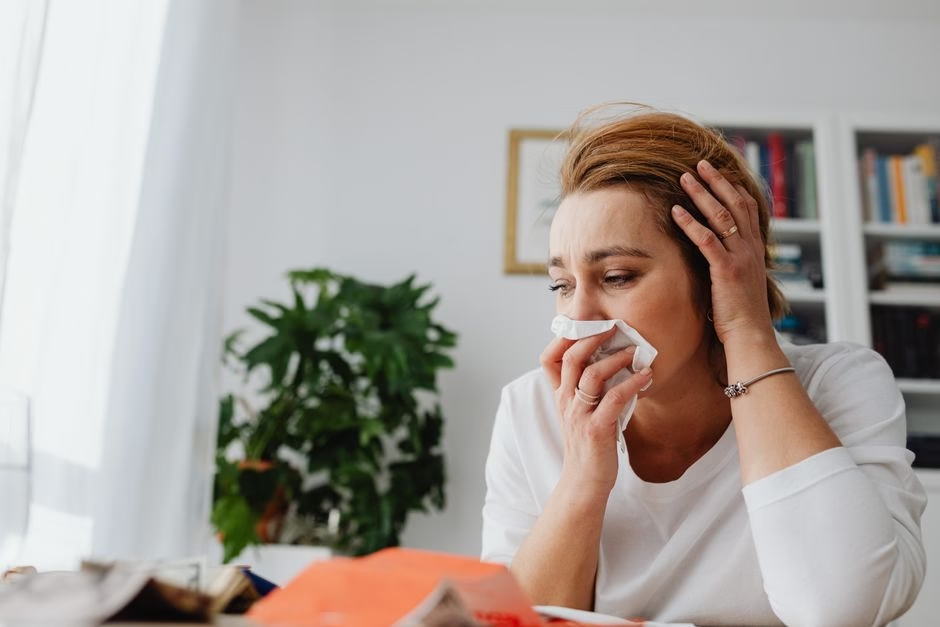
When you are dealing with the congestion, pressure, and general discomfort of a sinus infection, the last thing you want is an extra surprise—like seeing blood when you blow your nose. It is understandable to feel a sense of alarm if you notice pink or red tinges in your tissues. However, in many cases, this symptom is a common side effect of the inflammation already occurring in your nasal passages. This article aims to walk you through why this happens, how to manage it, and when it is time to check in with a healthcare professional.
Understanding the Sinus Connection
A sinus infection, or sinusitis, occurs when the tissues lining your sinuses become swollen and inflamed. Your sinuses are small, air-filled pockets located behind your forehead, eyes, and cheeks. When these areas become blocked and filled with fluid, germs can grow, leading to the familiar symptoms of facial pressure, nasal congestion, and headaches. Because the nasal lining is rich with tiny, delicate blood vessels, persistent inflammation can cause these vessels to become fragile.
When you have a sinus infection, your body is working hard to clear the excess mucus. This often involves frequent nose-blowing, which creates physical friction against the nasal lining. When you combine this physical irritation with the dryness caused by the infection itself, those small blood vessels are much more likely to break, resulting in a minor bloody nose or blood-streaked mucus.
Why Dryness Plays a Major Role
One of the most frequent contributors to nosebleeds during a sinus infection is a lack of moisture. When your nasal passages are inflamed, the normal, healthy mucus that coats and protects the lining of your nose can become thick, crusty, or absent. If you are also using certain over-the-counter decongestants, those medications can sometimes dry out the nasal tissues even further.
Maintaining proper hydration is essential for your overall well-being and can help support the health of your mucous membranes. While we often focus on Nutrition & Diet for weight or energy, hydration is a fundamental pillar of wellness that helps keep all your body’s tissues, including your sinuses, functioning as they should. Drinking plenty of water throughout the day can prevent the nasal lining from becoming overly parched, which in turn reduces the likelihood of cracking and bleeding.
The Impact of Hygiene and Environmental Factors
When you are suffering from a sinus infection, your routine Hygiene & Sanitation habits become more important than ever. While keeping your nose clear is necessary, the way you blow your nose can impact the severity of the bleeding. Vigorous, forceful blowing puts unnecessary pressure on the delicate veins in your nose. Instead, try to blow gently, one side at a time, to minimize the stress placed on your nasal tissues.
Environmental factors also play a significant role. If you are in a climate with low humidity, or if you are running a heater that dries out the air, your sinuses are more likely to become irritated. Using a cool-mist humidifier in your bedroom can add moisture back into the air, which helps soothe inflamed passages while you sleep. By controlling your immediate environment, you create a more healing-friendly space for your body to recover.
When to Be Concerned
While a small amount of blood mixed with mucus is common during a sinus infection, there are times when you should prioritize reaching out to a doctor. If you experience a nosebleed that is heavy, does not stop after 10 to 20 minutes of applying firm pressure to the soft part of your nose, or if you feel lightheaded or dizzy, you should seek medical attention promptly. Additionally, if you have frequent, recurrent nosebleeds that are not associated with a sinus infection, this is a conversation that should be had with your primary care provider.
It is also worth noting that if your sinus infection symptoms persist for more than ten days without improvement, or if you experience a high fever, severe facial pain, or vision changes, these are signs that your body might need extra support, such as a professional evaluation to determine if a bacterial infection requires specific medical treatment.
Managing Stress During Recovery
Being sick is inherently stressful. When you are not feeling well, it is easy for your Stress Management routines to fall by the wayside. However, high levels of stress can impact your immune system’s ability to recover efficiently. When you are feeling run down, give yourself permission to rest. Prioritize sleep, take time away from demanding tasks, and allow your body the downtime it needs to heal. Gentle restorative activities can help keep your cortisol levels in check, which is beneficial for your long-term recovery.
Supporting Your Body Through Wellness
Recovery from a sinus infection is rarely a linear process. It takes time for the inflammation to subside and for your nasal passages to return to their normal state. During this time, be kind to yourself. Focus on simple, nourishing habits that support your immune system. While your immediate focus is on your sinuses, remember that your health is interconnected. Whether it is keeping up with light Exercise & Fitness routines—if your energy levels permit—or ensuring you are getting adequate rest, every small step contributes to your overall resilience.
It is important to remember that none of the information provided here is intended to serve as a medical diagnosis. If you are concerned about your symptoms, or if your bloody nose is persistent or worrying, please contact a healthcare professional. They can provide a personalized assessment and rule out other potential causes, ensuring that you get the right care for your specific situation.
Practical Tips for Nasal Comfort
To help soothe your nose while you recover, consider these gentle practices. Using a saline nasal spray can help keep the nasal passages moist and help flush out irritants without the harshness of medicated decongestants. Keeping your head slightly elevated while you sleep can also help reduce sinus pressure, which may decrease the need for frequent, forceful nose blowing. Avoid picking at the inside of your nose, as this is a common way to inadvertently damage the sensitive lining and trigger bleeding.
In summary, while seeing blood during a sinus infection can be startling, it is frequently just a sign of irritation in an already sensitive area. By keeping your environment humid, maintaining good hydration, blowing your nose gently, and managing your stress levels, you can help soothe the irritation. As always, trust your instincts; if you are worried about your health, a quick call to your doctor is always the best way to get peace of mind and the correct guidance for your journey back to wellness.
Understanding the Bigger Picture
Your sinuses are part of a complex system that filters the air you breathe every single day. When they become overwhelmed, it is natural for the surrounding tissues to react. By understanding the ‘why’ behind your symptoms, you can move from a place of anxiety to a place of informed care. Remember that your body is constantly working to maintain balance, and sometimes, all it needs is a little bit of help and patience.
If you find that sinus infections are becoming a recurring issue for you, a doctor may be able to help you identify underlying triggers, such as allergies or structural issues, that could be making you more susceptible to these infections. Proactive care is always more effective than reactive care. By staying informed and maintaining a proactive approach to your health, you can manage these symptoms with confidence and get back to feeling like yourself as quickly as possible.
Conclusion
Dealing with a sinus infection is never pleasant, and adding a bloody nose to the mix can certainly amplify the frustration. However, by staying calm and focusing on gentle, restorative care, you can help your body navigate the healing process. Remember to stay hydrated, keep your air moist, and listen to what your body is telling you. If your symptoms linger or if you have any doubts, do not hesitate to reach out to a professional. You are your own best advocate when it comes to your health, and getting expert advice is the smartest way to ensure you are on the right track to recovery.
This article is for general educational purposes and is not a substitute for professional medical advice. Always consult a qualified healthcare provider about your individual health needs.