Key Takeaways
- Recognize common signs like nasal congestion and air leakage.
- Understand why upper molar roots are close to sinus cavities.
- Learn the importance of prompt professional dental assessment.
- Follow post-extraction care to prevent complications.
Understanding Sinus Perforation After Tooth Extraction Symptoms
Undergoing a dental procedure can be stressful, and it is natural to want to know what to expect during your recovery period. One rare but manageable complication that can occur when removing upper teeth is a communication between the mouth and the sinus cavity. Recognizing Sinus perforation after tooth extraction symptoms early can help you seek the appropriate care quickly, ensuring that you heal properly and avoid unnecessary discomfort.
The upper molars and premolars have roots that sit very close to the maxillary sinuses, which are air-filled spaces located behind your cheekbones. In some cases, the bone separating the tooth root from the sinus is quite thin. When a tooth is removed, this thin layer of bone may be disturbed, creating a small opening. While this sounds alarming, dentists are well-trained to handle these situations, and the body is remarkably good at healing these small gaps with the right guidance.
Why Do Sinus Perforations Occur?
The primary anatomical reason for a sinus perforation is the proximity of the tooth roots to the maxillary sinus floor. Everyone has a slightly different facial structure, and for some people, the roots of their upper teeth actually extend into the sinus space. When the tooth is extracted, the space previously occupied by the root is now empty, and the connection between the oral cavity and the sinus becomes temporarily open.
This occurrence is more common than you might think, especially when dealing with wisdom teeth or molars that have long, curved, or complex roots. Dentists often take X-rays before an extraction to assess the proximity of these roots to the sinus. If they see that the bone is very thin or non-existent, they will take extra precautions during the procedure to minimize the risk of a perforation.
It is important to remember that a perforation is often a structural event rather than a mistake by your dentist. It is a known risk associated with oral surgery in the upper jaw. The most important factor is identifying the issue immediately so that your dental team can stabilize the area and provide you with clear instructions for your recovery phase.
Key Symptoms to Monitor
Identifying Sinus perforation after tooth extraction symptoms involves paying close attention to how you feel in the days following your surgery. You might notice unusual sensations when you breathe, drink, or even speak. These signs are your body’s way of telling you that there is an open pathway between your mouth and your nose.
- Air leakage: You may feel air passing through the extraction site when you breathe through your nose or when you talk.
- Water or liquids entering the nose: If you drink water, it might feel as though it is coming up into your nasal cavity or leaking through your nose.
- Nasal congestion or pressure: You might experience a sudden feeling of being congested on the side where the tooth was removed, similar to a head cold.
- Changes in speech: Your voice might sound slightly nasal or different than usual because of the air escaping through the socket.
- Persistent bad taste or smell: An open connection can sometimes trap food particles or bacteria, leading to a lingering unpleasant taste or odor in your mouth.
If you experience these symptoms, do not panic. Many small perforations close on their own without the need for additional surgery. However, you must contact your dentist or oral surgeon to report these changes. They will want to confirm the diagnosis and ensure that you are following the right protocols to encourage natural closure.

What Happens During a Professional Assessment
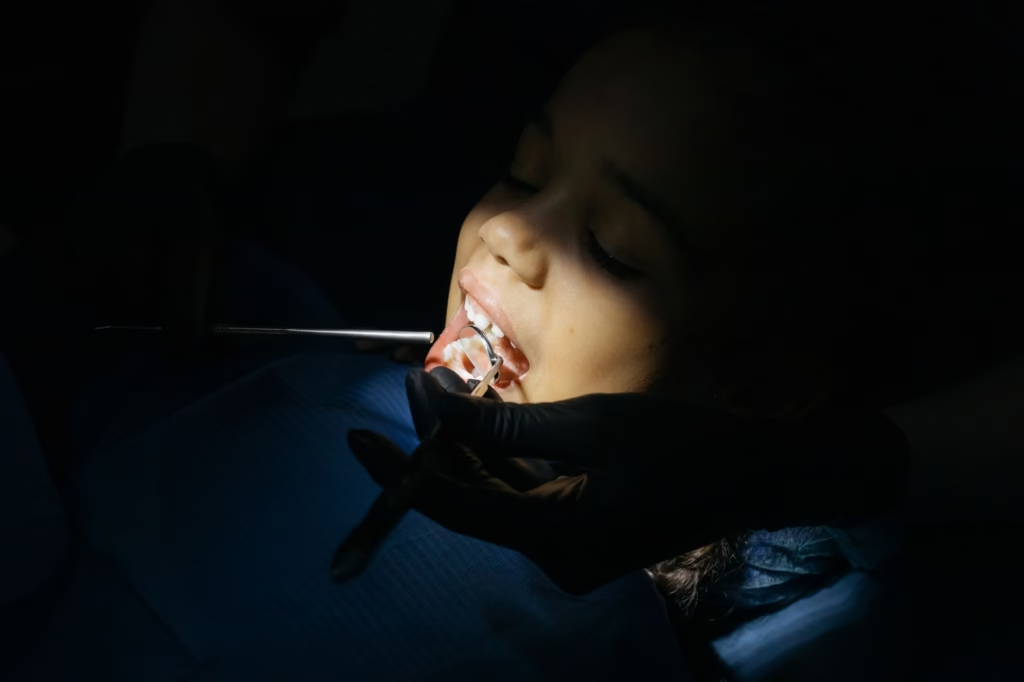
When you report potential symptoms of a sinus perforation, your dentist will perform a clinical evaluation. This typically involves a gentle visual inspection of the extraction site. They may ask you to perform a simple maneuver, such as holding your nose and gently attempting to blow air out, to see if air escapes through the socket. This is a standard and safe diagnostic tool used in clinical settings.
In some cases, your dentist may take an additional X-ray or use a small instrument to check the integrity of the socket. They are looking to see if the opening is small enough to heal spontaneously or if it requires a secondary intervention. The size of the opening is a major factor in determining the treatment path. Smaller openings are usually managed with conservative measures, while larger openings may require a small procedure to close the gap.
The goal of the assessment is to provide you with peace of mind and a clear plan of action. Your dentist will explain exactly what they see and why they are recommending a specific course of treatment. Communication is key during this time, so feel free to ask questions about the healing process and what you can do at home to support your body.
Conservative Management and At-Home Care
For most patients, the treatment for a small sinus perforation is conservative management. This means allowing the body to heal the area naturally while you follow strict post-operative instructions. The primary goal is to prevent the socket from being disturbed by changes in pressure or physical contact.
Your dentist may prescribe specific medications to help with the healing process. These might include antibiotics to prevent infection, decongestants to keep your sinuses clear, and perhaps a nasal spray to reduce inflammation. It is vital to take these medications exactly as directed and to finish the entire course, even if you feel better.
| Action | Why It Matters |
|---|---|
| Avoid straws | Suction can dislodge the blood clot and reopen the wound. |
| Do not smoke | Smoking hinders blood flow and slows down the healing process. |
| Sneeze with mouth open | This reduces pressure on the sinus cavity during the sneeze. |
| Avoid heavy lifting | Excessive physical exertion can increase blood pressure in the head. |
Maintaining good oral hygiene is also critical, but you must be gentle. Brush your teeth near the extraction site with extreme care, avoiding the socket itself. Your dentist might provide you with a special mouth rinse to keep the area clean without causing irritation. Consistency with these habits will significantly improve your chances of a quick and uncomplicated recovery.

When Further Intervention Is Necessary
While most perforations heal perfectly with conservative care, there are instances where a surgical closure is needed. If the opening is large or if it fails to show signs of healing after a few weeks, your dentist or an oral surgeon may recommend a procedure to close the connection. This is typically a very routine and successful surgery.
The surgical procedure, often called an oroantral communication closure, involves using a small flap of tissue from your gum to cover the opening. This creates a seal that allows the bone and tissue to regenerate properly. While the prospect of another procedure might sound daunting, it is a definitive solution that prevents long-term issues like chronic sinus infections.
Your surgeon will explain the procedure in detail, including what to expect during the recovery period. Most people find that the recovery from a surgical closure is very similar to the recovery from the original tooth extraction. You will be provided with pain management strategies and clear post-operative instructions to ensure the tissue heals securely over the sinus.
Frequently Asked Questions
How long does it take for a sinus perforation to heal?
Most minor sinus perforations begin to heal within a few days and close completely within two to four weeks. The rate of healing depends on your overall health, your adherence to post-operative instructions, and the size of the opening. Your dentist will monitor your progress during follow-up visits to ensure the area is closing as expected.
Can I still eat normally if I have a sinus perforation?
You should stick to a soft food diet for the first few days to avoid irritating the area. Avoid crunchy, spicy, or hot foods that could get stuck in the socket or cause discomfort. Focus on nutritious, easy-to-swallow foods like yogurt, mashed potatoes, soups, and smoothies. Always avoid using a straw, as the suction can be very harmful to the healing socket.
What are the long-term risks if I ignore the symptoms?
Ignoring a potential sinus perforation can lead to chronic sinus infections, as bacteria from the mouth can enter the sinus cavity. This can result in persistent congestion, facial pain, and a foul taste or smell. If left untreated for a long period, it can also lead to more complex dental issues that are harder to treat. Always seek professional advice if you suspect a complication.
Is a sinus perforation considered a dental emergency?
While it is not always a life-threatening emergency, it should be treated as a priority. You should contact your dentist promptly if you notice signs like air leakage or fluid entering your nose. Early detection allows for simpler, less invasive treatments. If you experience severe pain, high fever, or significant swelling, you should seek immediate care from your dental provider or an urgent care facility.
The Bottom Line
Experiencing Sinus perforation after tooth extraction symptoms can feel overwhelming, but it is a well-understood complication that dental professionals are highly equipped to manage. By staying observant of your symptoms, following your dentist’s recovery instructions, and avoiding behaviors that increase pressure in your mouth and nose, you can support your body’s natural healing process effectively.
Remember that your dental team is your best resource throughout this journey. They are there to support you, answer your questions, and ensure that you get back to your normal routine as quickly as possible. If you are concerned about your healing, do not hesitate to reach out for a follow-up appointment. With patience and proper care, most people recover completely without any long-term consequences.