
Key Takeaways
- Sinus pressure can occur without other symptoms.
- Common causes include allergies and environmental factors.
- Self-care measures can provide relief.
- Consult a healthcare professional if symptoms persist.
Understanding Sinus Pressure
Experiencing sinus pressure no other symptoms can be a perplexing situation for many. Sinus pressure refers to the feeling of discomfort or fullness in the sinus cavities, which are located around the nose, forehead, and cheeks. This condition can arise without the usual accompanying symptoms like nasal congestion, headaches, or fever. Understanding the underlying causes of this isolated sinus pressure is essential for effective management and relief.
Sinus pressure is often a result of inflammation in the sinus linings. This inflammation can be triggered by various factors, including environmental irritants, allergies, or even changes in weather. When the sinuses become inflamed, they can produce an excess of mucus, leading to pressure and discomfort. However, in some cases, individuals may experience this pressure without other noticeable symptoms, making it challenging to identify the cause.
In this article, we will explore the various causes of sinus pressure when no other symptoms are present, effective treatment options, and when it may be necessary to seek medical advice.
Common Causes of Sinus Pressure Without Other Symptoms
Understanding the reasons behind sinus pressure without other symptoms can help in finding the right approach to relieve the discomfort. Here are some common causes:
- Allergies: Allergic reactions to pollen, dust mites, mold, and pet dander can cause inflammation in the sinuses. This inflammation may lead to a feeling of pressure, even if there are no other symptoms like sneezing or a runny nose.
- Environmental Irritants: Exposure to smoke, strong odors, or chemical fumes can irritate the sinus linings. This irritation can result in sinus pressure, particularly in individuals who are sensitive to such triggers.
- Changes in Weather: Rapid changes in temperature or humidity can affect sinus pressure. For some, a drop in temperature or increased humidity can lead to discomfort without additional symptoms.
- Sinusitis: While sinusitis often comes with additional symptoms, such as nasal discharge or fever, some individuals may experience only pressure due to mild inflammation.
- Dehydration: Insufficient fluid intake can lead to thickening of mucus, which may cause pressure in the sinuses. This can happen even without other noticeable symptoms.
- Dental Issues: Sometimes, dental problems, particularly those affecting the upper teeth, can lead to referred sinus pressure. This can occur without typical sinus symptoms.
Allergies and Sinus Pressure
Allergies play a significant role in causing sinus pressure. When the immune system reacts to allergens, it releases chemicals such as histamines, leading to inflammation of the sinus linings. Even in the absence of other symptoms, this inflammation can create discomfort. Common allergens include:
- Pollen from trees, grasses, and weeds.
- Dust mites and mold.
- Pet dander.
To manage allergy-related sinus pressure, consider identifying and avoiding allergens whenever possible. Over-the-counter antihistamines can also help alleviate symptoms.
Environmental Factors
Environmental irritants can contribute to sinus pressure without additional symptoms. Common irritants include:
- Smoke from cigarettes or fires.
- Strong fragrances from cleaning products or perfumes.
- Pollution and industrial fumes.
If you suspect that environmental factors are contributing to your sinus pressure, try to minimize exposure to these irritants. Air purifiers and regular cleaning can help reduce allergens and irritants in your home.
Weather Changes
Changes in weather patterns can influence sinus pressure. Many individuals report an increase in sinus discomfort when there is a sudden drop in temperature or shifts in humidity. This phenomenon may be linked to barometric pressure changes that affect the sinuses. To manage pressure resulting from weather changes, consider:
- Staying hydrated to thin mucus.
- Using a humidifier during dry months.
- Avoiding excessive exposure to cold air.

Self-Care and Home Remedies
For those experiencing sinus pressure without other symptoms, several self-care strategies can provide relief. These methods are generally safe and can be tried at home:
- Hydration: Drinking plenty of fluids helps thin mucus, making it easier for sinuses to drain.
- Steam Inhalation: Inhaling steam from a hot shower or a bowl of hot water can help open up the nasal passages and relieve pressure.
- Warm Compresses: Applying a warm compress over the sinuses can soothe discomfort and promote drainage.
- Nasal Irrigation: Using a saline solution to rinse the nasal passages can help clear out mucus and reduce pressure.
- Rest: Ensure adequate rest to allow your body to recover from any underlying issues that may be contributing to sinus pressure.
When to Use Over-the-Counter Medications
Over-the-counter medications can also provide relief for sinus pressure. These options include:
- Decongestants: These medications can help shrink swollen nasal tissues, improving airflow and reducing pressure.
- Antihistamines: If allergies are suspected, antihistamines can help block histamine reactions, reducing inflammation.
- Pain Relievers: Non-prescription pain relievers such as ibuprofen or acetaminophen can alleviate discomfort associated with sinus pressure.
Always follow the directions on medication labels and consult with a healthcare professional if you have any questions or concerns about using these products.
When to Seek Medical Attention
While sinus pressure can often be managed at home, there are instances when it is essential to seek medical attention. Consider reaching out to a healthcare professional if:
- The pressure persists for more than a week without improvement.
- You experience severe pain in the sinus area or forehead.
- You develop a fever or other concerning symptoms.
- You have a history of chronic sinus issues or other respiratory conditions.
Medical professionals can provide a thorough evaluation and may recommend treatments, which could include prescription medications, allergy testing, or imaging studies to assess the sinuses.
Understanding Sinusitis
Sinusitis, or inflammation of the sinuses, can sometimes present as sinus pressure without additional symptoms. This condition can be acute or chronic, and its management may vary depending on the underlying cause. If sinusitis is suspected, a healthcare provider may evaluate for:
- Infection: Bacterial or viral infections can cause sinusitis.
- Structural issues: Deviated septum or nasal polyps may contribute to ongoing sinus pressure.
- Allergic factors: Allergies can exacerbate sinusitis symptoms.
Diagnosis may involve clinical examination and, in some cases, imaging to visualize the sinuses. Treatment options can include antibiotics, nasal corticosteroids, or other medications tailored to the individual’s needs.
Chronic Sinus Pressure
Chronic sinus pressure can be frustrating and debilitating. It is crucial to identify underlying causes and develop a management plan tailored to individual needs. Ongoing issues may be linked to allergies, environmental factors, or structural abnormalities in the nasal passages. Regular follow-ups with a healthcare provider can help monitor symptoms and adjust treatment as necessary.

Potential Complications of Untreated Sinus Pressure
While sinus pressure may seem benign, ignoring it over time can lead to various complications. Understanding these potential issues can encourage prompt attention and treatment.
Chronic Sinusitis
Untreated sinus pressure can evolve into chronic sinusitis, a condition characterized by prolonged inflammation of the sinus cavities. Chronic sinusitis can persist for more than 12 weeks and may result in persistent sinus pressure, nasal congestion, and a decreased sense of smell.
- Symptoms may include thick nasal discharge
- Facial pain or pressure
- Coughing that worsens at night
Individuals may find it difficult to distinguish between a common cold and chronic sinusitis, but the latter often requires medical intervention, including antibiotics or corticosteroid nasal sprays.
Ear Infections
Sinus pressure can sometimes lead to ear infections, particularly if mucus drains into the Eustachian tubes. This can create a conducive environment for bacterial growth. Symptoms of an ear infection may include ear pain, hearing loss, and sometimes fever.
- Fluid accumulation behind the eardrum
- Pain that worsens when lying down
- Foul-smelling discharge from the ear
Prompt treatment of sinus pressure can help prevent this complication. Over-the-counter pain relievers and warm compresses may provide temporary relief, but a physician should be consulted if symptoms persist.
Asthma Exacerbation
For individuals with pre-existing asthma, sinus pressure can exacerbate their condition. The inflammation in the sinus cavities can lead to increased airway sensitivity, resulting in more frequent asthma attacks.
- Wheezing or shortness of breath
- Increased use of rescue inhalers
- Difficulty sleeping due to breathing issues
Managing sinus pressure effectively can help maintain asthma control and reduce the frequency of exacerbations.
Diagnosis of Sinus Pressure Without Other Symptoms
Diagnosing sinus pressure when no other symptoms are present can be challenging. Medical professionals use various methods to determine the underlying cause of the pressure.
Physical Examination
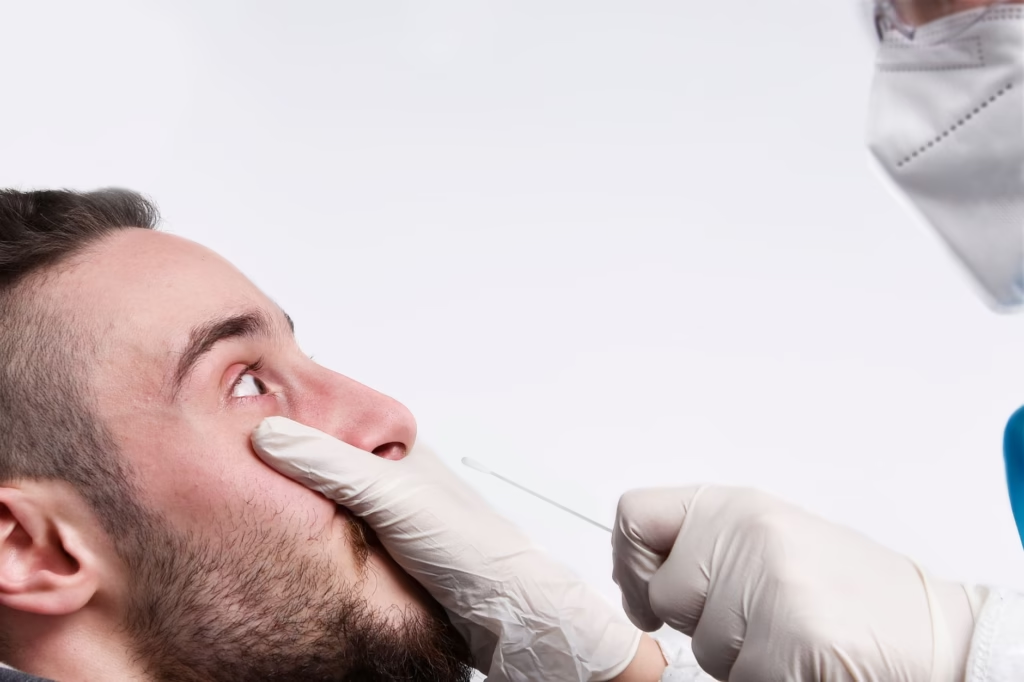
A thorough physical examination is often the first step in diagnosing sinus pressure. Physicians may look for signs of inflammation or infection in the nasal passages and sinuses. They may also check for tenderness over the sinuses by applying gentle pressure.
- Inspection of nasal passages using a nasal speculum
- Assessment of symptoms like facial pain or pressure
- Checking for nasal polyps or other obstructions
This initial examination can provide valuable insights into whether the sinus pressure is due to a temporary issue or a more chronic condition.
Imaging Tests
In some cases, imaging tests like X-rays or CT scans may be necessary. These tests help visualize the sinuses and can identify abnormalities such as blockages, structural issues, or chronic inflammation. CT scans are particularly helpful in providing a detailed view of the sinus cavities.
- CT scans can reveal the extent of sinus inflammation
- X-rays may show fluid levels in the sinuses
- Imaging can help rule out tumors or other serious conditions
These diagnostic tools are valuable for determining the appropriate treatment plan.
Allergy Testing
For some individuals, sinus pressure may be triggered by allergies. Allergy testing can help identify specific allergens that may be contributing to sinus issues. Skin prick tests or blood tests can be performed to assess sensitivity to various allergens.
- Pollen, dust mites, and pet dander are common culprits
- Identifying allergens can lead to effective avoidance strategies
- Allergy management may include antihistamines or immunotherapy
Understanding allergy triggers can significantly improve overall sinus health.
Preventive Strategies for Sinus Pressure
Preventing sinus pressure is crucial for maintaining overall health. There are several strategies to minimize the risk of developing sinus problems.
Maintain Hydration
Staying well-hydrated is essential for keeping mucus membranes moist and facilitating proper mucus drainage from the sinuses. Drinking adequate amounts of water and consuming hydrating foods can help.
- Aim for at least 8-10 cups of water daily
- Include fruits and vegetables with high water content
- Avoid excessive caffeine and alcohol, which can lead to dehydration
Hydration can reduce the viscosity of mucus, making it easier to expel.
Practice Good Nasal Hygiene
Good nasal hygiene can prevent sinus pressure by keeping nasal passages clear of irritants and allergens. Regularly rinsing the nasal passages with saline solutions can help flush out mucus and allergens.
- Use a saline nasal spray or neti pot for rinsing
- Practice this daily, especially during allergy seasons
- Consult a healthcare provider for proper techniques
Maintaining clean nasal passages can significantly reduce the risk of sinus pressure and other complications.
Avoiding Irritants
Being mindful of environmental irritants can help prevent sinus pressure. Common irritants include tobacco smoke, strong odors, and pollutants. Taking steps to minimize exposure can lead to improved sinus health.
- Quit smoking and avoid secondhand smoke
- Use air purifiers in your home
- Limit exposure to strong chemicals and fragrances
Reducing irritant exposure can be particularly beneficial for individuals with sensitive sinuses.
Frequently Asked Questions
What is sinus pressure?
Sinus pressure is a feeling of discomfort or fullness in the sinus cavities, often caused by inflammation or blockage of the sinuses.
Can sinus pressure occur without other symptoms?
Yes, sinus pressure can occur independently, without additional symptoms like nasal congestion or headaches.
How can I relieve sinus pressure at home?
Home remedies for sinus pressure include staying hydrated, using steam inhalation, applying warm compresses, and practicing nasal irrigation.
When should I see a doctor for sinus pressure?
Consult a healthcare professional if sinus pressure persists for more than a week, is accompanied by severe pain or fever, or if you have chronic sinus issues.
The Bottom Line
Sinus pressure no other symptoms can be an uncomfortable experience, often arising from allergies, environmental factors, or weather changes. Fortunately, there are several self-care strategies that can help alleviate discomfort. However, if symptoms persist or worsen, it is essential to consult a healthcare professional for proper diagnosis and treatment.
Note: This article is for general information only and is not medical advice. See a qualified health professional about your own situation.