
Key Takeaways
- Post-meal fatigue is often caused by heavy portions or high-carbohydrate foods that spike blood sugar.
- Digestion requires significant energy, which may contribute to feelings of drowsiness after eating.
- Staying hydrated and choosing balanced meals can help maintain steady energy levels throughout the day.
- Persistent or severe post-meal exhaustion should be discussed with a medical professional to rule out underlying issues.
If you’ve ever felt an overwhelming need for a nap right after finishing a meal, you’re not alone. Many people ask themselves, “Why do I feel tired after eating?” This common phenomenon can leave you wondering if it’s just you or if there’s something going on. Maybe it’s that big turkey dinner, or perhaps it’s the lighter salad you had for lunch. Regardless of what you eat, feeling sleepy after a meal is a familiar experience for lots of folks in the U.S. and beyond.
Understanding why this happens can provide some clarity and comfort. Many factors can contribute to post-meal fatigue, ranging from how much you eat and the types of food you choose to your overall lifestyle and health. Instead of worrying, let’s explore the science behind that food coma and get you back to feeling vibrant and energized.
What Does This Mean?
Feeling tired after eating, often termed “postprandial somnolence,” is when you experience fatigue after meals, typically within a few hours. This sensation varies among individuals and can range from mild drowsiness to more pronounced sleepiness, making it difficult for some people to stay awake.
Several factors contribute to this feeling, including digestion, blood sugar levels, and even food choices. If you’re curious about why your body reacts this way, you’re in the right place! Let’s dive deeper into the factors that might be at play here.
Why Does This Happen?
One possible reason you might feel tired after eating is related to how your body manages digestion. After you eat, a lot of your blood flow is directed to the digestive system, which helps break down food and absorb nutrients. This shift may cause less blood flow to other parts of your body, leading to feelings of tiredness.
Another common factor is the type of food you consume. Foods high in carbohydrates and sugars can cause a quick spike in blood sugar followed by a dip, leading to fatigue. In some people, such as those with certain food intolerances or diseases like diabetes, this effect can be more pronounced.
Research suggests that your overall lifestyle, like sleep quality, hydration levels, and even stress, can play a significant role in how you feel after meals. If you notice consistent tiredness after eating, it’s worth exploring these various influences.
Common Causes
1. Heavy Meals
Eating large portions can put more work on the digestive system. When you feast on a big meal, your body uses more energy to break it down, which can lead to feelings of fatigue. If you notice that heavier meals often leave you wanting to snooze, try switching to smaller, more balanced portions.
2. Food Choices
Not all foods affect your energy levels equally. Meals high in simple carbohydrates, like white bread, pastries, or sugary drinks, can lead to a rapid increase in blood sugar followed by a crash. If you’ve noticed that certain foods consistently lead to tiredness, consider swapping them for more complex carbs found in whole grains, fruits, and vegetables.
3. Hydration Status
Dehydration can lead to fatigue, including after meals. If you’re not drinking enough throughout the day, your body might react negatively during and after meals. Keeping hydrated can help maintain your energy levels, so make sure to drink enough water.
4. Sleep Patterns
Lack of sleep can significantly impact how your body feels after eating. If you aren’t getting enough rest, you might find that meals take a larger toll on your energy. Prioritizing good sleep hygiene can help mitigate post-meal fatigue.
5. Stress and Mental Fatigue
Stress can contribute to exhaustion as well; emotionally charged situations can take a toll on your physical energy. If you’ve had a long day, you might feel even more tired after eating. Find ways to reduce stress through methods like mindfulness or exercise.
Signs and Symptoms to Watch For
Common symptoms of fatigue after eating typically include:
- Feeling sleepy or drowsy immediately after meals
- Lack of energy or motivation to resume daily activities
- Difficulty concentrating or focusing
While feeling tired after meals is often normal, there are times when it may be a sign to seek further medical advice. If you experience severe fatigue, confusion, or other alarming symptoms like nausea and vomiting, it’s a good idea to consult with a healthcare professional.
What Can Make it Worse?
Several factors can intensify tiredness after eating, such as:
- Diet: Consuming a lot of refined sugars and processed foods may worsen fatigue.
- Eating Habits: Eating too quickly or while distracted can lead to overeating, impacting how you feel afterward.
- Poor Sleep: Consistently getting inadequate sleep can leave you feeling drained after meals.
- Low Hydration: Insufficient water intake can lead to fatigue, impacting your energy levels during and after meals.
- High Stress Levels: Stress contributes to feelings of fatigue, especially after eating.
Foods and Drinks Related to the Topic
When it comes to food and drinks that may relate to that post-meal fatigue, consider:
- Heavy Carbohydrate-Rich Foods: Foods like pasta or bread can make some people feel sleepy.
- High-Sugar Foods: Sweets or sugary drinks may cause energy spikes followed by crashes.
- Protein-Rich Foods: Chicken, fish, and legumes can support longer-lasting energy.
- Hydrating Foods: Fruits and vegetables have high water content, which may help you stay energized.
Keep in mind that individual responses to food can vary widely. What energizes one person might induce sleepiness in another.
What Can We Do?
Here are some practical steps you might consider to help manage post-meal fatigue:
- Mind Your Portions: Smaller, balanced meals may keep your energy steady without overwhelming your system.
- Choose Complex Carbs: Foods that release sugar slowly, like whole grains, can help avoid energy crashes.
- Stay Hydrated: Make sure to drink plenty of water throughout the day.
- Move After Meals: A light walk can stimulate digestion and help you feel more alert.
- Assess Sleep Quality: Prioritize good sleep habits to foster overall energy levels.
When Should You See a Doctor?
If you consistently feel overly tired after eating and notice any of these warning signs, consider reaching out to a healthcare professional:
- Severe or persistent fatigue
- Difficulty concentrating or confusion
- Symptoms that worsen despite lifestyle changes
- Bloating, gas, or abdominal discomfort that’s persistent
- Unexplained weight loss or gain
- Signs of dehydration or persistent vomiting
Frequently Asked Questions
Why am I always tired after eating?
Your body might be digesting more aggressively or processed foods could be leading to spikes and crashes in blood sugar.
Can food cause tiredness?
Yes, the type of food you consume, especially high sugar or heavy carbohydrate foods, can lead to fatigue. Foods vary from person to person.
Is tiredness after eating normal?
Feeling a bit tired can be common, especially after large meals, but if this is consistent and severe, consider speaking with a healthcare provider.
How can I avoid post-meal fatigue?
Try smaller, balanced meals, and include whole grains and lots of water in your diet. Light activity after eating can also help.
Is my tiredness after eating a sign of diabetes?
Not necessarily, but if you’re experiencing other symptoms like increased thirst or frequent urination, it may be worth getting checked by a doctor.
What role does hydration play?
Being well-hydrated helps to maintain energy levels. Dehydration can contribute to fatigue, especially after meals.
Could stress contribute to my fatigue?
Yes, high stress levels can lead to feelings of tiredness after meals, as stress affects overall energy.
What if I’ve tried these suggestions and still feel tired?
If you’ve adjusted your eating habits and lifestyle but still feel tired, it’s best to consult with a healthcare professional to rule out any underlying issues.
What the Research Says About Why Do I Feel Tired After Eating?
Research indicates that postprandial fatigue can be influenced by various factors, including meal composition, digestion, and overall health. Meta-analyses published in respected journals reveal connections between diet quality, meal size, and energy levels post-meal. Studies affirm that meals high in sugar and refined carbohydrates often lead to rapid fluctuations in blood sugar and subsequent fatigue.
While large meals significantly affect some individuals, there is still varying evidence on how just food types and quantities can have individual effects on energy levels. Ongoing studies aim to detail these connections further, ensuring that individuals can make informed dietary choices.
Simple Daily Habits That May Support Better Health
Incorporating small habits can enhance overall wellness:
- Balance Meals: Building balanced meals with healthy fats, proteins, and complex carbohydrates can help maintain energy.
- Stay Active: Regular physical activity, like walking, can support energy levels, not only after meals but throughout the day.
- Prioritize Sleep: Ensuring you get quality sleep regularly can improve energy and vitality.
- Practice Mindfulness: Stress-reducing techniques, such as meditation or deep breathing, can enhance overall well-being.
Final Thoughts
We often wonder why we feel tired after eating, and it’s a common question many have. Our bodies are complex, and various factors such as meal size, food types, hydration, and sleep can all play a role in how we feel post-meal. If we notice patterns that concern us, it’s important to listen to our bodies and seek guidance when needed. It might be as simple as modifying our diet or considering lifestyle changes.
Remember, if you experience persistent symptoms that interfere with your daily life, don’t hesitate to talk to a healthcare professional. Understanding your body’s signals is key to feeling your best!
Sources and References
National Institutes of Health: Postprandial Somnolence. Last updated September 2021. https://www.nih.gov

Cleveland Clinic: Meals and Blood Sugar Levels. Last updated August 2022. https://my.clevelandclinic.org
Mayo Clinic: Causes of Fatigue. Last updated March 2023. https://www.mayoclinic.org
Harvard T.H. Chan School of Public Health: Carbohydrates and Energy Production. Last updated January 2023. https://www.hsph.harvard.edu
American Gastroenterological Association: Understanding Digestion. Last updated April 2023. https://www.gastro.org

Medical Disclaimer
This article is for general educational and informational purposes only. It is not intended to provide medical advice, diagnosis, or treatment. Health conditions can affect people differently, and information that is appropriate for one person may not be appropriate for another. If you have persistent, severe, or concerning symptoms, speak with a qualified healthcare professional for personalized advice.
Further Reading
Ivf Shot Schedule: 10 Things You Should Know
Omeprazole and Alcohol: Is It Safe to Mix?
what does a growth spurt in pregnancy feel like
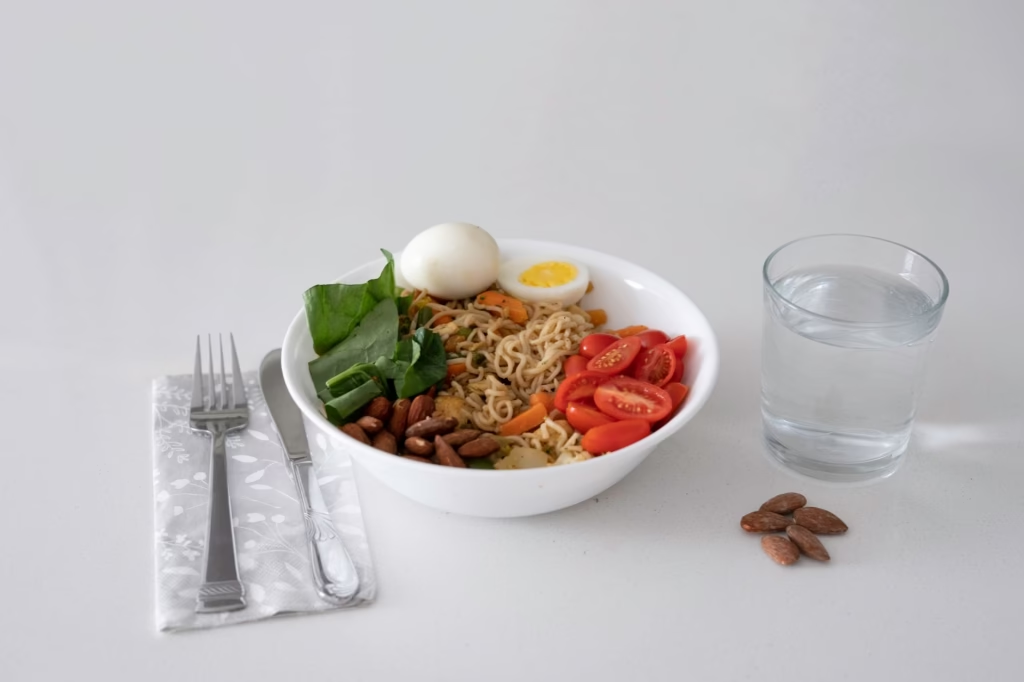
Photo by Alena Darmel on Pexels.
Frequently Asked Questions
Can certain medications cause me to feel tired after eating?
Yes, some medications can interact with your metabolism or blood sugar levels. If you notice a pattern of fatigue after starting a new prescription, discuss this potential side effect with your doctor.
Does eating late at night affect my energy the next day?
Large, heavy meals eaten right before bed can disrupt your sleep quality. Poor sleep often results in low energy levels and increased susceptibility to feeling tired after your meals the following day.
Is there a specific time of day when I am more likely to feel tired after eating?
Many people find they are more prone to post-meal sleepiness during lunch. This is often due to the cumulative effect of a busy morning, stress, and a heavy midday meal.
Can food allergies cause extreme sleepiness after meals?
Food sensitivities or intolerances can sometimes trigger an immune response that leads to fatigue. If you suspect a specific food is causing your symptoms, keep a food diary to share with your healthcare provider.
The Bottom Line
Feeling sleepy after a meal is a common experience, but it does not have to be your daily reality. By focusing on balanced portions, complex carbohydrates, and staying hydrated, you can often stabilize your energy levels. If you find that this fatigue consistently interferes with your day, listen to your body and reach out to a professional for guidance.