Key Takeaways
- Prebiotics are non-digestible fibers that serve as fuel for beneficial gut bacteria.
- Common food sources include onions, garlic, bananas, asparagus, and whole grains.
- Gradually increasing your prebiotic intake helps your body adjust and minimizes potential digestive gas.
- A healthy gut microbiome supported by prebiotics can improve digestion and immune system function.
What are Prebiotics?
Have you ever heard the term prebiotics and wondered what it means? Prebiotics are special kinds of fiber found in certain foods that our bodies can’t digest. Instead, they act like food for the good bacteria in our gut, helping these bacteria thrive and do their job better. You might be searching for information on prebiotics because you’re curious about how they affect digestion, gut health, or maybe even your overall well-being. It’s great to ask questions because understanding what you eat can lead to healthier choices!
Digestive health is becoming more important to many of us, and knowing about prebiotics can be a valuable part of that conversation. By nourishing the good bacteria already living in our intestines, prebiotics can help with digestion and may even contribute to our immune system. Let’s dive deeper into what prebiotics are, why they matter, and how you can easily incorporate them into your diet.
What Does This Mean?
So, what exactly are prebiotics? In simple terms, prebiotics are non-digestible parts of food that promote the growth of beneficial microorganisms, like good bacteria, in the intestines. They are mostly types of fiber found in various foods, especially plant-based ones. When we consume these fibers, they make their way to our large intestine intact, where they are fermented by the beneficial bacteria. This process helps these bacteria grow and multiply.
There are various types of prebiotics, including inulin and oligosaccharides, both of which can be found in foods like onions, garlic, bananas, and asparagus. Learning about prebiotics helps us understand how our digestive system works and how we can support it through the foods we eat.
Why Does This Happen?
One possible reason prebiotics are gaining attention is their connection to gut health. Our gut houses trillions of bacteria, and the balance between good and bad bacteria is crucial for our digestion and overall health. Another common factor is that many people are looking for natural ways to improve their digestive health and strengthen their immune systems.
Research suggests that including prebiotics in your diet may help enhance digestion, improve mineral absorption, and even reduce the risk of certain diseases. However, it’s important to note that not everyone responds to prebiotics in the same way, and more studies are needed to fully understand their effects on long-term health.
Common Causes
Several factors can influence the effectiveness of prebiotics in our diets:
- Dietary Choices: If your current diet is low in fruits, vegetables, and whole grains, you might be missing out on prebiotics. It’s essential to include fiber-rich foods to support your gut health.
- Gut Health: Some people may have imbalances in their gut microbiota due to various reasons, such as antibiotic use or poor dietary habits. This imbalance can affect how prebiotics are utilized in the body.
- Digestive Disorders: Certain conditions like irritable bowel syndrome (IBS) or inflammatory bowel disease (IBD) can alter how your gut processes food and may affect the benefits you gain from prebiotics.
Considering these factors can help you better understand how prebiotics might fit into your health journey. Remember that each person’s body is different, so what works for one person may not work for another.
Signs and Symptoms to Watch For
Generally, consuming prebiotics is safe for most people and may contribute positively to gut health. However, some might notice certain symptoms, especially when first introducing them into their diets. These can include:
- Mild digestive discomfort or gas: As your body adjusts to increased fiber, you may experience some bloating or gas.
- Improved regularity: Many notice a change in bowel habits when they incorporate more prebiotics, potentially leading to easier digestion.
It’s essential to keep an eye on these reactions, if discomfort persists, it’s a good idea to talk with a healthcare professional to ensure your diet is suitable for your needs.
What Can Make it Worse?
Several lifestyle factors may exacerbate digestive issues or reduce the effectiveness of prebiotics:
- Poor Hydration: Not drinking enough water can lead to digestive issues, including constipation. Ensure you’re drinking fluids throughout the day.
- High Sugar Intake: Diets rich in sugar may promote the growth of harmful bacteria and yeasts, potentially upsetting the balance of your gut microbiome.
- Stress: Stress can affect digestion and gut health, so managing stress through relaxation techniques, exercise, or mindfulness can help your digestive system function better.
Addressing these factors may enhance your overall digestive health and allow prebiotics to work more effectively in your system.
Foods and Drinks Related to Prebiotics
Including foods high in prebiotics is an excellent idea for those looking to improve their gut health. Here are some delicious options:
- Fruits: Bananas, apples, and berries contain various types of fiber that can act as prebiotics.
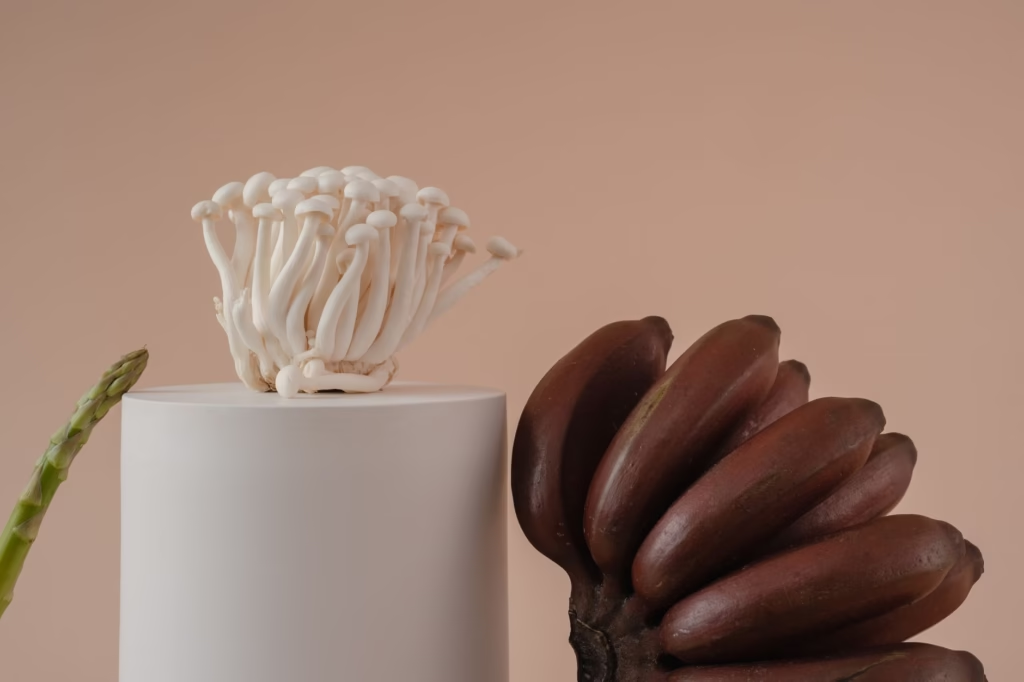
- Vegetables: Garlic, onions, asparagus, and leeks are particularly rich in prebiotic fibers.
- Whole Grains: Foods like oats and barley offer substantial amounts of prebiotic fiber.
- Legumes: Beans, lentils, and chickpeas are also great sources to consider.
Every person’s body is unique, so while these foods may benefit many, individual responses vary. It’s all about finding what works best for you!
What Can We Do?
If you’re interested in incorporating prebiotics into your diet, consider these practical steps:
- Start Slowly: If you’re not used to consuming a lot of fiber, begin by adding small amounts of prebiotic-rich foods to your meals and gradually increasing them. This approach can help your digestive system adjust.
- Diverse Diet: Aim for a varied diet full of fruits, vegetables, whole grains, and legumes to ensure you’re getting a broad range of prebiotics.
- Stay Hydrated: Drinking enough water supports digestion and helps fiber do its job more efficiently.
- Consultation: If you have specific health concerns or dietary restrictions, talking with a healthcare professional or registered dietitian can guide you in personalizing your diet.
These steps may help support a healthy digestive system, but remember that each person’s experience can vary.
When Should You See a Doctor?
While prebiotics are safe for most people, there are times when you should consider speaking with a healthcare professional:
- Severe or persistent abdominal pain
- Bloating or gas that does not subside
- Unexplained weight loss
- Symptoms that worsen or do not improve despite dietary adjustments
If you’re experiencing any of these symptoms, it’s important to get personalized advice from a healthcare provider, ensuring your health needs are met.
Frequently Asked Questions
Why am I always bloated after eating prebiotic foods?
Some people may experience bloating as their digestive system adjusts to higher fiber intake. Gradual increases in prebiotics can help minimize discomfort.
Can food cause digestive issues related to prebiotics?
Yes, for some individuals, certain foods may exacerbate digestive symptoms, especially if they have intolerances or allergies. Identifying and avoiding these foods is important.
When should I worry about my digestive health?
If you experience persistent or severe symptoms, such as intense pain, blood in stool, or unexplained changes in weight, it’s crucial to consult a healthcare professional.
Are there supplements for prebiotics?
Yes, prebiotic supplements exist, but it’s always best to get nutrients from whole foods when possible. If you’re considering supplements, consult with a healthcare provider first.
How long does it take to notice the benefits of prebiotics?
Results can vary; some people may notice improvements within a few days, while for others, it may take weeks. Consistency is key!
Can prebiotics help with weight loss?
While prebiotics may support gut health, they are not a weight-loss solution on their own. Combining them with a healthy diet and regular exercise is essential.
Are there any risks associated with taking prebiotics?
Generally, prebiotics are safe for healthy individuals. However, excessive intake can lead to digestive discomfort. It’s best to consume them in moderation.
Can prebiotics affect my immune system?
Research suggests that a healthy gut can support the immune system. By feeding good bacteria, prebiotics may contribute to better immune function.
What the Research Says About Prebiotics
Research shows that prebiotics can play a significant role in promoting gut health. A systematic review from the National Institutes of Health highlights their potential benefits, such as enhancing gut microbiota and possibly reducing the risk of gastrointestinal diseases (References: NIH, Harvard T.H. Chan School of Public Health). However, while promising, more research is needed to determine the specific effects of different types of prebiotics and their role in overall health.
Simple Daily Habits That May Support Better Health
Here are some daily habits that can complement the benefits of prebiotics:
- Eating Regularly: Try to maintain a balanced meal schedule to support your digestive system.
- Physical Activity: Regular exercise can promote intestinal health and improve digestion.
- Mindful Eating: Pay attention to your eating habits; eating slowly may aid digestion.
- Stress Management: Find stress-relief practices that work for you, as stress can impact gut health.
Final Thoughts
We often overlook the amazing capacity of our bodies, especially when it comes to our digestive systems. Prebiotics can be a fantastic tool for supporting gut health and nurturing the good bacteria already living in us. By including more prebiotic-rich foods like fruits, vegetables, and whole grains in our diets, we can take significant steps toward better health.
While incorporating prebiotics can bring benefits, it’s crucial to listen to our bodies and seek guidance when needed. If we notice persistent digestive issues or discomfort, chatting with a healthcare professional can provide personalized advice tailored to our unique health needs. Let’s take this journey toward better gut health together, one delicious bite at a time!

Sources and References
U.S. Department of Health & Human Services: Prebiotics and Probiotics. 2023. https://www.nih.gov
Harvard T.H. Chan School of Public Health: The Nutrition Source – Dietary Fiber. 2023. https://www.hsph.harvard.edu/nutritionsource/fiber/
Mayo Clinic: Prebiotics: What are they and what are the benefits? 2023. https://www.mayoclinic.org/healthy-lifestyle/nutrition-and-healthy-eating/in-depth/prebiotics/art-20260051
NIH National Library of Medicine: Prebiotics and Their Role in Gut Health. 2023. https://pubmed.ncbi.nlm.nih.gov/
Cleveland Clinic: What are Prebiotics and How Do They Help Your Health? 2023. https://health.clevelandclinic.org/
Medical Disclaimer
This article is for general educational and informational purposes only. It is not intended to provide medical advice, diagnosis, or treatment. Health conditions can affect people differently, and information that is appropriate for one person may not be appropriate for another. If you have persistent, severe, or concerning symptoms, speak with a qualified healthcare professional for personalized advice.
Further Reading
Ivf Shot Schedule: 10 Things You Should Know
Omeprazole and Alcohol: Is It Safe to Mix?
what does a growth spurt in pregnancy feel like
Frequently Asked Questions
Are prebiotics the same thing as probiotics?
No, they are different but work together. Probiotics are the live beneficial bacteria themselves, while prebiotics are the specific fibers that act as food to help those bacteria grow.
Should I take prebiotic supplements?
While supplements are available, it is generally recommended to get your prebiotics from whole foods first. Whole foods provide a wider array of nutrients, and you should talk to a doctor before starting any new supplement regimen.
Can prebiotics help with constipation?
Yes, because prebiotics are types of fiber, they can help soften stool and promote regularity. However, it is important to drink plenty of water alongside increased fiber intake to help it move through your system effectively.
Do prebiotics expire or lose their effectiveness?
Prebiotics are stable compounds found in whole foods, so as long as your produce is fresh, the fiber content remains intact. Storing your fruits and vegetables properly will help maintain their nutritional value.
The Bottom Line
Nurturing your gut health with prebiotic-rich foods is a simple yet powerful way to support your overall well-being. By choosing diverse plant-based options, you provide your body with the essential fuel it needs to maintain a healthy bacterial balance. Remember to listen to your body and increase your intake slowly to keep your digestive system happy.