Key Takeaways
- Probiotics are live microorganisms that support gut health and immune function.
- A balanced gut microbiome can improve digestion and overall well-being.
- Fermented foods like yogurt and kefir are natural sources of probiotics.
- Lifestyle factors like diet, stress, and sleep significantly influence gut bacteria balance.
What are Probiotics?
If you’ve been feeling a bit off with your digestion or just want to support your overall health, you might be wondering, “What are probiotics?” Probiotics are live microorganisms, often called “good” or “friendly” bacteria, that can provide health benefits, especially for your gut. Many people search for probiotics because they’ve heard they can help with digestion, boost your immune system, or improve gut health. So, let’s dive into what probiotics really are and how they might be helpful for you!
Probiotics are naturally found in many foods and can also be taken as supplements. You may have come across them in yogurt, kefir, sauerkraut, and other fermented foods. Since our gut is home to trillions of bacteria, maintaining a balance of these microorganisms is important for our overall health. Having the right mix of bacteria can promote better digestion, boost your immune system, and even improve mood and mental health. But with all the buzz around probiotics, it’s important to understand how they work and what to look for if you decide to incorporate them into your diet.
What Do Probiotics Do?
At its core, the main role of probiotics is to help maintain the natural balance of bacteria in your gut. Our intestines are home to both beneficial and harmful bacteria, and keeping a healthy balance between the two is crucial. When the balance is disrupted, due to stress, illness, poor diet, or antibiotics, this can lead to digestive problems and other health issues.
Research suggests that probiotics can help restore this balance. They do this by:
- Inhibiting the growth of harmful bacteria
- Supporting the production of certain vitamins
- Enhancing your body’s immune response
Why Do We Need Probiotics?
One possible reason people consider probiotics is to alleviate digestive discomfort. For some, they might help with symptoms of irritable bowel syndrome (IBS), diarrhea, and constipation. Another common factor is the desire to bolster the immune system, as a healthy gut can contribute significantly to overall health. In some people, taking probiotics can also enhance mood and mental well-being, as emerging research links gut health to mental health.
It’s worth noting that while many people find probiotics beneficial, there isn’t a one-size-fits-all approach. What works for one person may not work for another, and more research is needed to fully understand how different strains of probiotics affect various health conditions.
Common Causes of Gut Imbalance
Several factors can lead to an imbalance in gut bacteria:
Diet: A diet that is low in fiber and high in processed foods can negatively impact gut health. Eating a variety of fruits, vegetables, and whole grains helps feed beneficial bacteria.
Stress: High-stress levels can disrupt gut bacteria, leading to digestive issues. Finding ways to manage stress, like exercise or mindfulness, may help support gut health.
Antibiotic Use: While antibiotics are necessary for treating infections, they can also kill off beneficial bacteria in addition to harmful ones. Taking probiotics after a course of antibiotics might help replenish the good bacteria.
Signs and Symptoms to Watch For
Common symptoms that may indicate an imbalance in gut bacteria include:
- Bloating: Feeling fuller or gassy after meals.
- Diarrhea or Constipation: Either extreme can signify an imbalance.
- Frequent Infections: If you catch colds or infections often, your gut health may be tied to your immune system.
While experiencing digestive discomfort occasionally is common, if symptoms persist or worsen, it may be time to consult with a healthcare professional.
What Can Make It Worse?
Several lifestyle factors can contribute to or worsen gut imbalances:
Poor Diet: Diets high in sugar and low in fiber can shift the balance of bacteria in our gut. Consuming more fermented foods can help maintain that balance.
Lack of Physical Activity: Regular exercise is beneficial for digestion and helps support a healthy gut environment.
Insufficient Sleep: Not getting enough quality sleep can also affect gut health.
Alcohol and Tobacco Use: Both can disrupt the balance of gut bacteria and lead to digestive issues.
Foods and Drinks Related to Probiotics
Incorporating certain foods into your diet can naturally boost your intake of probiotics:
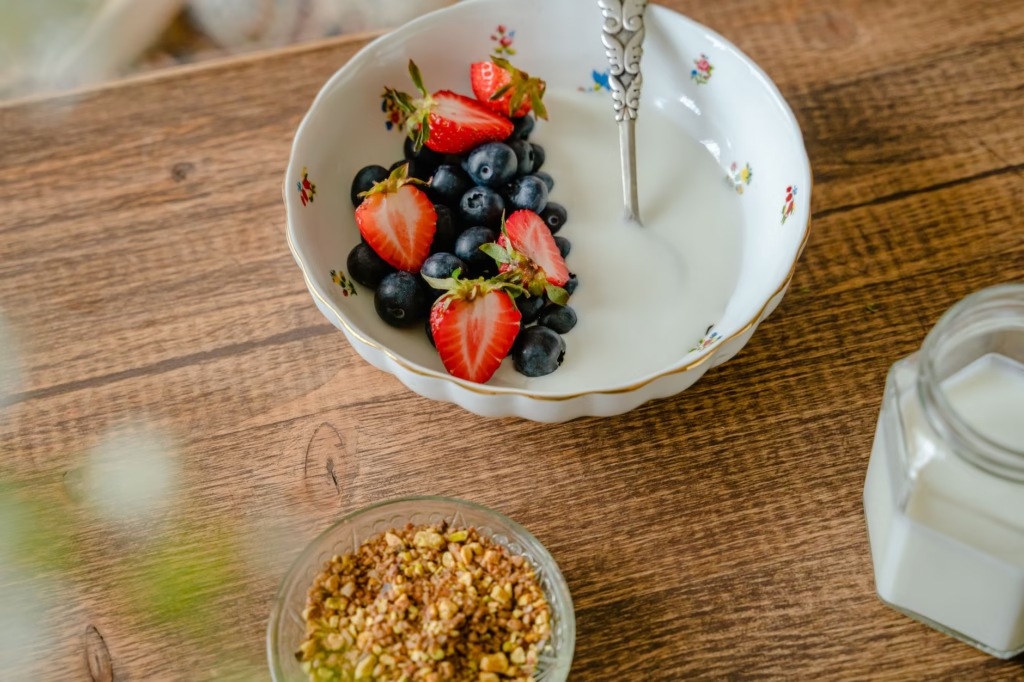
- Yogurt: Look for varieties that mention “live cultures” on the label.
- Kefir: A fermented milk drink that is richer in probiotics than yogurt.
- Kraut and Kimchi: Fermented vegetables that are tasty and healthy!
- Fermented Soy Products: Such as miso or tempeh, are also great sources.
While eating these foods can be beneficial, it’s good to remember that everyone’s digestive system is unique. Finding what works best for you can take some trial and error!
What Can We Do?
If you’re considering adding probiotics to your routine, here are some practical tips:
Start with Foods: Try incorporating more fermented foods into your meals. Start slow, allowing your body time to adapt to new foods.
Consider Supplements: If you struggle to get enough probiotics from food, consider a supplement. Look for ones that contain multiple strains and check with your doctor if you have any health conditions.
Stay Hydrated: Drinking plenty of water can help with digestion and keep your gut flora happy.
Practice Good Sleep Hygiene: Prioritize getting enough rest to support overall health.
When Should You See a Doctor?
If you’re considering probiotics for health concerns, it’s important to consult a healthcare professional if you notice any of the following signs:
- Severe or persistent digestive discomfort
- Blood in your stool
- Unexplained weight loss
- Persistent vomiting
- Symptoms that suddenly become much worse
It’s crucial to discuss any symptoms you’re experiencing with your doctor, as they can recommend the best course of action tailored to you.
Frequently Asked Questions
Why am I always bloated?
Bloating can result from many diets or lifestyle choices. It can be helpful to take a closer look at what you consume and your eating habits. If bloating is persistent, a healthcare professional can help identify underlying issues.
Can food cause digestive issues?
Yes, certain foods can trigger digestive discomfort for some people. Common triggers include dairy, gluten, and high-fat foods. Keeping a food diary may help identify potential triggers.
When should I worry about my gut health?
If you experience prolonged discomfort, significant changes in digestion, or notice troubling signs like blood in your stool or unintended weight loss, it’s time to reach out to your healthcare provider.
Are there side effects of probiotics?
For most people, probiotics are safe, but some may experience mild digestive upset like gas or bloating when starting them. If you have underlying health conditions or compromised immunity, discuss probiotics with your healthcare provider first.
How long does it take for probiotics to work?
Some people notice benefits quickly (within a few days), while others might take a few weeks to notice changes. Patience is key!
Can I get enough probiotics from food alone?
You can get a beneficial amount from foods, but it may depend on how often you eat them. If you’re unsure, a supplement might help, but it’s always best to consult your doctor.
What’s the best time to take probiotics?
There’s no strict rule, but some research suggests taking them on an empty stomach may be more effective. However, consistency is more important than timing!
Do I need to take probiotics daily?
Regular intake, whether through food or supplements, is beneficial for maintaining bacteria balance. Once you find what works for you, consider making it part of your daily routine.
What the Research Says About Probiotics
Research into probiotics is ongoing and evolving. Systematic reviews and meta-analyses have explored various strains and their benefits. For instance, some studies indicate that probiotics are effective in managing irritable bowel syndrome (IBS) symptoms and may reduce the frequency and duration of diarrhea caused by infections and antibiotics (McFarland, 2015; Sgorbati et al., 2016). However, while evidence supporting probiotics for gut health is promising, the effectiveness can vary widely based on the strain and individual health conditions.
Simple Daily Habits That May Support Better Gut Health
Aside from probiotics, consider adopting a few simple daily habits that can enhance your gut health:
- Keep a Balanced Diet: Aim for diversity in your meals; include plenty of fruits, vegetables, and whole grains.
- Stay Active: Regular physical activity promotes good digestion and overall well-being.
- Practice Relaxation: Incorporate stress-relief techniques like yoga, meditation, or deep-breathing exercises.
- Prioritize Well-being: Getting enough quality sleep can profoundly impact your gut health.
Final Thoughts
Understanding what probiotics are can help us make informed choices about our health. Incorporating them into our diet can support a healthy gut and overall well-being. We often have the power to shape our health through the choices we make daily. If we notice persistent digestive discomfort or other concerning symptoms, it’s essential to consult a healthcare professional. After all, every person’s health journey is unique, and personalized approaches work best.

Sources and References
McFarland, L. V.: Meta-analysis of probiotics for preventing antibiotic associated diarrhea and improving gut health. Alimentary Pharmacology & Therapeutics, 2015. https://www.ncbi.nlm.nih.gov/pmc/articles/PMC4481945/
Sgorbati, B.: Role of probiotics in the treatment of irritable bowel syndrome: A review. World Journal of Gastroenterology, 2016. https://www.ncbi.nlm.nih.gov/pmc/articles/PMC4908552/
Harvard T.H. Chan School of Public Health: Probiotics: What You Need to Know. Last updated 2023. https://www.hsph.harvard.edu/nutritionsource/probiotics/
Cleveland Clinic: Probiotics: Health Benefits, Food Sources and Side Effects. Reviewed 2023. https://my.clevelandclinic.org/health/articles/15230-probiotics
Mayo Clinic: Probiotics: What to know. Updated 2023. https://www.mayoclinic.org/healthy-lifestyle/nutrition-and-healthy-eating/in-depth/probiotics/art-20044487
National Institutes of Health: Probiotics. Updated 2023. https://nccih.nih.gov/health/probiotics/introduction.htm

Medical Disclaimer
This article is for general educational and informational purposes only. It is not intended to provide medical advice, diagnosis, or treatment. Health conditions can affect people differently, and information that is appropriate for one person may not be appropriate for another. If you have persistent, severe, or concerning symptoms, speak with a qualified healthcare professional for personalized advice.
Further Reading
Ivf Shot Schedule: 10 Things You Should Know
Omeprazole and Alcohol: Is It Safe to Mix?
what does a growth spurt in pregnancy feel like
Photo by Alicia Harper on Pexels.
Frequently Asked Questions
Can probiotics help with skin conditions like acne?
Some research suggests a link between gut health and skin conditions like acne, often referred to as the gut-skin axis. While probiotics are not a primary treatment, supporting a healthy gut may have positive effects on skin clarity for some people. Always consult a dermatologist to discuss specific skin concerns.
Should I refrigerate my probiotic supplements?
It depends on the specific product and the strains of bacteria it contains. Some probiotics are shelf-stable, while others require refrigeration to remain potent. Always check the label instructions for proper storage to ensure the bacteria stay alive.
Do probiotics interact with common medications?
Probiotics are generally safe, but they may interact with immunosuppressant medications or other prescription drugs. If you are taking any long-term medication, it is best to speak with your pharmacist or doctor before starting a new probiotic supplement.
Can children take probiotics safely?
Probiotics are often used for children, but it is important to choose products specifically formulated for their age. Consult your pediatrician before introducing any supplement to your child's diet to ensure it is appropriate for their health needs.
The Bottom Line
Probiotics serve as a helpful tool for maintaining a balanced and healthy gut microbiome. By incorporating fermented foods and mindful lifestyle habits, you can support your digestion and immune system daily. Remember that everyone is different, so listen to your body and consult a healthcare provider for personalized guidance.