Key Takeaways
- Double vision can be caused by various factors, including neurological issues and eye strain.
- Symptoms may include blurred vision and difficulty focusing.
- Prompt medical evaluation is essential to determine the underlying cause.
- Lifestyle adjustments can help manage symptoms in some cases.
Understanding Double Vision
What causes sudden temporary double vision? This is a question many may find themselves asking when they experience this unusual visual disturbance. Double vision, also known as diplopia, occurs when a person sees two images of one object. It can be a disorienting experience and may happen in one eye or both. While it can be alarming, there are various reasons why this condition may arise suddenly and temporarily.
Double vision can occur for many reasons, ranging from benign to more serious underlying conditions. Understanding the causes, symptoms, and potential treatments is essential for anyone experiencing this phenomenon. In this article, we will explore the various factors that can lead to sudden temporary double vision and provide guidance on what to do if you experience it.
It’s important to remember that while some causes of double vision are harmless, others may require prompt medical attention. If you find yourself asking, what causes sudden temporary double vision, it’s crucial to be informed about the potential implications and the best course of action.
Common Causes of Sudden Temporary Double Vision
There are several potential causes for sudden temporary double vision. Here, we outline the most common reasons:
- Eye Conditions: Certain eye conditions can lead to double vision. For example, conditions such as astigmatism or cataracts can distort vision, resulting in double images.
- Neurological Issues: Problems with the brain or nerves can also cause double vision. Conditions such as a stroke, multiple sclerosis, or a brain tumor can affect the areas of the brain responsible for vision.
- Fatigue and Eye Strain: Prolonged periods of screen time, reading, or other activities requiring intense focus can lead to eye strain. This strain can temporarily disrupt vision, leading to double vision.
Eye Conditions
Eye-related issues often manifest as visual disturbances, including double vision. Here are some specific eye conditions that might cause sudden temporary double vision:
- Cataracts: A cataract is a clouding of the lens in the eye, which can lead to blurred or double vision.
- Astigmatism: This refractive error can cause distorted vision, including double images, particularly if left untreated.
- Dry Eye Syndrome: Insufficient tear production can lead to dryness and irritation, potentially causing temporary double vision.
Neurological Issues
Neurological causes can be more severe and require immediate medical attention. Here are some neurological conditions that may lead to double vision:
- Stroke: A stroke can affect the brain regions responsible for vision, resulting in sudden double vision.
- Multiple Sclerosis: This autoimmune disease can cause various neurological symptoms, including diplopia.
- Brain Tumors: Tumors can press on areas of the brain associated with vision, leading to visual disturbances.
Fatigue and Eye Strain
Sometimes, the causes of double vision are less serious and may be linked to lifestyle factors:
- Extended Screen Time: Spending long hours in front of a computer or mobile device can cause eye fatigue, leading to double vision.
- Lack of Sleep: Sleep deprivation can affect cognitive and visual processing, potentially causing temporary double vision.
- Stress and Anxiety: Emotional stress can lead to physical symptoms, including vision problems.
Symptoms Accompanying Double Vision
When experiencing sudden temporary double vision, it’s essential to recognize accompanying symptoms that may indicate the severity of the condition.
- Blurred Vision: Blurred vision is often a symptom associated with double vision and can occur simultaneously.
- Difficulty Focusing: Individuals may find it hard to concentrate on an object, as the images overlap or shift.
- Headaches: Headaches may accompany double vision, particularly if it is related to eye strain or neurological conditions.
When to Seek Medical Help
While occasional double vision may not be cause for alarm, certain situations necessitate immediate medical attention. Here are some guidelines on when to seek help:
- Persistent Symptoms: If double vision lasts more than a few minutes, consult a healthcare professional.
- Accompanying Neurological Symptoms: If you experience weakness, numbness, or difficulty speaking alongside double vision, seek emergency care.
- Recent Head Injury: If double vision follows a head injury, it is crucial to seek medical evaluation.
Diagnostic Approaches for Double Vision
When you visit a healthcare provider for double vision, several diagnostic methods may be employed to determine the underlying cause:
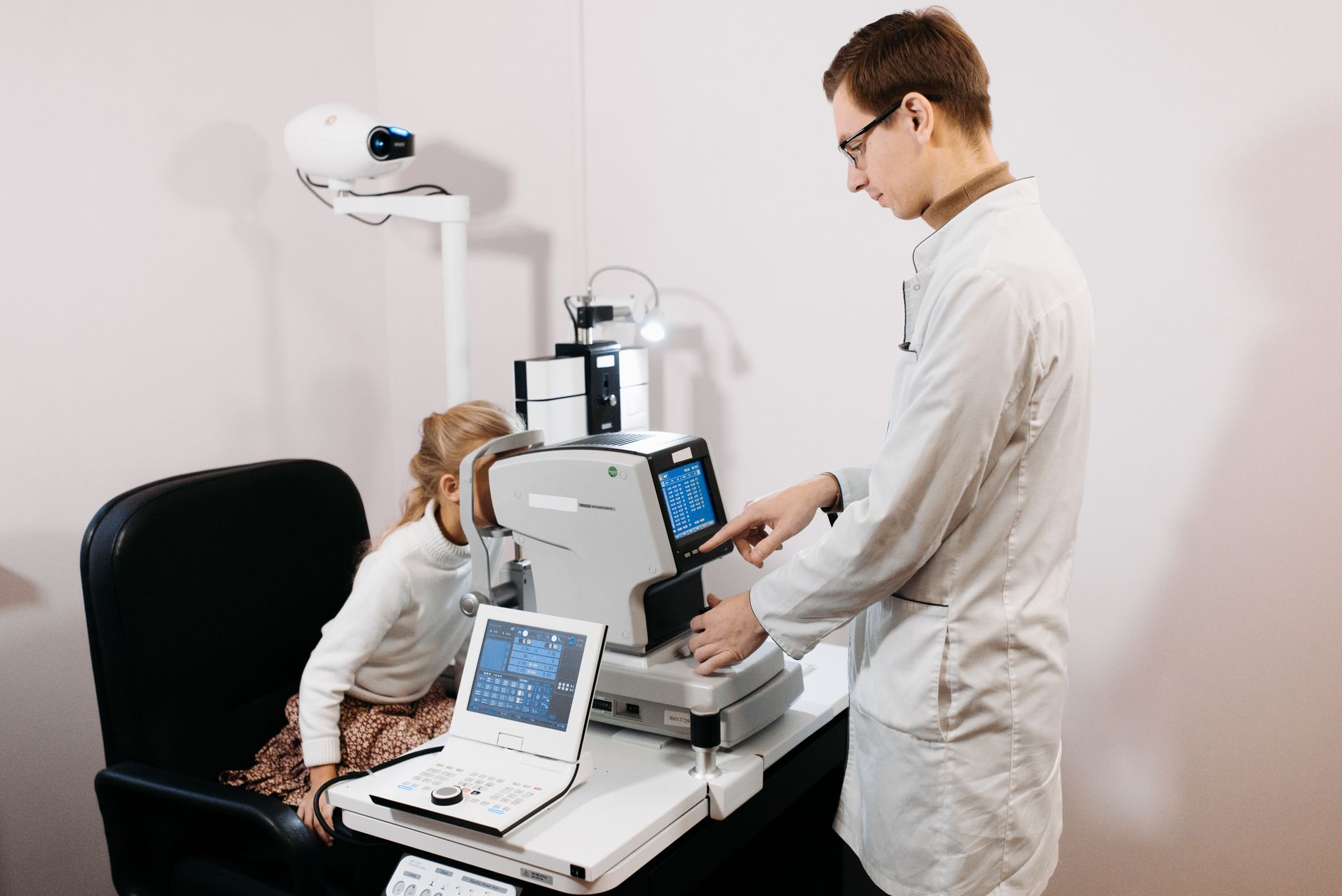
- Comprehensive Eye Examination: An eye exam can help identify any refractive errors or eye conditions causing double vision.
- Neurological Evaluation: If a neurological issue is suspected, imaging tests such as an MRI or CT scan may be performed.
- Blood Tests: Blood tests may be necessary to rule out systemic conditions that could be affecting vision.

Treatment Options for Double Vision
Treatment for sudden temporary double vision will vary based on the underlying cause. Here are some common approaches:
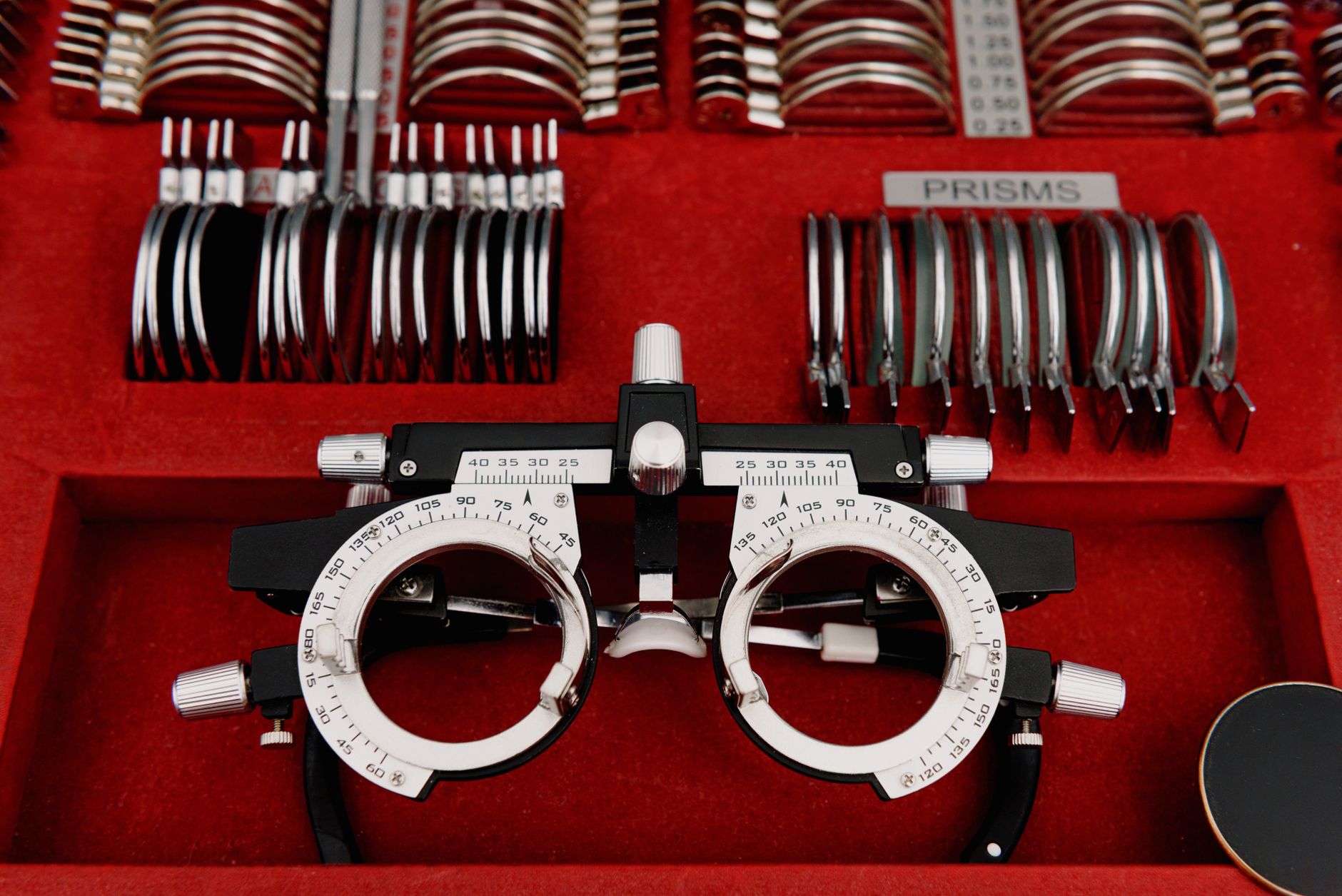
- Corrective Lenses: If refractive errors are the cause, glasses or contact lenses may be prescribed.
- Medication: In cases of neurological conditions, medications may be necessary to manage symptoms or treat the underlying issue.
- Vision Therapy: Some individuals may benefit from vision therapy exercises to improve coordination between the eyes.
Self-Care and Management Tips
While it is essential to seek professional help for double vision, there are self-care strategies that may alleviate symptoms:
- Rest Your Eyes: Take frequent breaks from screen time to reduce eye strain.
- Stay Hydrated: Proper hydration can help maintain eye health and reduce symptoms of dryness.
- Manage Stress: Engage in stress-reducing activities such as yoga or meditation to help alleviate symptoms.
Neurological Conditions Linked to Double Vision
Multiple Sclerosis (MS)
Multiple sclerosis is a chronic disease that affects the central nervous system, leading to a wide range of symptoms, including sudden double vision. This occurs due to the demyelination of the optic nerves, which can disrupt the signals sent to the brain. In MS, episodes of double vision can be transient and may resolve spontaneously, although they can also recur.
Individuals experiencing double vision related to MS may notice that it occurs alongside other neurological symptoms, such as:
- Fatigue
- Numbness or tingling in limbs
- Difficulty with coordination and balance
While double vision in MS can be distressing, treatment options such as corticosteroids may help manage acute exacerbations, and long-term treatments can help slow disease progression.
Myasthenia Gravis
Myasthenia gravis is an autoimmune disorder that leads to weakness in the skeletal muscles, which can also impact eye muscles. This condition often manifests as fluctuating muscle weakness, including diplopia. In myasthenia gravis, double vision typically worsens with fatigue, making it a unique feature of the disorder.
Patients may also experience:
- Ptosis (drooping eyelids)
- Difficulty swallowing
- Generalized muscle weakness
Management of myasthenia gravis may include medications that improve communication between nerves and muscles, and in some cases, surgical interventions may be necessary.
Transient Ischemic Attack (TIA)
A transient ischemic attack, often referred to as a mini-stroke, can also cause sudden temporary double vision. TIAs occur when blood flow to a part of the brain is briefly disrupted, causing neurological symptoms that last less than 24 hours. In the case of double vision, it can result from impaired blood supply to the areas of the brain responsible for eye movement.
Symptoms associated with TIA may include:
- Sudden numbness in face or limbs
- Difficulty speaking
- Confusion or trouble understanding
Recognizing the signs of a TIA is crucial, as it serves as a warning for potential future strokes. Immediate medical attention is essential for proper evaluation and management.

Environmental and Lifestyle Factors
Fatigue and Stress
Fatigue and high levels of stress can contribute to the onset of double vision, particularly in individuals who may already have underlying eye or neurological conditions. When the body is under significant stress, it can lead to muscle tension, including in the muscles that control eye movement, resulting in a misalignment of the eyes.
Common signs of fatigue-related double vision can include:
- Difficulty focusing
- Eye strain or discomfort
- Headaches
To mitigate the effects of fatigue and stress, individuals can adopt various self-care strategies such as ensuring adequate rest, practicing relaxation techniques, and maintaining a balanced diet.
Screen Time and Eye Strain
In our digital age, prolonged screen time has become a common contributor to eye strain, which can also manifest as temporary double vision. Extended periods of focusing on screens can lead to symptoms of digital eye strain, including blurred or double vision, dryness, and discomfort.
To reduce the risk of developing double vision from screen time, individuals can implement the following practices:
- Follow the 20-20-20 rule: Every 20 minutes, look at something 20 feet away for at least 20 seconds.
- Ensure proper lighting to reduce glare on screens.
- Adjust screen settings for optimal visibility.
Regular breaks and eye exercises can also help alleviate symptoms associated with prolonged screen usage.
Alcohol and Substance Use
Alcohol consumption and certain recreational drugs can lead to temporary double vision, particularly when taken in excess. The intoxicating effects of alcohol can impair coordination and control over eye muscles, resulting in a misalignment of the eyes. Similarly, some drugs can affect the central nervous system and lead to visual disturbances.
Individuals may experience double vision alongside other symptoms such as:
- Dizziness
- Nausea
- Impaired judgment
Being aware of the potential effects of substances on vision is critical, and individuals are encouraged to consume alcohol responsibly and seek help if they feel their usage is problematic.
Other Medical Conditions Affecting Vision
Diabetes and Diabetic Retinopathy
Diabetes can lead to a range of complications, including diabetic retinopathy, which affects the blood vessels in the retina. As these blood vessels become damaged, they can cause swelling and distort vision, potentially leading to double vision. This condition often develops gradually but can result in sudden changes in vision under certain circumstances.
People with diabetes should be aware of additional symptoms, such as:
- Blurred or fluctuating vision
- Dark spots or floaters
- Difficulty seeing at night
Regular eye check-ups and blood glucose management are essential for preventing or managing diabetic retinopathy.
Thyroid Eye Disease
Thyroid eye disease (TED), also known as Graves’ ophthalmopathy, is an autoimmune condition associated with hyperthyroidism. It can cause inflammation and swelling of the eye muscles, leading to double vision. The eyes may also appear bulging, and symptoms can fluctuate depending on the disease’s course.
Individuals with TED may experience:
- Eye irritation or dryness
- Light sensitivity
- Changes in vision
Management of thyroid eye disease often involves treating the underlying thyroid condition, and in some cases, surgery may be necessary to alleviate pressure on the optic nerve or correct eye alignment.
Cataracts and Vision Disturbances
Cataracts, which are clouding of the eye’s lens, can lead to various visual disturbances, including double vision. Although cataracts typically develop slowly, they can suddenly affect vision depending on the severity. They may cause light to scatter as it passes through the lens, leading to misperceived images.
Symptoms related to cataracts may include:
- Increased difficulty seeing at night
- Fading or yellowing of colors
- Frequent changes in prescription for glasses
For individuals experiencing significant vision impairment due to cataracts, surgical intervention is often the most effective treatment.
Frequently Asked Questions
Can double vision resolve on its own?
Yes, in some cases, sudden temporary double vision can resolve on its own, particularly if it is caused by temporary factors such as fatigue or eye strain. However, if the symptoms persist, it is essential to consult a healthcare professional.
Is double vision a sign of a serious condition?
While double vision can be a symptom of serious conditions such as strokes or neurological disorders, it is not always the case. Many benign causes exist, but it is crucial to seek medical evaluation for proper diagnosis.
What should I do if I experience double vision?
If you experience sudden double vision, it is important to stay calm. Note any accompanying symptoms and seek medical advice if it persists or is accompanied by other concerning signs.
Can stress cause double vision?
Yes, stress and anxiety can lead to physical symptoms, including double vision. Managing stress through relaxation techniques can help alleviate this symptom.
The Bottom Line
What causes sudden temporary double vision can vary widely from harmless eye strain to serious neurological issues. Understanding the potential causes and knowing when to seek medical help is critical. If you experience double vision, especially if it persists or is accompanied by other serious symptoms, it is essential to consult with a healthcare provider for appropriate evaluation and treatment.
Note: This article is for general information only and is not medical advice. See a qualified health professional about your own situation.