Key Takeaways
- Dates have a rich, sweet flavor profile.
- Different varieties of dates offer unique taste experiences.
- Dates are versatile and can be used in various recipes.
- They are nutritious, providing health benefits.
If you’ve ever wondered, what do dates taste like, you’re not alone. Dates are a popular fruit known for their unique flavor and nutritional benefits. These sweet treats have captivated the taste buds of many around the world. In this guide, we’ll explore the taste, texture, and culinary uses of dates, along with their health benefits, making them a staple in many diets.
Dates, scientifically known as Phoenix dactylifera, are the fruit of the date palm tree. They are particularly abundant in regions with a hot climate, such as the Middle East and North Africa. With their chewy texture and natural sweetness, dates are often used as a healthier alternative to refined sugar in various recipes.
By the end of this article, you will have a comprehensive understanding of what dates taste like and how to incorporate them into your daily diet.
Understanding the Flavor Profile of Dates
The flavor of dates can be best described as a combination of caramel, honey, and subtle hints of vanilla. This rich sweetness is due to the high concentration of natural sugars, mainly fructose and glucose. However, the sweetness is balanced by a complex array of flavors that can vary by variety.
In addition to their sweetness, dates have distinct flavor notes that can be influenced by their ripeness and processing methods. For instance, fresh, unprocessed dates often have a softer, more delicate flavor compared to dried dates, which tend to have a deeper, more concentrated sweetness.
Here are some common flavor notes associated with different varieties of dates:
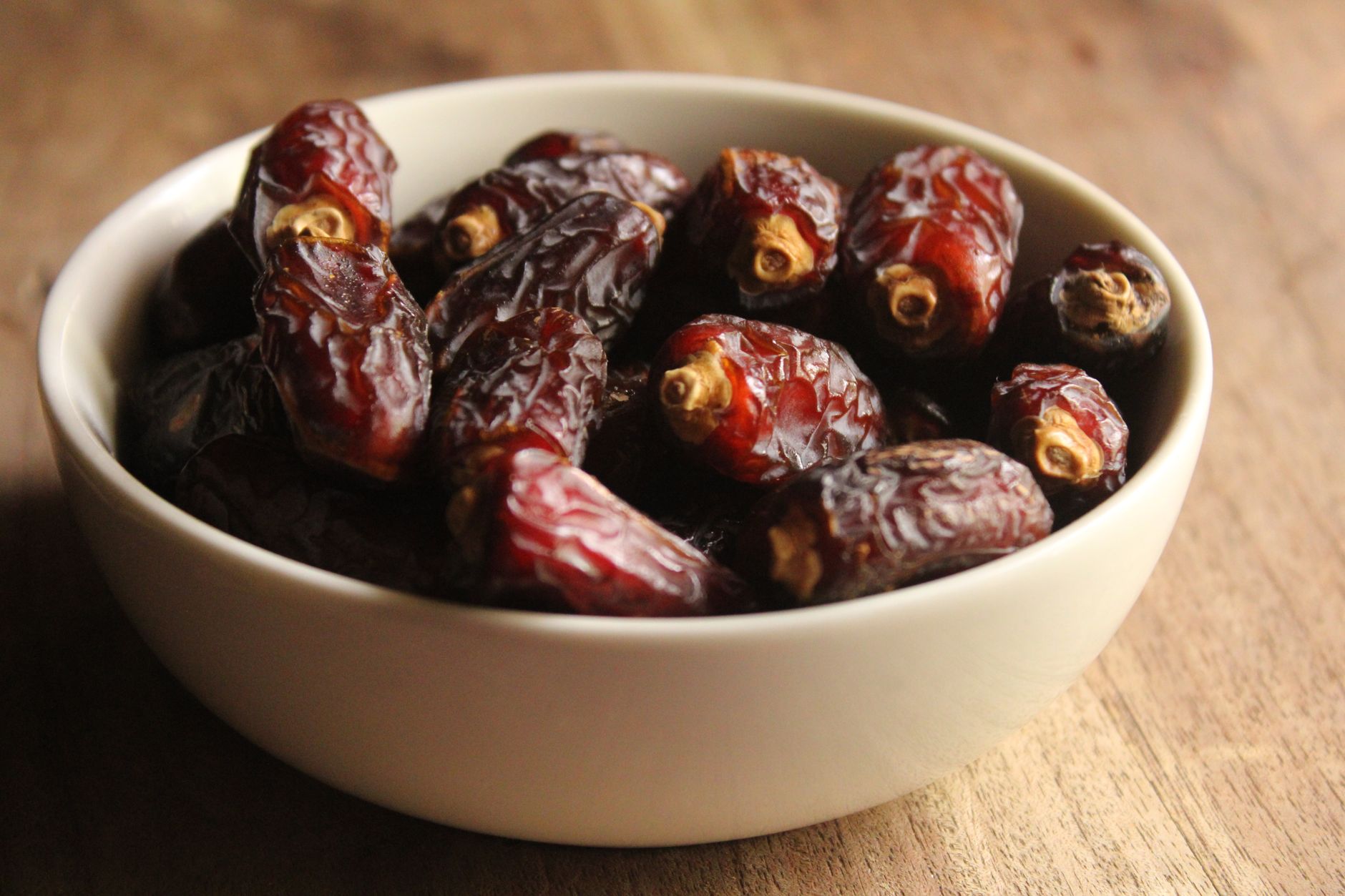
- Medjool Dates: Known for their large size and soft texture, Medjool dates have a rich, caramel-like flavor with a hint of brown sugar.
- Deglet Noor Dates: Often referred to as the “queen of dates,” Deglet Noor dates have a more subtle sweetness with a slightly nutty flavor.
- Barhi Dates: These dates are soft and have a creamy texture, with a flavor reminiscent of butterscotch.
The Texture of Dates
The texture of dates is another important aspect that contributes to their overall taste experience. Generally, dates are chewy and sticky, which can make them a satisfying snack. This chewiness comes from the fruit’s natural fibers and sugars.
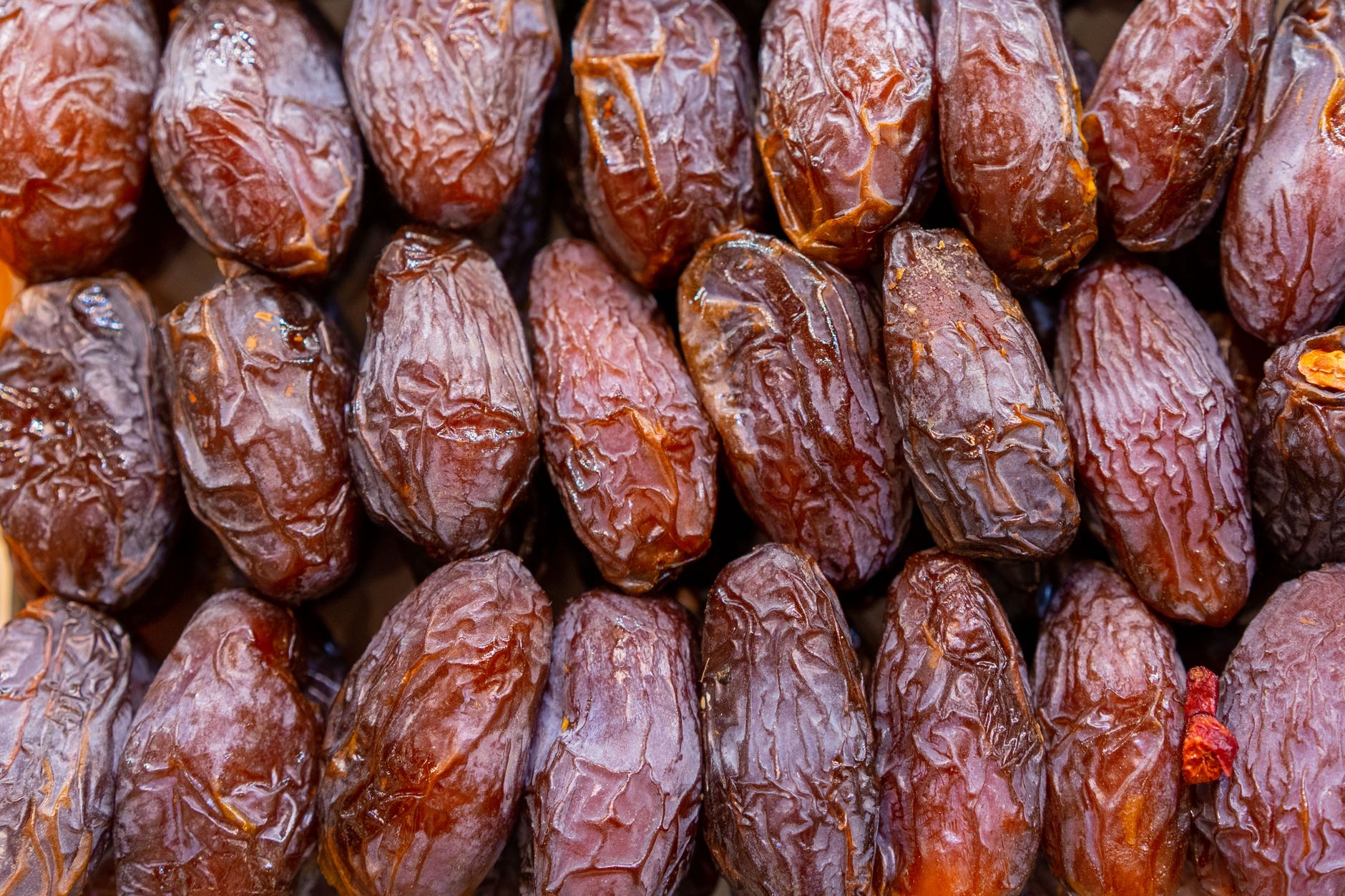
Fresh dates tend to have a softer, more pliable texture, while dried dates are firmer and denser. The skin of a date is thin and can sometimes be slightly wrinkled, especially in dried varieties. This outer layer protects the fleshy interior, which is where the sweetness and flavor reside.
Here’s a breakdown of the texture differences in various date types:
- Fresh Dates: Soft and juicy, they have a melt-in-your-mouth quality.
- Dried Dates: Chewy and dense, they provide a more concentrated taste.
- Stuffed Dates: Often filled with nuts or cream cheese, these dates offer a delightful contrast of textures.
Culinary Uses of Dates
Dates are incredibly versatile and can be used in a variety of culinary applications. They can be enjoyed alone as a snack or incorporated into both sweet and savory dishes. Their natural sweetness makes them an excellent substitute for sugar, while their chewy texture adds a unique element to recipes.
Here are some popular ways to use dates in cooking:
- In Smoothies: Adding dates to smoothies can provide natural sweetness and a creamy texture.
- Baking: Dates can be chopped and added to muffins, cookies, and bread for a sweet, chewy element.
- Energy Balls: Blending dates with nuts and seeds creates nutritious energy balls, perfect for a quick snack.
- Stuffed Dates: Filling dates with nuts or cheese makes for a delicious appetizer.
Since dates are naturally sweet, they can also reduce the need for additional sugar in recipes, making them a healthier option.
Health Benefits of Dates
In addition to their delightful flavor and texture, dates offer a range of health benefits. They are packed with essential nutrients, making them a great addition to a balanced diet.
Here’s a closer look at some health benefits associated with consuming dates:
- Nutrient-Rich: Dates are high in fiber, potassium, magnesium, and vitamins like B6 and K.
- Digestive Health: The fiber content in dates aids in digestion and helps prevent constipation.
- Energy Boost: The natural sugars in dates provide a quick source of energy, making them ideal for athletes or anyone needing a pick-me-up.
- Heart Health: Dates contain antioxidants that can help reduce inflammation and support heart health.
Incorporating dates into your diet can not only enhance the flavor of your meals but also contribute to overall wellness.
Choosing and Storing Dates
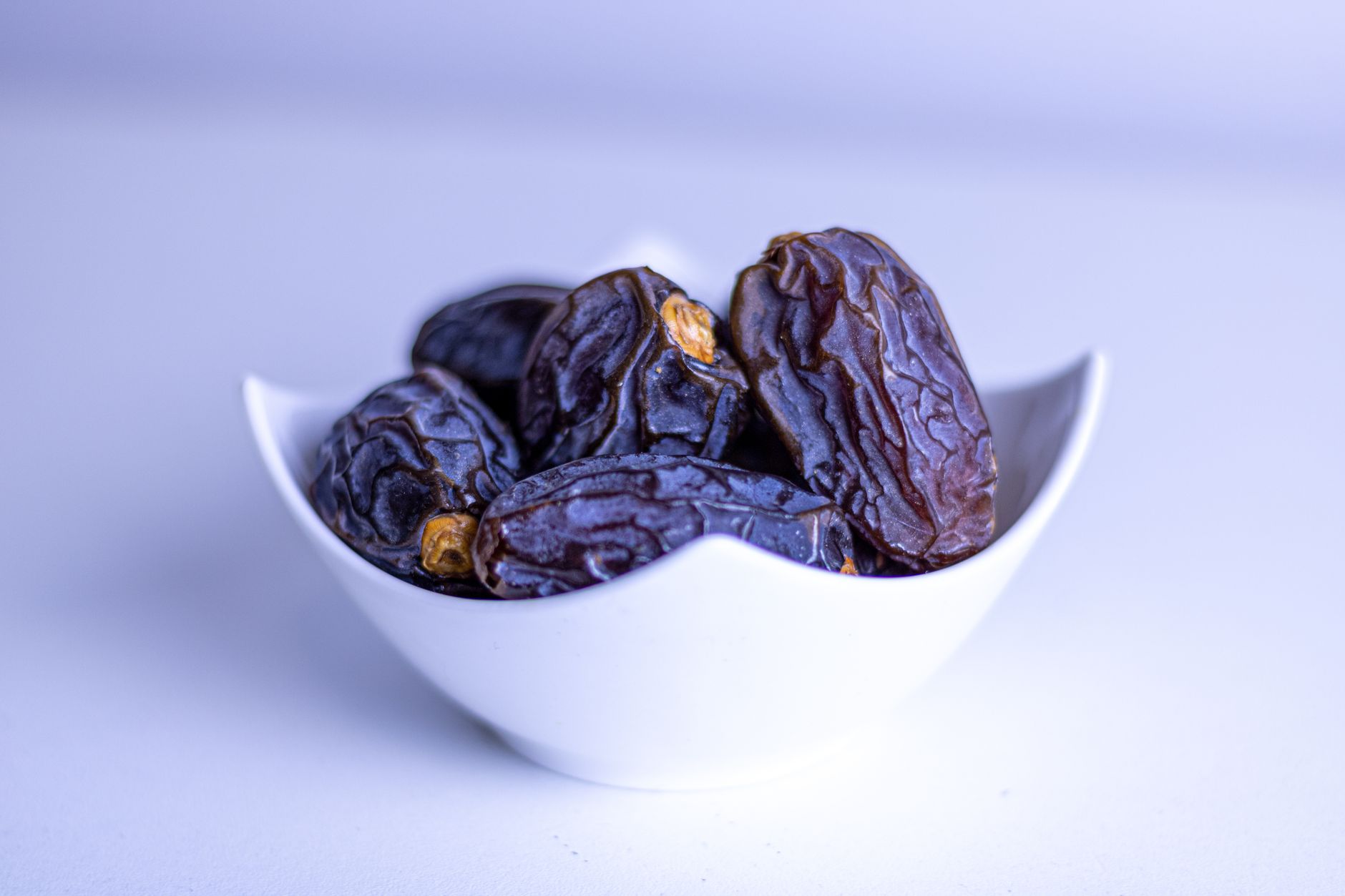
When it comes to choosing dates, there are a few factors to consider to ensure you get the best quality. Look for dates that are plump and shiny, without any signs of mold or excessive wrinkling.
Here are some tips for selecting and storing dates:
- Freshness: Check the expiration date on packaged dates to ensure freshness.
- Variety: Experiment with different types of dates to find your favorite flavor and texture.
- Storage: Store dates in an airtight container in a cool, dry place. For longer storage, dates can be refrigerated or frozen.
By selecting high-quality dates and storing them properly, you can enjoy their delicious flavor and health benefits for an extended period.
Different Varieties of Dates
Dates come in numerous varieties, each with its own distinct flavor and texture profile. Understanding the different types of dates can enhance your culinary experience and help you choose the right variety for your needs.
Medjool Dates
Medjool dates are perhaps the most popular variety, known for their large size and rich, caramel-like flavor. They are often referred to as the ‘king of dates’ due to their exceptional sweetness and chewy texture.
- Flavor: Rich, sweet, and almost buttery.
- Texture: Soft and chewy with a slightly fibrous interior.
- Best Uses: Ideal for snacking, baking, or adding to smoothies.
Medjool dates are often enjoyed fresh and can also be used in a variety of recipes. Their sweetness makes them an excellent substitute for refined sugars in desserts.
Deglet Noor Dates
Deglet Noor dates are known for their semi-dry texture and mild sweetness, making them a versatile choice in both sweet and savory dishes. They are often used in Middle Eastern cuisine and are commonly found in grocery stores.
- Flavor: Mildly sweet with a nutty undertone.
- Texture: Firmer than Medjool dates, with a slightly sticky exterior.
- Best Uses: Perfect for salads, tagines, or as a natural sweetener in various dishes.
The Deglet Noor variety is often used in cooking due to its less intense sweetness, making it suitable for a wide range of culinary applications.
Khadrawy Dates
Khadrawy dates are another variety that features a soft texture and an incredibly sweet flavor. They are less common than Medjool and Deglet Noor but are cherished in certain cultures for their unique qualities.
- Flavor: Very sweet, with hints of honey and caramel.
- Texture: Soft and moist, with a delicate skin.
- Best Uses: Best enjoyed fresh or in desserts where a rich sweetness is desired.
Khadrawy dates can be a delightful addition to desserts, adding both sweetness and a unique taste that pairs well with various ingredients.
Health Considerations While Consuming Dates
While dates offer numerous health benefits, it is essential to consume them mindfully due to their high natural sugar content. Understanding their nutritional profile and potential effects on health can help you make informed decisions.
Caloric Density and Portion Control
Dates are calorie-dense, primarily due to their high sugar content. One Medjool date contains approximately 66 calories, making it easy to overconsume if not mindful of portion sizes.
- Caloric Content: 66 calories per Medjool date.
- Recommended Serving Size: 2-3 dates as a snack.
- Tips: Pair dates with nuts or yogurt to balance the calorie intake.
Being aware of the caloric density can help you incorporate dates into a balanced diet without exceeding daily calorie recommendations.
Impact on Blood Sugar Levels
Due to their high sugar content, dates can significantly impact blood sugar levels. However, their fiber content can slow down sugar absorption, making them a better option compared to refined sugars.
- Glycemic Index: Dates have a moderate glycemic index (around 42-55 depending on the variety).
- Recommendation: Individuals with diabetes should monitor blood sugar levels when consuming dates.
- Tips: Combine dates with protein or healthy fats to minimize blood sugar spikes.
Consulting with a healthcare provider or a registered dietitian can help you understand how to incorporate dates into a diet while managing blood sugar levels effectively.
Allergies and Sensitivities
While rare, some individuals may experience allergies or sensitivities to dates. Symptoms can range from mild digestive issues to more severe allergic reactions.
- Symptoms of Allergy: Itching, hives, or gastrointestinal discomfort.
- Prevalence: Allergies to dates are uncommon but can occur, particularly in those allergic to other fruits.
- Advice: Consult a healthcare professional if you suspect an allergy.
If you have a known fruit allergy, it is advisable to introduce dates into your diet cautiously and observe any adverse reactions.
Creative Ways to Incorporate Dates into Your Diet
Incorporating dates into your diet can enhance flavor and nutrition in various meals. Here are some innovative ideas to enjoy dates beyond traditional uses.
Energy Bites and Snacks
Dates can serve as the base for healthy energy bites or snacks. Their natural sweetness and chewy texture make them an excellent ingredient for no-bake recipes.
- Ingredients for Energy Bites:
- 1 cup of Medjool dates, pitted
- 1 cup of nuts (almonds, walnuts, or cashews)
- 1/4 cup of seeds (chia, flax, or pumpkin)
- 1/4 cup of nut butter
- Optional: cocoa powder, coconut flakes, or spices for flavor
- Instructions: Blend all ingredients in a food processor, roll into bite-sized balls, and refrigerate for a quick snack.
- Benefits: Provides a quick energy boost and can be customized with various flavors.
These energy bites are not only nutritious but also easy to prepare, making them perfect for a busy lifestyle.
Adding Dates to Savory Dishes
Dates can also enhance savory dishes, adding a unique burst of sweetness that balances flavors. They pair well with meats, cheeses, and grains.
- Examples of Savory Dishes:
- Stuffed chicken breasts with dates and goat cheese.
- Tagines featuring lamb and dates.
- Quinoa salads with chopped dates and roasted vegetables.
- Flavor Profile: Sweetness from dates can contrast beautifully with salty and spicy ingredients.
- Cooking Tip: Add chopped dates to sauces or marinades for added depth of flavor.
Incorporating dates into savory dishes can elevate the overall taste and provide additional health benefits.
Desserts and Sweet Treats
Dates can replace refined sugars in many dessert recipes, providing natural sweetness along with fiber and nutrients. They work well in energy bars, brownies, and even smoothies.
- Popular Dessert Ideas:
- Raw brownies made with dates, nuts, and cocoa powder.
- Energy bars with oats, chocolate, and chopped dates.
- Frozen yogurt topped with date syrup and fresh fruits.
- Health Benefits: Using dates in desserts can lower the glycemic impact compared to traditional sugars.
- Recipe Tip: Soak dates in warm water before blending for a smoother texture in desserts.
By experimenting with dates in dessert recipes, you can create delicious treats that are also nutritious.
Frequently Asked Questions
Are dates healthy to eat?
Yes, dates are healthy as they are rich in nutrients, fibers, and antioxidants. They can be a great addition to a balanced diet when consumed in moderation.
What do fresh dates taste like compared to dried dates?
Fresh dates are softer and juicier, with a delicate flavor, while dried dates are denser, chewier, and have a more concentrated sweetness.
Can you eat dates every day?
Eating a moderate amount of dates daily can be beneficial due to their nutrient content. However, they are calorie-dense, so portion control is important.
How can I incorporate dates into my diet?
Dates can be added to smoothies, baked goods, salads, or enjoyed as a snack on their own. They can also be stuffed with nuts for a delicious treat.
The Bottom Line
Understanding what do dates taste like helps highlight their unique flavors and textures. With their rich sweetness and versatility, dates are not only delicious but also packed with numerous health benefits. Whether eaten fresh or dried, these fruits can be a delightful addition to your meals and snacks, providing a healthy alternative to refined sugars.
Incorporate dates into your diet for a natural sweetener that also offers various health benefits.[/m4p_tip>
Note: This article is for general information only and is not medical advice. See a qualified health professional about your own situation.