

Key Takeaways
- Chest compression feedback devices track compression rate and depth.
- They provide real-time feedback to improve CPR quality.
- Using these devices can lead to better survival rates in cardiac arrest cases.
- Training with feedback devices enhances both skills and confidence in responders.
Understanding Chest Compression Feedback Devices
When it comes to performing CPR, quality matters. One tool that has significantly improved CPR training and execution is the chest compression feedback device. But what does a chest compression feedback device monitor? This question is essential for anyone interested in emergency response, whether you are a healthcare professional or a layperson wanting to be prepared for emergencies. This article will provide a comprehensive overview of these devices, their functionalities, and their importance in saving lives.
Chest compression feedback devices are designed to ensure that CPR is performed correctly. They monitor vital aspects of chest compressions, including depth, rate, and recoil, providing real-time feedback to the responder. Understanding how these devices work can help improve the quality of CPR delivered in critical situations.
In this guide, we will explore the different features of chest compression feedback devices, their benefits, and how they can enhance the effectiveness of CPR. We will also discuss the importance of training and continuous practice in using these devices effectively.

What Do Chest Compression Feedback Devices Measure?
Chest compression feedback devices are equipped with various sensors and technologies that allow them to measure several key parameters during CPR. Here are the primary metrics they monitor:
- Compression Depth: The depth of each chest compression is critical. The recommended depth is at least 2 inches (5 cm) for adults, and feedback devices help ensure that this depth is achieved consistently.
- Compression Rate: The ideal rate for compressions is between 100 and 120 compressions per minute. These devices provide audible or visual feedback to help responders maintain the correct rhythm.
- Recoil: Complete chest recoil between compressions is necessary to allow blood to flow back into the heart. Feedback devices monitor if the chest fully recoils before the next compression.
- Compression Quality: Some advanced devices can analyze the overall quality of compressions, including the consistency of depth and rate over time.
Types of Chest Compression Feedback Devices
There are several types of chest compression feedback devices available, each with unique features and functionalities. These can range from simple devices used in training environments to more advanced devices used in real-life emergency situations. Here are some common types:
- Mannequin-based Feedback Devices: Often used in training sessions, these devices are integrated into CPR mannequins and provide immediate feedback on compression quality.
- Standalone Devices: Portable devices that can be applied directly to the patient’s chest during a cardiac arrest, providing real-time feedback to the rescuer.
- Wearable Technology: Some innovations include wearable devices that monitor chest compressions during CPR, offering feedback through a mobile app or display.
How Feedback Devices Improve CPR Outcomes
The integration of feedback devices into CPR training and execution has led to significant improvements in patient outcomes. Here’s how:
- Increased Compliance: Rescuers are more likely to adhere to the recommended guidelines for depth and rate when receiving real-time feedback.
- Enhanced Training: Training sessions using feedback devices lead to better retention of skills and knowledge, making responders more confident and competent.
- Better Survival Rates: Studies have shown that the use of feedback devices during CPR can increase the likelihood of survival for patients experiencing cardiac arrest.
Importance of Proper Chest Compressions
Understanding the importance of proper chest compressions is crucial for anyone involved in emergency response. Here are some key points to consider:
- Cardiac Arrest Statistics: Approximately 350,000 cardiac arrests occur outside of hospitals each year in the United States, according to the American Heart Association. Effective CPR is vital in these situations.
- Oxygen Delivery: Chest compressions are necessary to circulate blood and deliver oxygen to vital organs during cardiac arrest. Without effective compressions, the likelihood of brain damage and death increases significantly.
- Time Sensitivity: Every minute without CPR reduces the chance of survival by about 10%. Fast and effective chest compressions can bridge the gap until professional medical help arrives.
Training with Chest Compression Feedback Devices
Training is essential for anyone who may perform CPR, and using feedback devices enhances this training significantly. Here are some strategies to maximize the benefits of training:
- Regular Practice: Frequent practice with feedback devices helps build muscle memory and confidence, making it more likely that responders will perform well in real-life situations.
- Incorporate Scenarios: Training sessions should include various scenarios, such as adult, child, and infant CPR, to ensure responders are prepared for any situation.
- Feedback Utilization: Encourage trainees to pay attention to the feedback provided by the devices and make adjustments as needed to improve their technique.
Considerations for Emergency Responders
For emergency responders, understanding how to effectively use chest compression feedback devices is paramount. Here are some considerations:
- Device Familiarity: It is essential for responders to become familiar with the specific feedback device they will use. Different devices may have varying functionalities and feedback methods.
- Team Coordination: CPR is often performed by teams. Effective communication among team members regarding the use of feedback devices can enhance overall performance.
- Continuous Education: Emergency responders should engage in continuous education and refresher courses to stay updated on the latest CPR techniques and technologies.
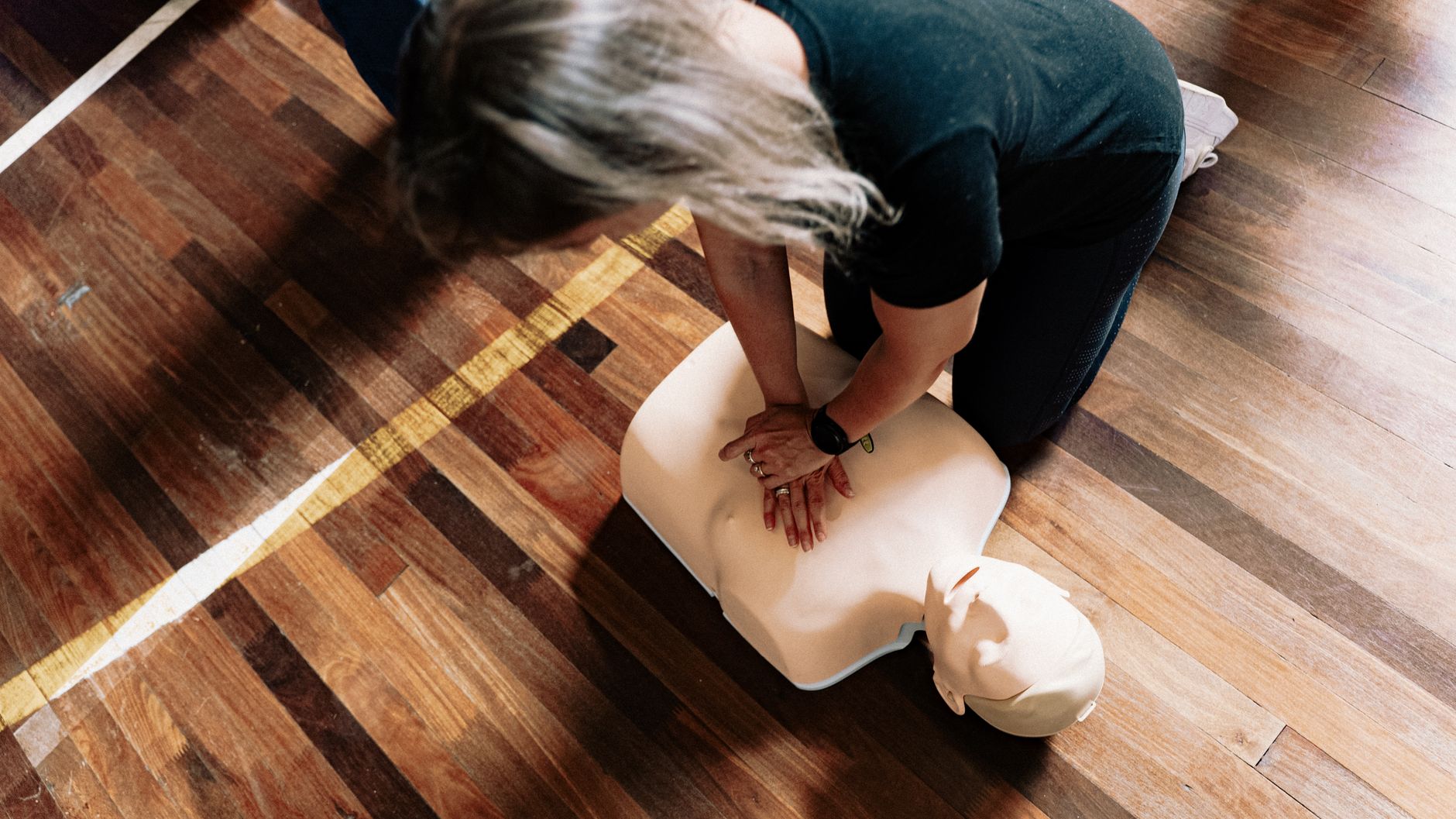
Types of Chest Compression Feedback Devices
Mechanical Devices
Mechanical feedback devices are designed to provide real-time guidance during CPR. These devices typically include sensors that monitor compression depth and rate, ensuring that responders maintain the standard of at least 2 inches in depth and a rate of 100 to 120 compressions per minute. The use of mechanical devices can significantly improve the quality of chest compressions, especially in high-stress environments.
Some mechanical devices, such as the LUCAS device, provide automated compressions, allowing rescuers to focus on other aspects of patient care. This can reduce physical fatigue for responders and maintain a consistent compression rhythm. The integration of mechanical feedback devices in CPR training has shown to enhance performance in real-life scenarios.
- Examples of mechanical devices include:
- LUCAS
- AutoPulse
- Thumper
Wearable Technology
Wearable technology in the form of smartwatches and fitness trackers is becoming increasingly relevant in monitoring CPR quality. Some devices are equipped with sensors that track heart rate, motion, and even provide feedback during chest compressions. This innovative approach allows for a more personal and portable method of ensuring compliance with CPR guidelines.
Wearables can also provide educational prompts, reminding users of the correct compression techniques during training exercises. The data collected can be useful for assessing performance in both training and emergency situations, potentially leading to improved outcomes for cardiac arrest victims.
- Benefits of wearable technology include:
- Real-time feedback for users
- Data tracking for performance improvement
- Portability and convenience
Smartphone Applications
Smartphone applications designed for CPR training and feedback are an emerging tool in cardiac care. These apps often include built-in accelerometers and gyroscopes that can measure the quality of compressions when the phone is placed on the patient’s chest. By providing audio and visual cues, these applications guide users to maintain the correct depth and rate during compressions.
Some apps also feature capabilities for remote coaching, allowing a trained individual to provide guidance during an emergency situation. This can be particularly beneficial in public settings where immediate professional help may not be available. The integration of technology in CPR training helps bridge the gap between knowledge and practical application.
- Popular smartphone applications include:
- CPR Coach
- Save a Life
- PulsePoint
Impact of Feedback Devices on Survival Rates
Evidence from Recent Studies
Research has shown that the use of chest compression feedback devices can have a profound impact on survival rates for cardiac arrest patients. Studies indicate that when feedback devices are utilized, the quality of chest compressions improves, leading to better oxygen delivery to vital organs. This is especially crucial during prolonged resuscitation efforts.
In one large-scale study published in a peer-reviewed journal, the introduction of feedback devices in emergency medical services resulted in a significant increase in return of spontaneous circulation (ROSC) rates. The data suggested that not only do these devices improve technique, but they also enhance the likelihood of favorable neurological outcomes in survivors.
- Key findings include:
- Improved compression depth and rate
- Higher ROSC rates
- Better neurological outcomes in survivors
Long-term Outcomes for Patients
While immediate survival is crucial, long-term outcomes are equally important when evaluating the effectiveness of chest compression feedback devices. Patients who receive high-quality CPR, as indicated by the use of feedback devices, have a greater chance of regaining normal neurological function. Long-term studies have shown that these devices help ensure that compressions are delivered effectively, thereby reducing the likelihood of brain damage caused by prolonged oxygen deprivation.
Continuous monitoring and feedback during CPR can also reduce the incidence of post-resuscitation syndrome, which can complicate recovery. This highlights the importance of not only focusing on immediate resuscitation but also considering the long-term impact of CPR quality on patient recovery.
- Long-term benefits observed include:
- Increased likelihood of full recovery
- Reduced risk of neurological impairment
- Lower incidence of post-resuscitation complications
Training and Implementation Challenges
Despite the clear benefits of chest compression feedback devices, challenges in training and implementation remain. Many healthcare providers and emergency responders may not have access to these technologies or adequate training on their use. This can lead to inconsistent application of best practices across different regions and emergency services.
Moreover, the integration of technology into traditional training programs can be met with resistance from some instructors who prefer hands-on, traditional CPR training methods. Therefore, it is essential to establish standardized protocols that include the use of feedback devices as part of the training curriculum.
- Common challenges include:
- Lack of access to feedback devices
- Resistance to integrating technology into training
- Need for standardized training protocols

Future Directions in Chest Compression Feedback Technology
Innovations on the Horizon
The field of chest compression feedback technology is evolving rapidly, with several promising innovations on the horizon. Newer devices are being developed that incorporate artificial intelligence (AI) to analyze the quality of compressions in real time, providing even more precise feedback. These advancements could revolutionize CPR training and execution by allowing for personalized coaching tailored to each individual’s performance.
Additionally, the integration of augmented reality (AR) into training programs presents an exciting opportunity for immersive learning experiences. Trainees could engage in simulated scenarios that mimic real-life situations, enhancing skill retention and confidence when performing CPR.
- Potential innovations include:
- AI-driven feedback mechanisms
- Augmented reality training environments
- Enhanced data analytics for performance assessment
Integration with Telemedicine
As telemedicine continues to gain traction, the integration of chest compression feedback devices with telehealth platforms could provide immediate remote support during cardiac emergencies. This could allow trained professionals to monitor and guide bystanders through CPR in real time, ensuring that high-quality compressions are maintained until emergency services arrive.
The use of telemedicine could also facilitate post-resuscitation follow-up, allowing healthcare providers to assess the long-term outcomes of patients who received CPR with feedback devices. This holistic approach could improve both immediate and long-term care for cardiac arrest patients.
- Benefits of telemedicine integration include:
- Real-time guidance from trained professionals
- Improved patient outcomes through continuous monitoring
- Enhanced communication between first responders and healthcare providers
Education and Public Awareness Initiatives
Increasing public awareness about the importance of chest compression quality and the role of feedback devices can lead to greater acceptance and use of these technologies. Educational campaigns can empower bystanders to take action during cardiac emergencies, knowing that they have the support of technology to guide them.
Community programs that offer free CPR training sessions incorporating feedback devices can also help reduce the stigma around performing CPR. By demystifying the process and emphasizing the importance of quality compressions, communities can better prepare themselves to respond to cardiac emergencies effectively.
- Strategies for improving education and awareness include:
- Community training programs
- Social media campaigns
- Partnerships with local health organizations
Frequently Asked Questions
1. How accurate are chest compression feedback devices?
Chest compression feedback devices are generally very accurate. They use sensors to measure compression depth and rate, providing real-time feedback that has been validated by research. However, users must still be trained to interpret the feedback correctly.
2. Can anyone use a chest compression feedback device?
While anyone can use a feedback device, proper training in CPR is crucial. Feedback devices are most effective when used by individuals who have been trained in CPR techniques.
3. How do I choose a chest compression feedback device?
When selecting a chest compression feedback device, consider factors such as portability, ease of use, and the specific features that meet your needs. Consulting with professionals or conducting research can help in making an informed choice.
4. Are chest compression feedback devices effective in real emergencies?
Yes, studies have shown that chest compression feedback devices can significantly enhance the quality of CPR performed in real emergencies, leading to improved survival rates for patients in cardiac arrest.
The Bottom Line
Understanding what a chest compression feedback device monitors is crucial for anyone involved in emergency response. These devices play a vital role in ensuring that chest compressions are performed effectively, ultimately improving patient outcomes during cardiac arrest situations. By incorporating feedback devices into training and practice, responders can enhance their skills and confidence, making a significant difference in the lives of those they aim to help.
Note: This article is for general information only and is not medical advice. See a qualified health professional about your own situation.
